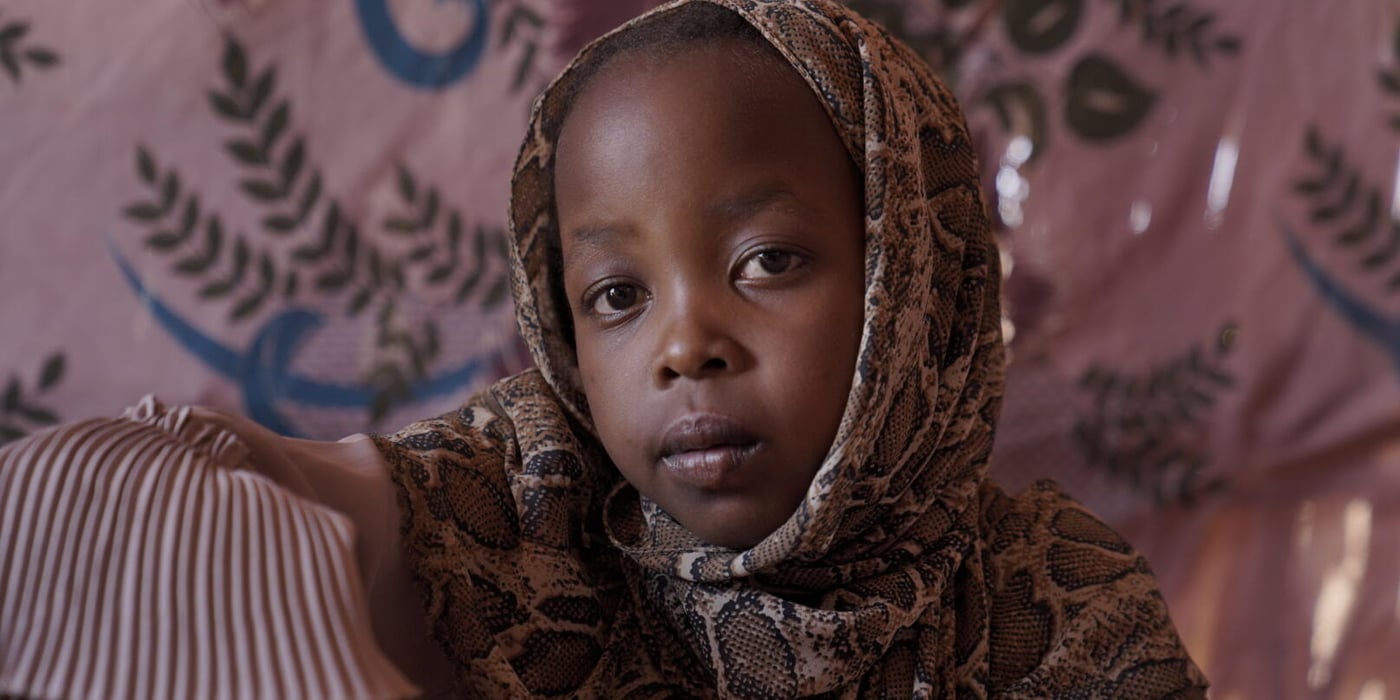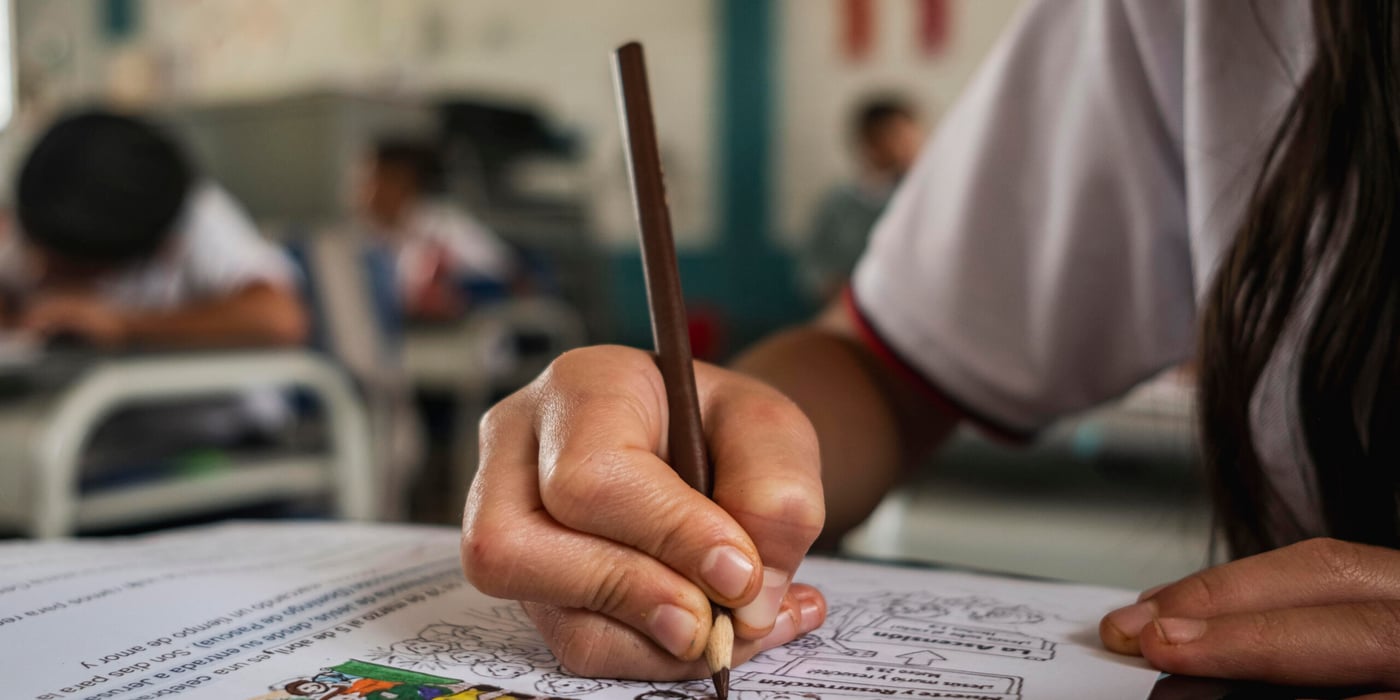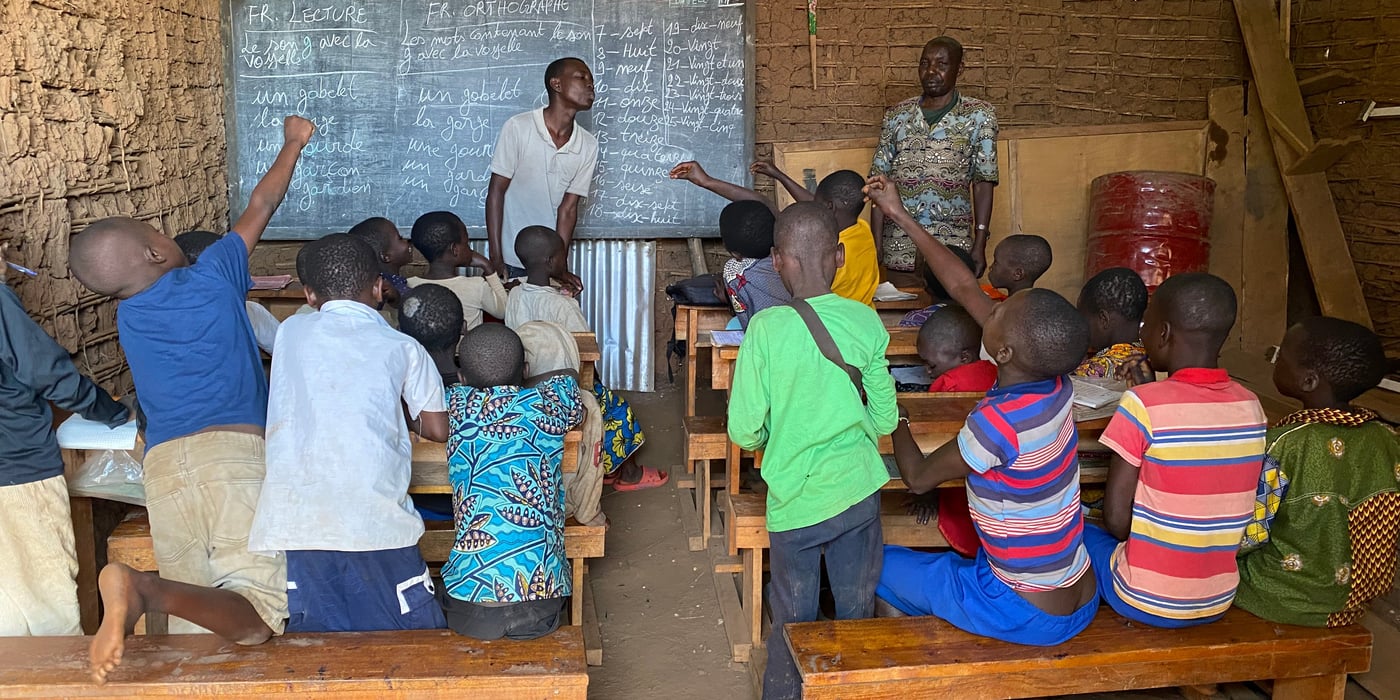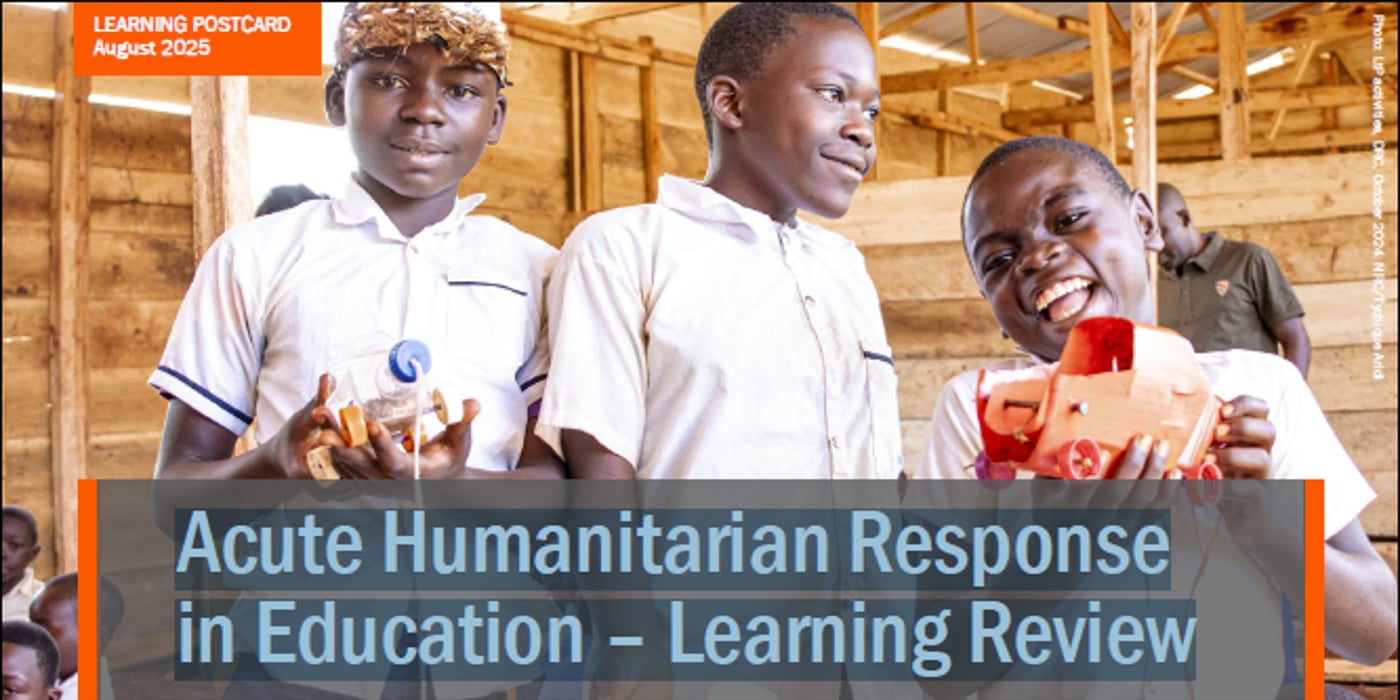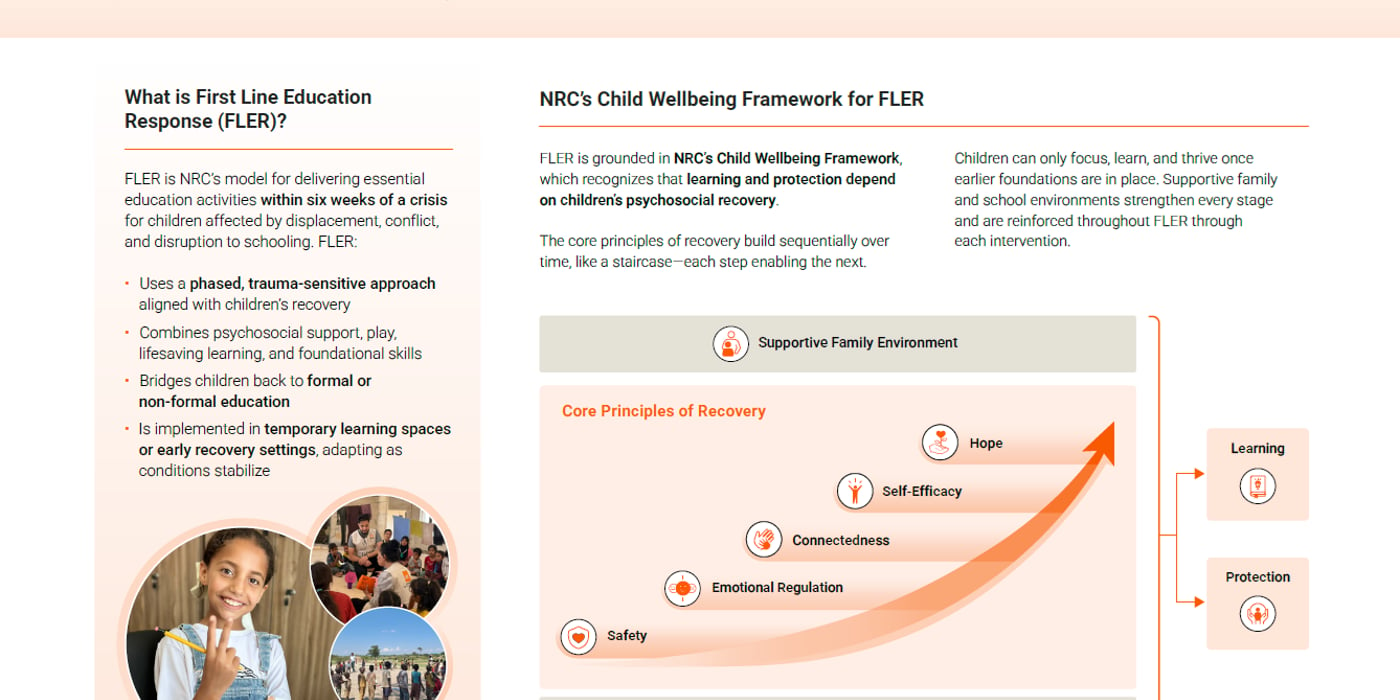

First-Line Education Response (FLER) is the Norwegian Refugee Council’s model for delivering essential education activities for children whose learning has been disrupted by displacement or conflict.
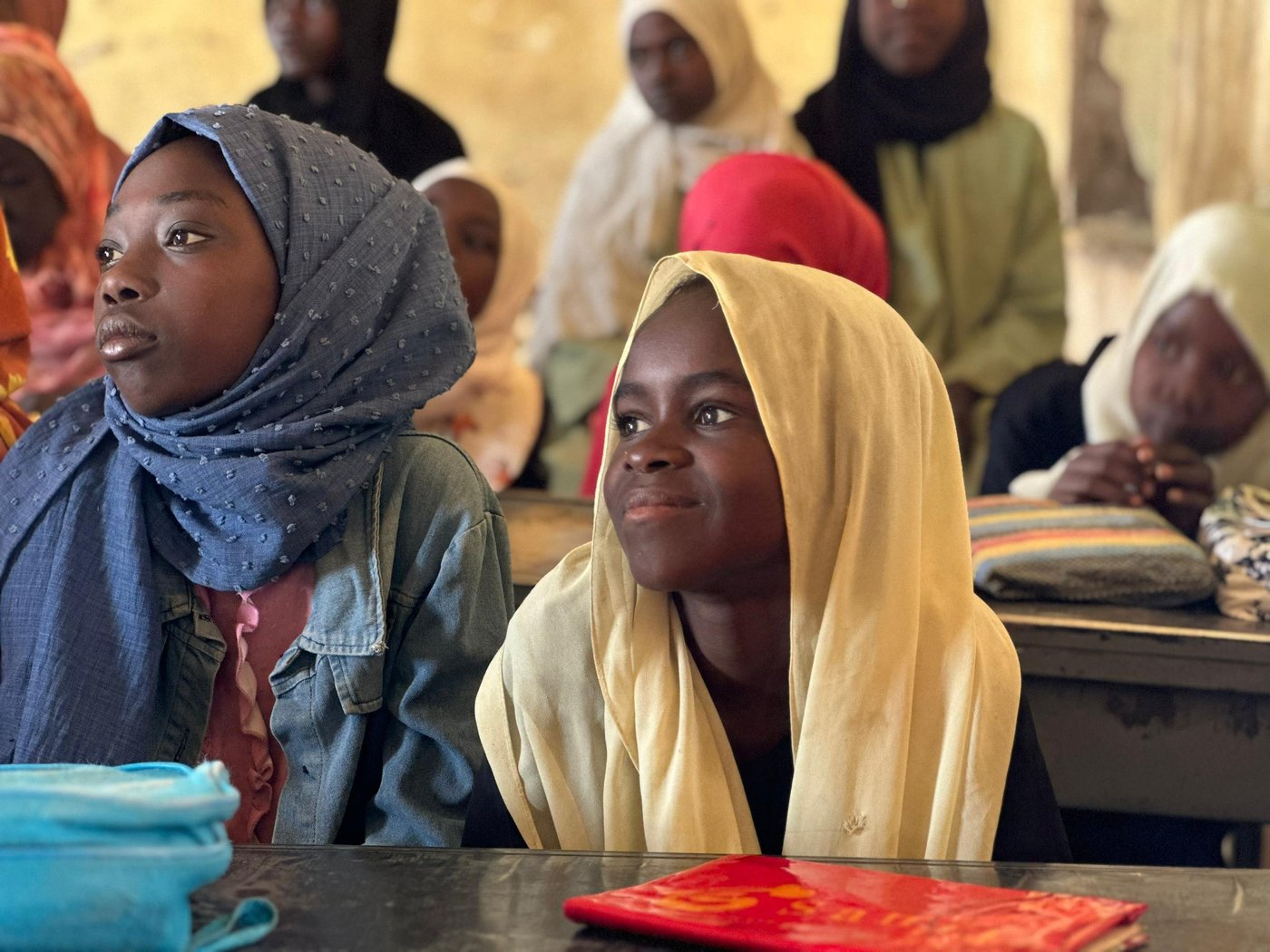
First-Line Education Response (FLER)
Today, more than 520 million children are living through conflict, and 273 million are out of school. For children affected by violence and displacement, education is not just about learning. It’s also a source of safety, stability, and hope.
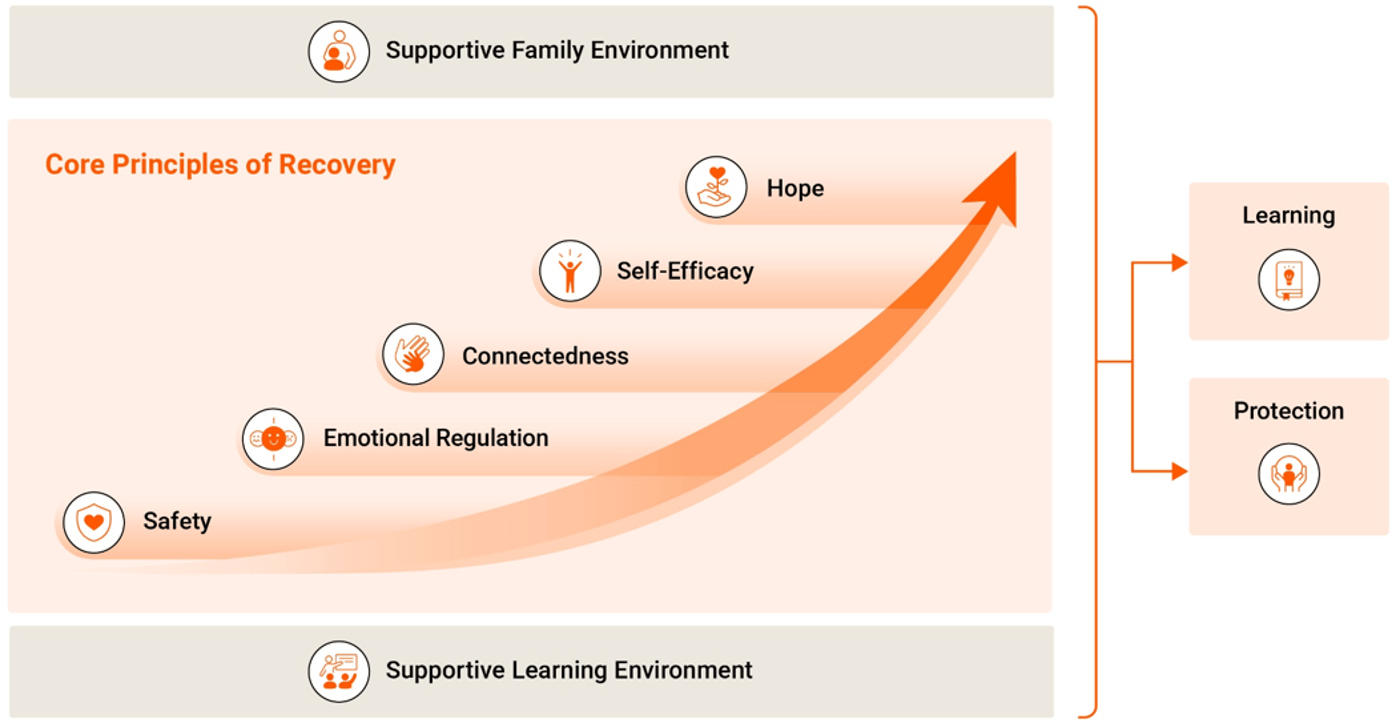
NRC’s First-Line Education Response (FLER) helps children access safe learning and psychosocial support within the first six weeks of a crisis. Using play, structured activities, and trauma-sensitive approaches, FLER supports children step by step as they begin to recover from shock and uncertainty.
The approach combines emotional support, play-based learning, lifesaving knowledge, and foundational skills to help children regain a sense of normalcy and prepare for longer-term education opportunities.
How we work
We start by meeting children’s immediate psychosocial needs – offering safe spaces, routines, and healing activities – and then gradually reintroduce structured learning as children stabilise.
The goal is not just short-term support, but guiding children back into education, more prepared and more resilient.
FLER combines several interventions that support children’s recovery, wellbeing, and return to learning after crisis:
- Better Learning Programme (BLP): Structured psychosocial support activities that help children feel safe, calm, and supported after crisis and displacement.
- Child Education Pack in Emergencies: Social-emotional learning activities that help children rebuild their confidence, resilience, and readiness to learn.
- Lifesaving learning: Age-appropriate lessons that promote safety, awareness, and protective behaviours in emergencies.
- Recreation activities: Play and recreational activities that support recovery, wellbeing, and social connection.
- Caregiver and community engagement: Activities that strengthen support for children at home and encourage positive connections between families and learning spaces.
- Basic literacy and numeracy: Foundational learning support that helps children strengthen core skills and prepare to transition into formal or non-formal education.
Where we work
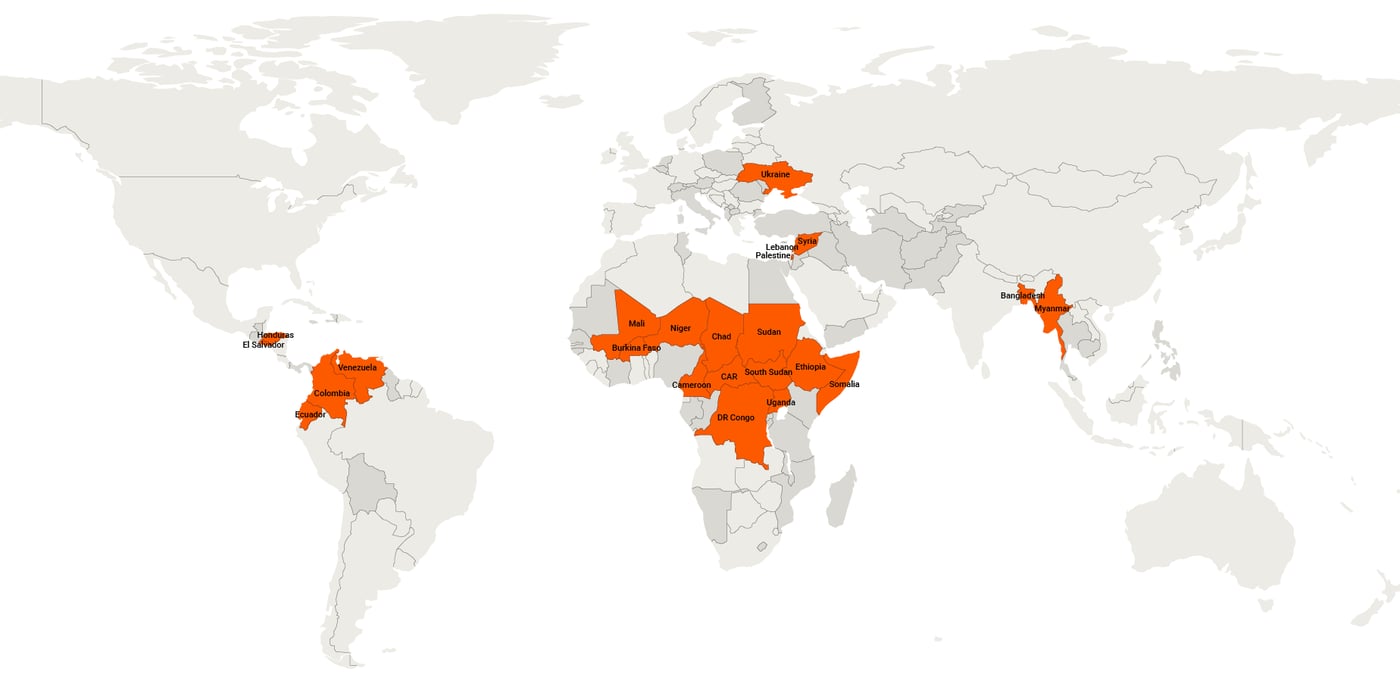
In 2025, some 263,415 learners enrolled in FLER activities across 23 countries.
Our supporters
NRC has been implementing FLER in various forms over the last 10 years, funded by the following donors:




With the support of the LEGO Foundation in March 2024, we established a rapid global funding and response mechanism to scale up FLER and revamp our programmatic approach. The grant has secured flexible funds that can be used to meet education needs in times of acute crisis.
Watch our one-year milestone video highlighting FLER’s achievements: