
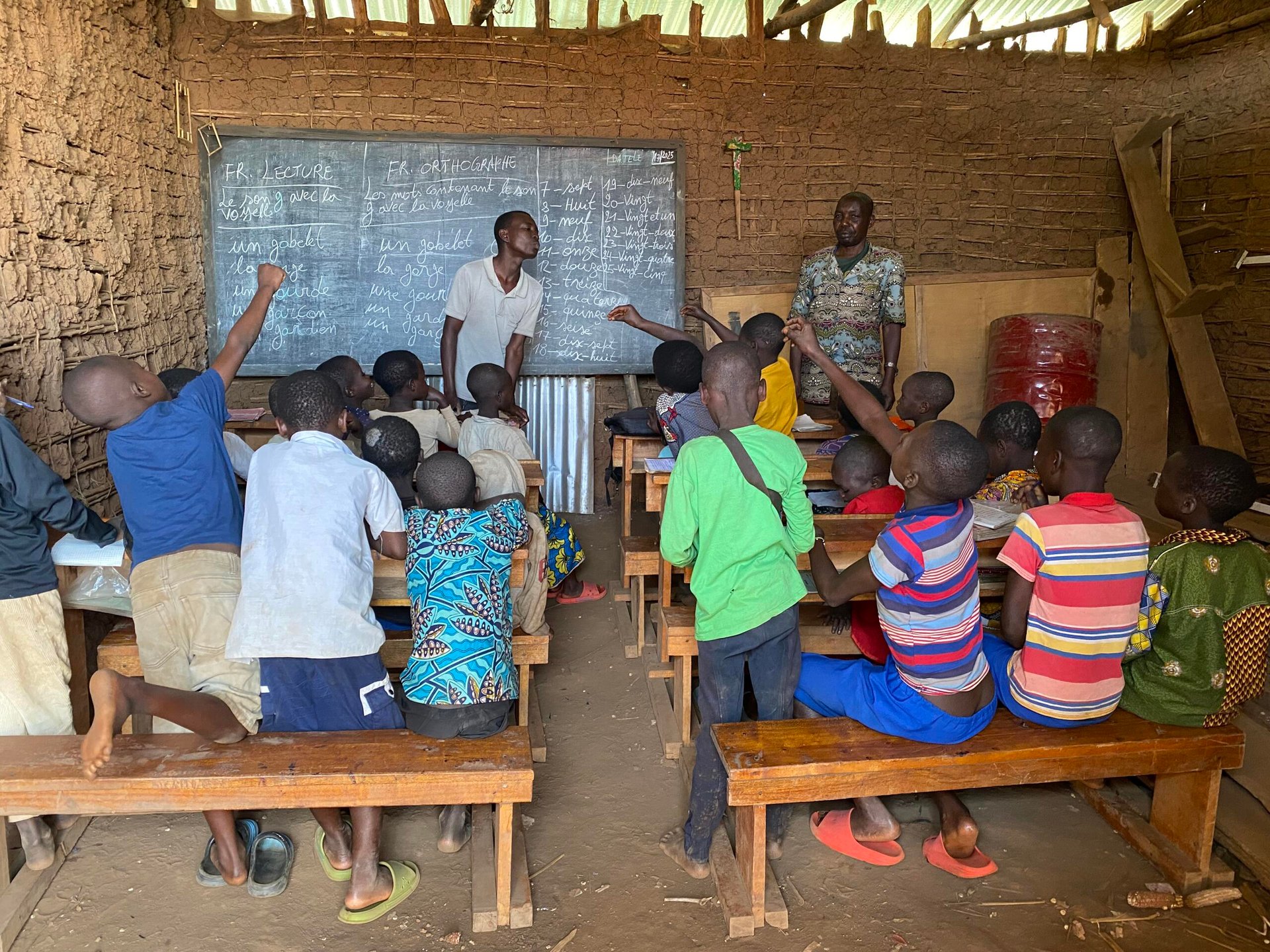
In Ituri, eastern DR Congo, the effects of conflict extend far beyond individual families. They are tearing apart entire swathes of community life, with education being particularly hard-hit.
As insecurity forces people to flee their homes, families are being displaced and schools are being forced to relocate. To survive and continue providing access to education, entire institutions have had to move. Following their displaced students and teachers, these nomadic schools are urgently searching for safe places where learning and teaching can still take place.
The population displacements in Ituri are dismantling the education system, making schools a new symbol of both resilience and instability in this crisis-stricken region.
A symbol of resilience
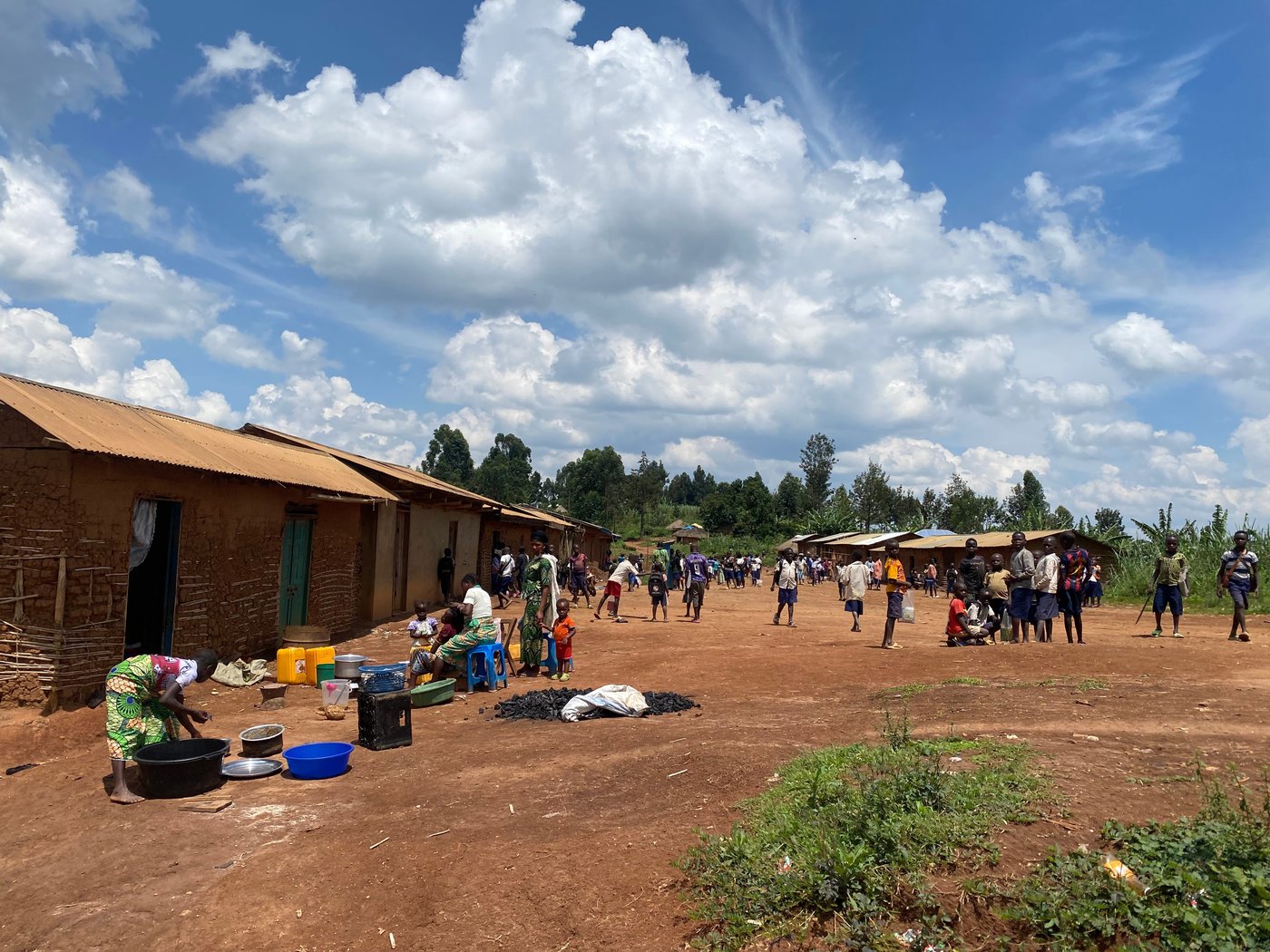
A street in Dziro, Djugu territory, has had to become a school. Amani Gok Primary School now operates in houses and shops donated by local residents, so children can continue learning.
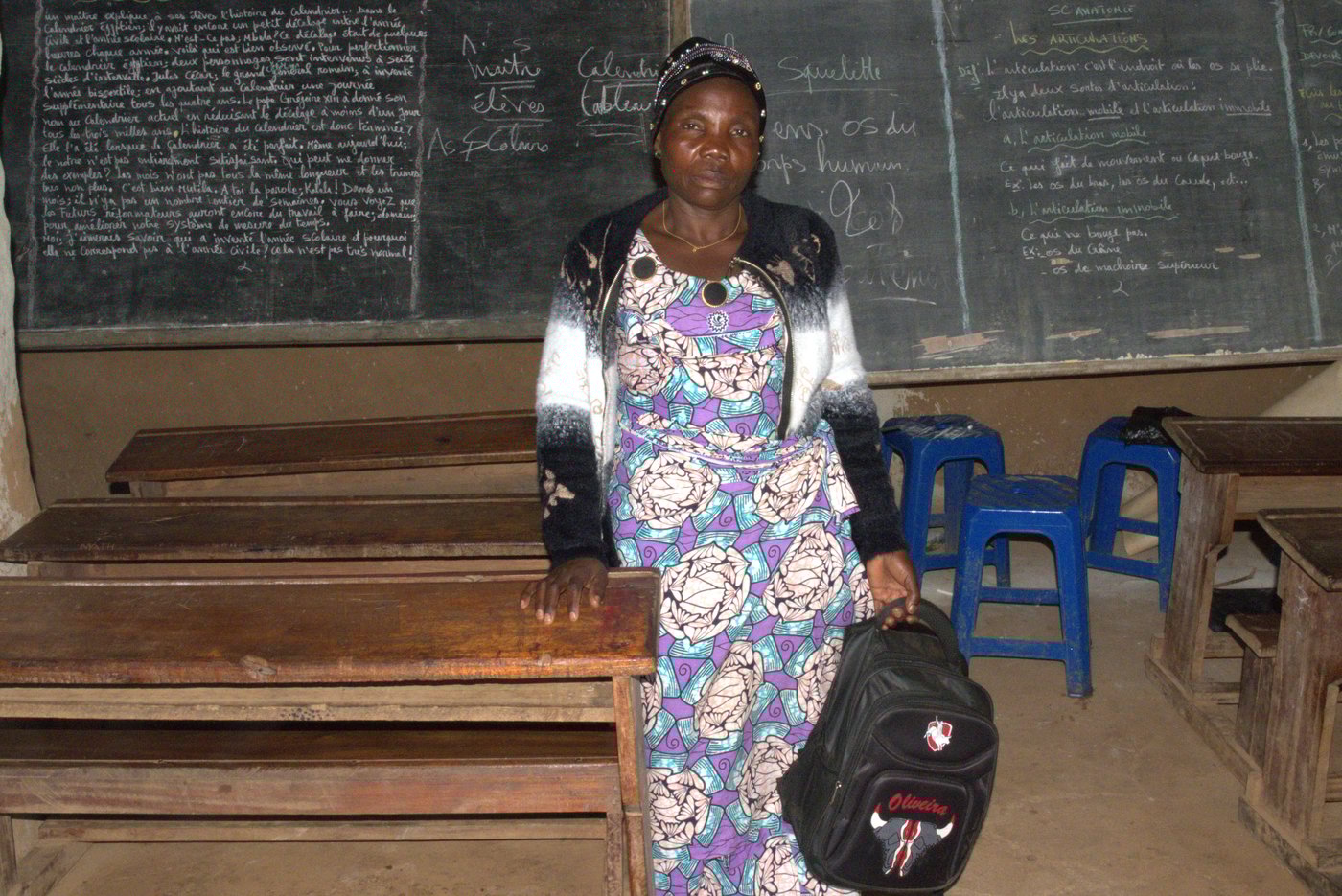
“Our school was destroyed by armed men during the fighting,” says Chantale Tsesi, director of the school. “Today we use shops and houses as classrooms, and some lessons take place under the trees. And we have already been threatened with eviction.”
A little further east, in Bule, Mahagi territory, another relocated school now shares the same building as another school. The two schools alternate learning shifts throughout the day: one teaches in the morning, and the other in the afternoon.
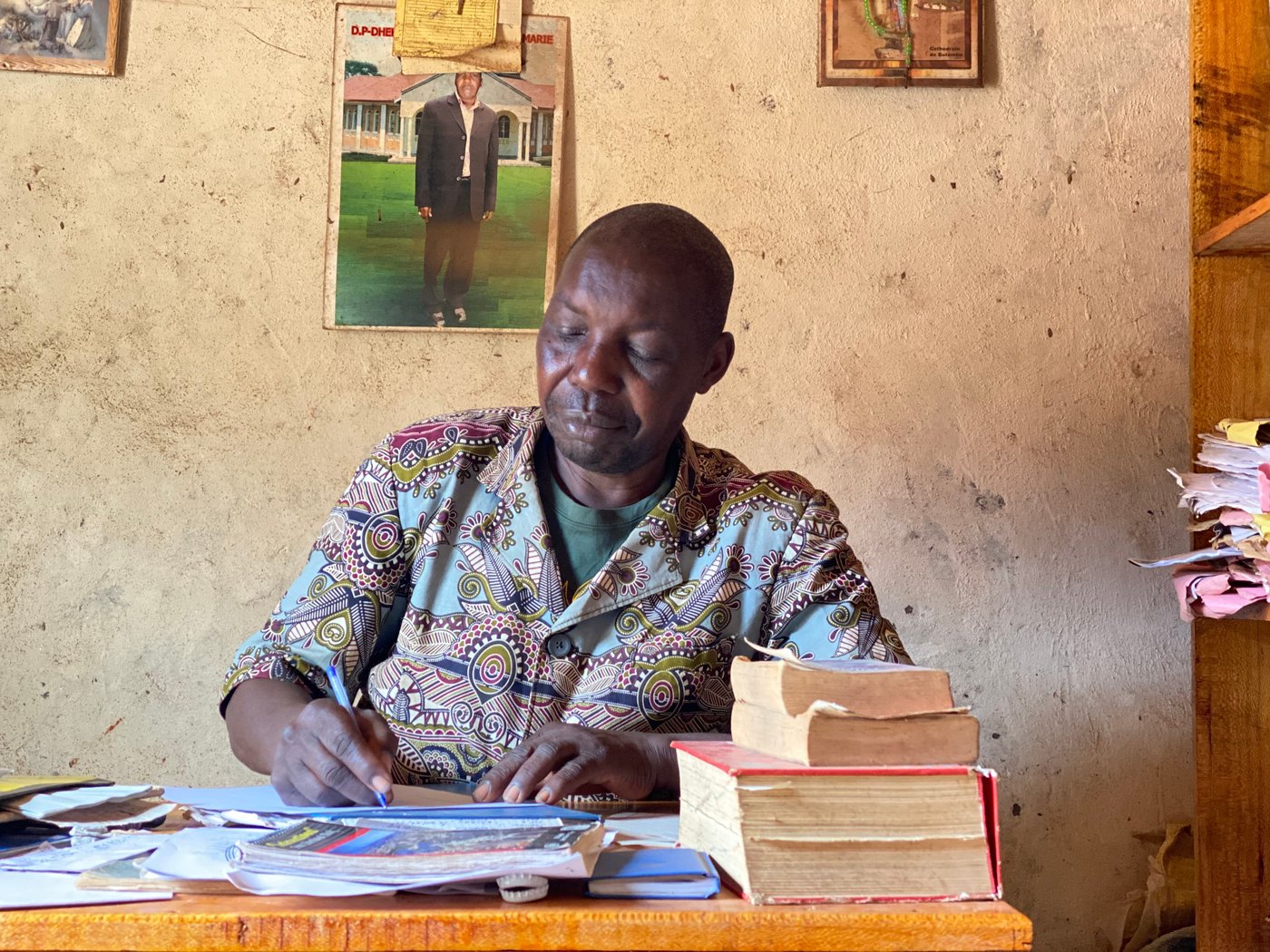
“We experienced a terrible event. Armed men stormed our village and set fire to our school. They destroyed all the classrooms and burned homes. We had to flee with our students to find a safer place,” explains Jean-Marie, headmaster of Dhepa Primary School.
“We are currently being hosted at the Umoja Institute, along with other displaced people. We hold classes in the morning until 12:20 in the afternoon, and then the Umoja Institute takes over until the evening.”
In these extreme conditions, the school is forced to become mobile. Despite the circumstances, students continue achieving remarkable pass rates in the primary school national exams each year, sometimes scoring 90 to 100 per cent.
Rebuilding for the future
Aware of the challenges faced by displaced children and their teachers, the Norwegian Refugee Council (NRC) and its partners in the Elimu Kwanza project, including the Danish Refugee Council (DRC), as well as local partners AJEDEC and FECONDE, are working to support these vulnerable schools.
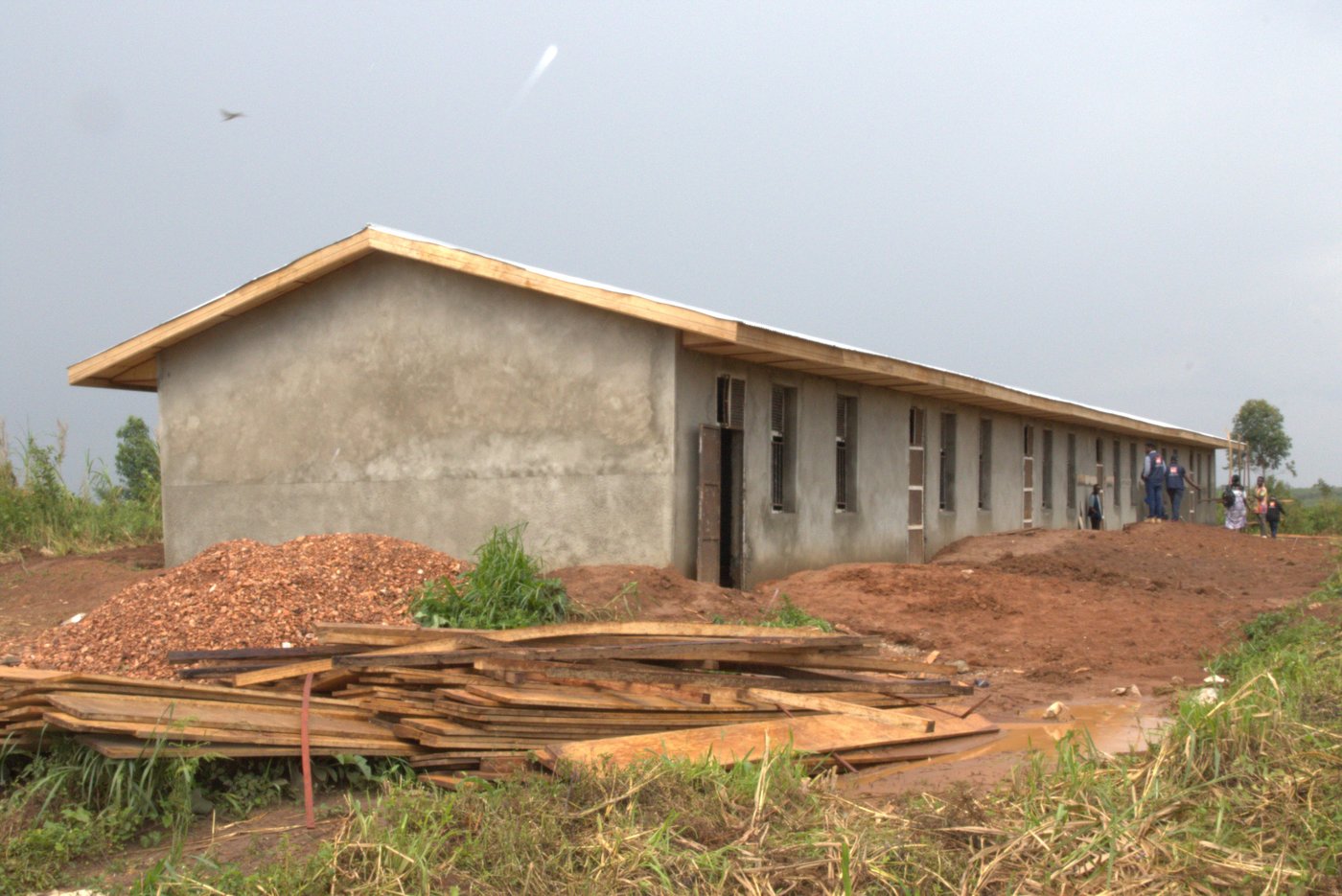
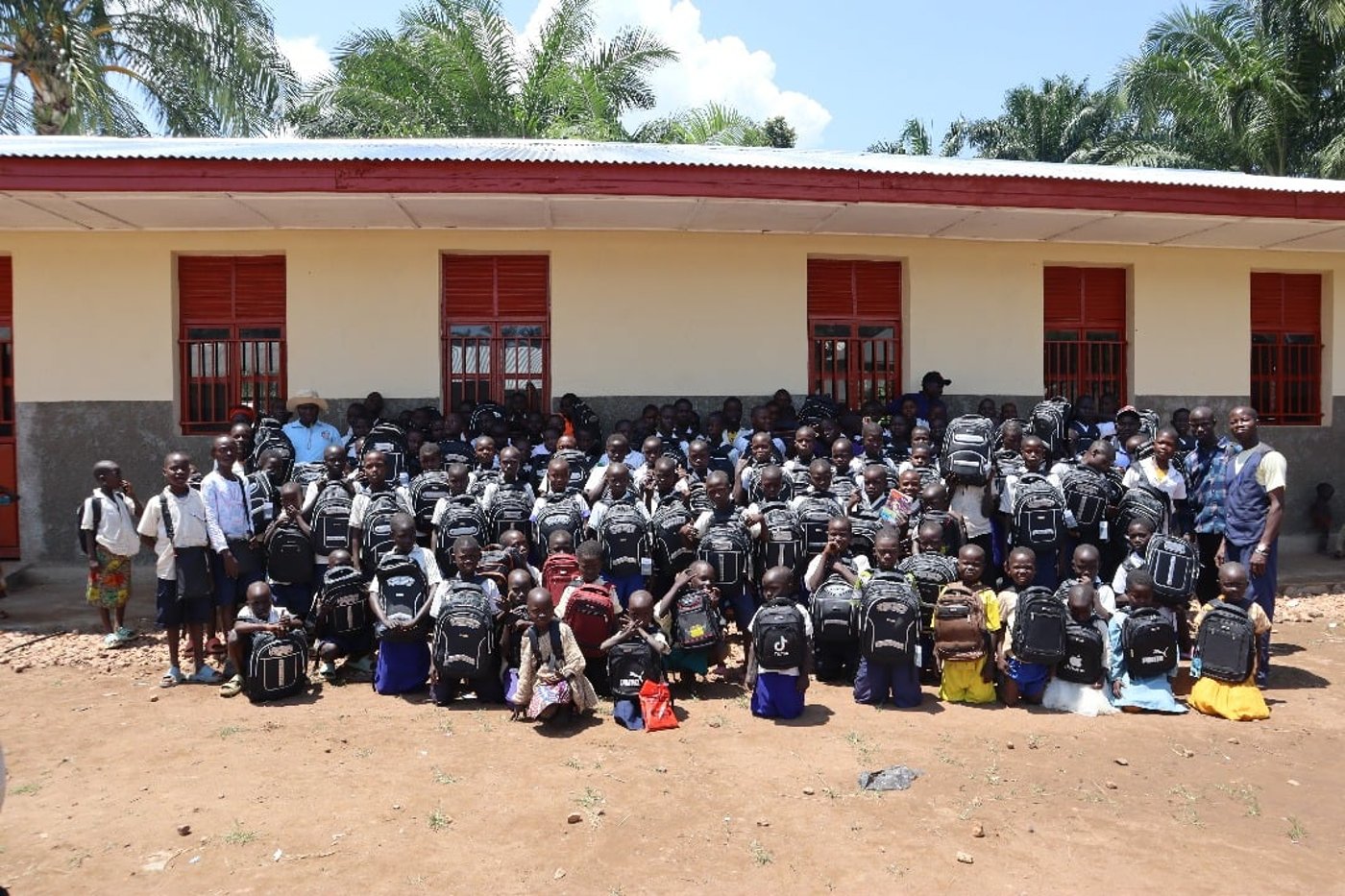
Thanks to the European Union’s support:
- school kits have been distributed to students
- catch-up classes have been organised for those who have fallen behind due to repeated relocations
- a new school building is under construction for the Amani Gok school
- additional classrooms are planned for other schools in the province that host schools on the move
This initiative will allow children to return to an inclusive, safe and protective learning environment. It will also enable teachers to continue their work.
A call for peace and shared responsibility
Schools persevere and cope in the face of fear and instability, and classrooms are continually rebuilt. However, their efforts cannot be sustained in a context of chronic insecurity.
Local authorities, communities, and humanitarian and development parters must join forces to help restore lasting peace in Ituri.
The stakes are clear: the future of children is in our hands. Only through guaranteed security and stability can children attend school without fear, teachers fulfil their role without interruption, and schools regain and maintain their central place within communities.
We’re here to tell you about the crises no-one else is talking about.
