
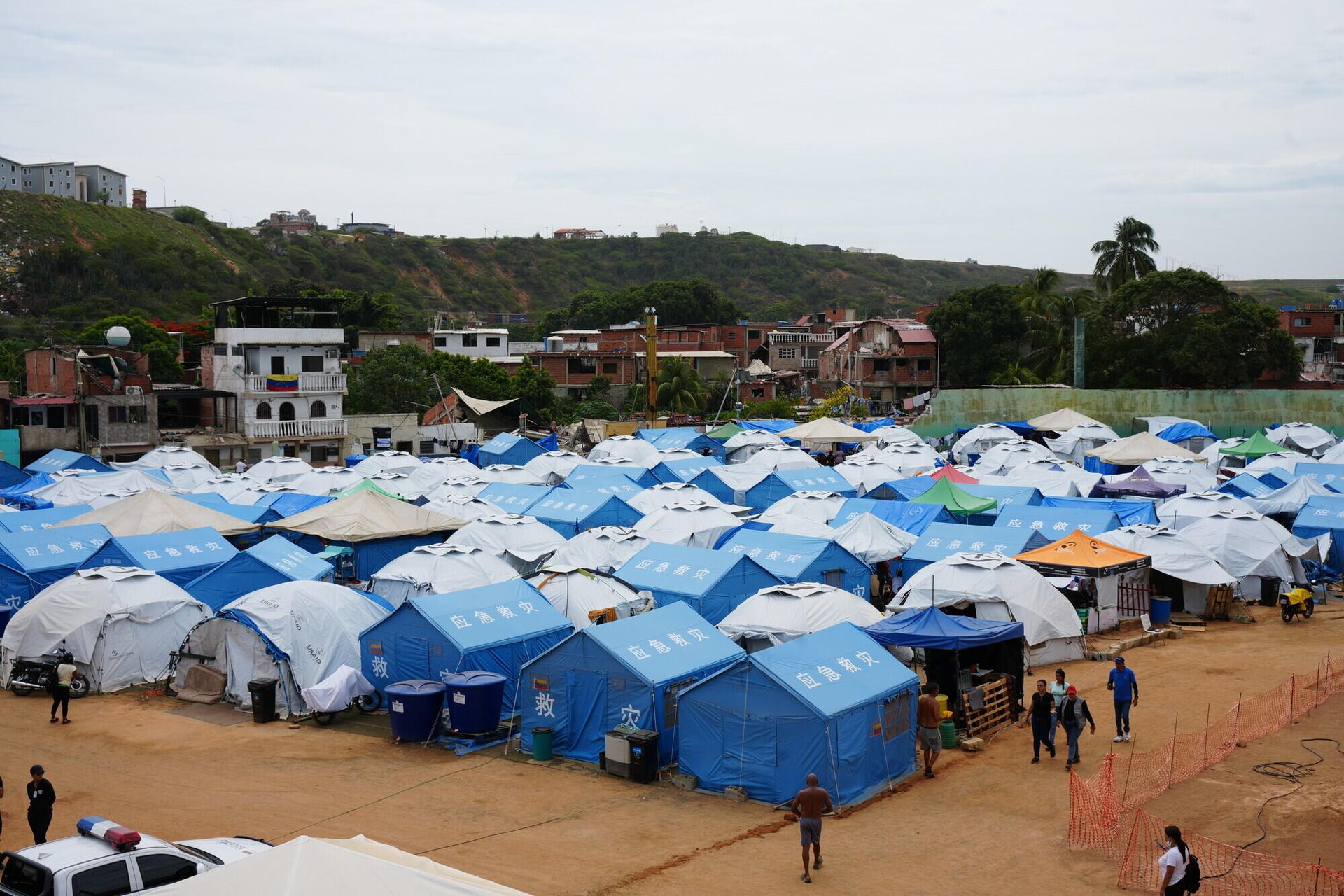
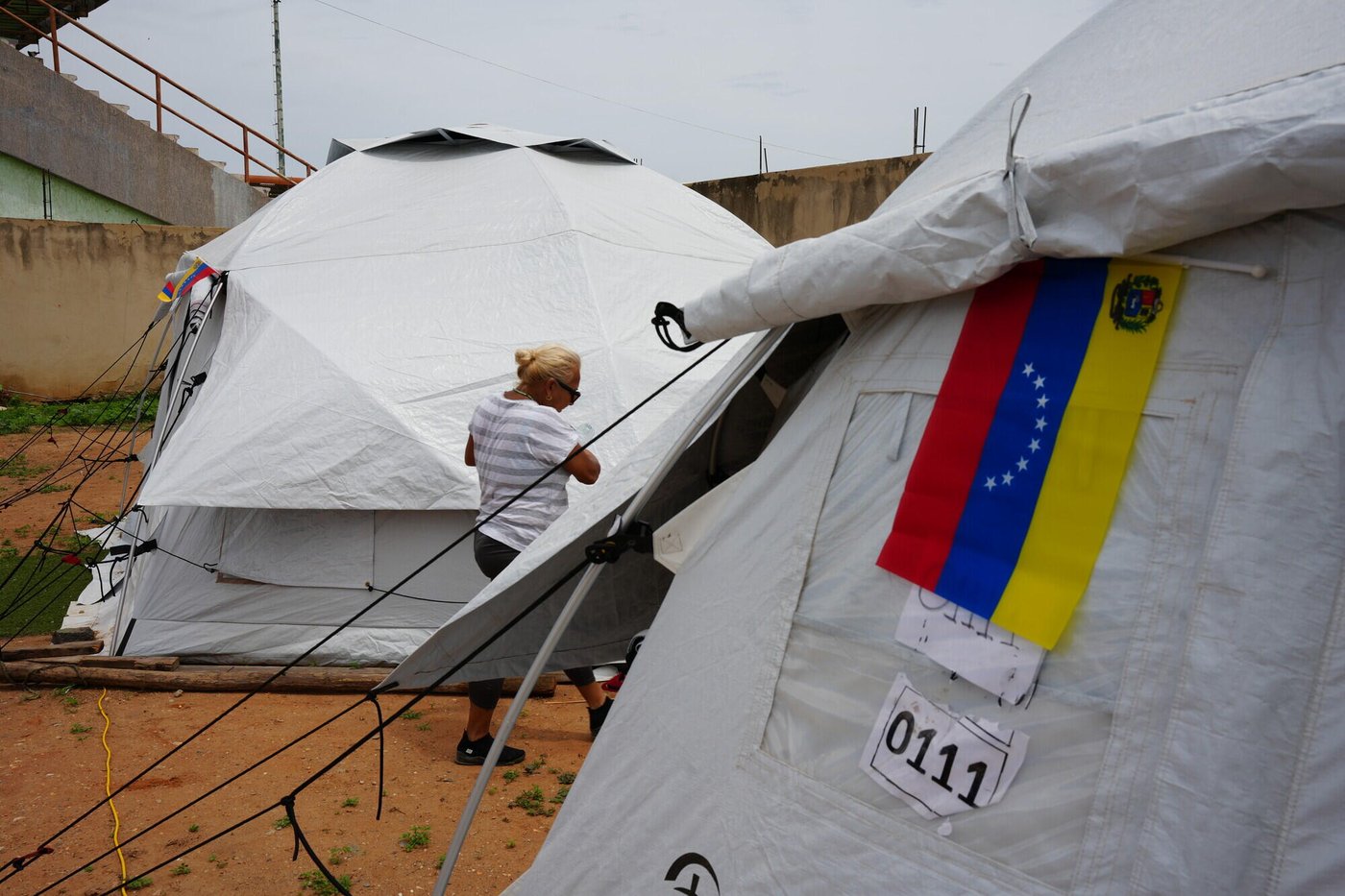
In La Guaira, on Venezuela’s northern coast, dawn breaks early. We have arrived at one of the more than 100 temporary camps established after the devastating earthquakes in June 2026.
Soon, the sun will warm the skin of the 1,500 or so displaced people staying here. The Norwegian Refugee Council (NRC) is supporting camp coordination and camp management in this area, one of those most affected by the earthquakes.
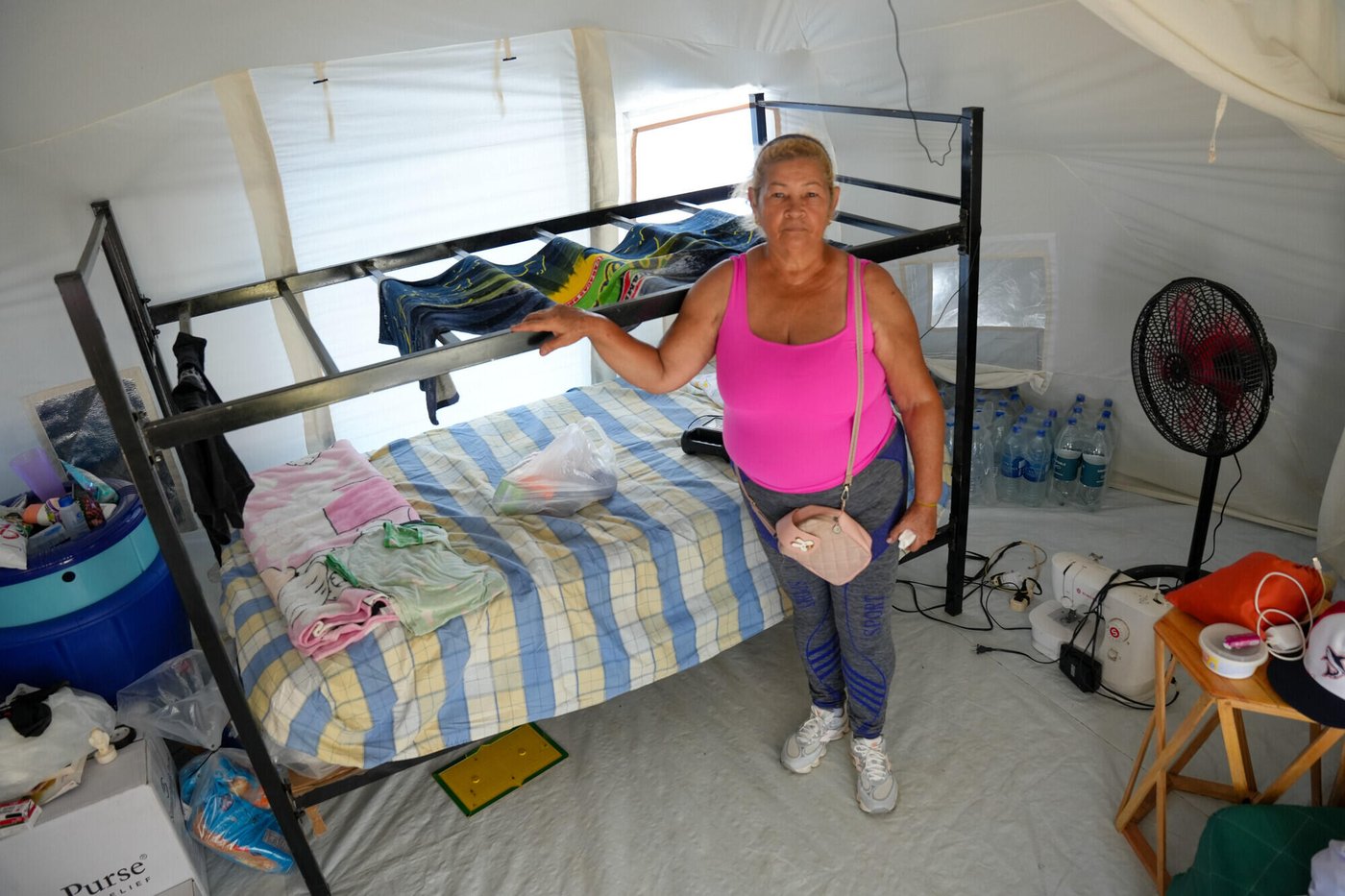
In one of the tents, we meet Mirta. Before 24 June, when the ground shook twice in quick succession, Mirta used to sell fast food at a municipal market. But her workplace burned down and her home was damaged in the 7.2 and 7.5 magnitude earthquakes. This is the third disaster she has experienced since the deadly Vargas mudslides in 1999.
“From day one, we put up this tent that was given to us, and we are still here. The future is uncertain. For now, I focus on living in the present,” Mirta tells us, one month after the tragedy. “We’ve received a lot of support from a lot of people. So far, we haven’t lacked anything.”
Behind Mirta’s words, an often-unseen machinery is at work.
In a couple of the temporary camps, NRC is serving as an implementing partner of the International Organization for Migration (IOM), a UN agency. Working alongside the Venezuelan authorities, local communities and humanitarian actors, IOM and NRC help strengthen coordination and improve access to essential services.
Listening, facilitating, coordinating
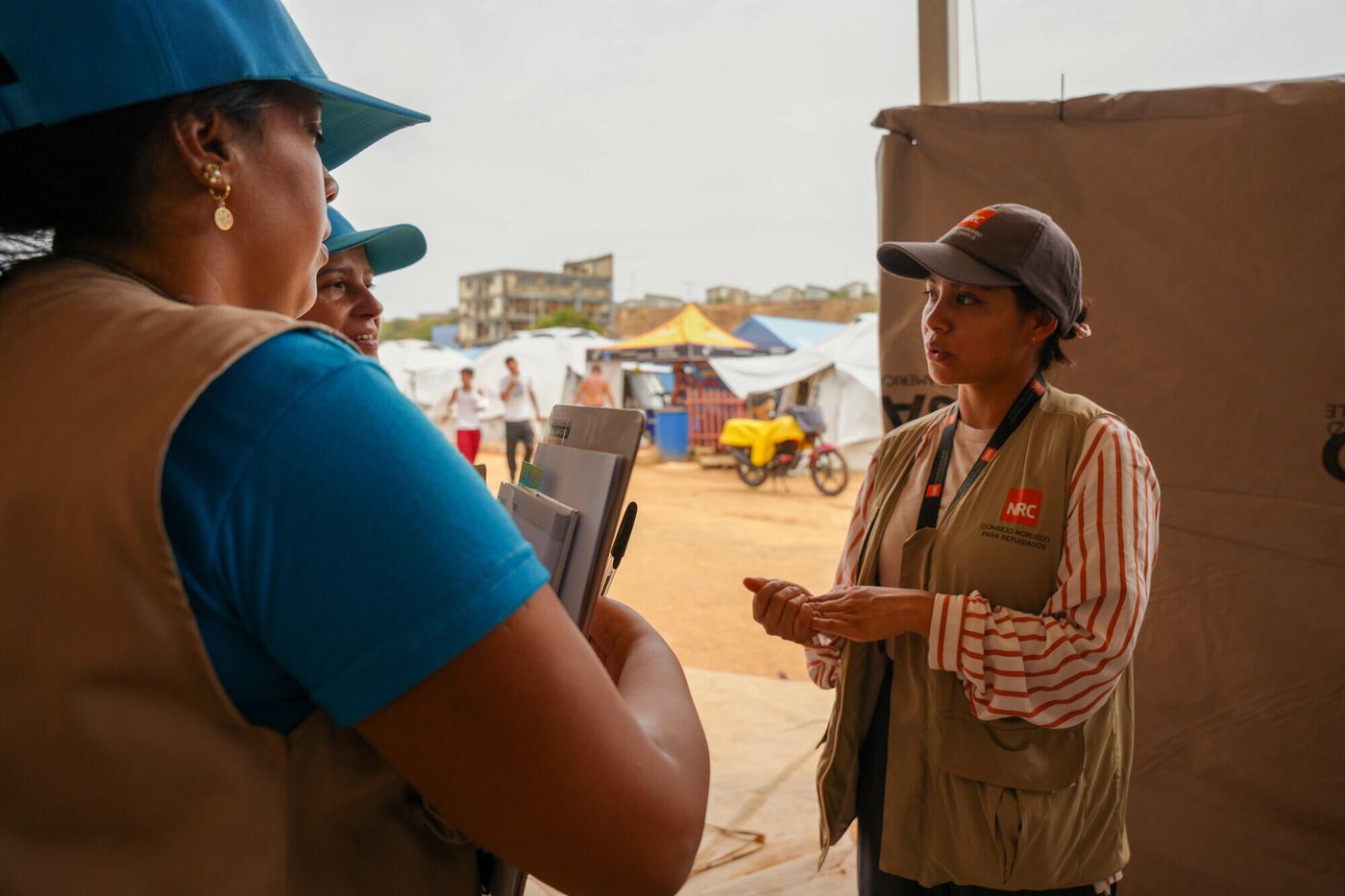
Every camp is different and every day unfolds differently in each one, explains Andrea Sánchez, Protection Officer with NRC Venezuela.
This morning continues with a meeting between the organisations coordinating and managing activities, and the community leaders who represent the residents. Six of the seven leaders are women. Andrea asks how they are feeling and what they need. Today, the conversation focuses on camp management, working groups, visiting hours and cohabitation agreements.

“We are strengthening the links between the different actors involved, while maintaining the community structures already established by people and respecting the role of institutions,” Andrea tells us after the meeting.
While the World Food Programme distributes lunches, we meet Karina González. She is a Protection Officer with NRC Mexico, and has been temporarily deployed to Venezuela to support the emergency response alongside with other NRC colleagues from different parts of the world.
“The challenges are diverse and needs are constantly changing. So, we are playing a coordinating role among a wide range of actors involved in this response,” she explains.
“One thing is clear to me: Venezuelans themselves, the people, are the ones leading the way. The camp is more organised thanks to Venezuelans and their admirable resilience.”
Serving, living, giving thanks
As the afternoon goes on, Mirta introduces us to her son, Kleiber.
On the second night after the earthquakes, medical supplies were delivered to the camp. Kleiber is a nurse and knew how to use them. He found materials for wound care and began treating the cuts and injuries suffered by his neighbours.
What began as an improvised medical station made from two poles and a sheet has grown into a blue tent that now serves as a free pharmacy. The entire stock is based on donations. People who have been prescribed medication by the Venezuelan health service come to Kleiber. He checks the prescription, looks through the supplies and, if the medicine is available, provides the treatment.
“This has been my way of serving,” he tells us, surrounded by requests and people seeking help.
Kleiber’s only sister and a niece died in the earthquakes, along with more than 6,000 others. His mother Mirta is finding new meaning in her grief.
“I want to live happily in the present, with my family together, because I like to be a grateful person. This is the Venezuelan attitude: finding a smile in the middle of adversity,” she tells us from her tent while, outside, a private company delivers a donation.

Now, children can be heard taking part in emotional wellbeing activities, while adults attend sessions on good hygiene and safe water storage. Every so often, an aeroplane crosses the sky bringing emergency supplies. The people staying here know that the camps are only a temporary solution. And everyone – the authorities, humanitarian partners and communities alike – is making every effort to ensure that nothing is lacking here.
Soon, the sun will set over La Guaira. Tomorrow will be another day of collective effort. The daily challenge is to contribute to the protection of those who lost so much. “Don’t abandon us. We feel that you listen to us,” one person tells the humanitarian team before saying goodbye.
NRC Venezuela’s response includes other services, such as the First Line Education Response (FLER), which provides psychosocial support to children and adolescents. We also provide protection assistance and legal counselling, helping people access essential services and replace documents lost during the tragedy.
Sign up to our newsletter to read more stories from around the world.
