
The Norwegian Refugee Council’s (NRC) multisectoral response to Venezuela’s earthquakes began in the immediate aftermath of the disaster and has not slowed since. Our teams are now focusing on the region most impacted to meet urgent needs.
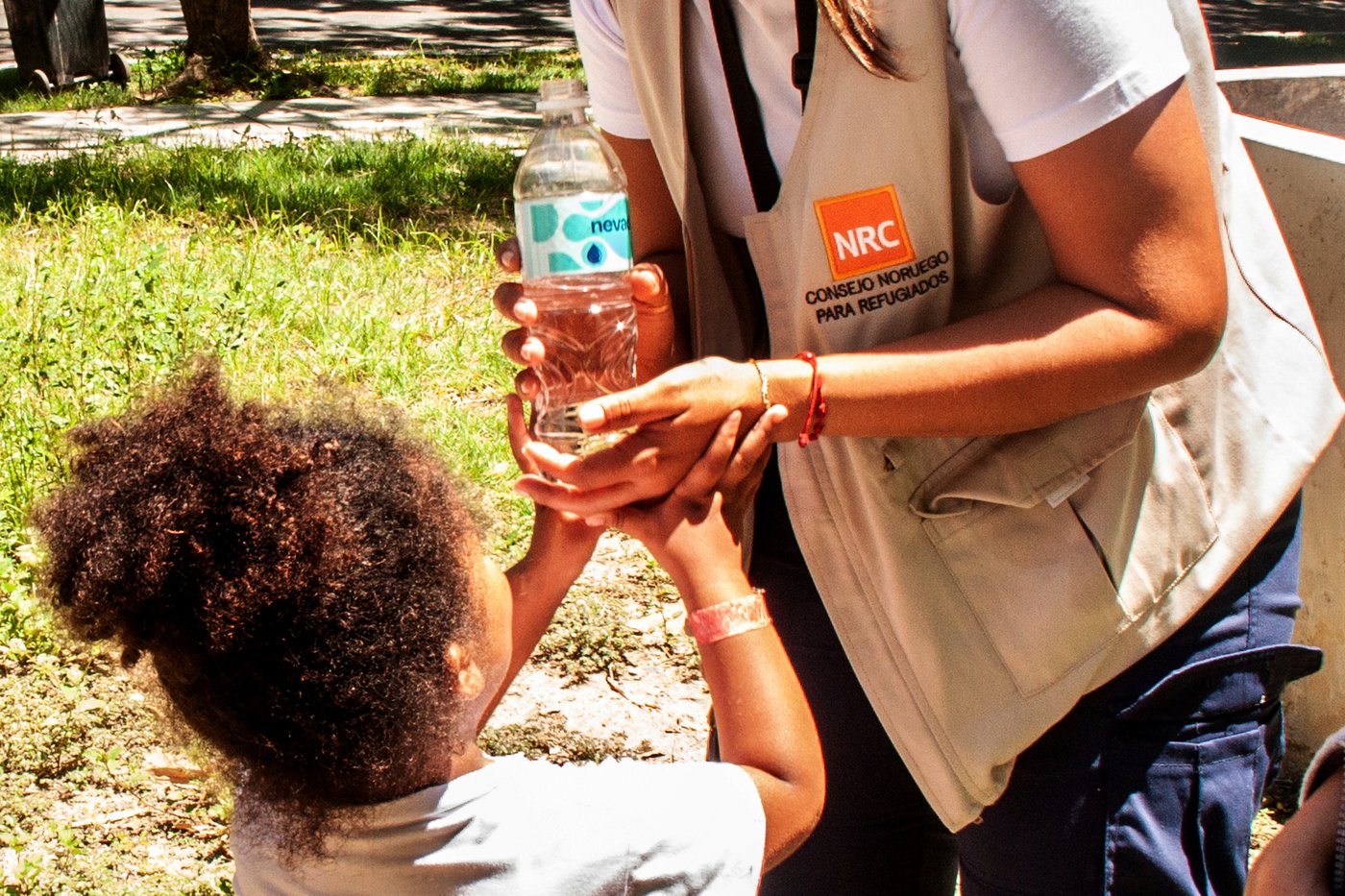
On the ground in post-earthquake Venezuela
The rallying call
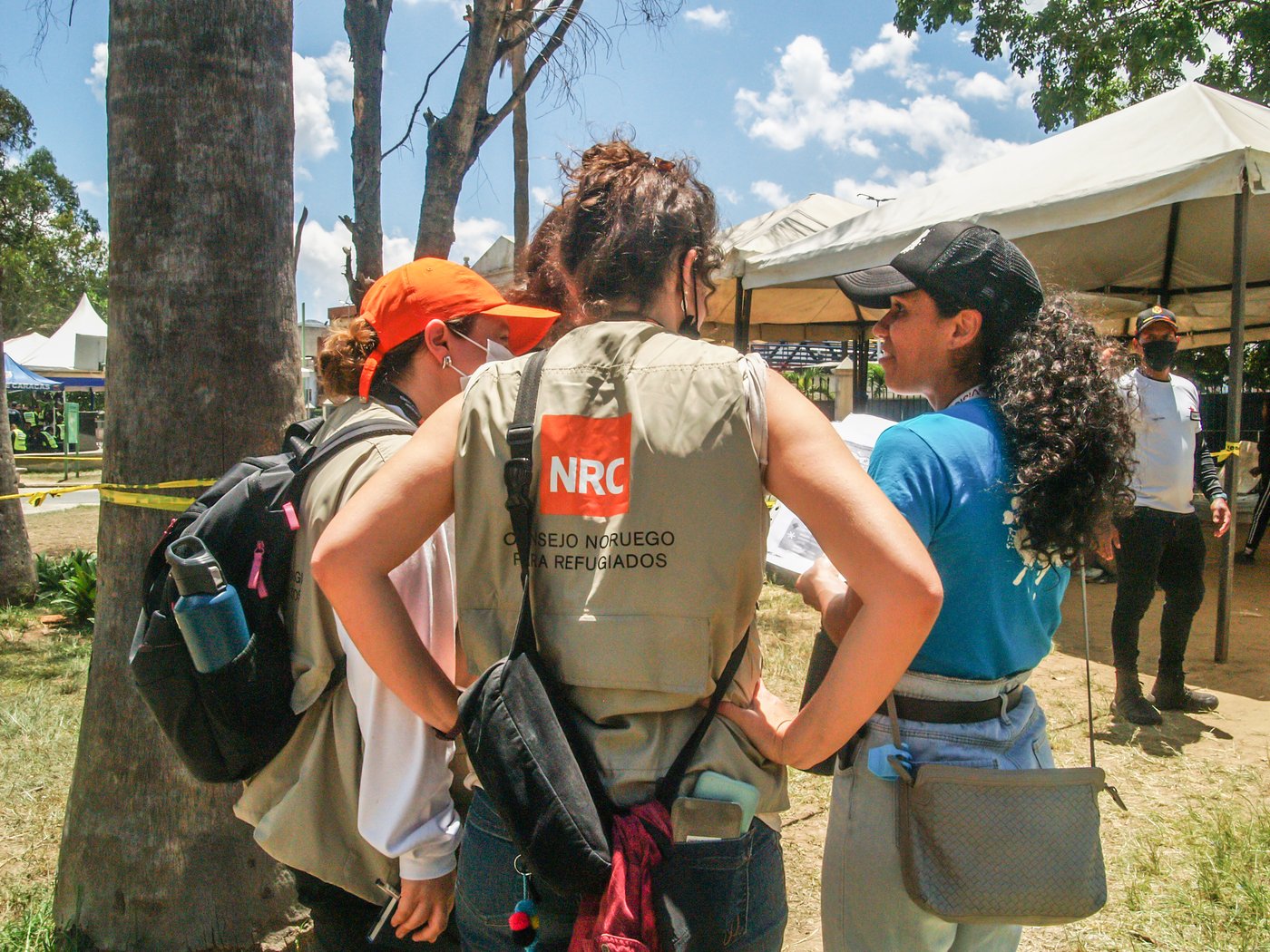
NRC has been working in Venezuela since 2005, and our services have ranged from education to legal aid, livelihoods, protection, and water and sanitation support. Our teams quickly mobilised to assess the most pressing needs in earthquake-affected areas of the twin disasters.
With our local partners, we are reaching families in La Guaira, Caracas and surrounding areas. We have also reached families at the earthquake’s epicentre.
“Many families who lost their homes following the earthquakes have told me they are concerned about how they will meet their most basic needs,” explains Beatriz. “Thousands of people continue to live in temporary shelters, schools and other public spaces.”
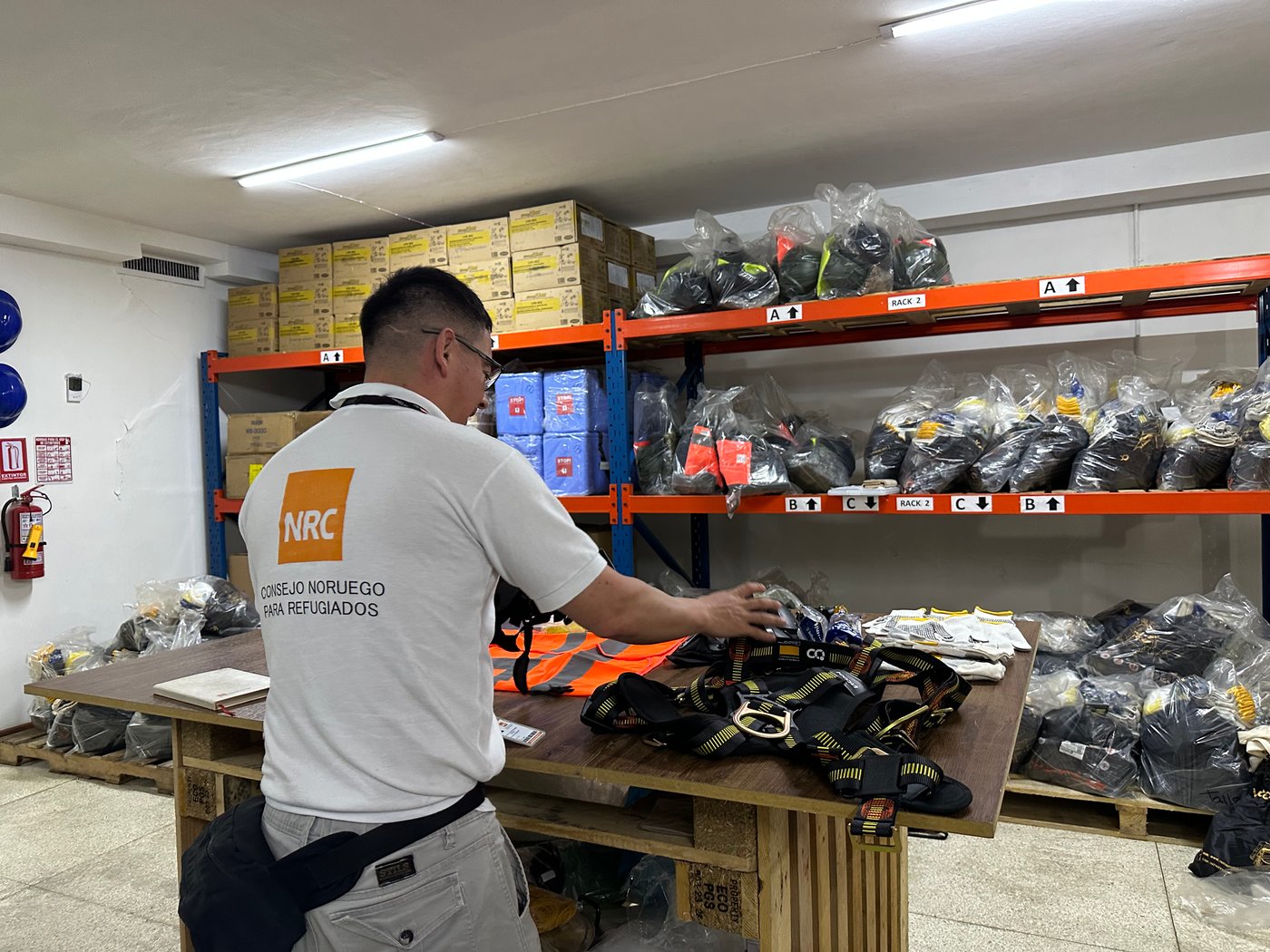
Equipping the rescuers
With many people trapped under the rubble, search-and-rescue operations intensified soon after in the disaster zones. NRC turned part of its response toward equipping the teams doing that work. We distributed boots, helmets, harnesses, gloves, glasses, and face masks – among other protective gear – to search and rescue teams.

Providing the essentials
The first disorientating days of displacement leave families stripped of items they need just to survive.
“Few days after the earthquake, one man shared with me that he had not been able to shower since the earthquake forced him from his home,” says Beatriz. “He told me he was trying to keep clean, but he urgently needed soap and other essentials.”
NRC’s immediate response was to provide families with kits to ease that first stretch of displacement:
-
Mobility kits carry the basics for a family suddenly living outdoors or in overcrowded shelters: blankets, flashlights, power banks, mosquito repellent and sunscreen.
-
Hygiene kits help ward off the risk of diseases with soap, shampoo, toothpaste, toilet paper and chlorine.
-
Menstrual hygiene kits provide women and girls with what they need to manage their menstrual health safely.
Beyond physical needs
The emotional and mental toll of disasters often weighs heavier on the shoulders of the most vulnerable people. Alongside partners, NRC is supporting children, women, older people and persons with disabilities with psychosocial assistance, safe spaces, and gender-based violence prevention and response services.
On the legal side, displacement frequently severs people from the paperwork that anchors their lives. We have developed and promoted standard operating procedures to help families recover civil documentation, and housing, land and property rights – lifelines that become urgent the moment a family is forced to leave home. One-to-one legal counselling tailors support to people and their unique circumstances.
Education in emergencies
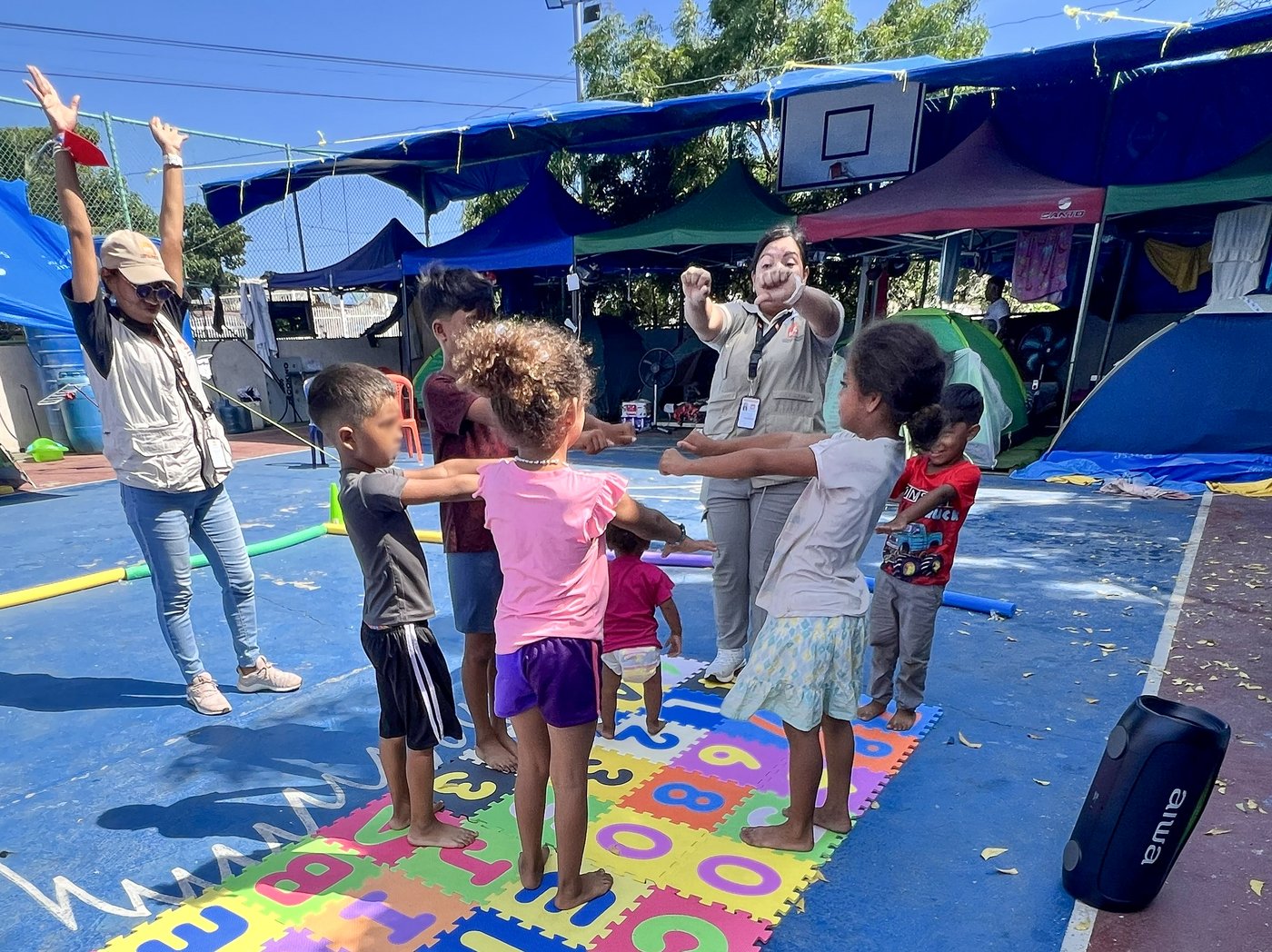
The need for psychosocial support is urgent.
"Many adolescents told us how much they miss school,” says Elena Vicario, country director at NRC Venezuela. “Some even asked our colleagues if they could give them math lessons. It showed how eager they are to keep learning and regain a sense of normality."
We are scaling up psychosocial support for children and adolescents, alongside education activities and teacher training, to help restore routines and emotional stability.
Looking ahead
The next phase of our response shifts from emergency relief toward longer term recovery.
We plan to strengthen shelter support, with a focus on privacy, lighting and protection.
Finally, we will focus on water storage infrastructure, hygiene promotion campaigns, continued menstrual hygiene support, and measures to reduce disease risk across shelters and displacement sites.
We will do so, as always, in coordination with the authorities, complementing their efforts and being guided by the principles of neutrality and impartiality.
“As displacement becomes more protracted, and the days turn into weeks, I have seen families beginning to organise daily life in temporary shelters, but we need to remember this is only a temporary solution” says Beatriz.
Communities are already doing their part and standing together. The international community needs to do theirs.
Recovery will take years and will require multi-year funding, additional to the resources that were running thin.
