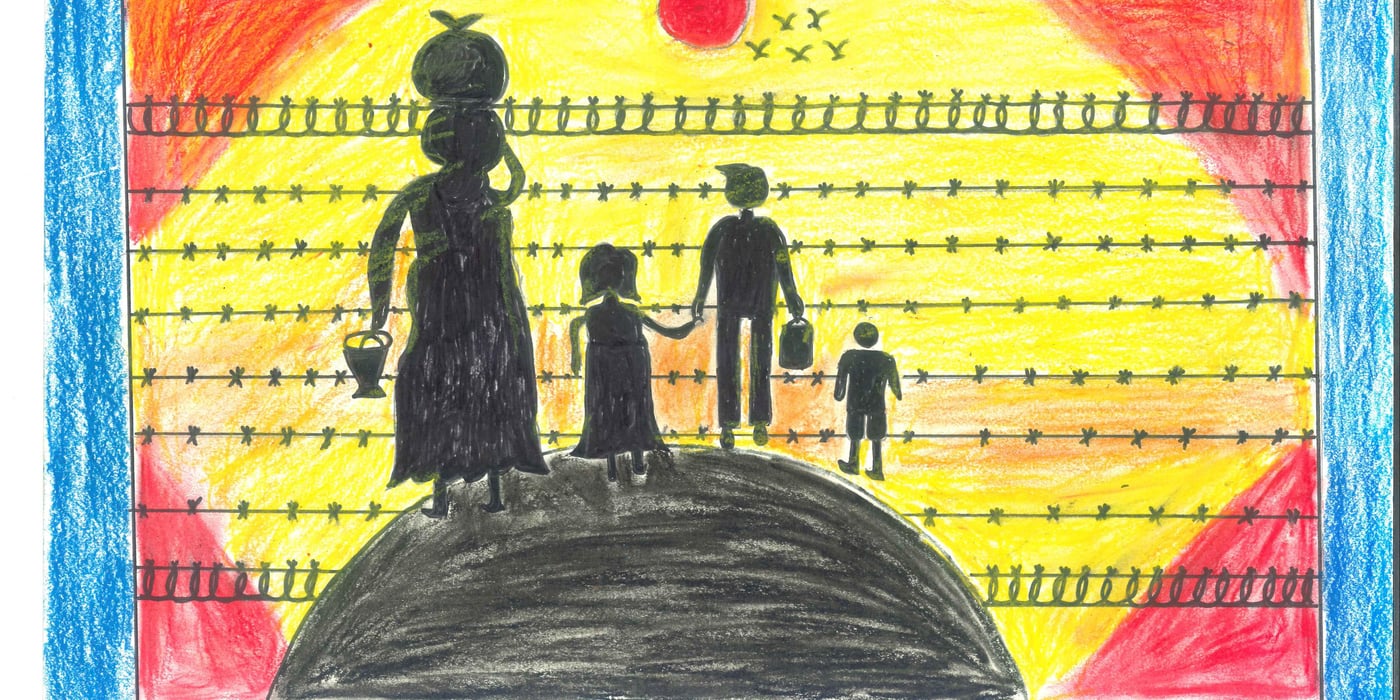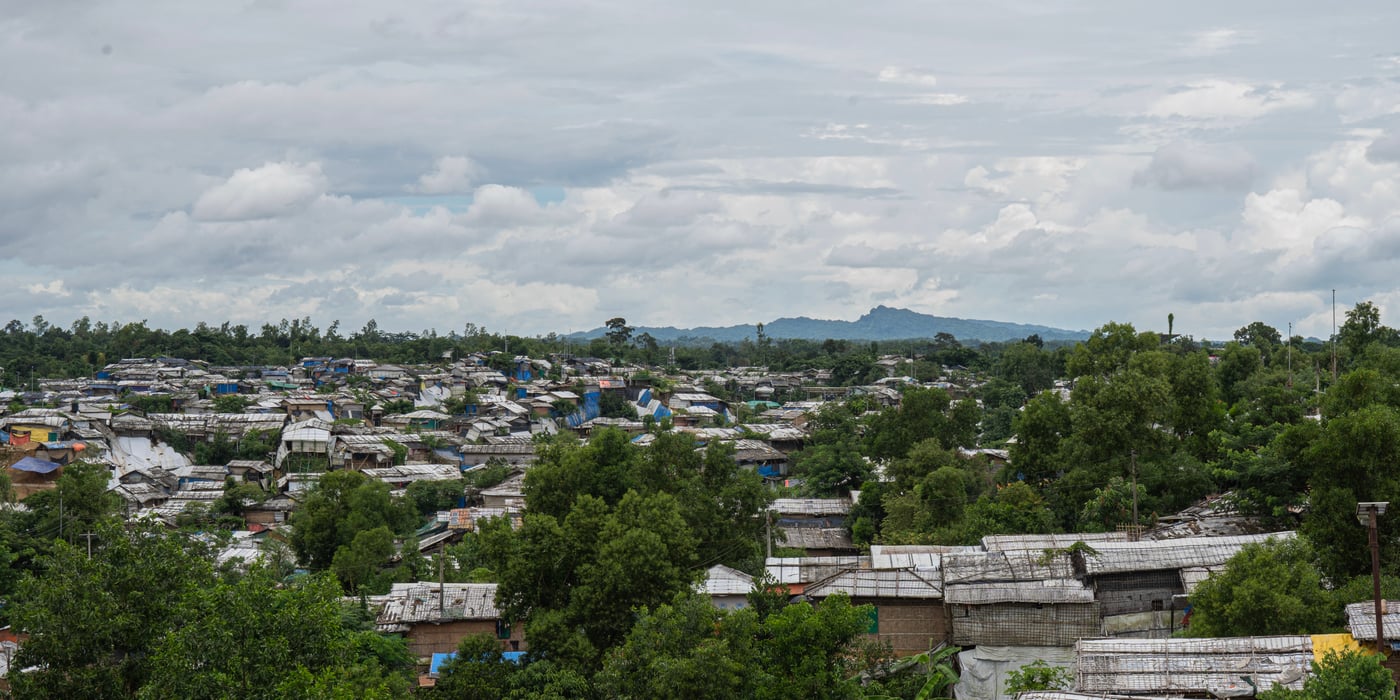

Over a million Rohingya refugees have fled violence in Myanmar and settled in Cox’s Bazar, Bangladesh, which now hosts one of the largest and most overcrowded refugee camps in the world.
NRC in Bangladesh
The Norwegian Refugee Council (NRC) helps provide clean drinking water and sanitation, education programmes, emergency preparedness, as well as vital information and legal counselling for both refugees and Bangladeshi host communities. In total, our support reaches over 155,000 people each year.
What’s happening in Bangladesh?
Cox’s Bazar is one of the largest and most densely populated refugee settlements in the world, hosting more than 1.2 million refugees, most of them Rohingya people who fled persecution in neighbouring Myanmar.
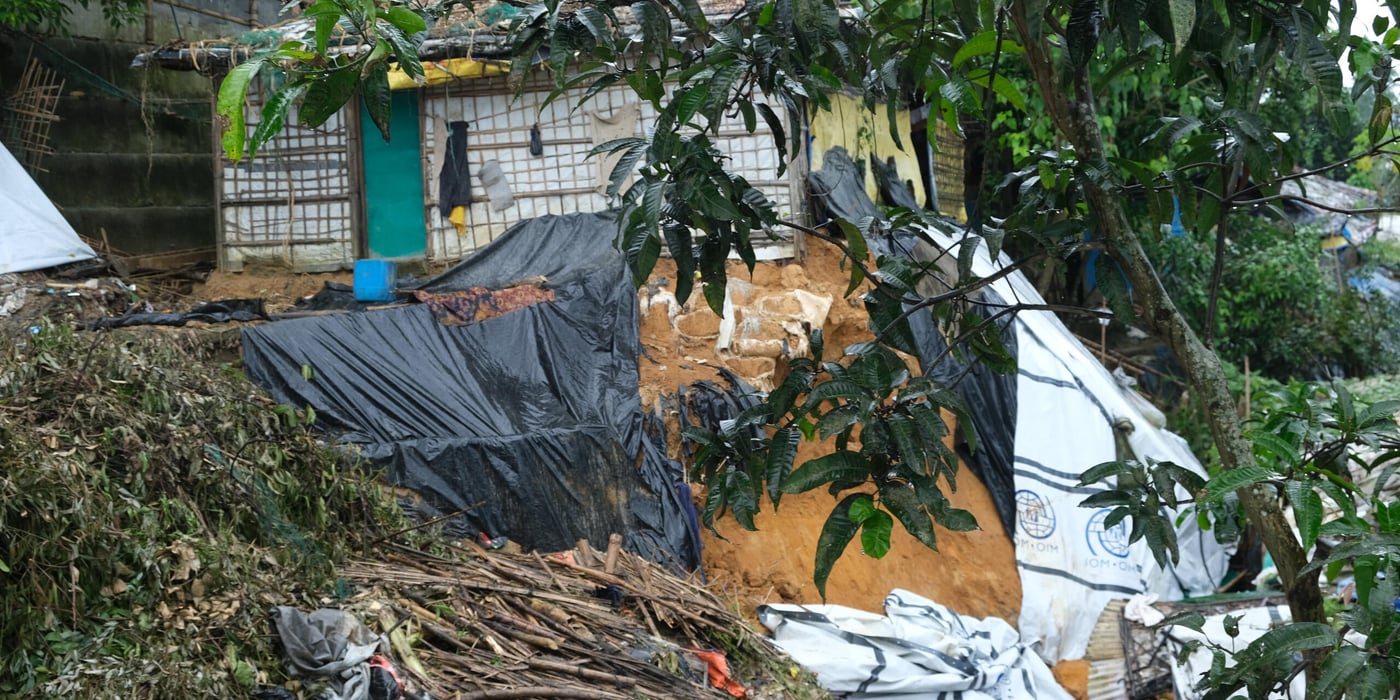
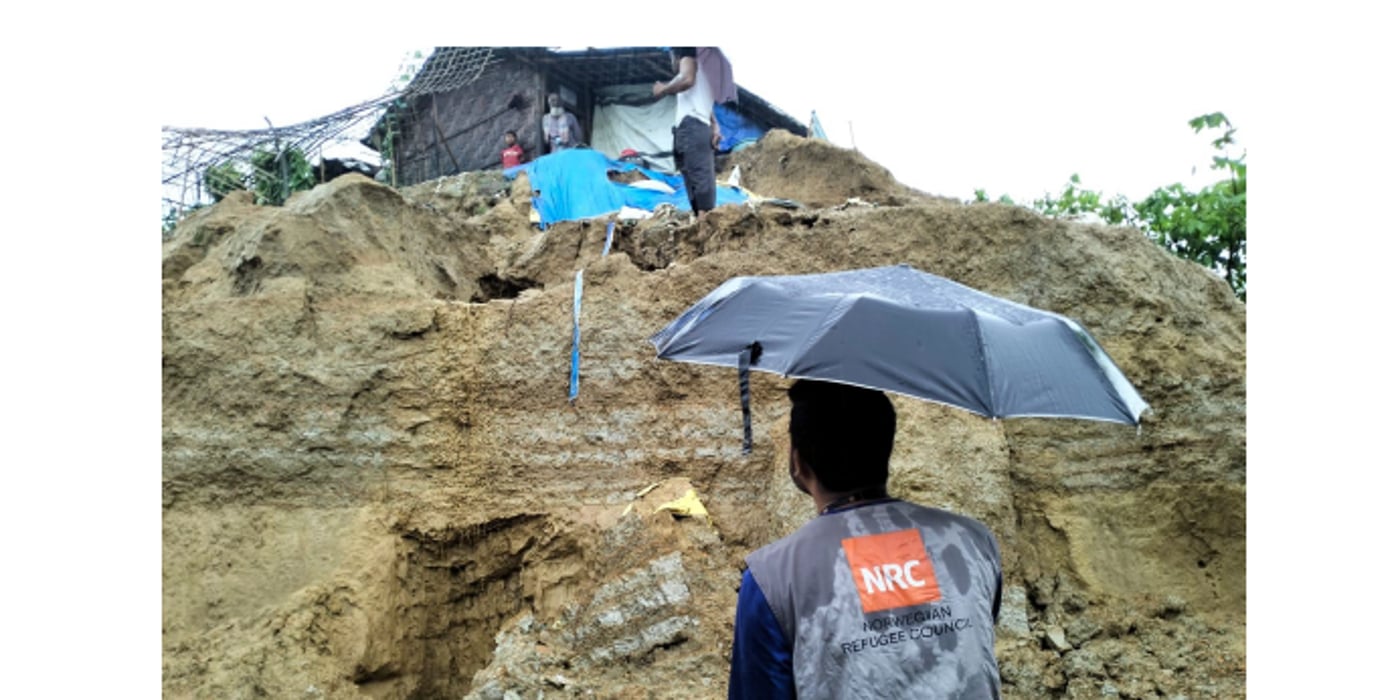
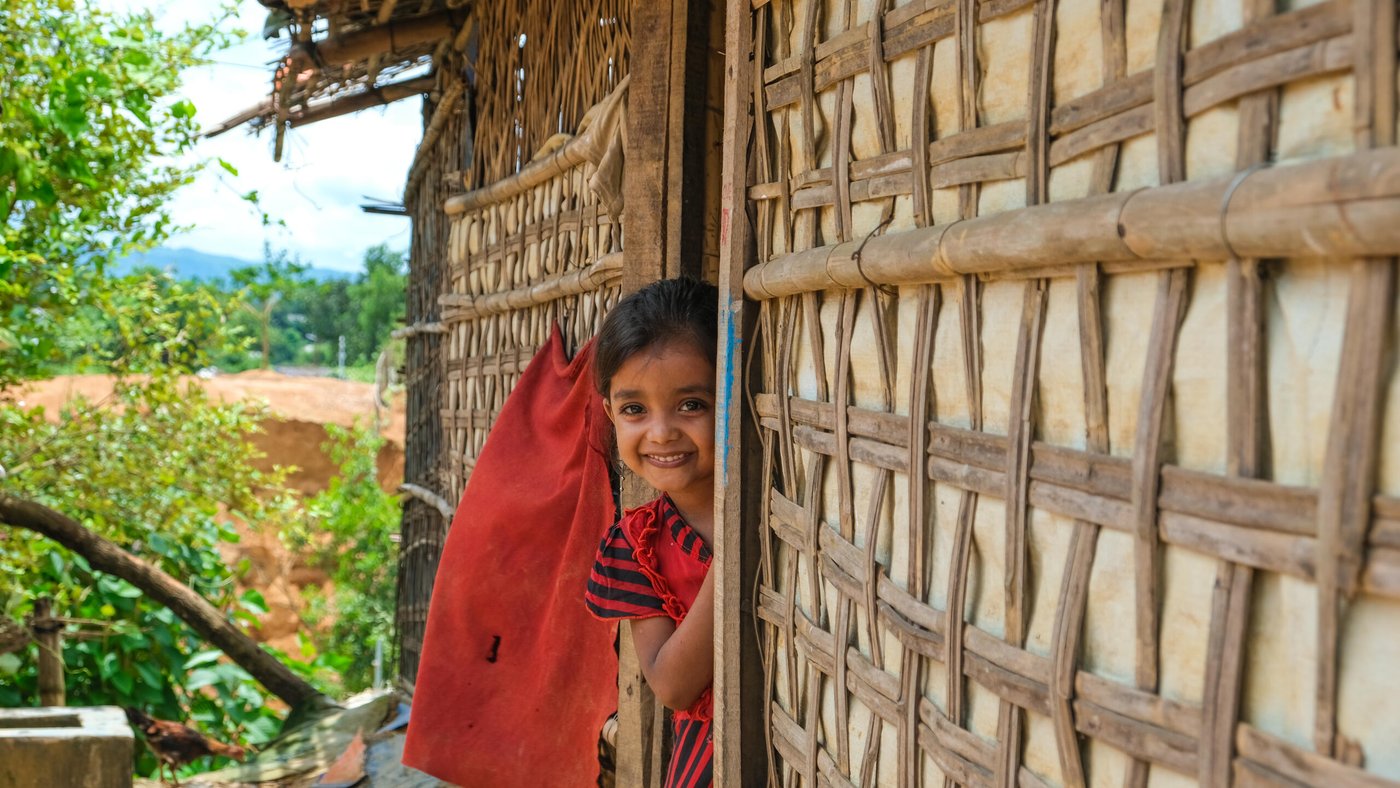
Infrastructure in these congested camps is ageing and overstretched, with flimsy bamboo shelters perched precariously on land prone to flooding, landslides and cyclones. Families have limited access to essential services, such as clean water, sanitation, healthcare and education. Despite repeated efforts, refugees lack formal legal status in Bangladesh, and statelessness limits their ability to move freely, support themselves and access essential services and long-term protection.
Security risks are also growing, including gender-based violence, exploitation, trafficking and forced recruitment. Tensions and insecurity in parts of the camps can restrict humanitarian access and make it harder for people to move safely or access support.
The Bangladeshi host community in Cox’s Bazar also face significant social, economic and environmental pressures, as strain on local resources, infrastructure and livelihood opportunities has deepened over time.
Our response
We’re working with our partners in the following areas:
-
Water, sanitation and hygiene – providing safe water sources and sanitation facilities, and promoting waste and personal hygiene management.
-
Education – providing formal and informal learning, teacher training, life skills sessions, skills development, and psychosocial support.
-
Protection from violence – helping people reduce risks linked to violence, coercion, deprivation and exploitation, while supporting communities to strengthen their own safety and resilience.
-
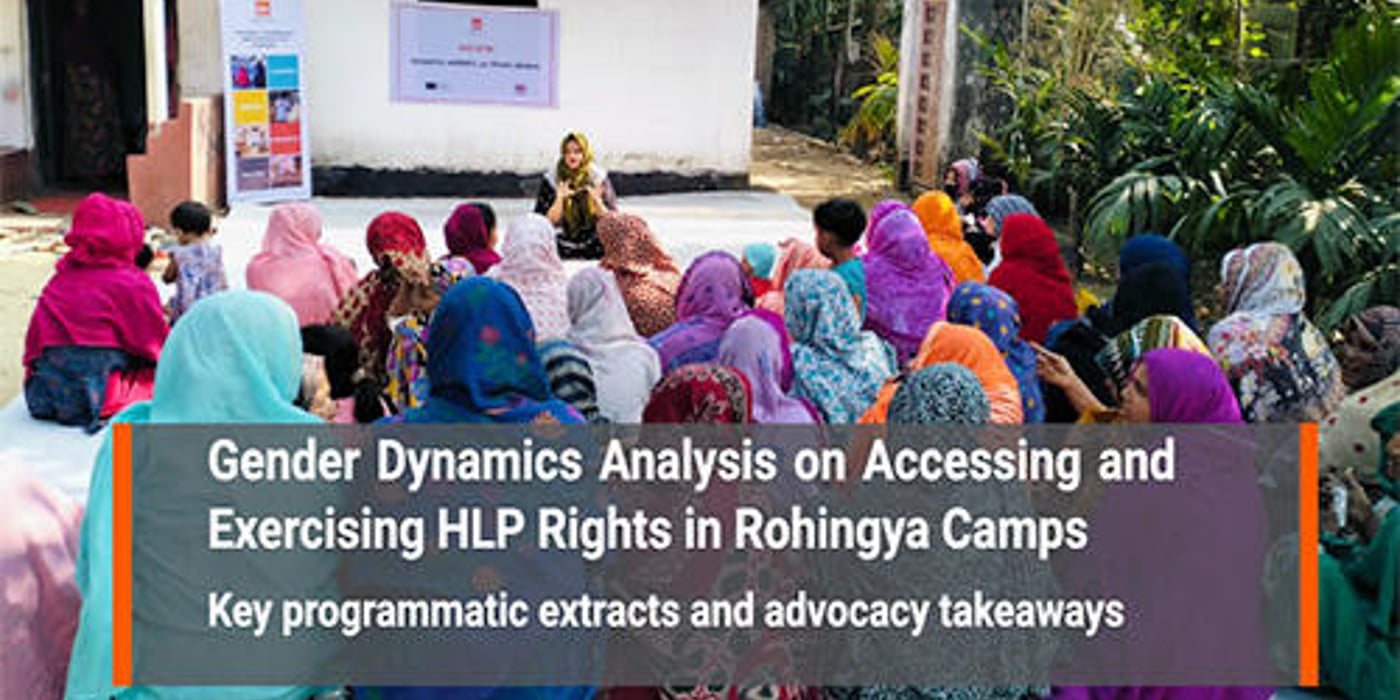
Information, counselling and legal assistance – helping refugees and host communities understand and claim their rights, access civil documentation, resolve disputes and address housing, land and property rights issues.
-
Emergency response – maintaining an emergency staff roster to provide cash assistance, hygiene, contingency supplies, shelter support and emergency awareness.

Our operations
NRC office established: 2018
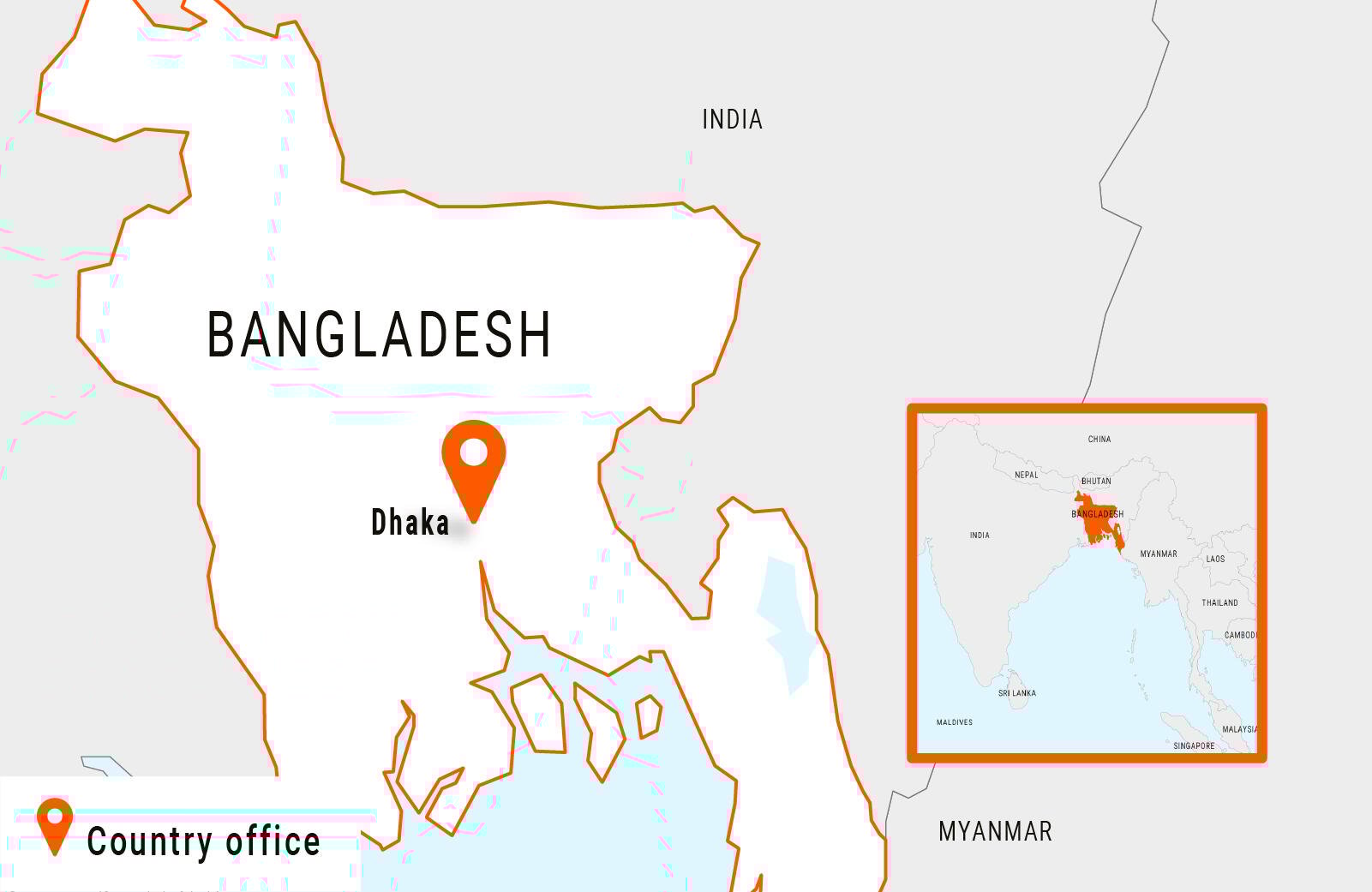
Areas of operation: Cox’s Bazar District, Khulna District, Feni District, Noakhali District, Satkhira District
Country Director: Dipankar Datta
Contact: bd.info@nrc.no
Our impact
In 2025, we assisted 156,340 people through our programmes in Bangladesh:
-
8,957Education
-
5,943Shelter and settlements
-
3,665Protection from violence
-
60,694Information, counselling and legal assistance
-
78,302Water, sanitation and hygiene
-
3,322Multi-purpose cash assistance
Note: some people received more than one type of assistance.