

As Rohingya refugees enter a tenth year of displacement, protection risks in the camps of Cox's Bazar remain deeply entrenched. Safety, dignity, and the possibility of a future cannot be postponed until conditions for return exist.
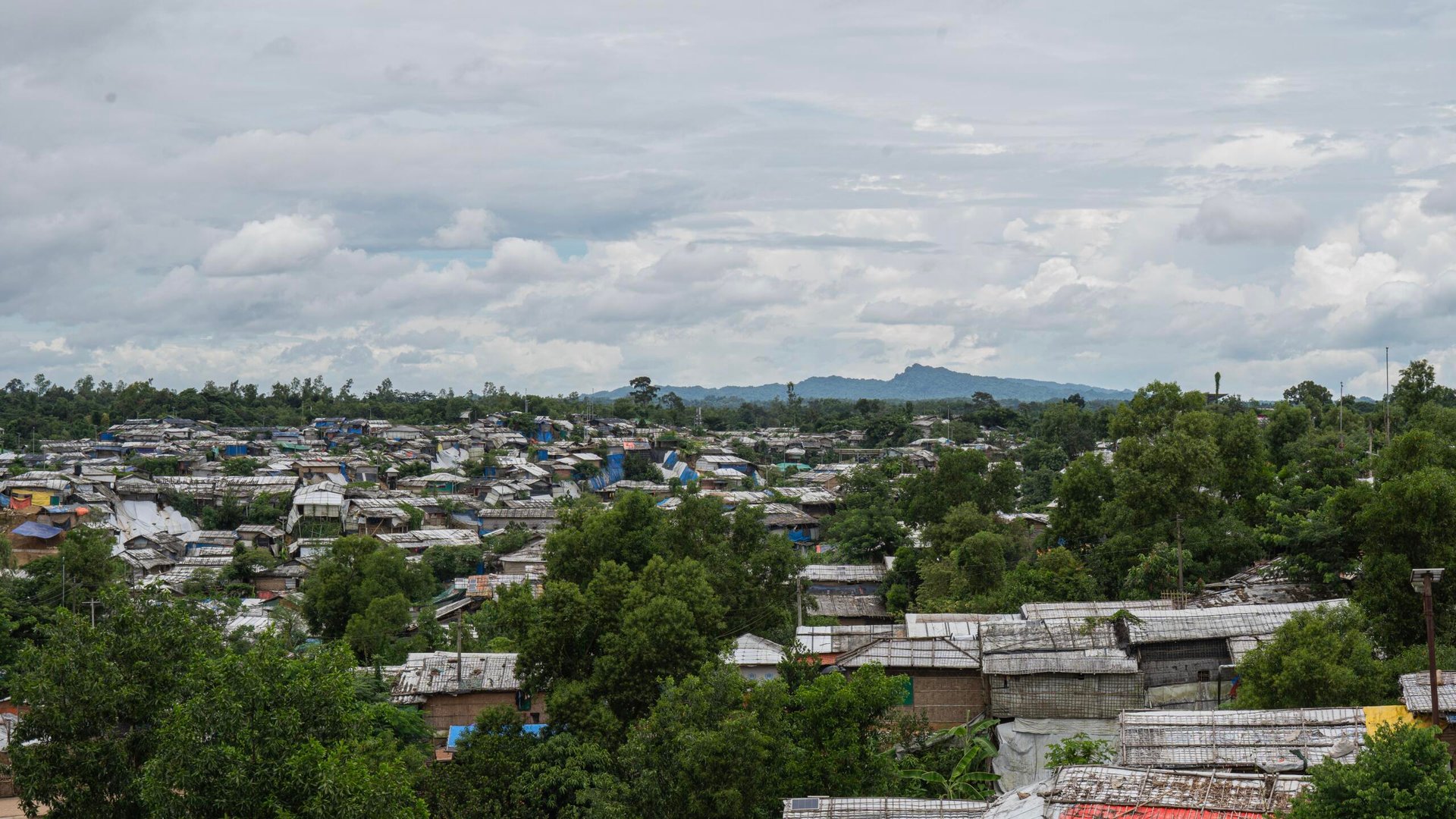
On 25 August 2026, Rohingya refugees will enter their tenth year of displacement following the mass exodus in 2017. For nine years, Bangladesh, humanitarian organisations, and donors have sustained one of the world's largest refugee responses. Yet the risks facing Rohingya refugees remain severe, persistent, and increasingly entrenched.
Being unsafe has become part of everyday life
For many Rohingya refugees, insecurity is not confined to exceptional moments of crisis, as safety and security has remained the leading reported protection concern for 12 consecutive quarters.
According to the Protection Sector data, between January and March 2026, a total of 455 serious security incidents affecting 832 Rohingya refugees were documented across the 33 camps and Bhasan Char, 40 per cent more than in the previous quarter.
Protection Consortium monitoring reinforces the persistence of the trend. Safety and security remained the leading reported protection concern for a twelfth consecutive quarter, and abduction or disappearance remained the most commonly recorded safety and security incident.
Organised criminal and armed groups were recorded as the principal perpetrator category in 53 per cent of safety and security incidents in Consortium monitoring. Fear of retaliation from these groups can also deter refugees from seeking help until incidents have escalated.
Women and children continue to face serious protection risks
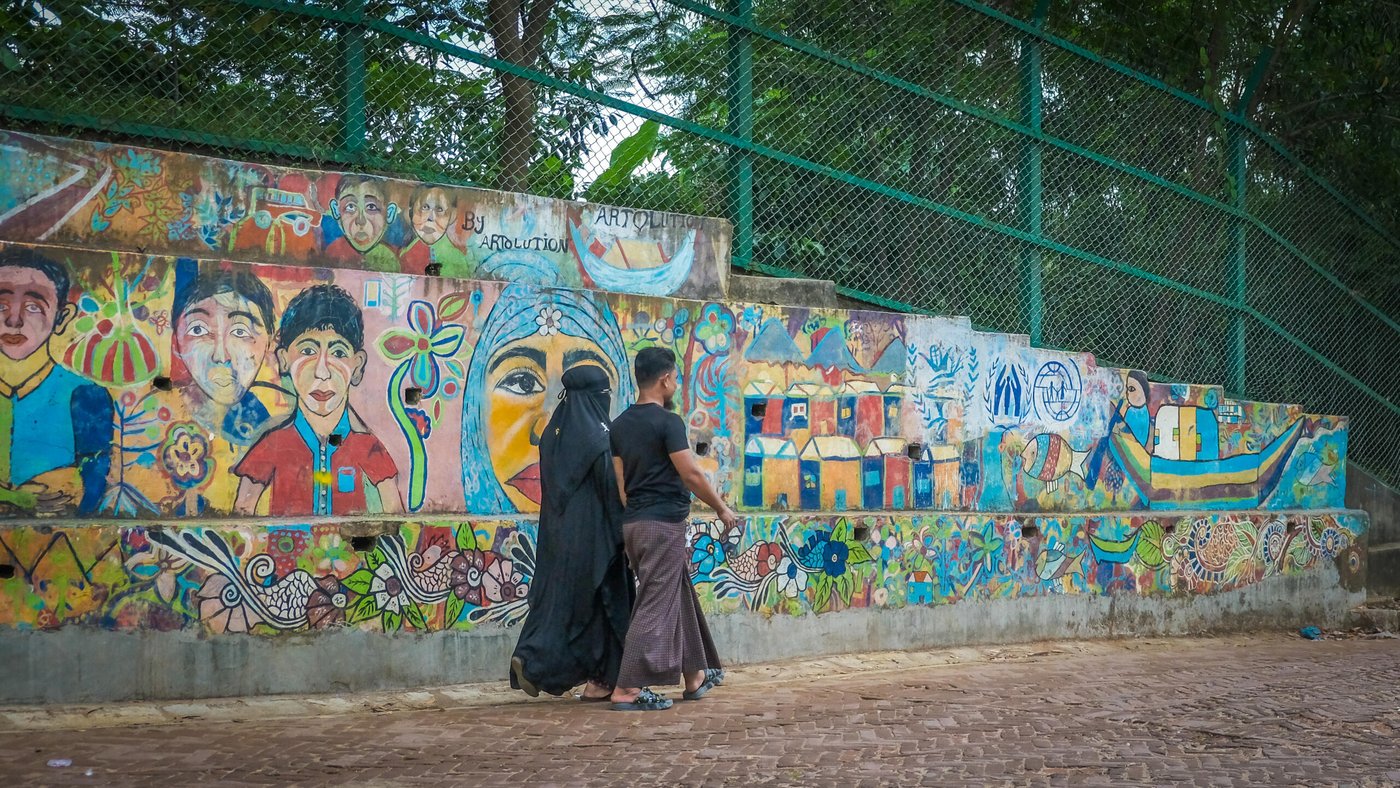
Gender-based violence (GBV) remains another major concern. According to the Protection Sector data, physical violence accounted for 52 per cent of reported GBV cases, while intimate partner violence accounted for 73 per cent. Ninety-one per cent of reported GBV incidents occurred in the survivor's residence.
The same report recorded 816 children affected by serious child rights violations. Abduction or kidnapping of children was the most frequently reported violation, followed by recruitment or use of children.
These risks intersect with barriers to accessing services, including for people with disabilities.
Disability cannot be an invisible protection risk
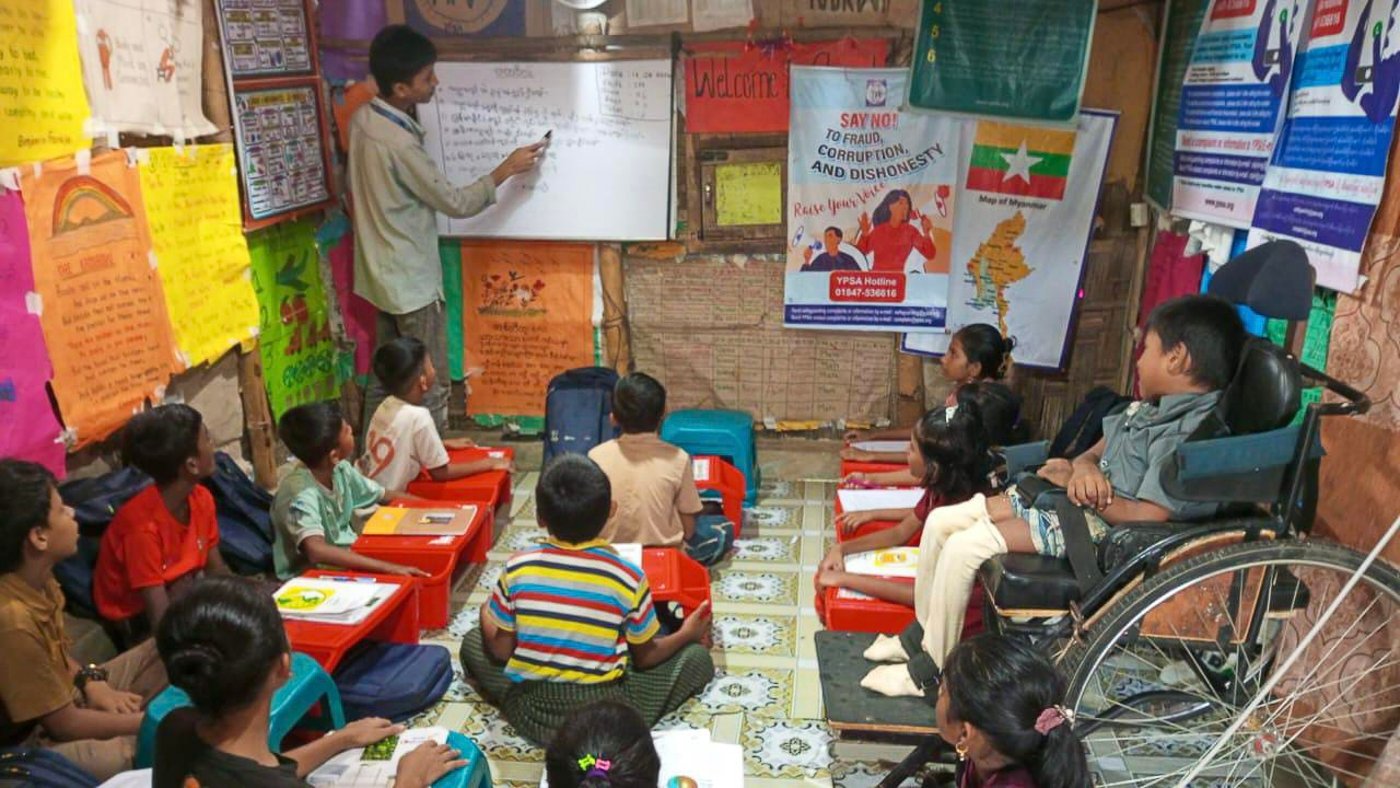
These protection risks are compounded for people with disabilities. HI's Disability Inclusion Sectoral Needs Analysis found that 79 per cent of people with disabilities reported challenges accessing humanitarian assistance, with inaccessible terrain, facilities, information, and communication creating barriers to reaching services and seeking support.
For women and girls with disabilities, these barriers can further heighten exposure to violence and restrict access to GBV and other protection services.
Dangerous journeys reflect a lack of safe alternatives
For some Rohingya, insecurity and limited opportunities are contributing to another serious protection risk: dangerous onward movement. Protection Sector monitoring (January–March 2026) found that 119 trafficking cases involving refugees were recorded, up from 99 in the previous quarter. Men accounted for 61 per cent of identified victims, 32 children were identified, and 28 per cent of victims were reportedly trafficked outside Bangladesh, mainly to Malaysia.
According to the Protection Consortium data (March–May 2026), smuggling or trafficking accounted for 59 per cent of recorded population movement incidents.
A tenth year needs more than an emergency response
Durable solutions must remain at the centre of the response to the Rohingya crisis. Voluntary, safe, dignified and sustainable return remains the preferred solution for many Rohingya refugees, but it cannot take place at scale until the conditions that forced displacement – and continue to prevent return – are addressed. Other pathways towards durable solutions, including greater self-reliance, access to education and livelihoods, and expanded opportunities beyond the camps, must therefore also be pursued.
Until durable solutions become possible, refugees should not be left in prolonged dependency or exposed to recurring protection risks. Sustained protection services, alongside meaningful opportunities to build skills, livelihoods and greater autonomy, are essential to preserving dignity and preparing refugees for future solutions.
Entering a tenth year of displacement should therefore prompt renewed political and humanitarian action towards durable solutions, rather than another year of managing the consequences of protracted displacement.
***
About the Protection Consortium
Through the Protection Consortium, the Danish Refugee Council (DRC), Handicap International - Humanity & Inclusion (HI), the International Rescue Committee (IRC) and the Norwegian Refugee Council (NRC) are working side by side to ensure that Rohingya refugees have access to protection, dignity and hope.
This work is made possible thanks to the generous support of European Union (EU) Humanitarian Aid and the UK Foreign, Commonwealth and Development Office (FCDO).