
Idalis and Yenifer don't know each other, but they have something in common: their children started school, and since then everything has changed for the better at home. The Norwegian Refugee Council (NRC) gave them and their school the support they needed.
Two homes enriched by education
Both mothers live in the Venezuelan state of Zulia, bordering Colombia. This is a complex area, where Venezuelans based in Colombia have recently been forced to return home due to the armed conflict in the Colombian region of Catatumbo.
The will to progress
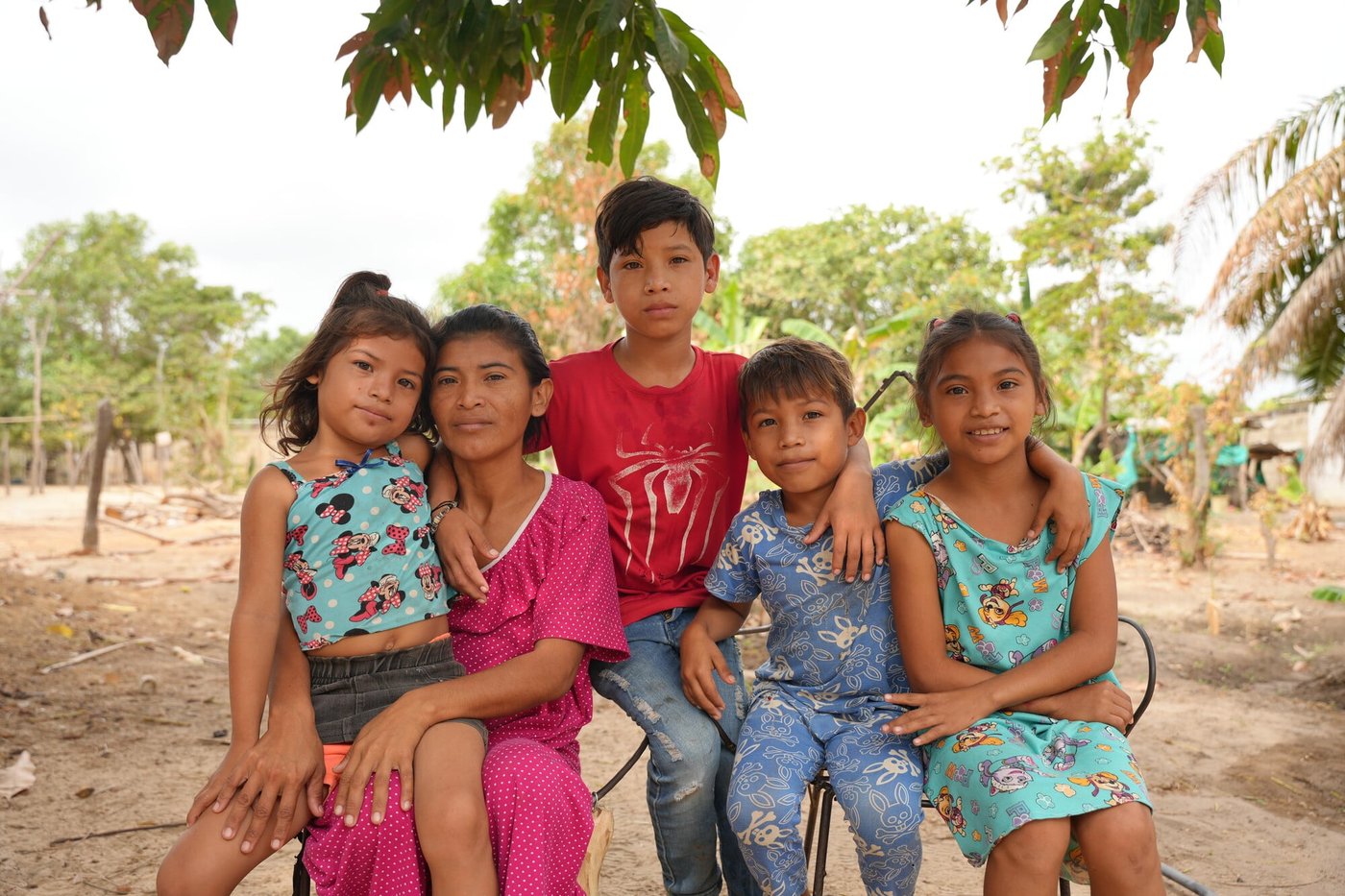
Idalis did not even have time to bring the identity documents of her four children when she fled Catatumbo at the end of 2025. Since the beginning of that year, fighting has intensified in this region of north-eastern Colombia. More than 100,000 people, the vast majority of whom are Colombians, have been displaced from their homes as a result.
Colombia’s largest humanitarian crisis of the last 30 years is also having an impact on the border areas of neighbouring Venezuela.
Idalis was born in the plains of Venezuela 28 years ago, but has spent the last few years in Colombia. Her three older children studied there until the family was forced to flee. However, it was not easy to return to Venezuela. "We came back and I didn't get help from anyone. I'm on my own," she says.
The house where Idalis now lives, in the oil-rich state of Zulia, is not hers. Someone lent it to her and her children. What is theirs, and cannot be taken away, is the joy and discipline they have built thanks to their school routine.
I feel proud that my children have entered school again.Idalis, mother of four
In their Venezuelan school, Idalis’s children never miss classes, always arrive on time, and behave well.
Edimar, 10, copies into his notebook everything that the teacher writes down on the blackboard. Lizandro, 8, prefers mathematical tasks. And Crismar, 6, stays at her desk until the recess bell rings.
"I feel proud that my children have entered school again and can continue their studies," says Idalis. NRC's school motivation programme has been key to this.
This programme takes place in border communities facing complex challenges. Through it, we identify children and adolescents who have not attended school or who have dropped out, and work to strengthen their motivation and learning skills.
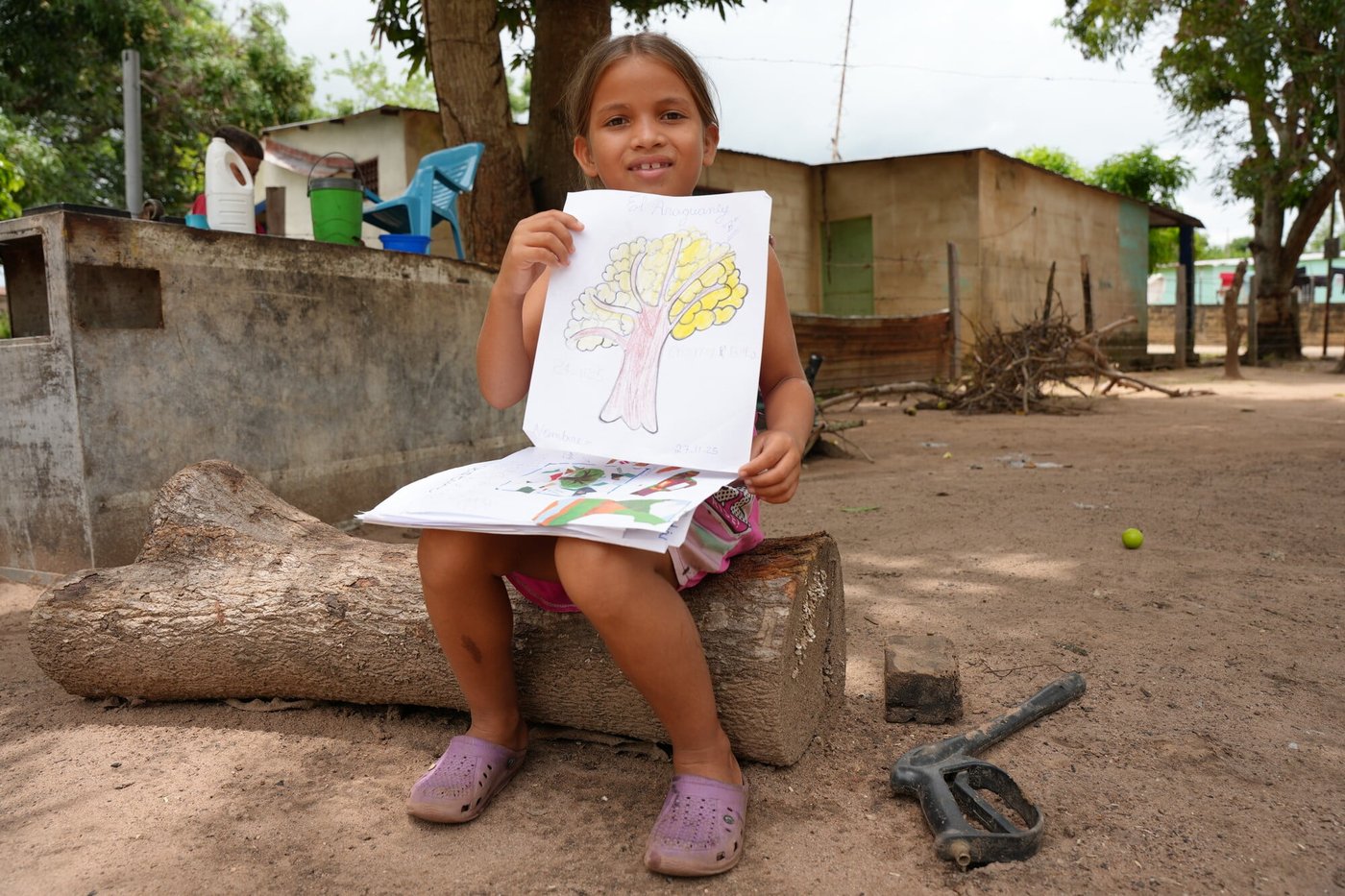
What the children needed
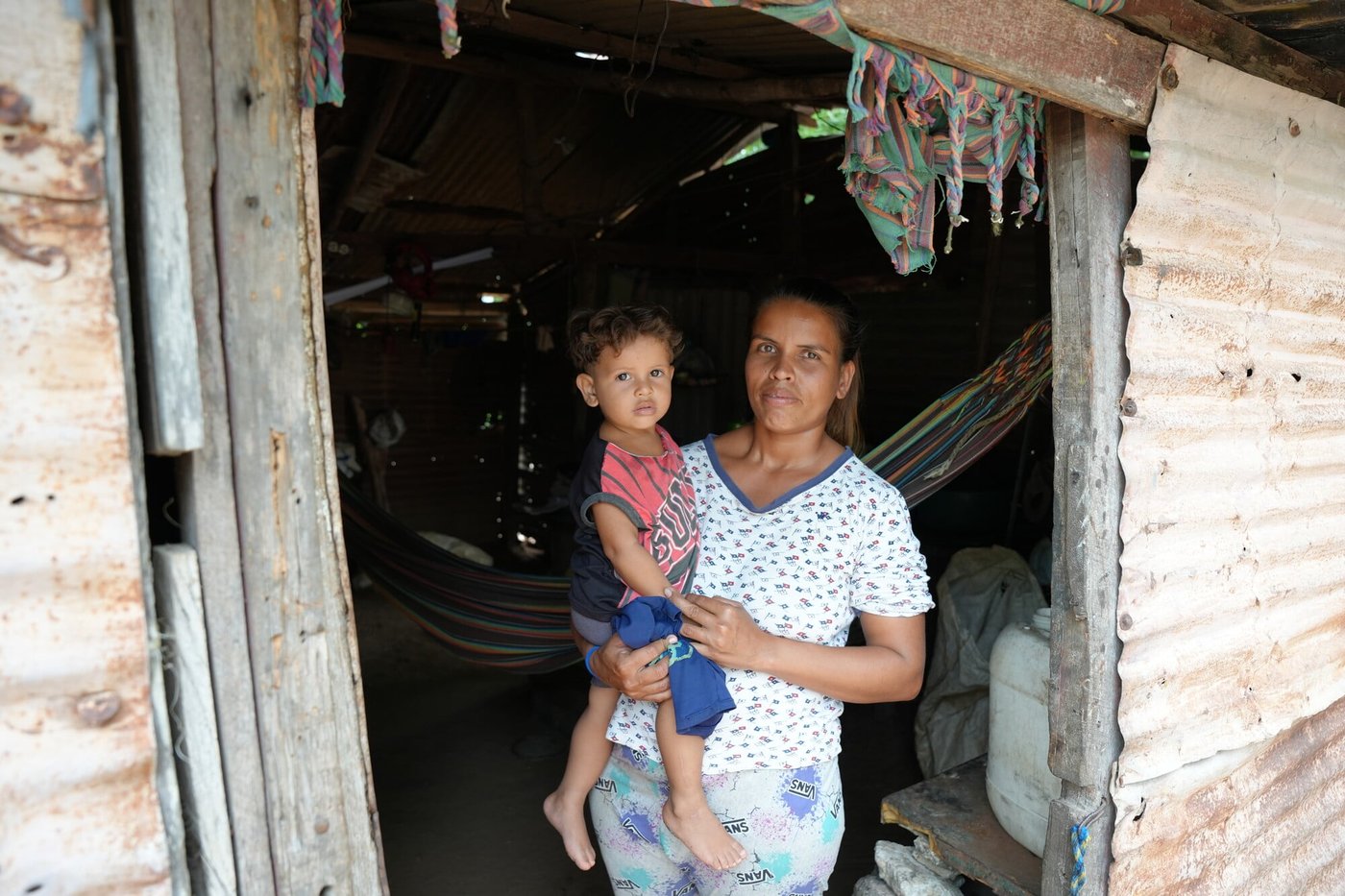
Yenifer is a single mother of six. However, she was not sure how to enrol her children in school, and she did not have enough money to buy school supplies. She had prioritised working as a labourer to support her family.
NRC's school motivation programme got Yenifer excited. She accepted the offer of support. "When they started going to the sessions, they always came back very happy. They brought their first homework home, along with the snacks they were given," she says.
I wanted to help children to have an education.Marianny, community volunteer
Marianny is a community volunteer trained by NRC to help develop the programme. "I wanted to help children to have an education. The experience was very nice. The children I worked with were eager to study," she says.
Four of Yenifer's six children are of school age. For six weeks, Marianny gave them lessons on emotion management, study habits, basic academic skills, self-confidence, empathy, and planning for the future.
Afterwards, and in coordination with authorities, NRC supported the enrolment of Yenifer's children into the education system. They also received uniforms, backpacks, and the school supplies they needed.
"On the first day of school, I cried with happiness when I saw my children sitting at their desks in front of a blackboard," says Yenifer, still emotional. Jesús, 11, Anyineth, 10, Josuangel, 8, and Anyerlin, 7, shared the same excitement. They now love studying after getting to know the classroom for the first time.
With her children studying, Yenifer’s home lit up. Now they return home full of excitement, with new ideas. "That was what I needed, for my children to be able to achieve whatever they want," says their mother.
A comprehensive response
With the support of European Union humanitarian aid, NRC Venezuela has supported the school journeys of nearly 500 children and adolescents in Zulia and Bolívar states over the past two years, including Idalis's three children and Yenifer's four children. Through initiatives like the school motivation programme, we complement the efforts of the Venezuelan authorities to improve access to education.
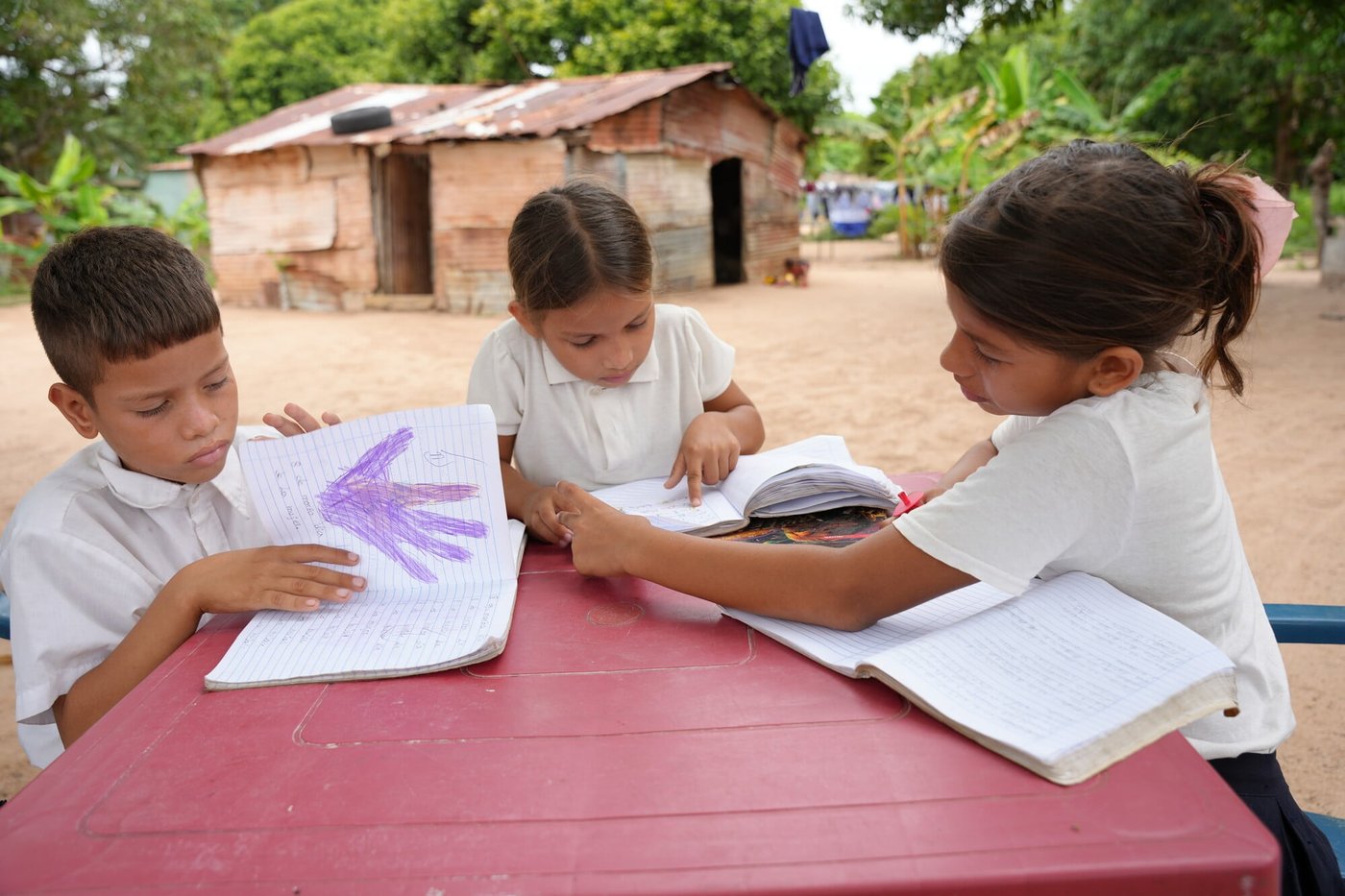
The provision of educational kits and school furniture, as well as training to help teachers develop their professional skills in more than 10 schools, have contributed to school retention and wellbeing.
At least 7.9 million people inside Venezuela have humanitarian and protection needs in 2026, including education challenges, according to UN figures.
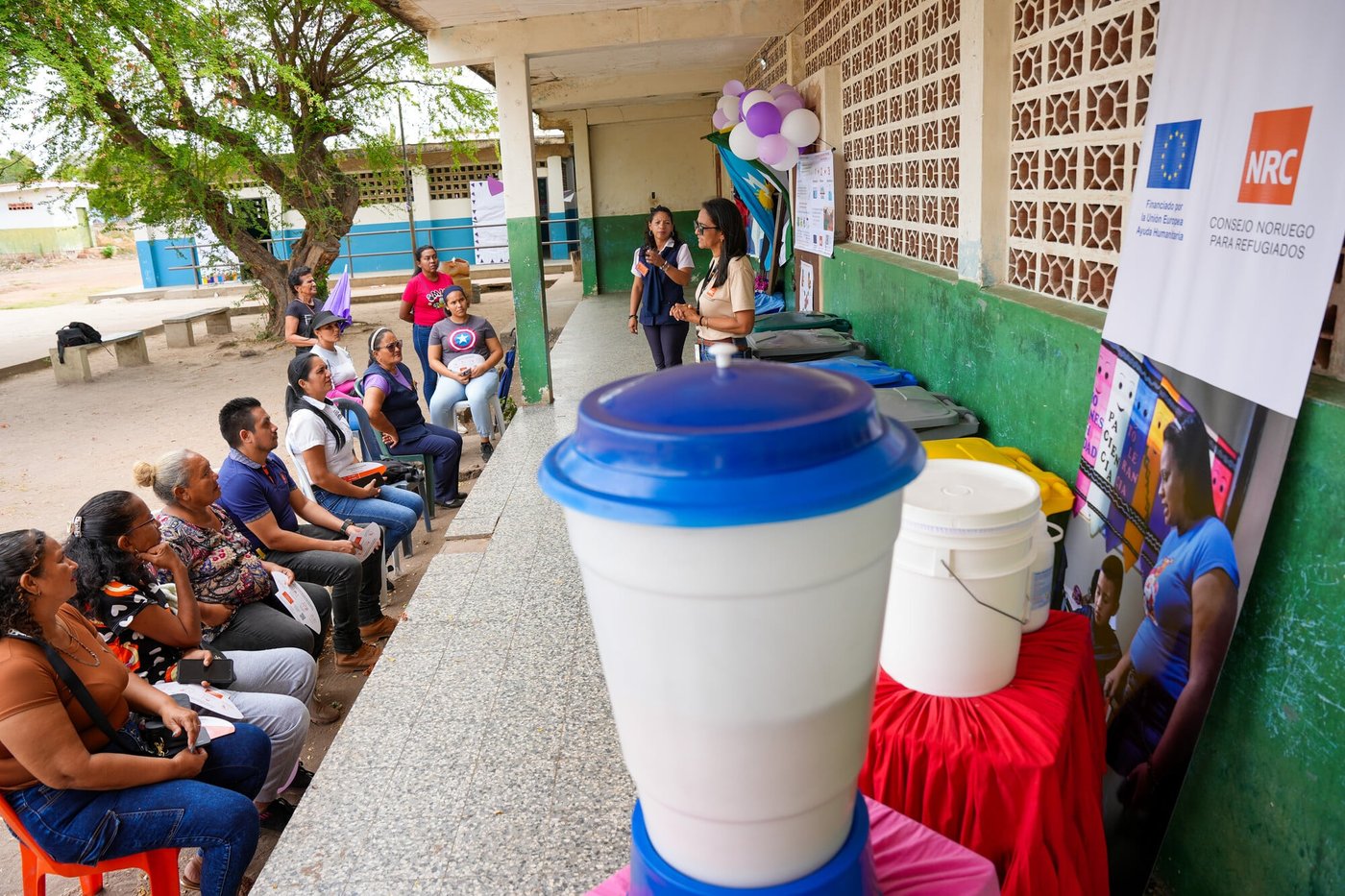
Alongside our education programme, we provide water, sanitation and hygiene solutions, support communities with information and legal assistance, and develop protection services. In 2025, more than 71,000 people in Venezuela received our support, under the principles of neutrality and impartiality.
Sign up to our newsletter to read more stories from around the world.
