

The Rohingya camps in Cox’s Bazar, Bangladesh stretch across steep, fragile hills where more than a million people live side by side. It is a place where space is limited, the environment is under pressure, and daily life is shaped by constant overcrowding.
Over time, waste became one of the issues people simply had to navigate. With more than 140 tonnes produced every day and very little room to manage it, the camps struggled.
Only about half of the households could bring their waste to the designated disposal points. The rest was left scattered across pathways, blocking drains, and creating health risks that always worsened during the monsoon.
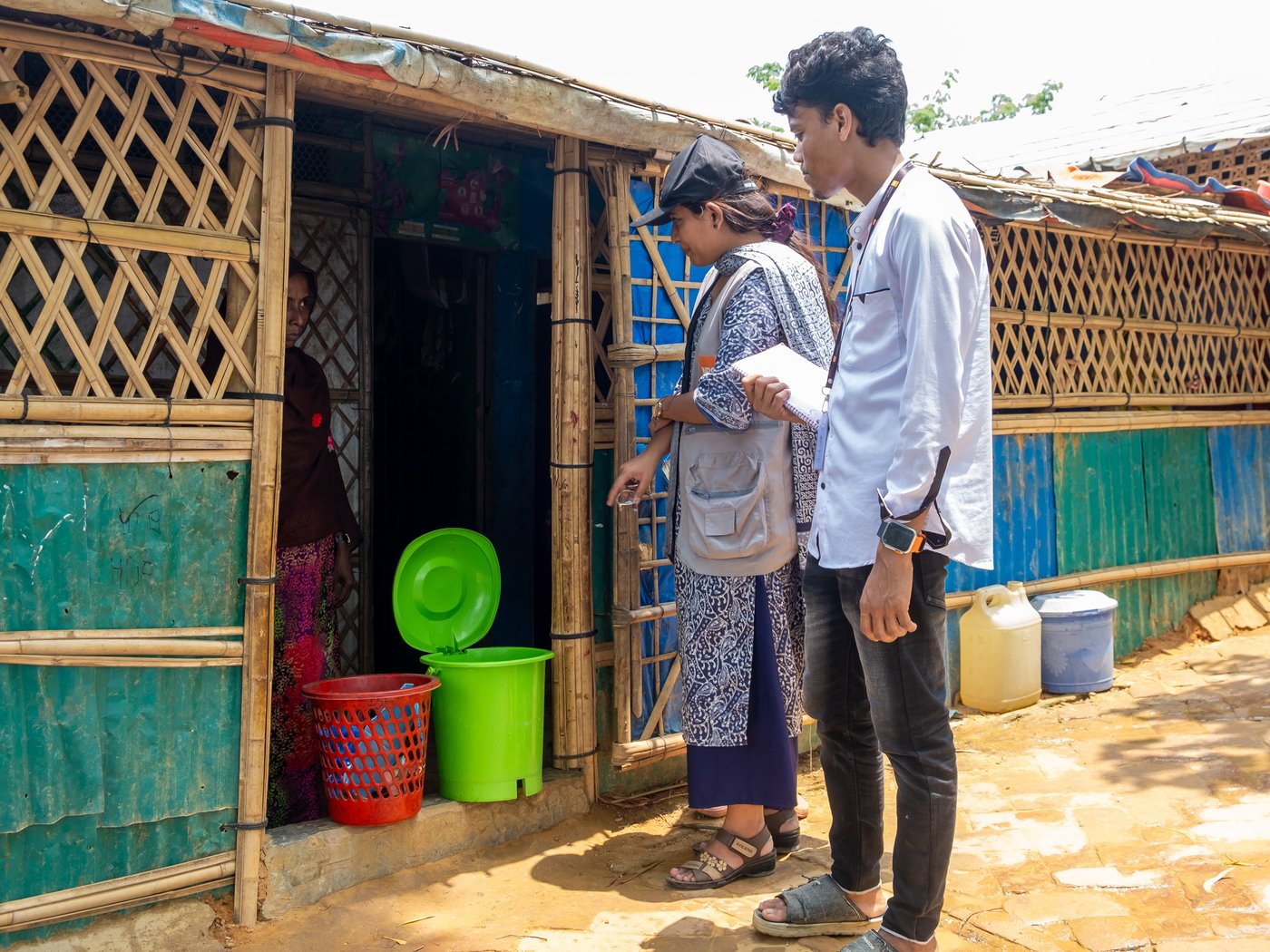
To respond to this growing challenge, the Norwegian Refugee Council (NRC) in Bangladesh introduced a community-based composting initiative as part of its water, sanitation and hygiene (WASH) programme. Every morning, community waste workers walked through Camps 13 and 19, collecting waste from more than 10,600 households.
What made the intervention meaningful was not only the door-to-door service, but the change in what happened next. Instead of sending organic waste to already strained disposal sites, NRC built a material recovery facility (MRF) inside the camps, creating a practical way to process biodegradable waste locally and safely.
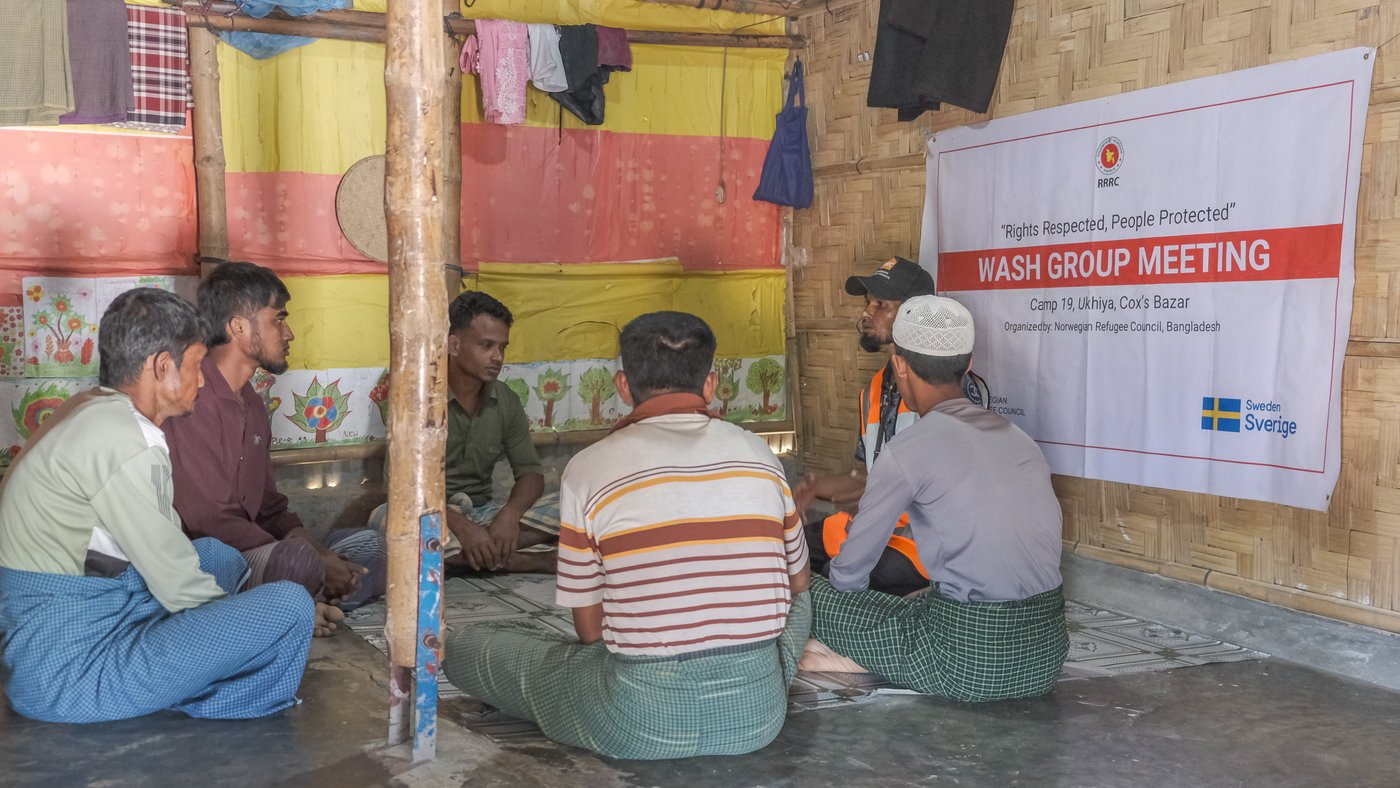
The composting process followed a simple but organised approach. Waste was sorted and shredded, then moved through several composting stages.
Only NRC-produced compost currently meets all the required standards under the WASH Sector and Bangladesh Fertilizer Act. Refugee youth and waste workers are trained to manage temperatures, aeration and moisture, and to carry out quality checks to ensure the compost meets national standards.
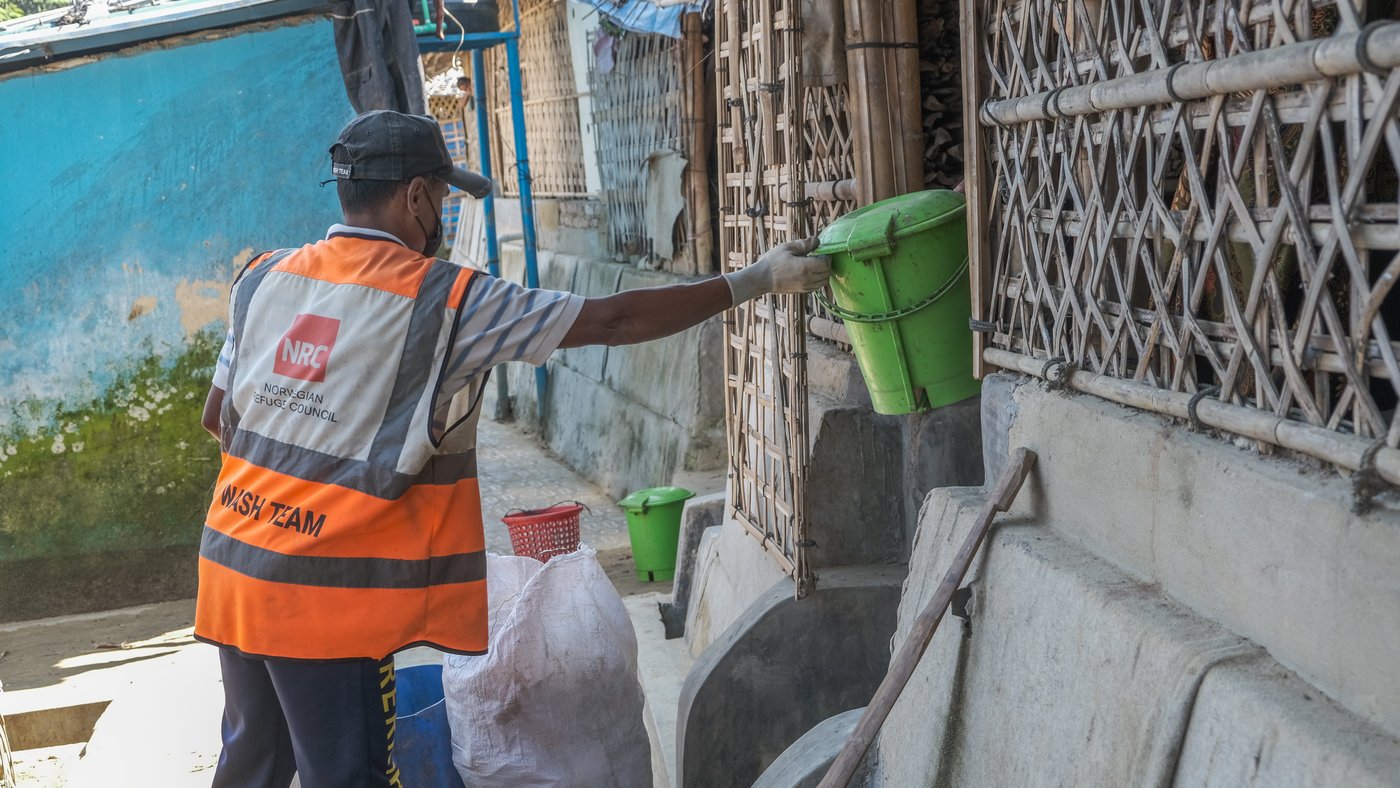
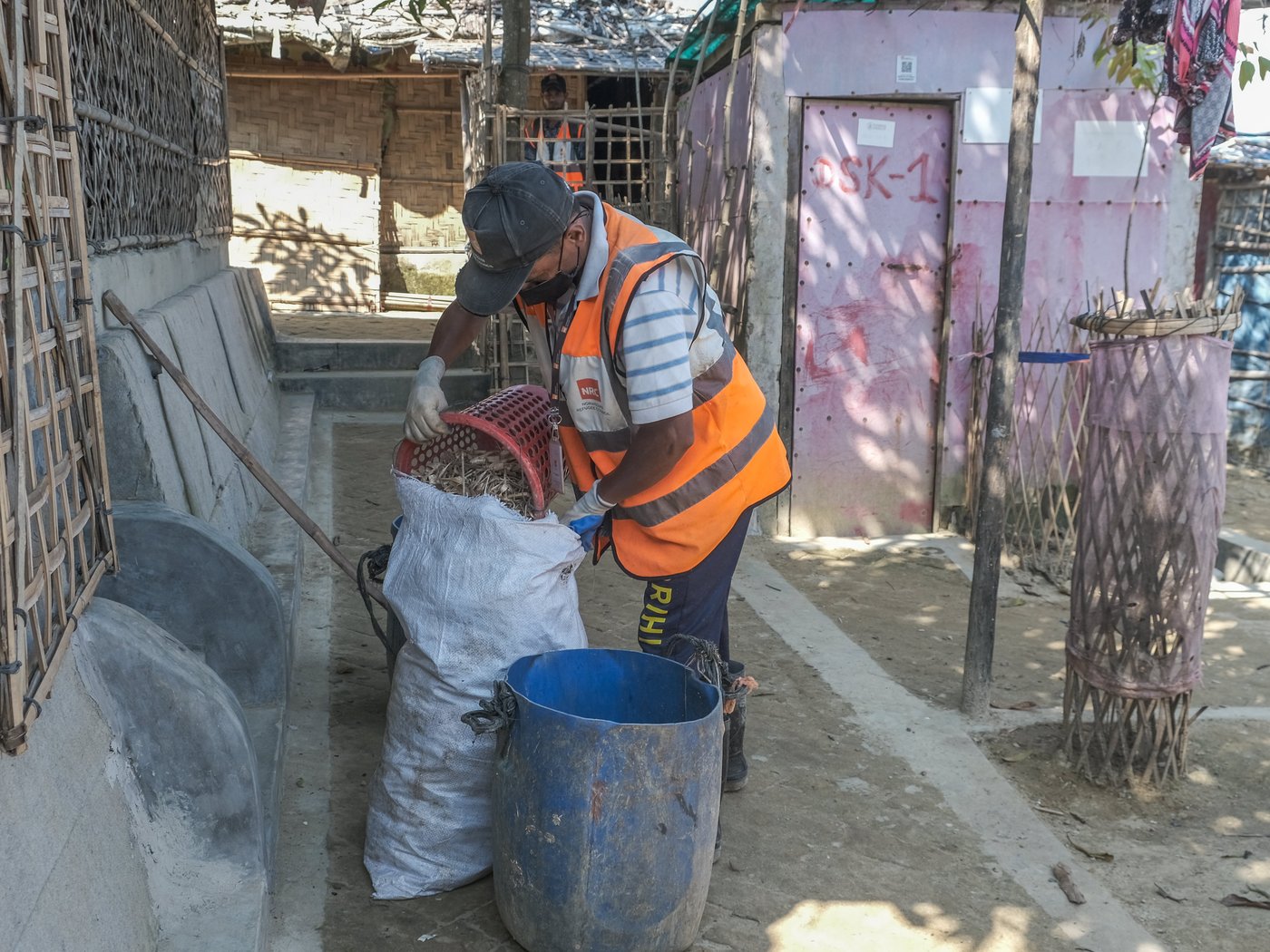
Slowly, what used to be considered waste turned into something useful. From about 30 tonnes of solid waste processed each month, the facilities now produce around four tonnes of compost, with room to increase production as capacity grows.
The compost is then distributed free of charge to refugee families and organisations like CARE, supporting small gardening initiatives and reducing reliance on chemical fertilisers.
The impact became visible in everyday life. As unmanaged waste decreased, the environment felt cleaner and more orderly. Drains coped better with heavy rains, families reported fewer flies and unpleasant smells, and public spaces became safer and more usable.
The environmental benefits were also significant: reduced methane emissions, less pressure on landfill sites, and improved soil quality for community gardens. Today, more than 54,000 people benefit from improved waste management services.
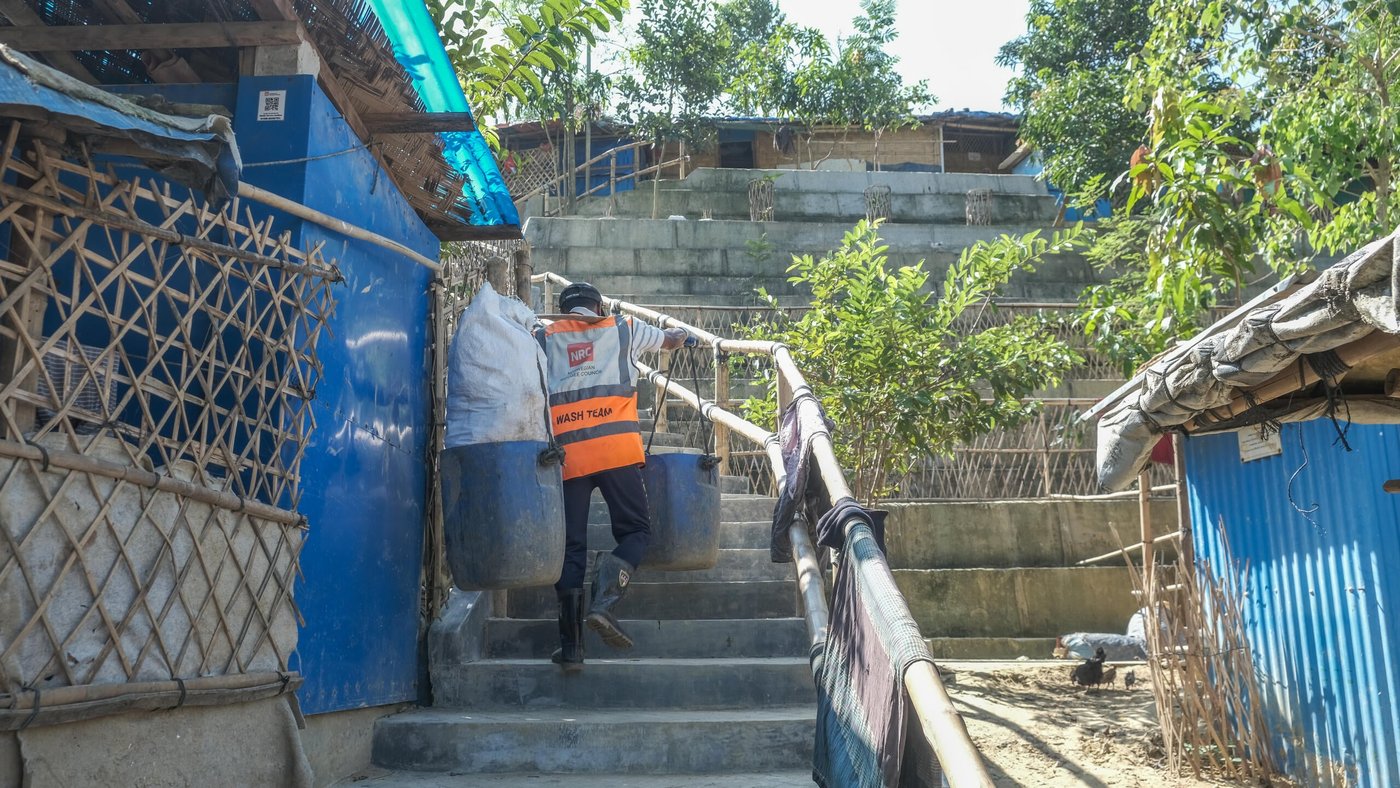
But beyond the environmental gains, this initiative brought something else: participation. Refugees were not only receiving a service, they were involved in creating it.
Young people gained practical skills, and waste workers developed a sense of ownership in keeping the camps clean. Even with limited resources, the community helped build a system that works and continues to grow.
The composting model in Cox’s Bazar shows that environmentally responsible waste management is possible in protracted displacement settings. It offers lessons that can be adapted to other refugee camps, as well as urban areas facing overcrowding, and humanitarian responses looking to reduce their environmental footprint.
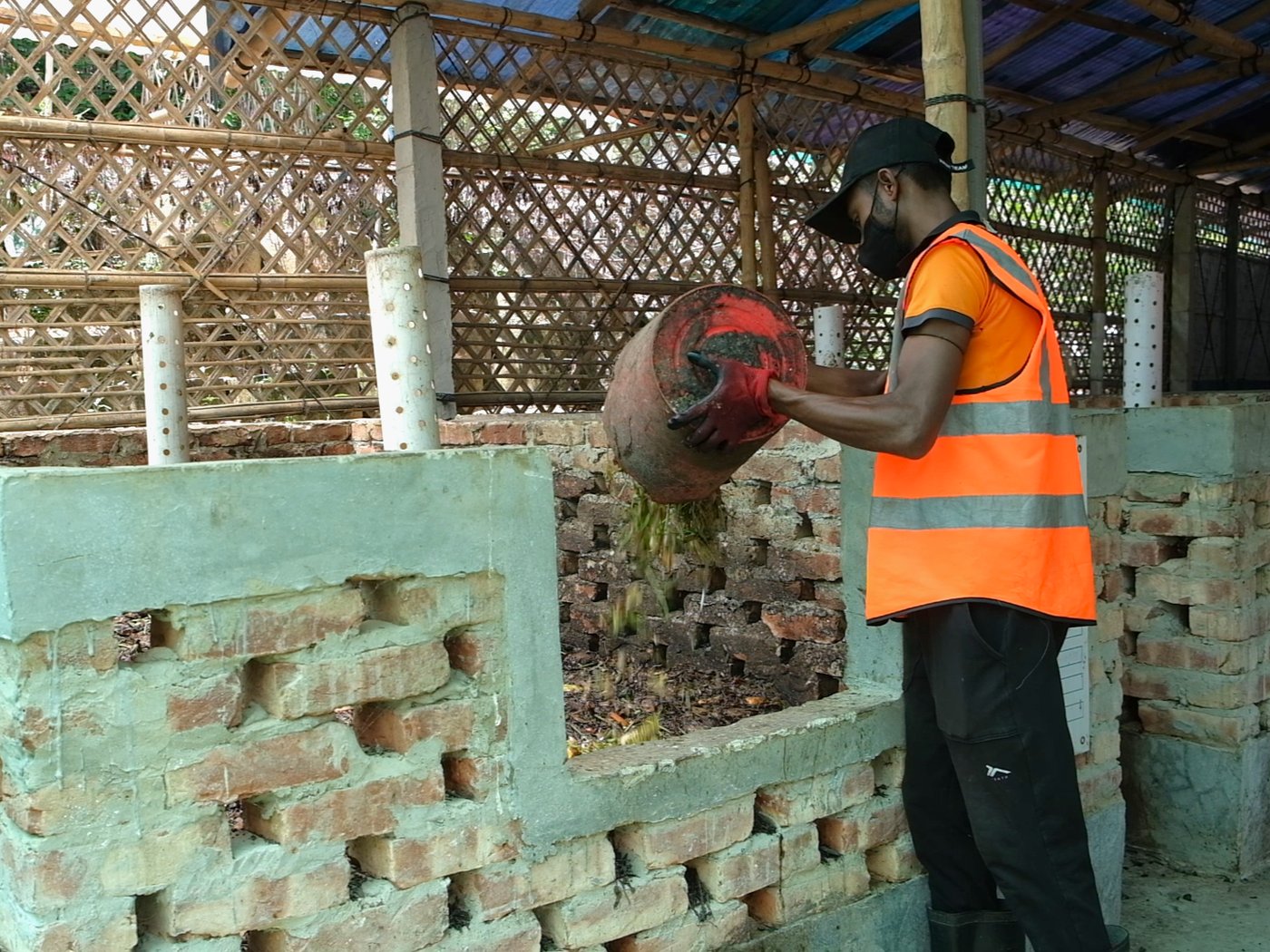
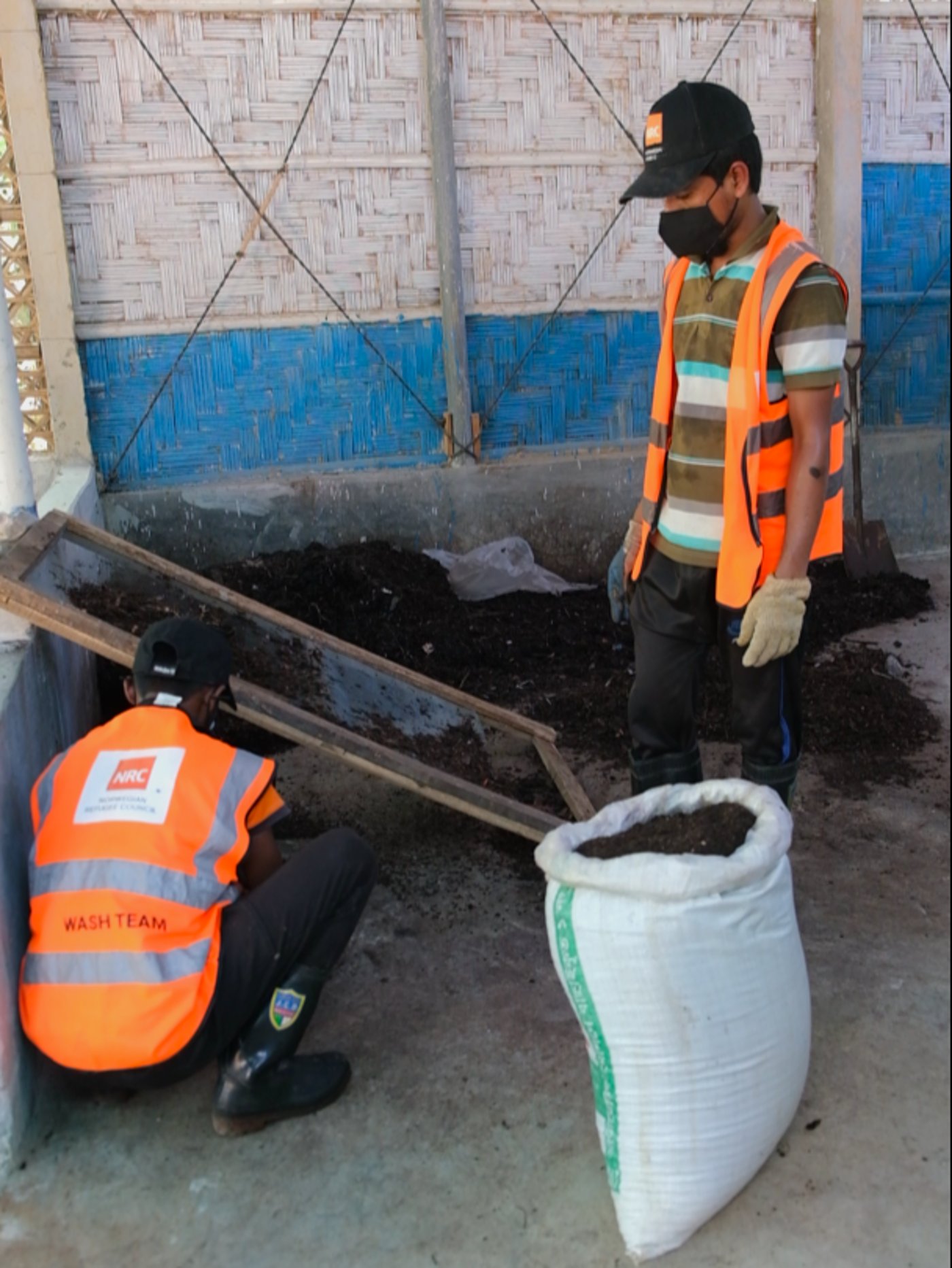
By turning organic waste into something that supports soil, agriculture and the environment, the initiative contributes to cleaner, safer surroundings and aligns with NRC’s climate and environmental commitments.
In a place often defined by crisis, this quiet shift tells another story: one of adaptation, small victories, and resilience. It shows how something once seen as a problem can become a resource, how risk can be reduced through simple, community‑led solutions, and how meaningful change is possible even in the most challenging conditions.
This story features a project from NRC’s Water, Sanitation and Hygiene (WASH) programme in Bangladesh. The programme is supported by the Norwegian Agency for Development Cooperation (Norad), and the Swedish International Development Cooperation Agency (Sida).
Sign up to our newsletter to read more stories from around the world.
