
As Ebola spreads through the eastern parts of the Democratic Republic of the Congo, the Norwegian Refugee Council (NRC) is helping communities protect themselves. But in places where people live crowded together, without enough water, toilets or healthcare, even the most basic precautions can be difficult.
Fighting Ebola where water and safety are hard to find
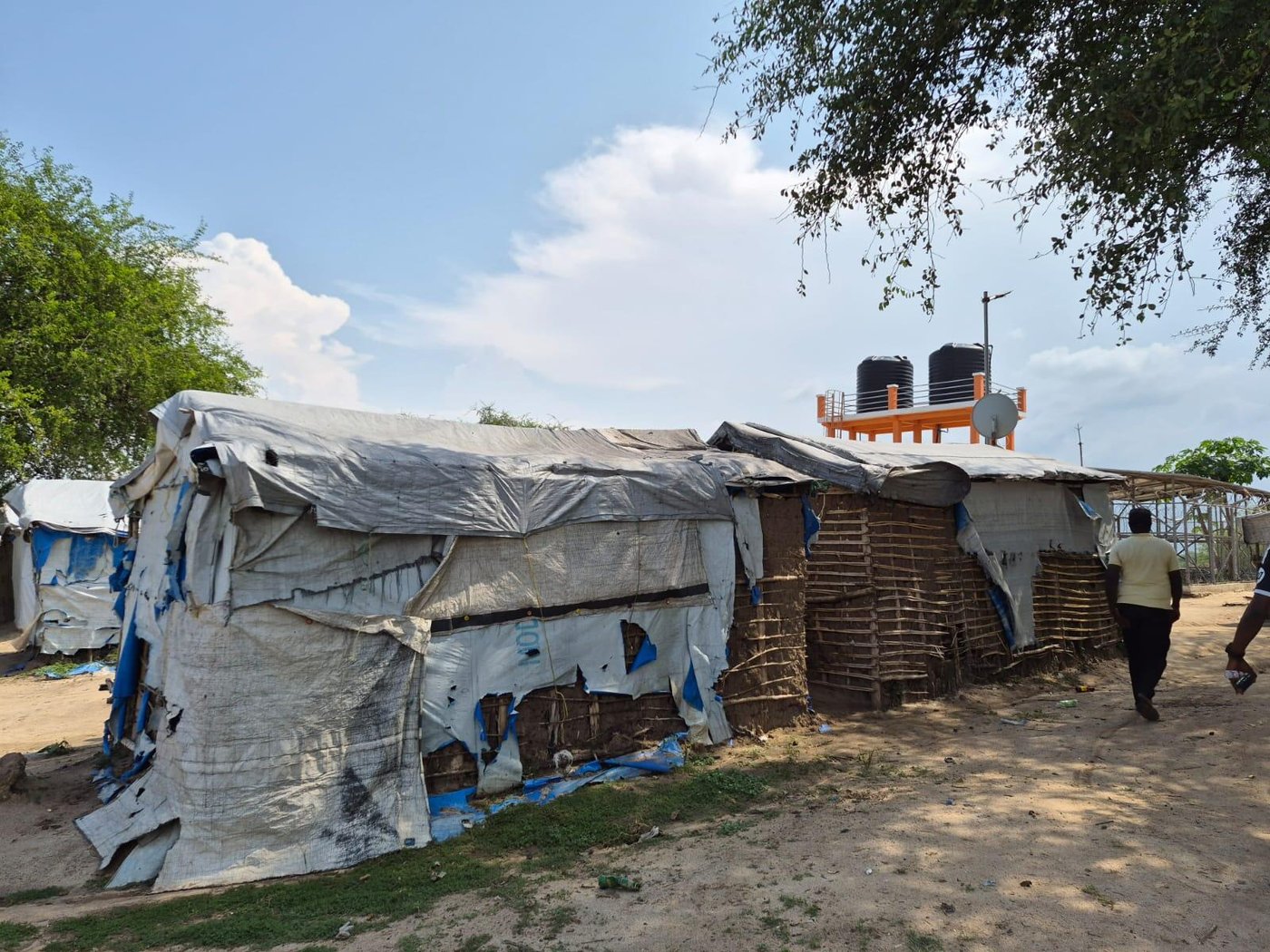
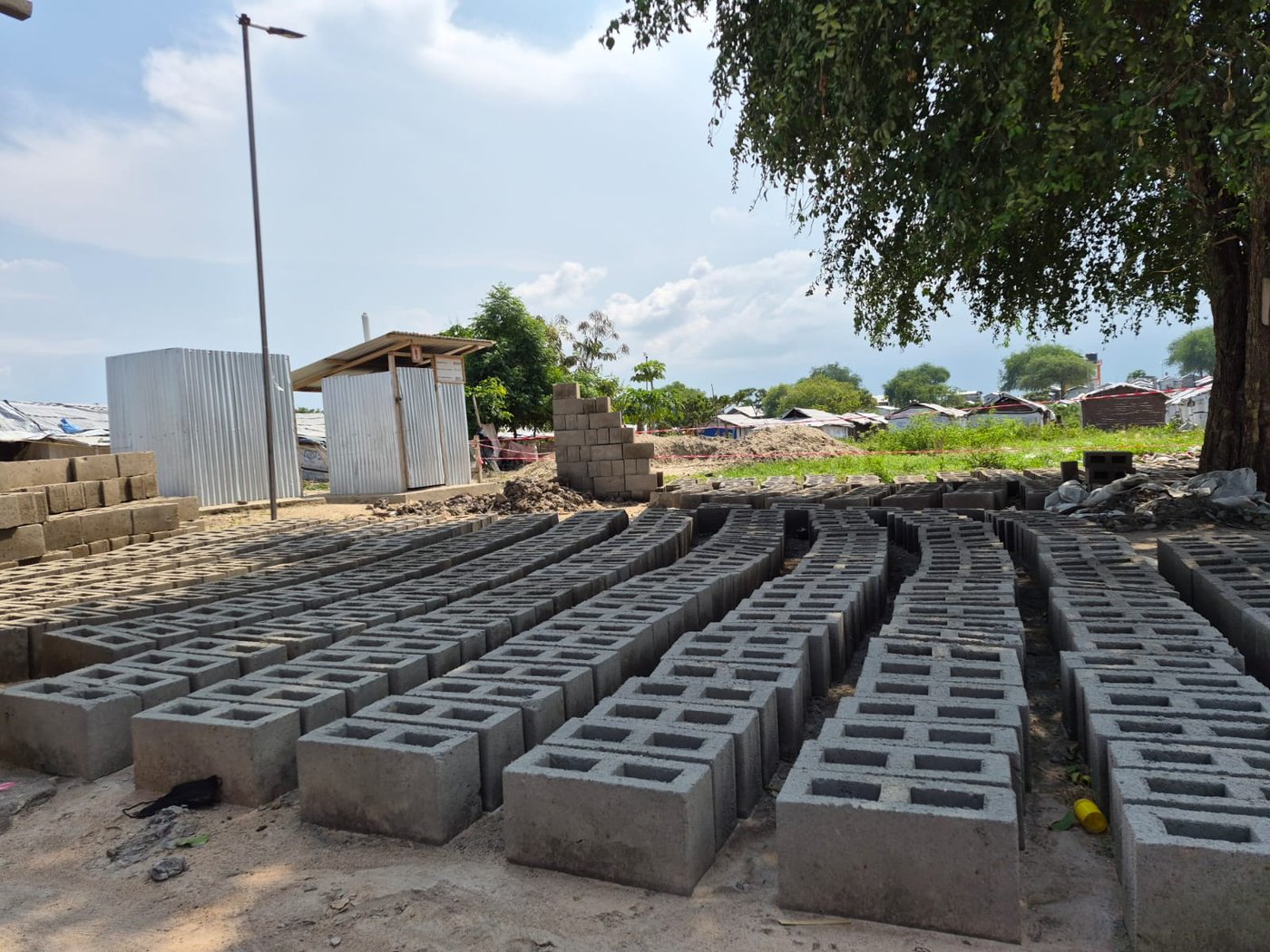
At one site for displaced people in eastern DR Congo, around 8,000 people are living without a single working toilet.
Families are staying close together, and with few places to wash their hands. These are dangerous conditions during an Ebola outbreak.
“We are particularly worried about Ebola spreading in displacement sites,” said Annelies Ollieuz, NRC’s Global Programme Development and Core Competencies Director, who is leading the organisation’s Ebola response.
“These sites are severely overcrowded, with too few toilets and limited opportunities for handwashing. NRC is currently building toilets in one site where 8,000 people are living, where no functional toilets are available at the moment.”
Ebola spreads through contact with the bodily fluids of someone who is infected, or through contaminated objects and surfaces. Washing hands regularly and avoiding close physical contact helps stop it spreading.
But that is far harder when people have little water, limited space and nowhere safe to isolate.
A crisis on top of another crisis
As of 14 July, 2,073 Ebola cases and 796 deaths were confirmed in DR Congo.
This is the country’s 17th Ebola outbreak. It is caused by the Bundibugyo virus, for which there is currently no licensed vaccine or specific therapeutics against, though early supportive care is lifesaving.
The outbreak is spreading in the east of the country, where years of conflict have already forced millions of people from their homes.
In Ituri province alone, more than 1,150,000 people are displaced. Many are living in crowded sites with poor access to clean water, toilets and healthcare.
This is the 17th Ebola outbreak in DR Congo, but it is also a crisis within a neglected crisis in the east, where millions of people have been displaced by conflict.Anastassia Chkolenok, spokesperson in DR Congo
DR Congo is the only country to have appeared in every edition of NRC’s list of the world’s most neglected displacement crises.
The crisis is not unknown. The violence and suffering have been documented for years. But the response has never matched the scale of the need. In 2025, just 27 per cent of the money needed for the humanitarian response in DR Congo was provided.
As a result, health centres closed, protection services were cut and food support was reduced. Support to manage displacement sites also declined, leaving larger gaps in access to clean water, hygiene and sanitation for people living in camps.
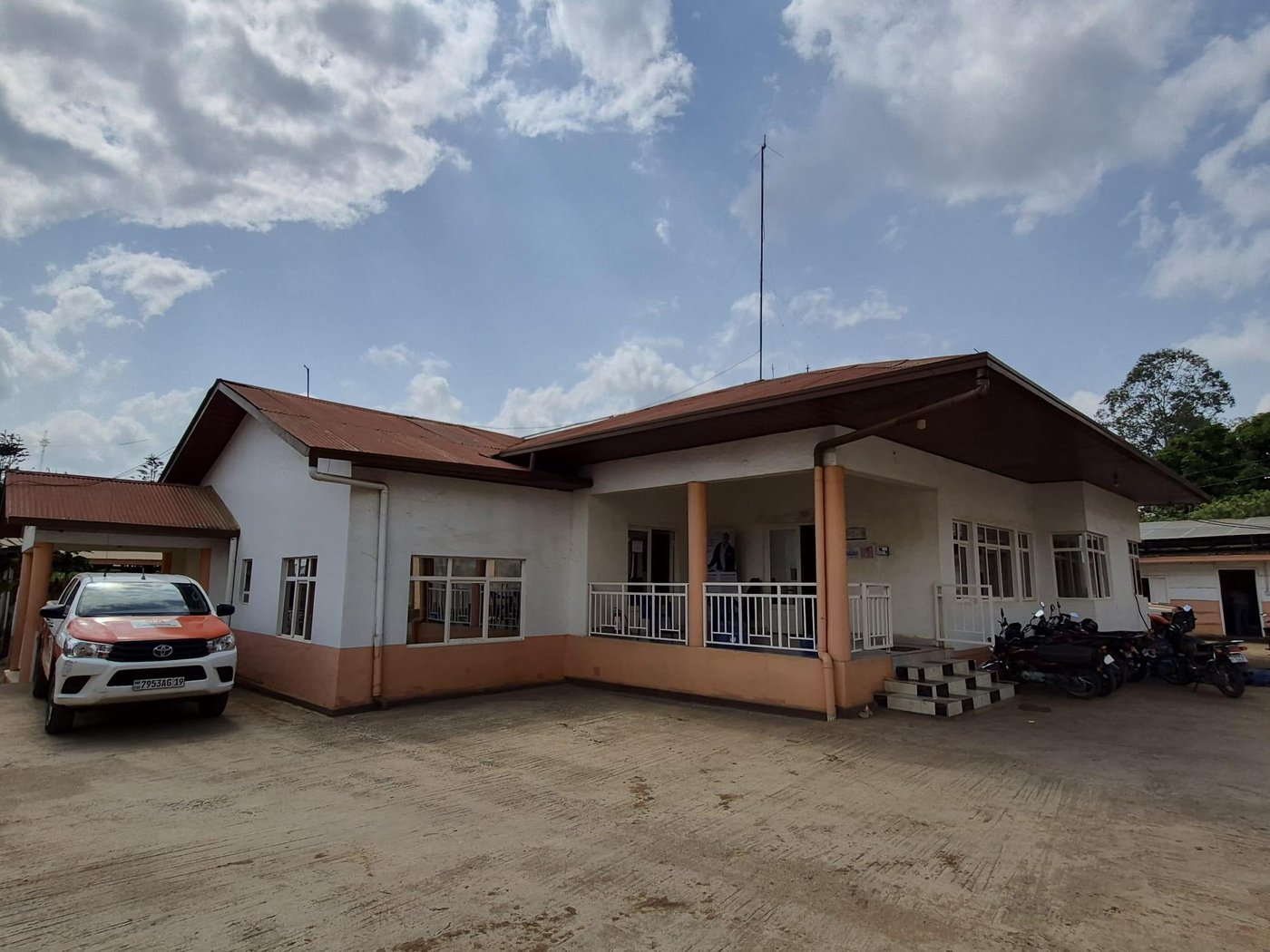
“This is the 17th Ebola outbreak in DR Congo, but it is also a crisis within a neglected crisis in the east, where millions of people have been displaced by conflict,” said Anastassia Chkolenok, NRC’s spokesperson in DR Congo.
“As the response scales up, donors must invest in the basic services communities depend on, from healthcare to clean water, sanitation and hygiene, to better protect them against future outbreaks, while ensuring Ebola funding is additional to existing humanitarian support.”
Almost 15 million people in DR Congo already needed humanitarian support before Ebola arrived.
“Ebola has come on top of enormous humanitarian needs that were already there,” said Ollieuz. “The support people relied on before the outbreak still has to continue, but it must be adapted so that it can be provided safely.”
Making exams safer
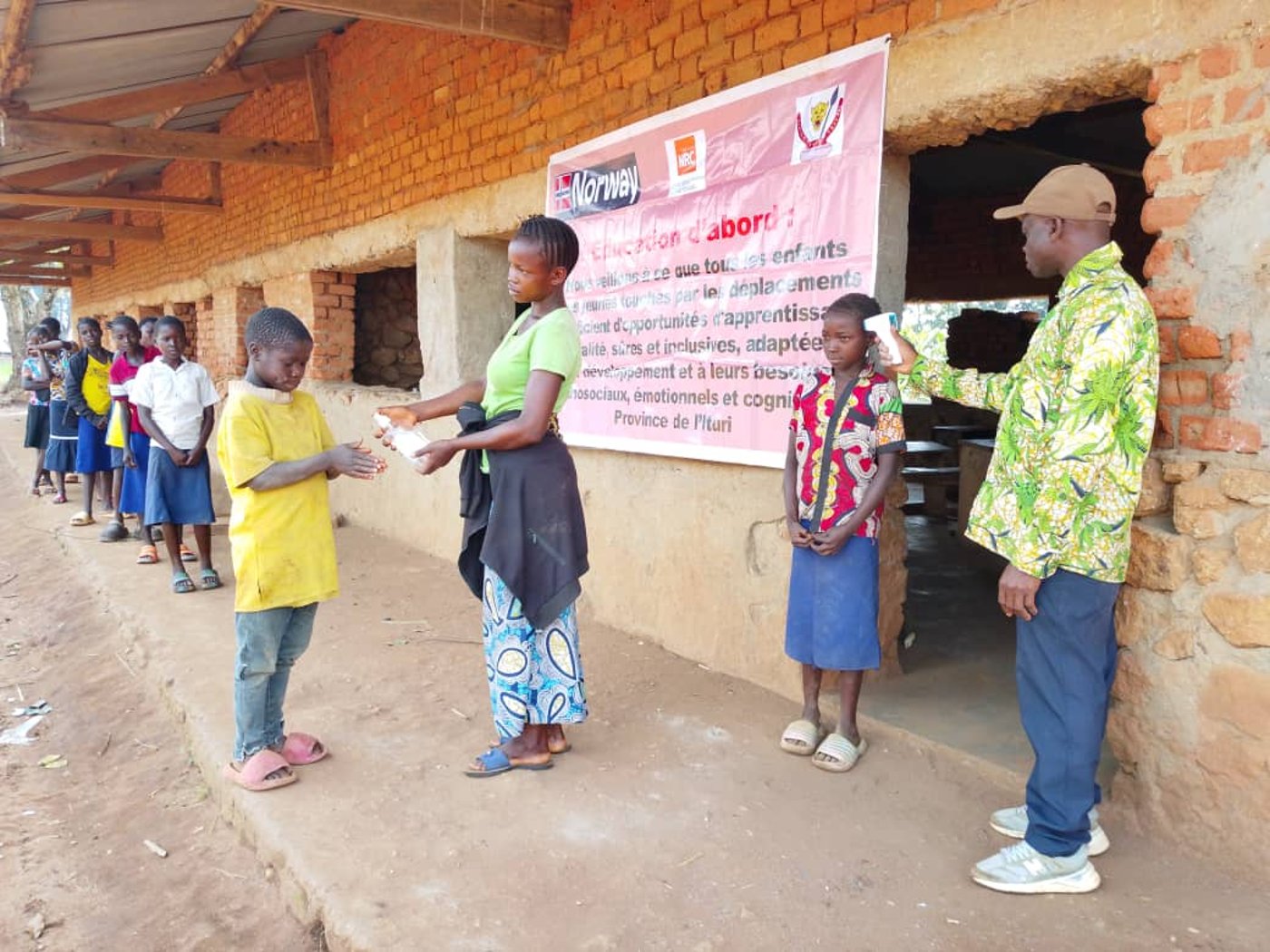
When Ebola was confirmed in May, children and young people in several grades were about to sit important end-of-year exams.
The Ministry of Education asked NRC to help make the exams safer.
NRC installed handwashing stations at school entrances and supported temperature checks for everyone coming into the buildings.
“This ensured that Ebola did not enter the school, and children, young people, their parents and teachers could feel comfortable with the exams taking place,” said Ollieuz.
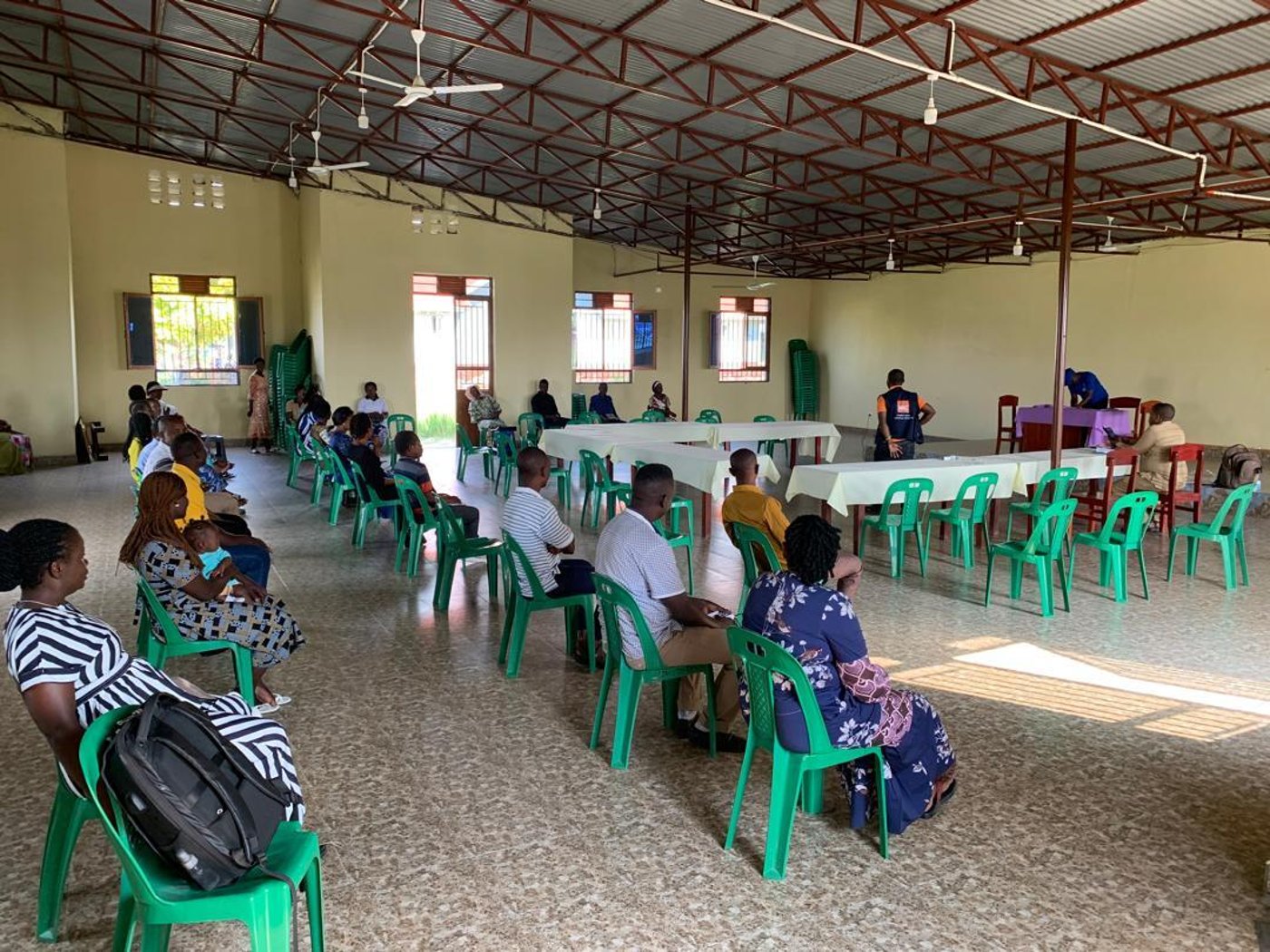
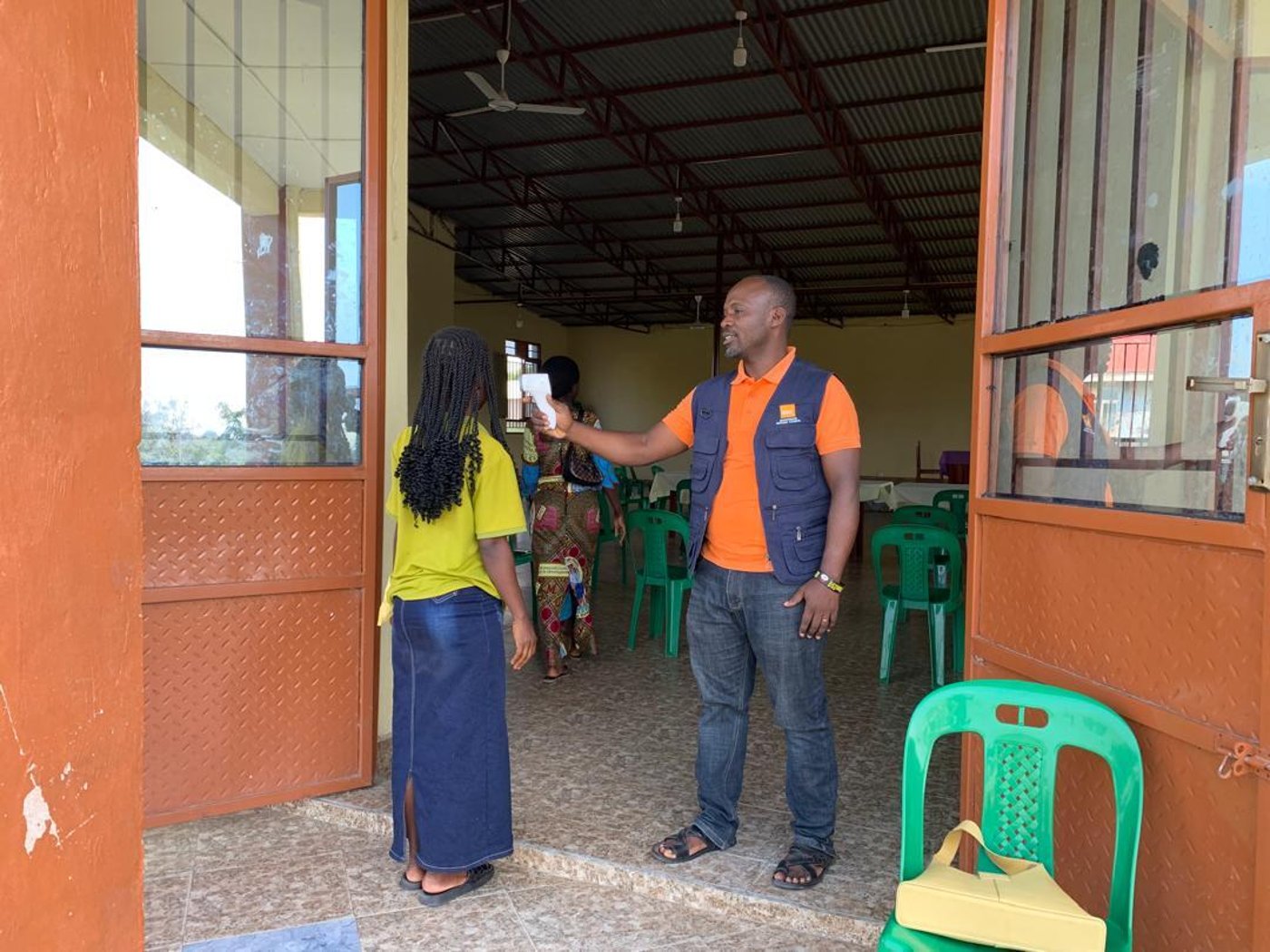
Most schools are now closed for the holidays. Before they reopen this autumn, more planning will be needed to make sure children can return to class safely and that worries about Ebola do not keep them out of the classroom.
In addition to the installation of handwashing facilities and other preventative measures, this includes awareness sessions on Ebola and training for teachers, headteachers and members of parent-teacher associations on how to prevent infection and recognise risks. In Tchomia, a cross-border trading and migration hub between DR Congo and Uganda, NRC is currently supporting seven primary schools with this work.
Our teams are also changing the way they run other activities. During cash distributions and other forms of emergency support, our teams are using additional safety measures such as handwashing stations, smaller groups and more space between people.
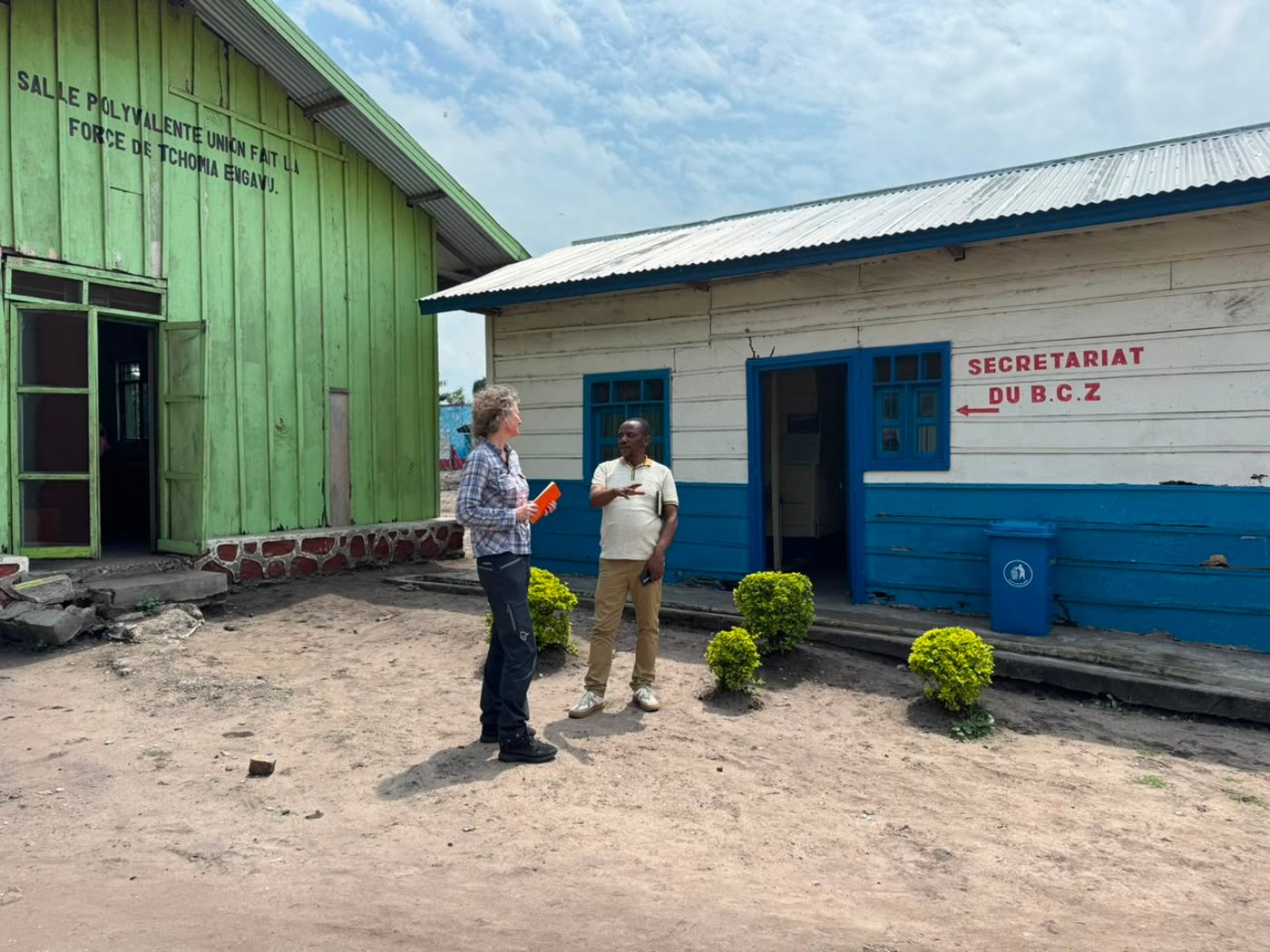
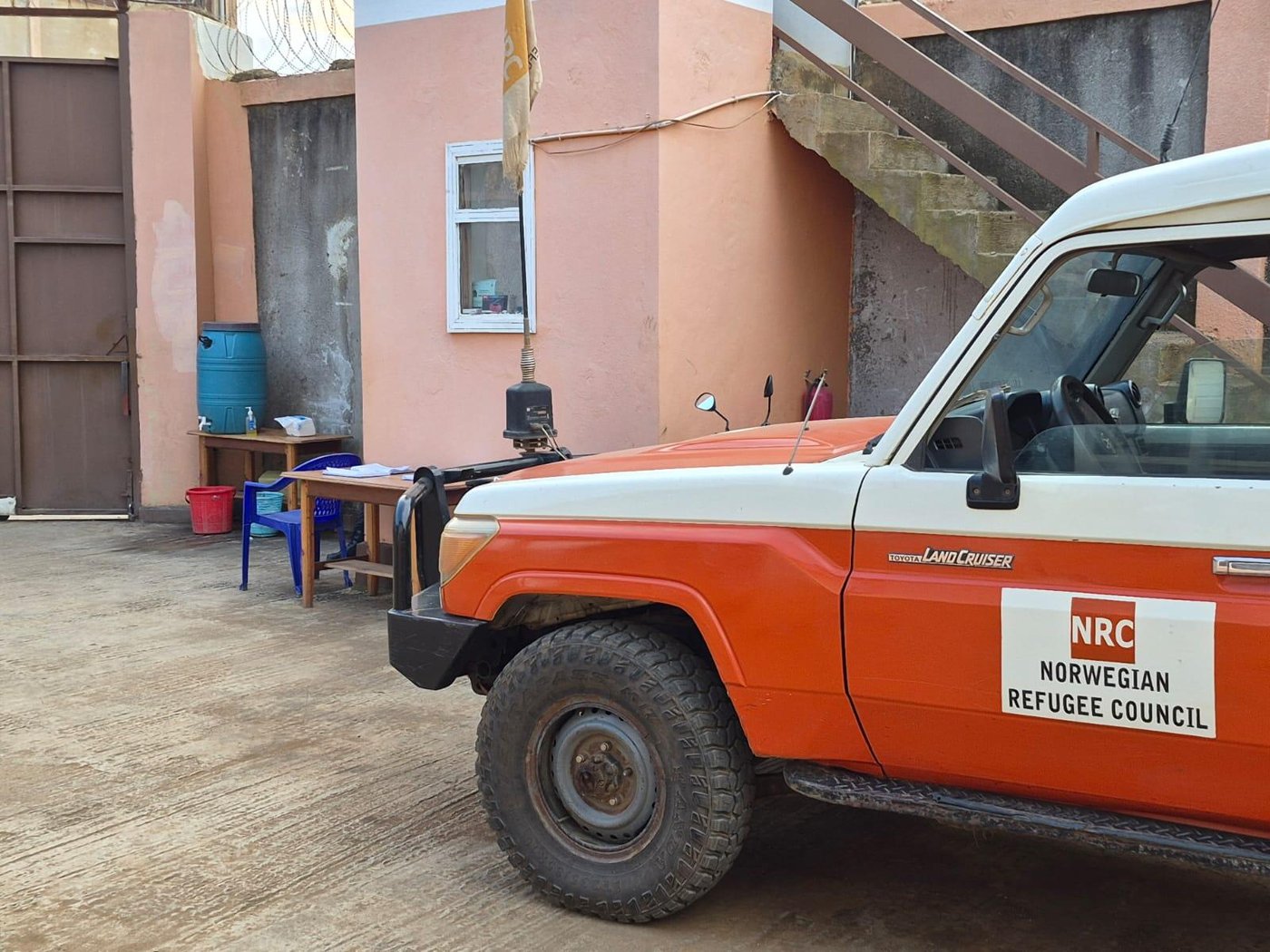
NRC has worked in eastern DR Congo for 25 years. That matters during an outbreak like this. Our teams already know the communities where they work. They know the displacement sites, local leaders and many of the concerns people have. And the communities know NRC and have trust in our teams and our work.
“Health centres can treat Ebola, but only communities can stop it,” said Chkolenok. “Building trust and supporting local ownership are essential to containing the outbreak and preventing future ones.”
When people cannot reach help
Ebola can only be contained when people reach treatment quickly. But in some parts of DR Congo, that’s not possible.
In one community controlled by a non-state armed group, people are reportedly too afraid to leave their homes, even when they are ill. Our colleagues have heard reports of people with Ebola symptoms in this community dying before they could reach treatment.
This also means many of them are unable to isolate from their family members and loved ones. These reports show what happens when violence cuts people off from care.
Insecurity, poor roads, delays at borders and bureaucratic barriers are also slowing the movement of staff and supplies in many remote areas.
“Aid, workers and supplies must move faster than Ebola,” said Chkolenok. “Yet, in eastern DR Congo, insecurity, bureaucratic blockages and cross-border challenges continue to delay assistance, especially in remote areas where rapid action is critical.”
The hug that had to stop
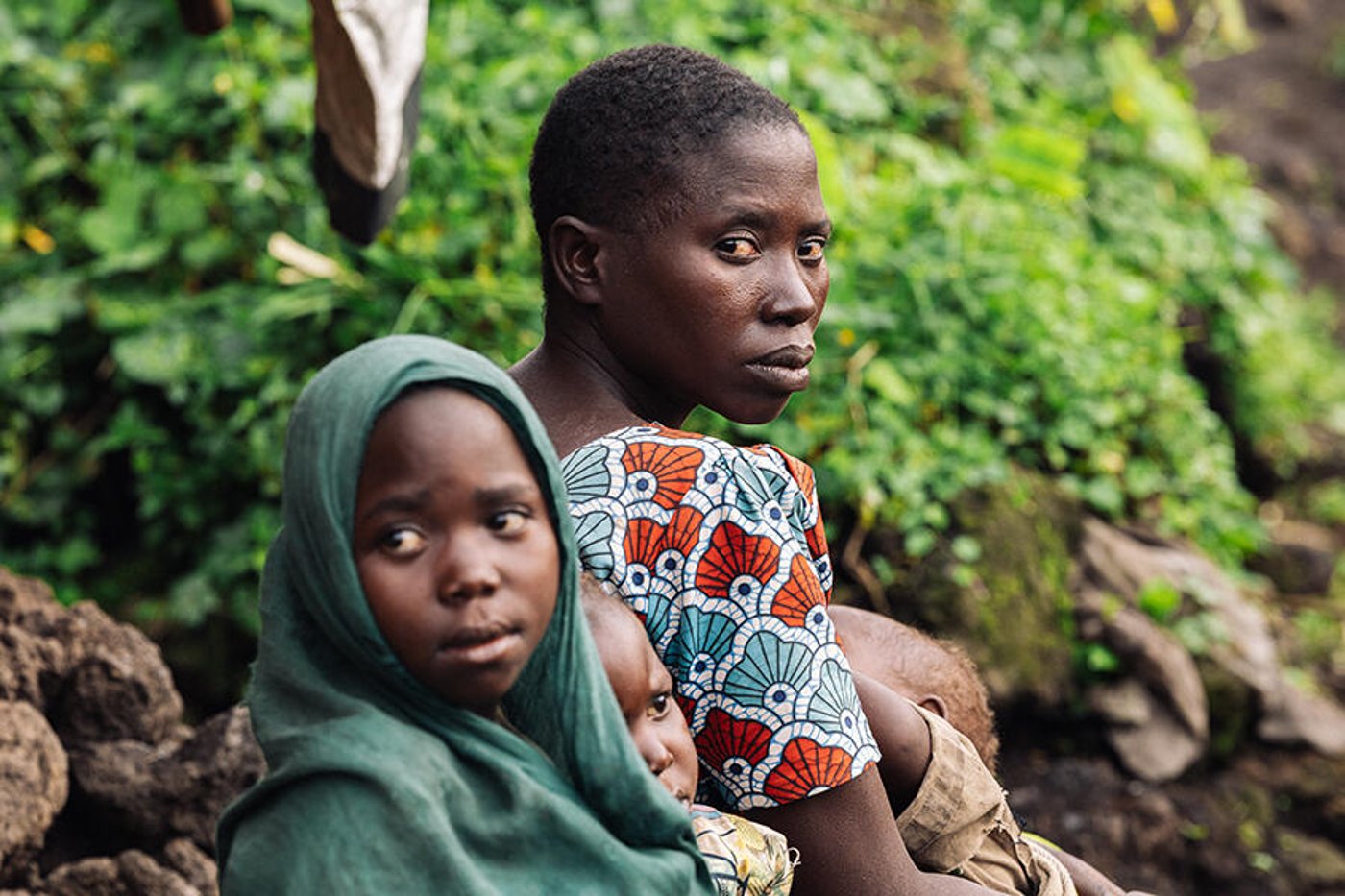
Ebola also changes the smallest parts of everyday life, like how we care for and comfort each other. “Not touching other people is an important preventive measure during an Ebola outbreak, but it’s also mentally very difficult,” said Ollieuz.
She remembers sitting in a meeting when a colleague suddenly recognized an old friend who had entered the room. “He jumped up because he was so happy to see him. Then he stopped and said, ‘Normally I would give you a hug, but we can’t do that now.’ So instead, they did the elbow-to-elbow greeting, or actually more elbow-to-shoulder in this case, as one of them was wearing short sleeves.”
The moment was simple, but it showed how difficult Ebola prevention can be.
People are asked to keep their distance at exactly the time when they may most want to comfort each other. Families may also be asked to not care for a sick relative in the way they normally would. They may have to change how they bury someone they love.
These are not small asks. But people are more likely to accept them when they trust the response, understand what is happening and have safe alternatives. That’s why stopping Ebola is not only about treatment centres. It’s also about clean water, working toilets and handwashing stations, reliable information and strong relationships with communities.
Other needs have not disappeared
NRC’s teams are continuing to build toilets, install handwashing stations and adapt our work to reduce the risk of infection. But Ebola is not the only crisis people are facing. Families still need food, shelter, healthcare, education, livelihoods and protection from violence. If the wider response is allowed to fall away, people will become even more vulnerable.
“We have to contain the disease, but we also have to make sure people facing conflict, displacement and hunger are not abandoned,” said Ollieuz. “Both responses have to continue at the same time.”
We’re here to tell you about the crises no-one else is talking about.
