


In the world’s worst humanitarian crisis, Sudan, there is a strong culture of helping others. There, Ezz Al-Nuba, mother of six, is happy that she can share what little she has with strangers.
“As soon as someone arrived, we would give them lentils and rice. We provided them with whatever we have,” she says.
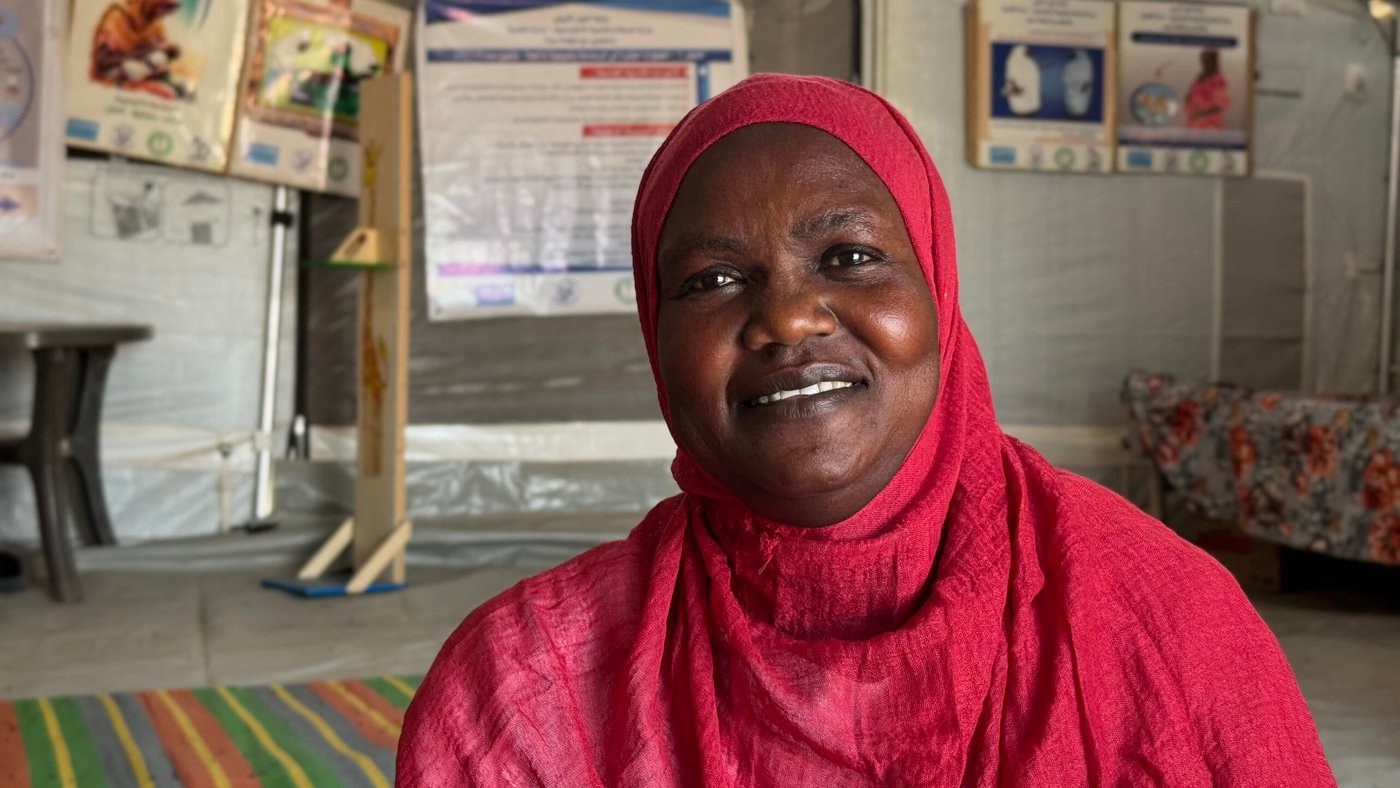
Sudan: Ezz is the light in the darkness of war
“Life’s most persistent and urgent question is: ‘What are you doing for others?’” Civil rights activist and Nobel Peace Prize laureate Martin Luther King Jr. (1929–1968).
For many in Sudan, helping fellow human beings is second nature. The country is in the midst of a massive crisis marked by war and hunger. But in times of need, people come together. Volunteers in neighbourhoods and local communities step up to provide food and support to people who have been forced to flee within their own country.
Ezz Al-Nuba Yosif Faddal, a mother of six from South Kordofan state – one of Sudan’s most dangerous front lines – was herself displaced from her home. While fleeing, she encountered a woman running after her to give her food. And when Ezz arrived at the local community she is now part of, she received immediate help.
The fact that Ezz had received help inspired her to be there for others. Whenever new people arrive at her community – hungry, exhausted, and in desperate need of help – she knows exactly what to do. “We launched initiatives,” she says. “As soon as someone arrived, we would bring them lentils and rice and provide them with whatever we had until humanitarian organisations stepped in."
Read more: Sudan is the world's most neglected displacement crisis
“We help them no matter what”
The war in Sudan has forced more than nine million people to flee within the country, while over 3.5 million have fled to neighboring countries. Across Sudan, nearly 20 million people are facing acute hunger.
But there is a light in the darkness:
“Thank God, many people come to us for help,” Ezz continues. “My sisters and I also help with whatever little we have. I helped more than six or seven people just this week.”
She adds:
“We help them regardless of whether we know them.”
People built trenches in their homes
One of the many people who have received help is Adam Ahmed Al-Duoma. He fled Kaduglli, South Kordofan, with his wife, children, elderly mother, and several brothers. They now reside in Goz Al Salam camp, White Nile State. This is one of the largest camps in Sudan, where thousands of people need emergency aid.
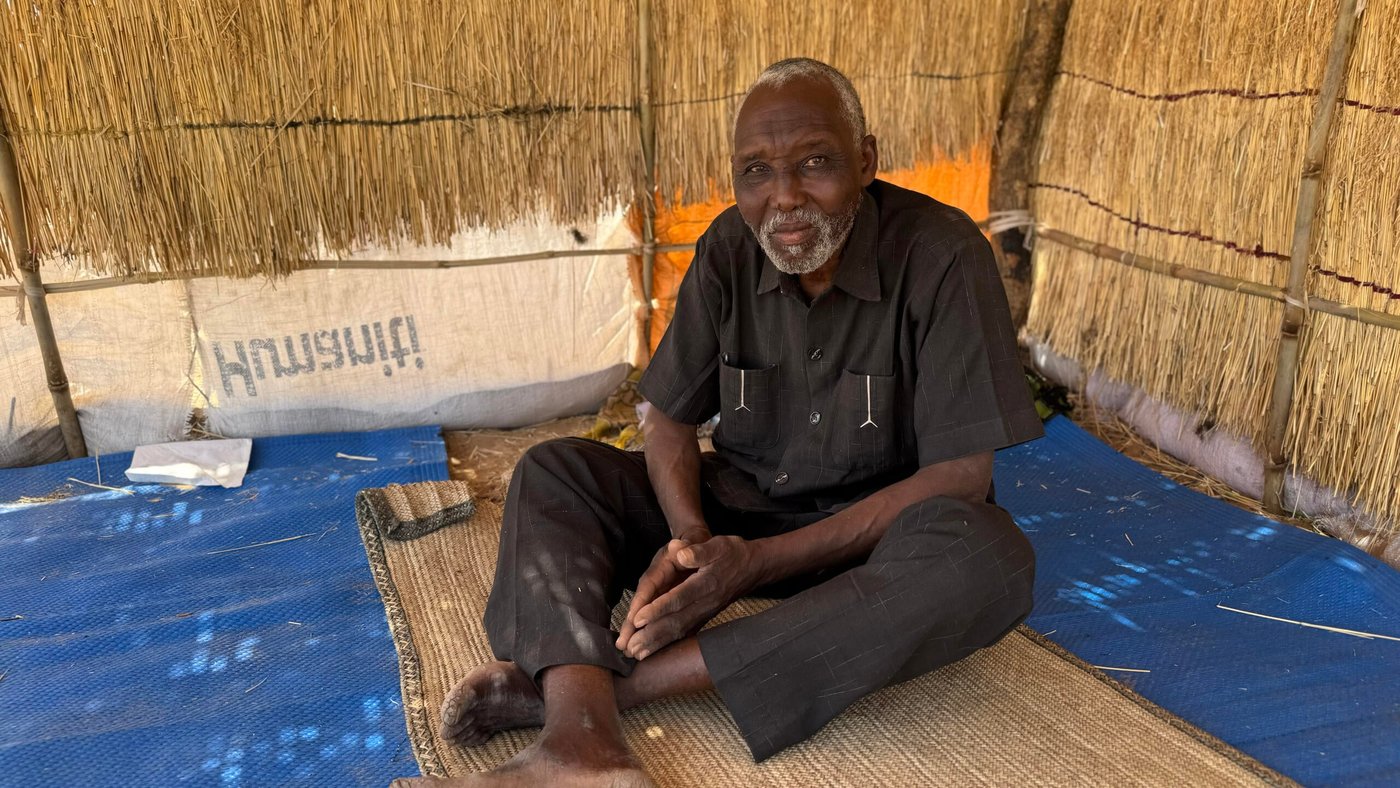
“In Kadugli, there were problems with armed groups. People outside the city were carrying out kidnappings and attacks. There were security issues and difficult living conditions.
When the city was closed and goods were blocked from entering, prices rose. The cost of living became very high. Children used to spend their days normally, but there was fear and insecurity. At any moment, something could happen. People were always on alert and ready to leave. They even started digging trenches inside their homes to protect themselves in case of shelling.”
The spirit of community
Adam continues:
"Here we are settled and safe, thank God. People can manage food for daily consumption, but they still need economic support to protect themselves and their children, especially when it comes to shelter, food, water, and education.
People are kind and support each other, but they do not have enough recourses. They are generous – even if they have little, they share it. Whatever you have, you share it with your neighbour. This is the spirit in South Kordofan in general, and especially in Kadugli, where people share everything, whether little or a lot.”
“What about the future, Adam Ahmed Al-Duoma?”
“War has destroyed the future. It pushed us back because of the lack of education. People were moving forward in development, but the war set us back. This is something people must seriously address, because rebuilding and improving society is necessary. Society needs economic support, education, and development ideas to address its problems. If people unite and move past their conflicts, we can rebuild without delay.
We can rebuild Sudan.”
