
When the war in Ukraine reached Kharkiv, Praskovia did what she had to do as a mother: she protected her family first and figured out the paperwork later.
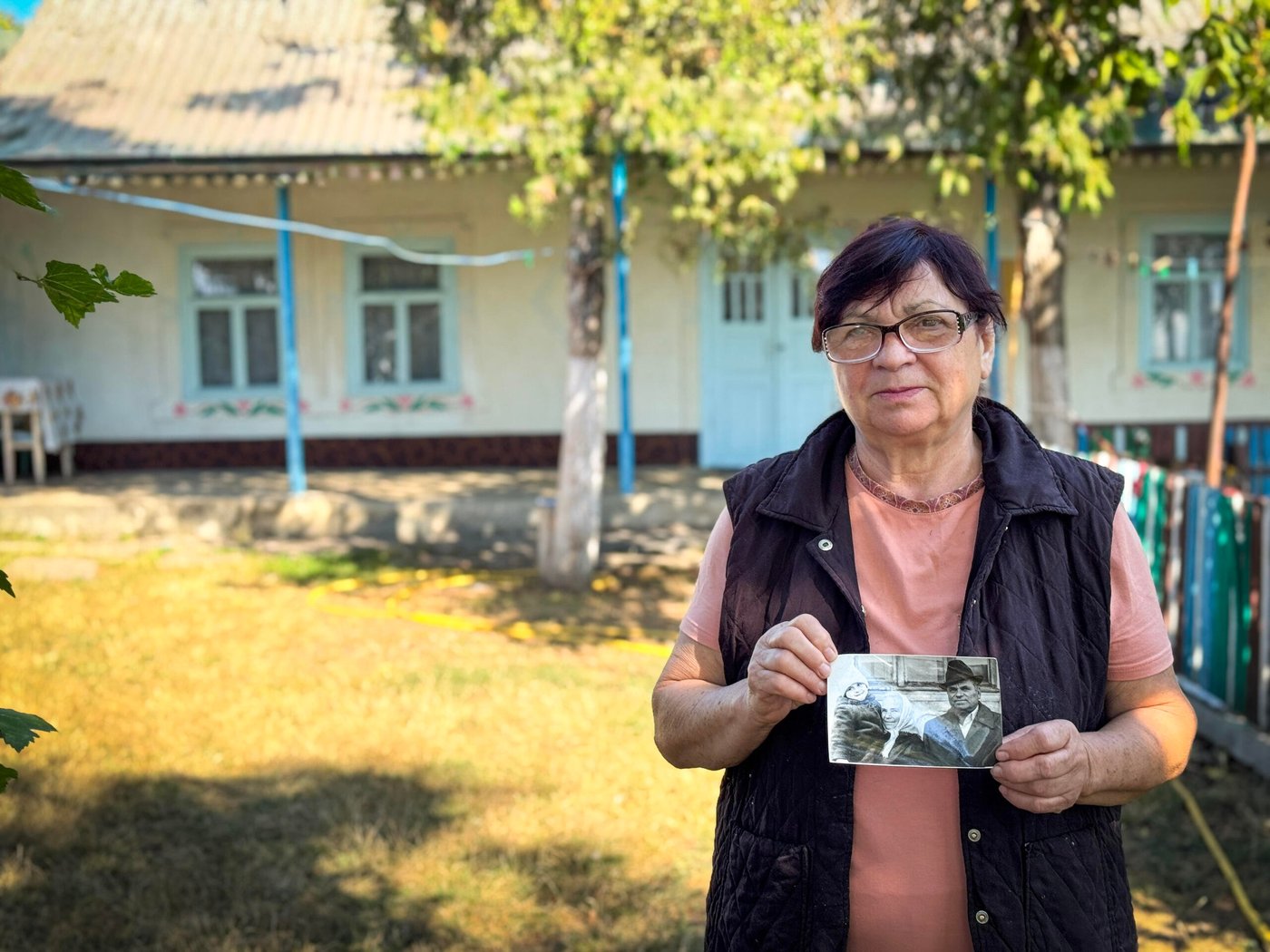
How Praskovia returned to her roots after fleeing Kharkiv
“We are close to the border with Russia. Kharkiv was the first to suffer,” she says. “There were powerful bombings… and my grandson was only four. My son told me: ‘Mum, go away. I’ll handle it.’”
Praskovia left Ukraine on 7 April 2022 and crossed over into Moldova, to the old family home no-one had lived in since her father passed away many years ago. “Now I’m here, but we can’t live like this,” she explains. “We have to do some repairs.”
The house where she grew up, in a small village in central Moldova, now has peeling walls, an old exterior door, and rattling windows.
All my things, all my memories…nothing is left.Praskovia
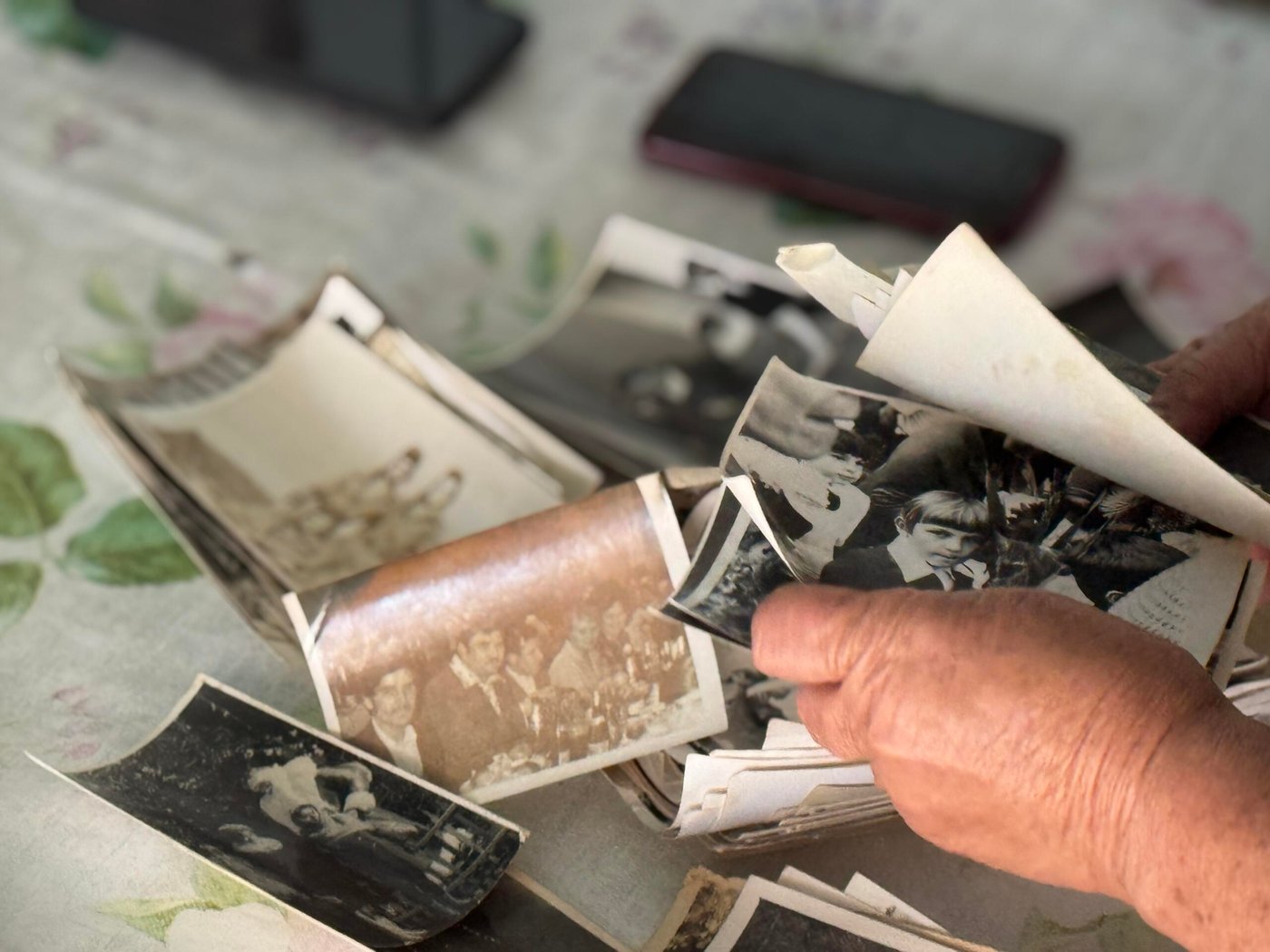
But returning to her home in Kharkiv is no longer an option. Praskovia unlocks her phone and scrolls. “Here, look. Everything is gone,” she says quietly. “All my things, my dishes, all my memories…nothing is left.”
If she goes back, there’s nowhere to live except with her sister or, maybe, in her son’s small apartment – “but he is injured from the war and now in rehabilitation,” she adds. “I don’t want to be a burden. Here at least I can close a door and make tea.”
The images do the talking: for millions of Ukrainians, “going home” is no longer a decision, it’s a rebuild.

At her old family home in Moldova, Praskovia set about trying to make the house liveable. She heard that support was available through the Norwegian Refugee Council (NRC) and called their hotline. That call connected her to an EU-funded consortium called PLACE II, who referred her case to Acted to arrange shelter repairs.
Praskovia didn’t have the documentation to prove she could lawfully receive repair support. So, NRC’s legal team began helping her sort out the documents she needed in order for the work to go ahead.
The teams were in constant contact with me.Praskovia
“Our father died… my brother is sick… I really live here, but who owns what?” she says. “If it weren’t for Sergiu, I’d have to run everywhere with these documents. I don’t have the strength for that.”
Sergiu is the NRC legal officer who first met her at a village information session, then came back – twice – to sit at her table, go through the family archive, and piece together the legal pathway. “He came with all the documents. He figured it out himself,” recalls Praskovia.
At the same time, Ukraine’s compensation process for her destroyed home in the Kharkiv region was a maze: banking changes, apps that didn’t work, and a post office in ruins. “Sergiu even called several times so I wouldn’t lose my place in the queue,” she says. “It was very important. Very.”
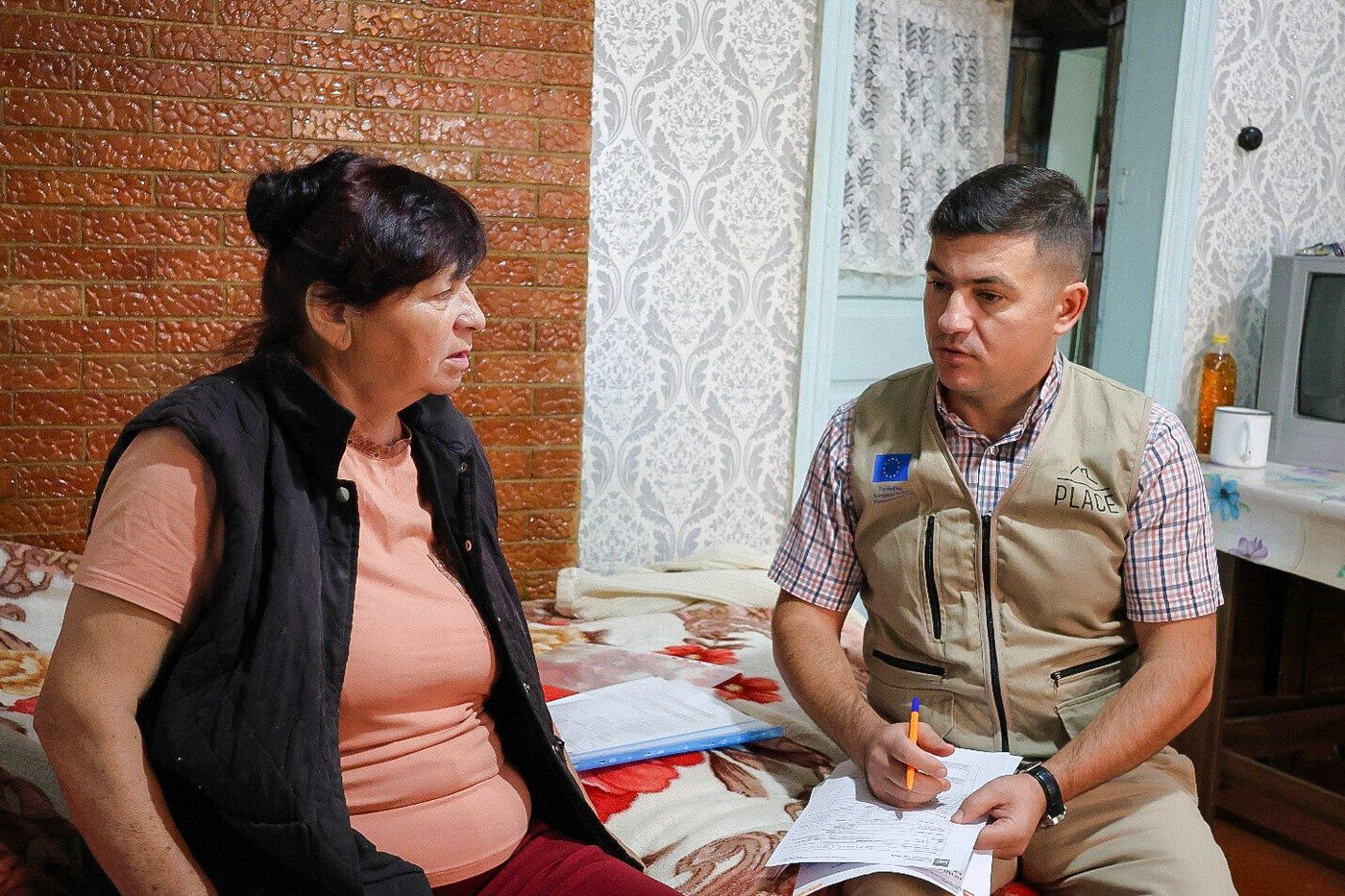
Praskovia feared the burden of the paperwork, and this is where the PLACE II consortium stepped in as a coordinated team. Under the EU-funded programme, NRC brought expertise and legal assistance in housing, land and property (HLP) rights, while Acted carried out shelter repairs. The approach is intentionally complementary: legal clarity and due diligence from NRC ensured that Acted’s technical teams could safely and lawfully carry out repairs.
“The teams were in constant contact with me,” Praskovia smiles. “They told me they will change the door, two windows, and something in the bathroom – a sink.” Each repair addressed her most essential needs: a secure door, windows that keep out the winter cold, and a bathroom she can use safely at her age.
Meanwhile, Praskovia’s life keeps its rural rhythm. A neighbour left the country and asked her to look after their land. “This year I had to maintain my garden and hers, tending corn for the ducks and chickens. It was hot… and at my age,” she sighs, “but I had to, because I am barely surviving with the humble humanitarian assistance I am receiving.”
As winter approaches, she is focused on making the house safe and liveable. It is her parents’ home – familiar and calm – and the recent repairs ease at least some of her worries about the colder months ahead.
What she does know is the order of operations when crisis meets recovery: first, secure your rights; then, fix your home. The PLACE II consortium exists precisely to stitch those steps together for people like Praskovia and for Moldovan host families who have opened their doors to people fleeing the war in Ukraine.
The consortium consists of Acted, INTERSOS, the Norwegian Refugee Council (NRC), People in Need (PIN), and IMPACT Initiatives (through its REACH initiative).
NRC’s legal team screens documents, drafts and updates agreements, and mediates when there are disputes. The resulting legal clarity is then translated into practical upgrades – doors, windows, bathrooms, and energy-saving measures wherever feasible – so that the houses are not only compliant on paper, but safer and more affordable to live in next winter.
Praskovia looks at the old door that will soon be replaced and nods quietly. For her, these repairs represent more than construction – they reflect how different members of the consortium worked together so she could move forward without navigating the system alone.
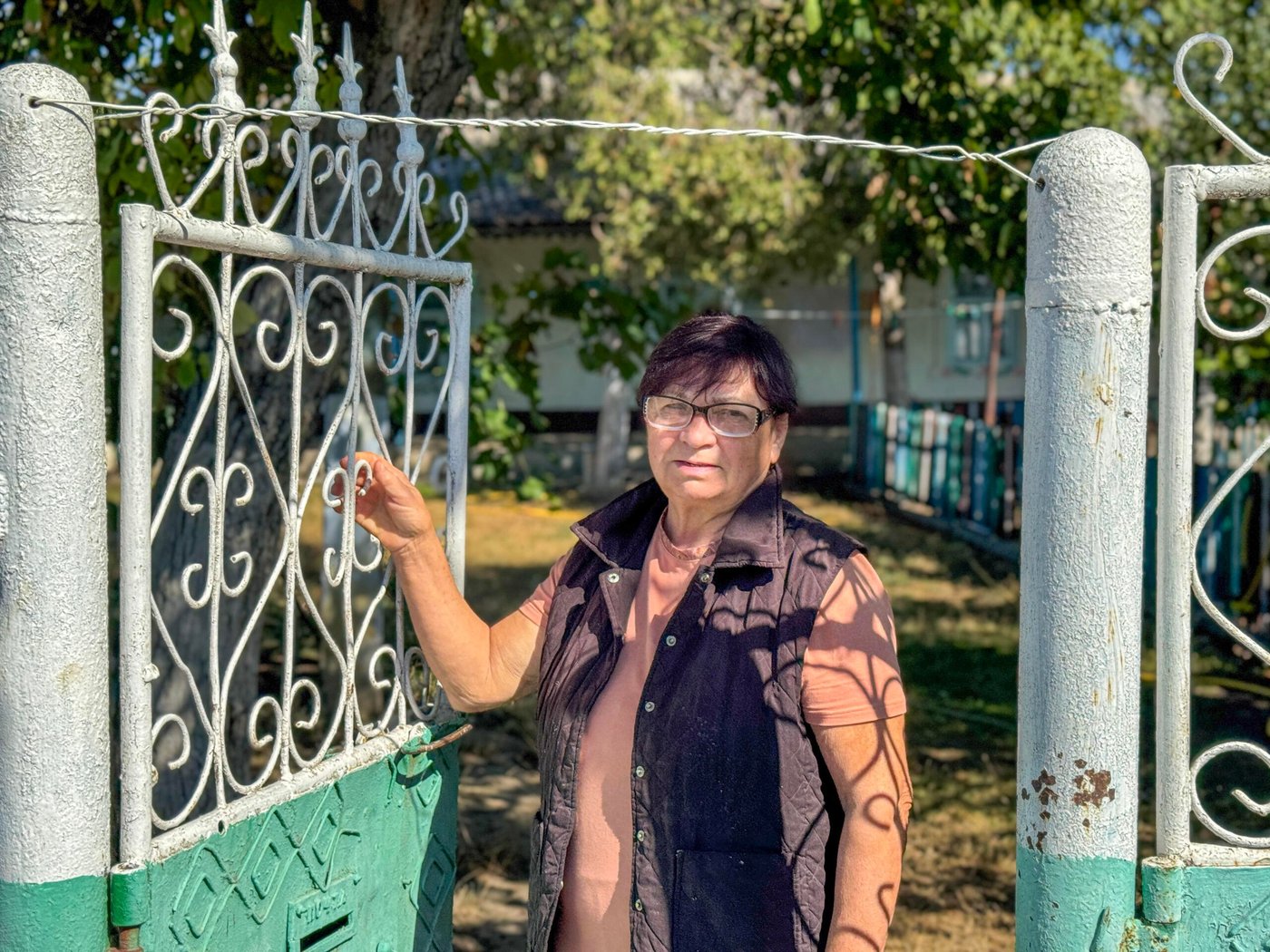
Praskovia keeps a small diary, where she records all the significant events since she arrived in Moldova. She can point you to the day PLACE II consortium staff first visited, the call with officer, the moment the paperwork clicked into place.
If you asked her to summarise the model, she describes it as “first the papers, then the door”. In Moldova’s villages, under a programme funded by the European Union, that’s how PLACE II turns displacement into something more stable – one legal solution, one repaired window, one safer and warmer house at a time.
Sign up to our newsletter to read more stories from around the world.
