
Opinion
Deep cuts to aid funding mean millions affected by conflict and disaster won’t get the help they need. But by targeting emergency assistance and activities focused on longer-term solutions to the right people in the right places, we can prevent a whole generation from being abandoned.
Aid saves lives. Changes lives. Builds hope. I have witnessed this time and again throughout my two decades as an aid worker. Now when I meet people whose lives are upended by violence, I see that cuts to humanitarian work mean that many of their needs go unmet. In the face of this reality, donor nations must choose solidarity over silence. Over indifference.
This year will be make or break for aid. The humanitarian world is still reeling from the drastic cuts to aid funding made by the United States, Germany, the United Kingdom and many other European nations. These cuts led to the largest ever recorded gap between required humanitarian funding and what was given. The result at the end of 2025 was that more than 200 million people who needed aid did not receive support. We must avoid a repeat of this in 2026.
Aid saves lives. Changes lives. Builds hope. I have witnessed this time and again throughout my two decades as an aid worker. Now when I meet people whose lives are upended by violence, I see that cuts to humanitarian work mean that many of their needs go unmet. In the face of this reality, donor nations must choose solidarity over silence. Over indifference.
This year will be make or break for aid. The humanitarian world is still reeling from the drastic cuts to aid funding made by the United States, Germany, the United Kingdom and many other European nations. These cuts led to the largest ever recorded gap between required humanitarian funding and what was given. The result at the end of 2025 was that more than 200 million people who needed aid did not receive support. We must avoid a repeat of this in 2026.
The result at the end of 2025 was that more than 200 million people who needed aid did not receive support. We must avoid a repeat of this in 2026.
A further contraction of support and funding for displaced and vulnerable people is expected this year. 239 million people require aid this year across Sudan, Gaza, and in neglected crises like DR Congo and Haiti. But the harsh funding reality means that just 87 million people have been prioritised to receive support. This leaves more than 150 million people off the humanitarian books.
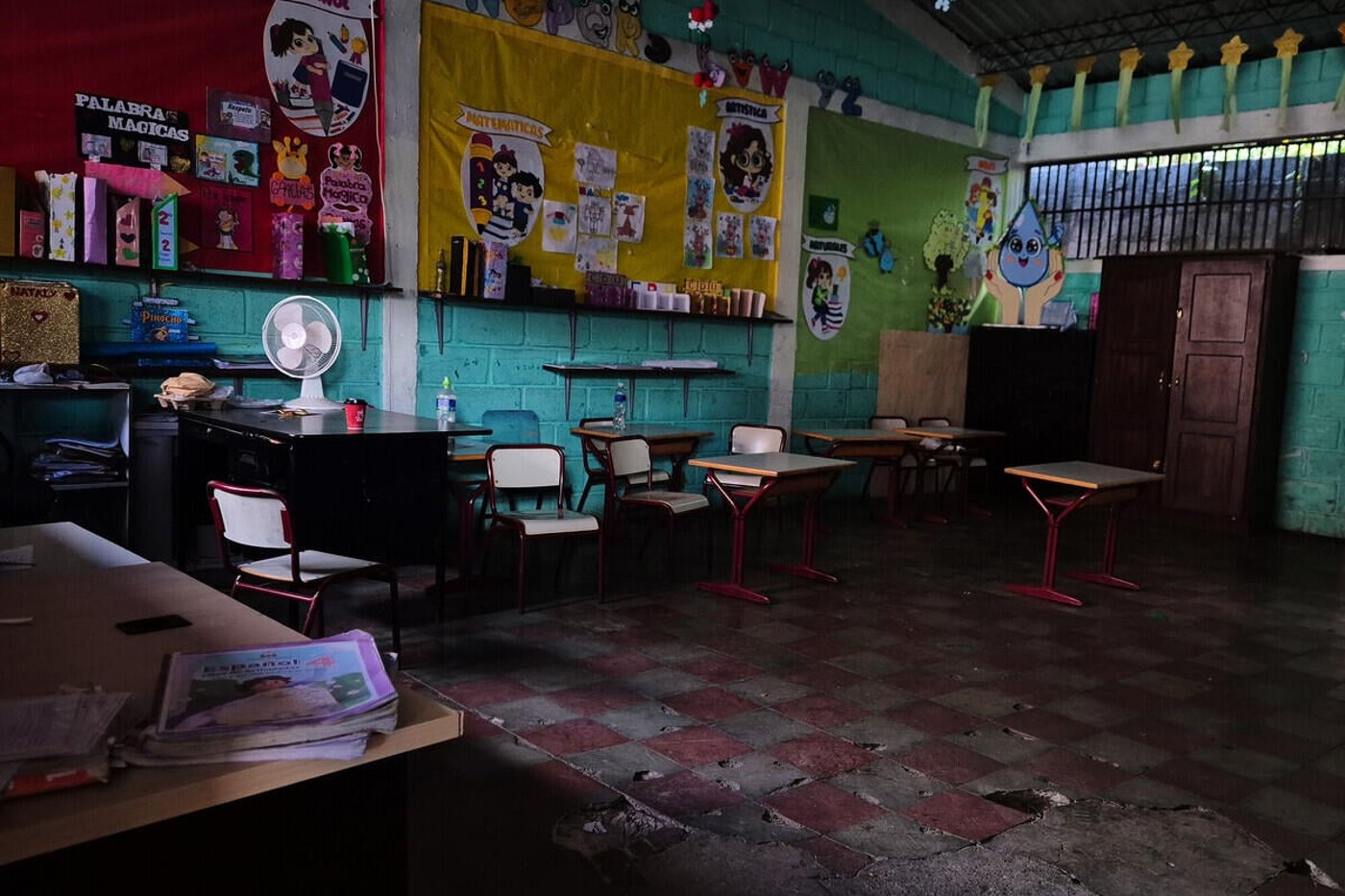
It is still possible to prevent a generation from being abandoned.
Humanitarian aid must remain true to its roots: focused on alleviating the suffering of people with the most severe needs. This support remains as critical as ever. But alone it is not enough.
It is still possible to prevent a generation from being abandoned.
Alongside humanitarian assistance, donors must invest in longer-term solutions using the development system to address underlying causes of need and build sustainable futures. Working together, these two pillars can support people in urgent need today while at the same time supporting their hopes for tomorrow.
Through the complementary support and solutions delivered by humanitarian and development partners we can, together, ensure people get support how, when and where they need it.
We are already seeing this approach work in places like Syria, where a new chapter is being written.
Humanitarian support, from agencies including my organisation, the Norwegian Refugee Council (NRC), remains vital for families that are still facing violence and uncertainty. We help them to meet their urgent needs – a roof over their head, access to safe water, and support in processing trauma.
For millions of other Syrians who are now ready to rebuild their lives, what they need cannot be delivered by emergency-focused aid. They need health centres with staff and supplies, and schools with teachers and education materials. They need services that restore dignity and stability. To deliver these longer-term solutions, there is a need for equally long-term resourcing and investments in the systems that deliver these basic services. We are starting to see some of these investments not just in Syria’s present but in its future from the World Bank and others. But we need these investments at scale.
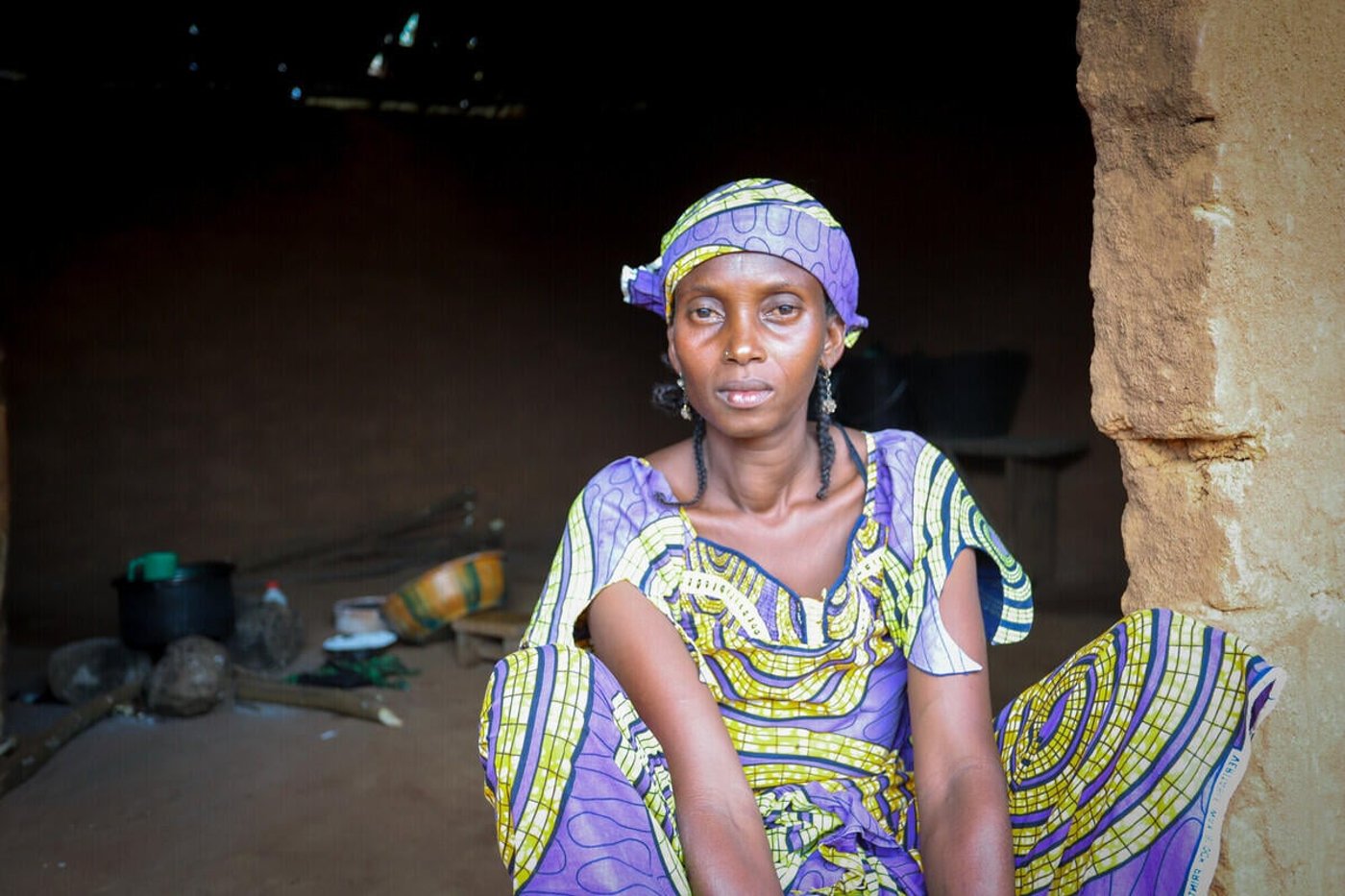
This approach also needs to be applied to other fragile and conflict-affected countries where communities need effective and sustainable solutions to help them get through a crisis and move beyond it.
What could this look like? In acute emergencies like in Tawila, Sudan, water trucking may be critical, but it isn’t a solution for the long term. When Tawila is ready we need development investments that provide cost-effective, sustainable, government-led water provision. This is the only way to empower governments and to end dependency.
For protracted crises like Cameroon and Colombia where humanitarian support is dwindling the need for this approach is particularly acute. To leave no one behind, investments in longer-term solutions can help people build self-sufficiency.
These approaches are also needed in support of refugees. In Uganda, home to Africa’s largest refugee population, the support system is under immense pressure. Despite progressive government policies — freedom of movement, right to work, and access to services — chronic underfunding has strained support to both refugee and local host communities. With adequate development funding to enhance and scale-up government systems and capacities, refugees could move from mere survival to resilience, working and supporting themselves and contributing to the local economy.
Many of these ideas are not new. Donor nations and development banks have worked for years to link emergency aid with development, recovery and stabilisation efforts to provide solutions for people living in crisis and conflict zones.
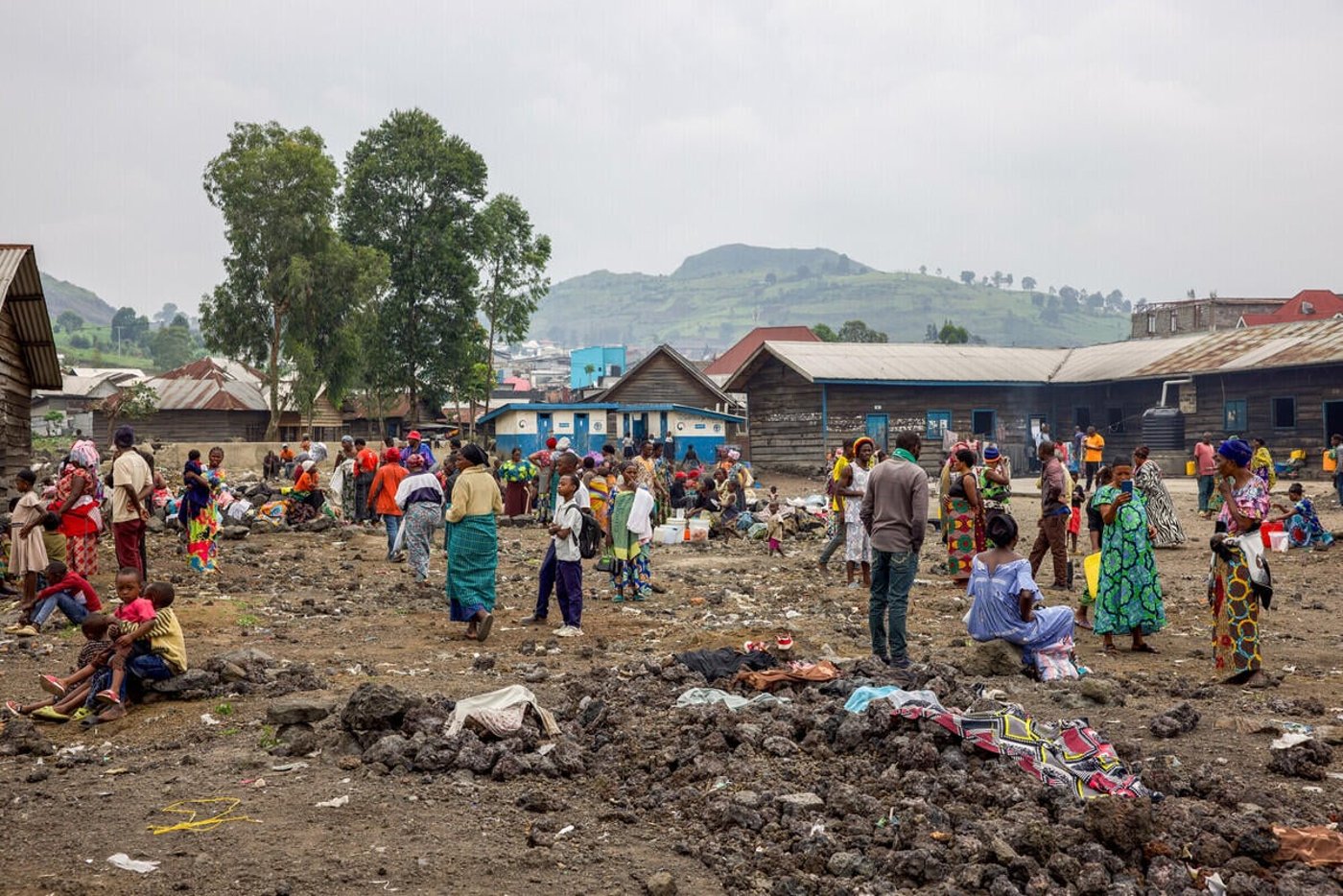
But in recent months we have witnessed a retreat. In the United States and increasingly in Europe we are seeing aid allocations determined by political interests and influence rather than based on where needs are greatest. Where we would expect leading development donors such as the EU to step in and cover the gap, EU development aid is often reoriented in support of EU’s strategic interests, away from the most fragile settings.
This shift away from solidarity risks reversing the progress made. When we say, “I give only if I get”, we all lose.
Donors must reenergise their support for people in crisis today, while also investing to help them build their tomorrow.
To reverse this trend, donors must reenergise their support for people in crisis today, while also investing to help them build their tomorrow. This means safeguarding humanitarian and development aid budgets in 2026 and standing firm behind the principle of solidarity. Through this joint effort in conflict and crisis-affected settings we can prevent millions of people from falling through the cracks.
