
Every week, the Norwegian Refugee Council (NRC) reads about criticism of foreign aid. The arguments often come to us through comments on social media. It is often from individuals living in wealthy countries who don’t want their tax dollars going to support people in far away places. Because, what difference does it really make? In some countries, foreign aid has been received for years, and sometimes even decades. And yet, people still need help.
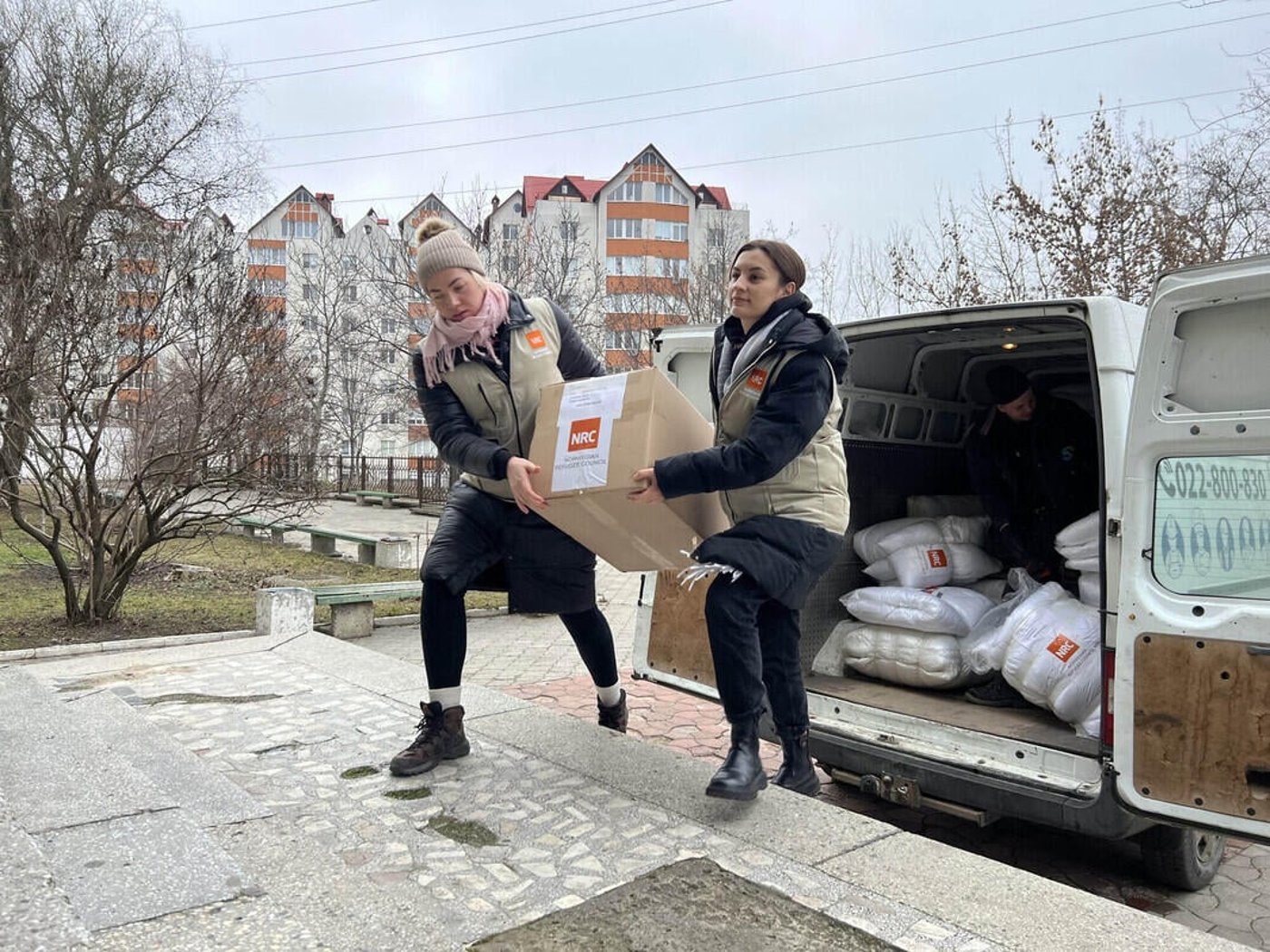
Does foreign aid really make a difference?
“It doesn’t add up!” as the criticism goes.
So, if you are wondering, does humanitarian aid actually work? Can it really make a difference? Then this is an article for you.
Introducing… The Expert
To answer this question, we turn to our head of Field Operations, Maureen Magee. She is responsible for making sure that humanitarian aid gets to the people who need it, when they need it.
Maureen has been working in the humanitarian aid sector for nearly 20 years. Before this, she worked in the development sector.
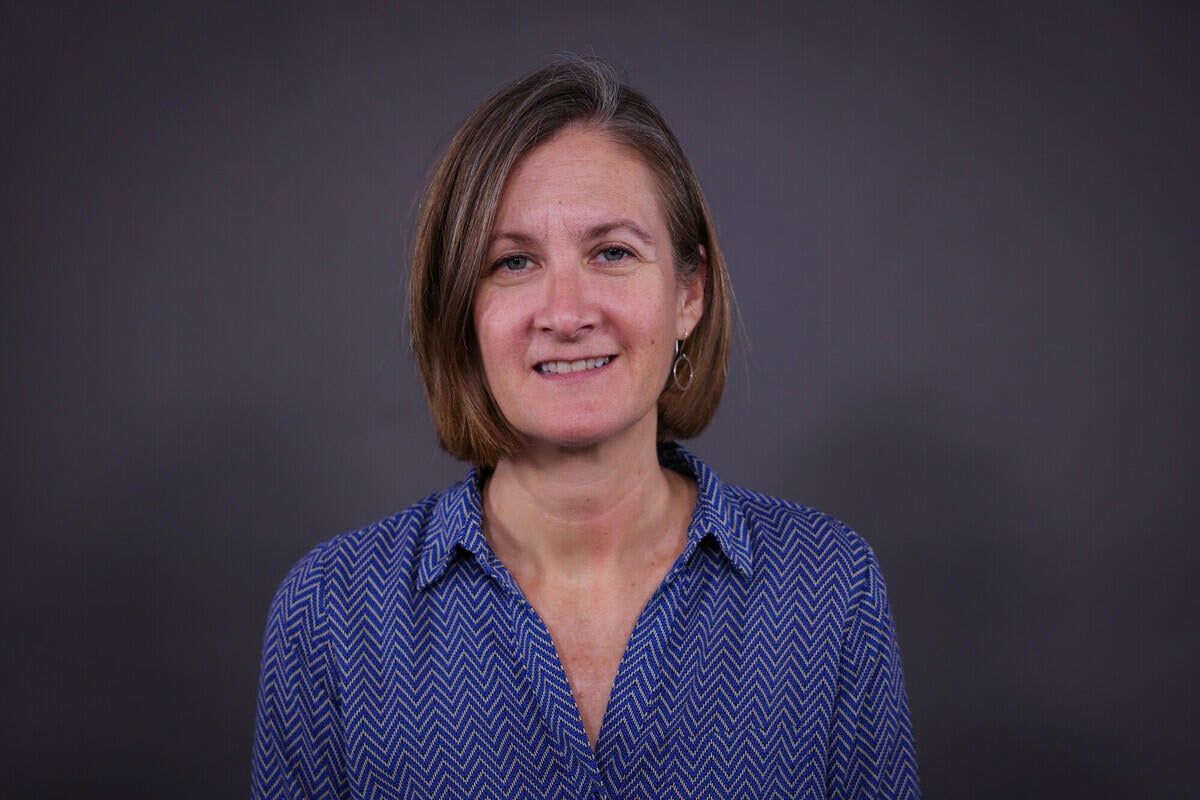
So, we sat down to ask her five critical questions to find out if aid works.
Does humanitarian aid make a difference?
When people are forced to flee their homes because there is a war, there is conflict, there is violence, oftentimes they leave everything behind. They show up to new places with nothing but what they were able to quickly grab. After tremendous hardship finding safety, families are quite often welcomed when arriving to a new community. Local communities, churches, mosques, distant relatives, or complete strangers - they're the ones who are there for them first. They are the ones giving them a blanket, something to drink, shelter from the elements. But oftentimes, these communities have very little themselves.
And so, humanitarian aid is the difference between sleeping under a piece of fabric and actually having a safe structure to lay your children down to rest under. It’s the difference between having access to clean water or walking many kilometres, sometimes in dangerous situations, to find water and lug it back to your family.
And in these communities of refuge, schools, for example, are often already full. And so when these new kids come, if there is no humanitarian aid to provide support to increase the capacity of those schools, to set up informal schools, to ensure there are enough teachers, paper, and pencils, then there really isn't an option for children to continue their education.
What would you say to a person who does not want their taxes spent on humanitarian aid?
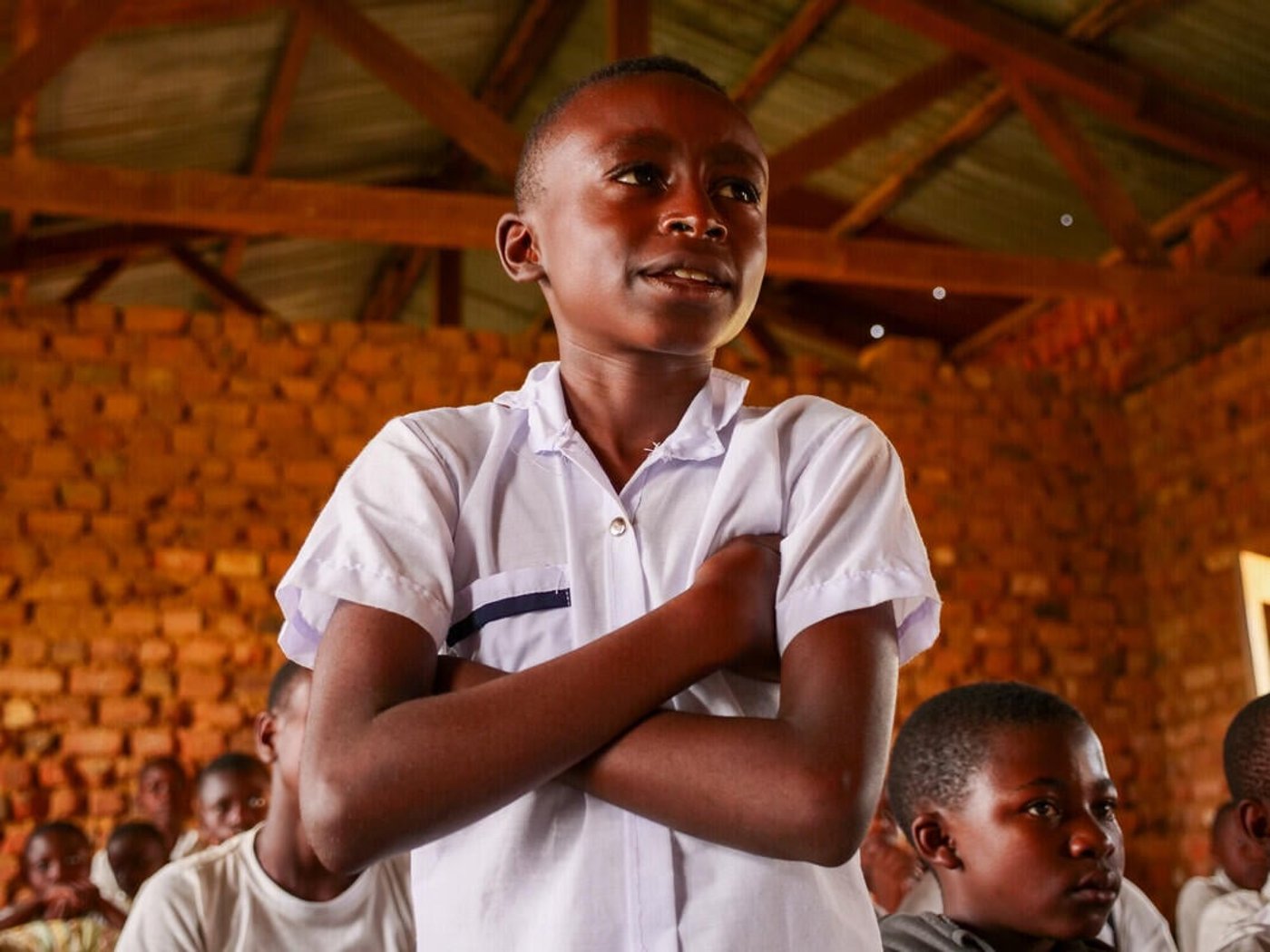
I would say to that person: “Do you have children yourselves? Do you have grandchildren? Do you remember what it was like, being 10 years old? Try to imagine yourself at 10 and then suddenly not being able to go to school. Not being able to play with a soccer ball. Not being able to fall asleep in safety.”
Humanitarian aid is about global solidarity, and it is very little compared to what we spend on things like candy.
You can get drowned in the numbers of the hundreds of millions of people affected, and it can be very difficult to understand or relate to.
But if you can take a step back and think what it would it have been like when you were 10 years old to have to leave your home, go to a place where you know no one, having experienced violence, having seen people killed, injured, or sexually assaulted?
It can be easier to recognise that humanitarian aid can make an extreme difference in the life of one individual.
I've heard people say, "Isn't it frustrating working as a humanitarian aid worker as you are just putting on a Band-Aid? It's not changing anything for the long term."
But in situations of conflict and displacement, a Band-Aid is what is needed. It's essential to put that Band-Aid on a wound that is bleeding. And it is the first step towards lasting change.
Aid may save lives in the short term, but what about the long term?
It is about the short term, but I think there's also can be a misconception that aid is just handing people a bag of rice and a blanket. And, of course, in an acute emergency response this is essential. But humanitarian aid is also about resilience. It's about getting people back up on their feet. And the way that we work with local communities, with local markets, it's also about creating that environment so that people are not dependent on assistance.
Humanitarian aid is also about supporting those systems so that people are able to get back on their feet and move forward, even if they're unable to return home.
It’s been a year since the US stopped funding foreign aid, and other nations are also cutting back – what has been the impact?
The impact has already been tremendous and we haven’t seen the full impact yet.
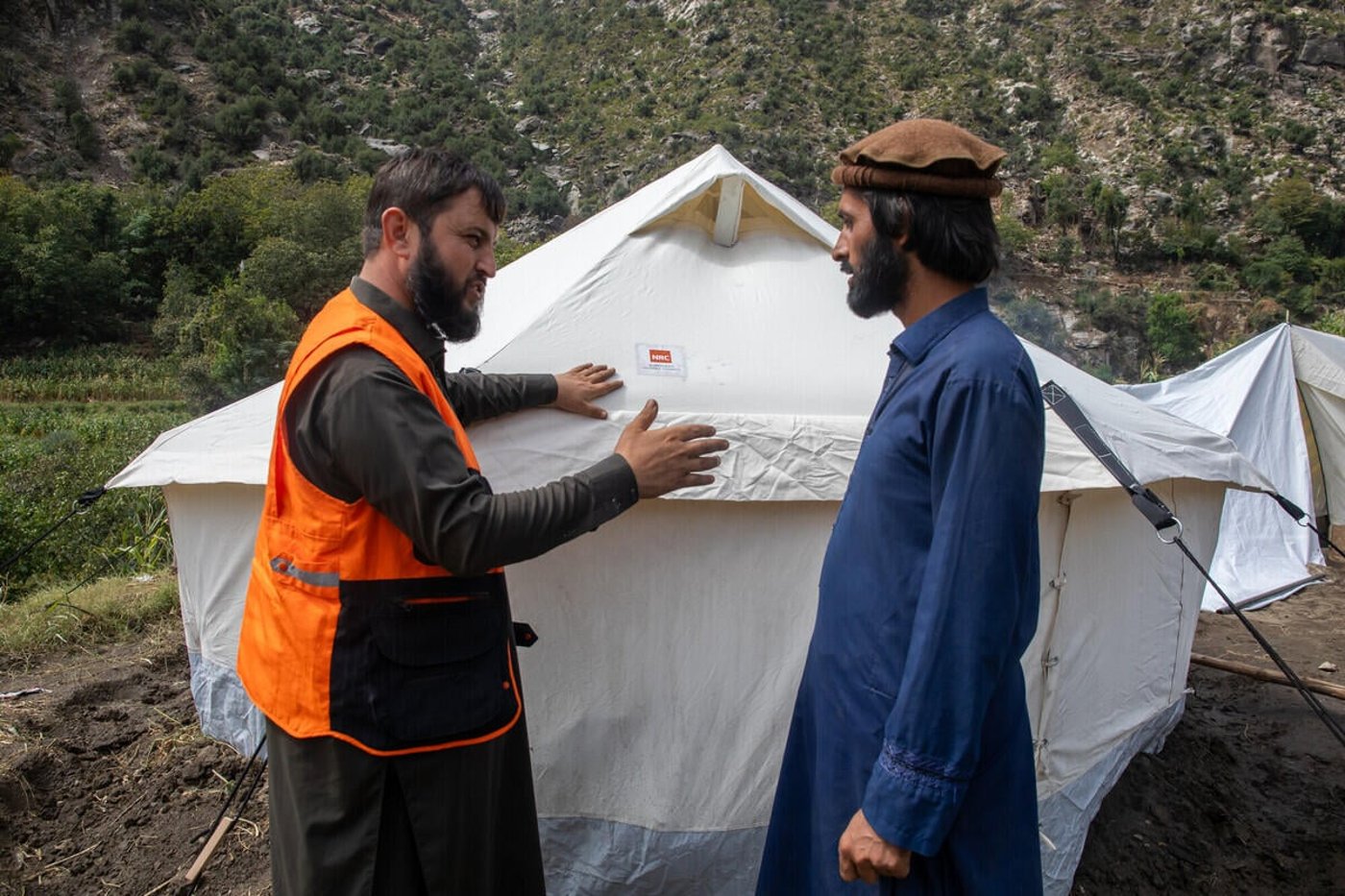
Stopping humanitarian aid is hugely problematic. Especially in countries like Afghanistan, where the US was the main funder of aid.
Afghanistan is an example where communities have suffered decades of conflict.
You have an economic crisis. You have an environmental and climatic shock. There was the earthquake there last year. And at the same time, more than two and a half million people have returned from neighbouring countries.
And the community solidarity that I was speaking of earlier, of course, it's there in people's hearts. But people just don’t have the resources to be able to share.
We are talking about women, we are talking about children. We are talking about families. It shouldn't be about politics. It should be about those people.
Read about our work in Afghanistan
At NRC, we’re an organisation that invests in community relationships, invests in training our staff. We invest to be able to be where aid is needed most in those difficult locations.
And that has of course, a price tag that comes with it. And that could be a real-life impact of reduced aid. Organisations may be forced to focus on supporting people where it is easier to get to, where it is less costly. And then those with the greatest needs in those difficult to reach areas will be more and more likely to be left behind.
We seem to be at a precipice. While we see wealthy governments reducing their aid budgets, we also see individuals, we see the private sector, we see others who are willing to step up and support communities and organisations like NRC. This generosity cannot replace institutional funding.
But again, if we look away from the huge numbers of hundreds of millions in need, and we think about one community and what we can do with the funds that are provided from individuals, from families, it really can make a tremendous difference.
There are some displacement crises that continue for years, or even decades. What’s the point in humanitarian aid if the crises never seem to end?
I think there can be fatigue, right? It's been years and years and decades and decades for us on the outside, for donors providing funding. But what I say to you is imagine what that is like for someone living within those seemingly endless crises? Imagine someone living in the eastern part of the Democratic Republic of the Congo, for example. Someone who has maybe fled their home for a third, fourth, fifth time. For a grandmother who not only had to flee herself but now she's watched her children have to flee and her grandchildren have to flee. So, as tired as we may feel sometimes about giving, let's think about how tired people are who haven’t been able to stop running.
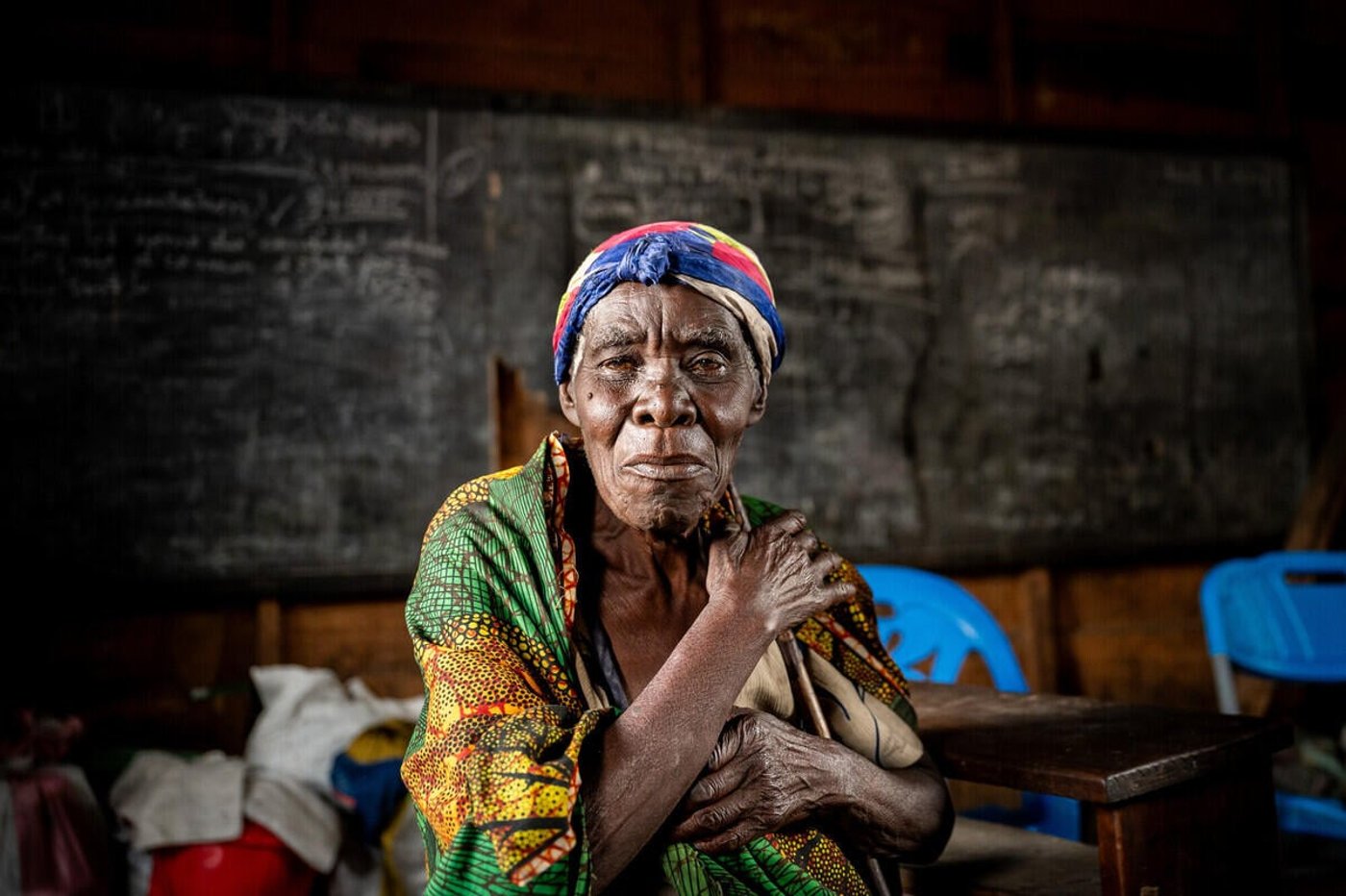
Is this the time to say, "We're not going to support you"? It's not that woman or child who caused this conflict and it's absolutely not the moment to turn our backs.
And is there ever a moment? Let’s go back to the 10-year-old child.
It's a different 10-year-old child every few years that's having to flee.
And each one of them deserves access to education.
Each one of them deserves clean water, food. And a safe place to live.
Should we really turn our backs on them?
***
Your support is more critical than ever before. Donate today.
