
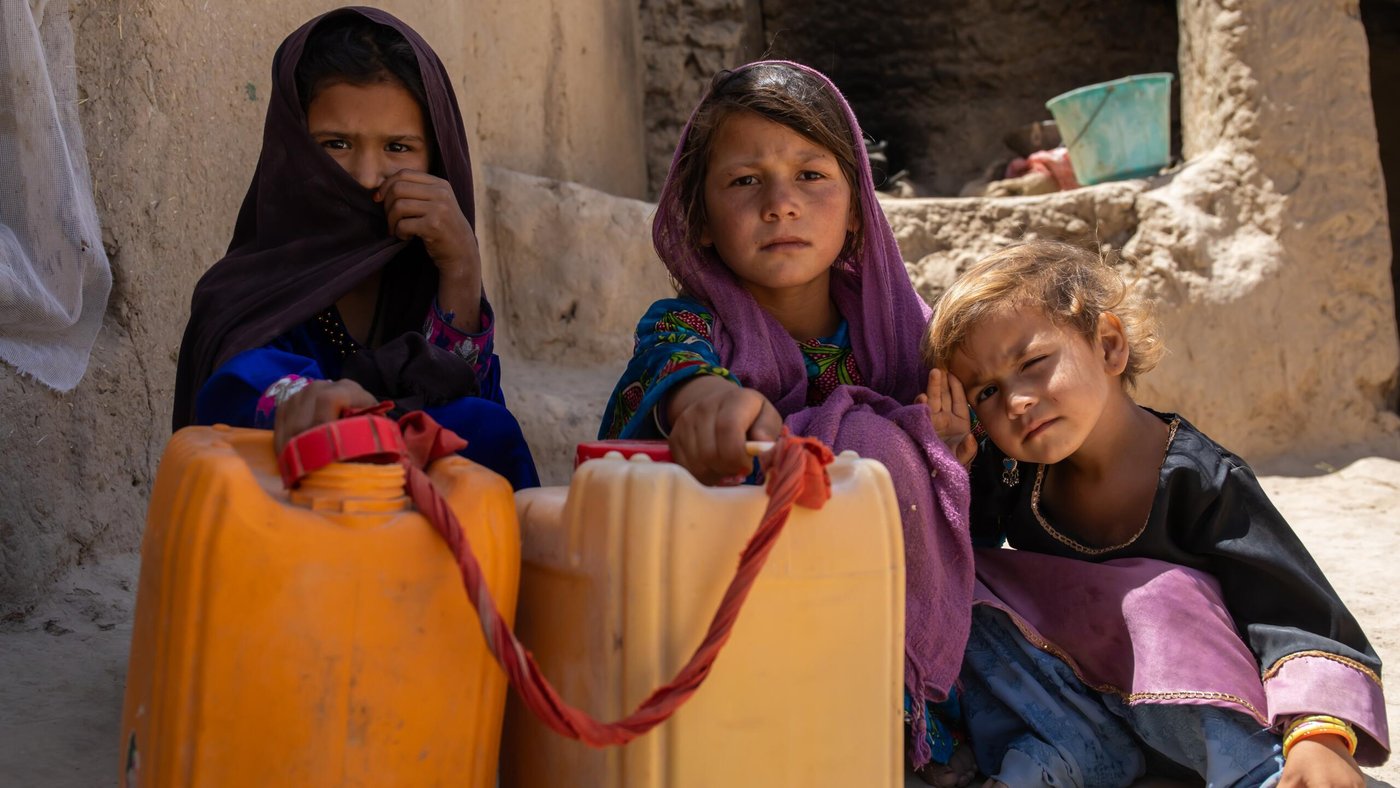
In Afghanistan, decades of war, political unrest and economic turmoil have forced families from their homes and left millions of people in chronic poverty – made worse by recurrent droughts, earthquakes, flooding and regional tensions.
NRC in Afghanistan
The Norwegian Refugee Council (NRC) is on the ground, doing everything we can to help people feed their families, find shelter and access clean water – as well as protecting those who have been displaced, especially vulnerable women and children.
What’s happening in Afghanistan?
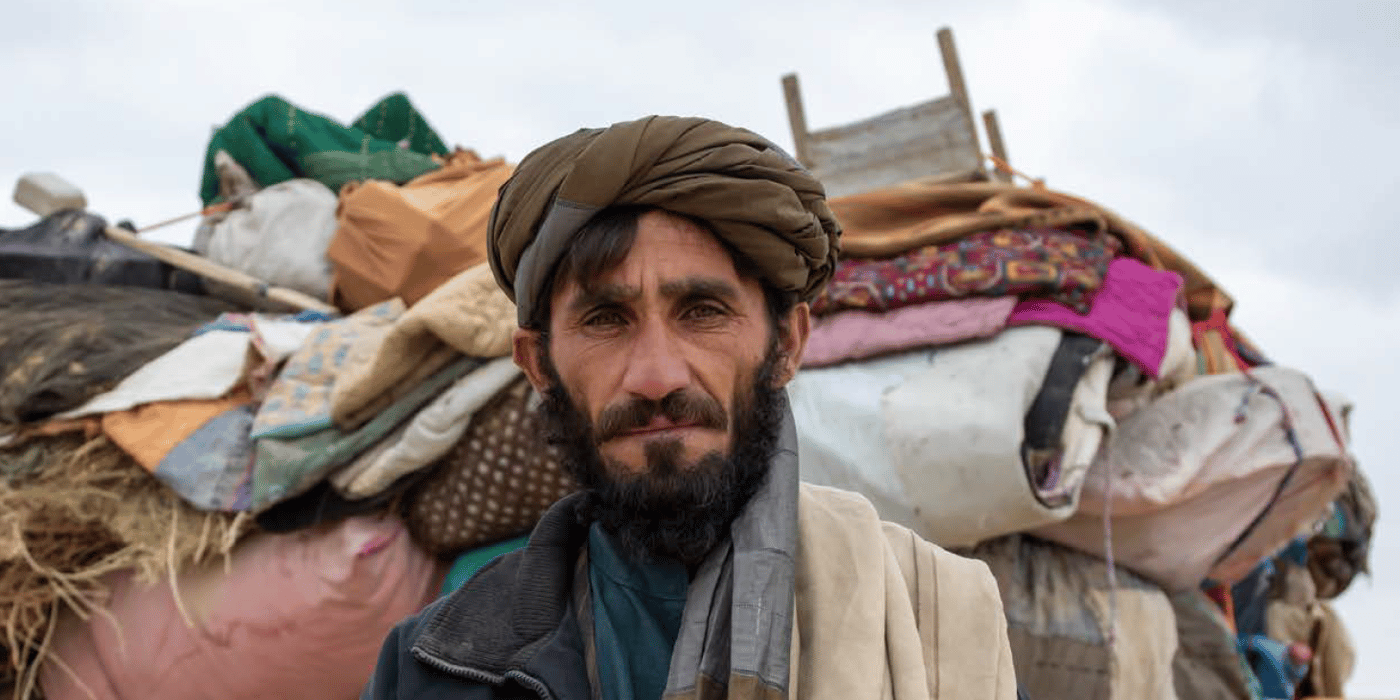
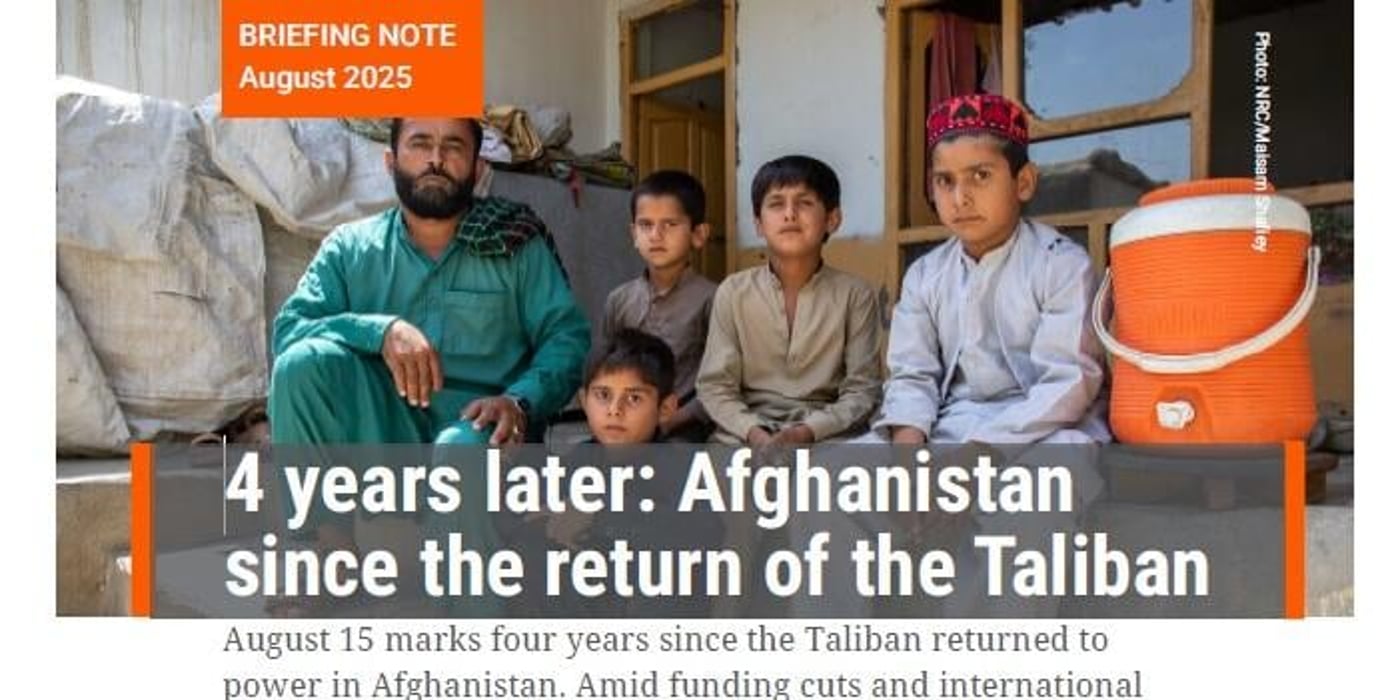
Although the country-wide war ended in 2021, Afghanistan’s humanitarian crisis continues. Mass returns from Iran and Pakistan are placing further pressure on communities already struggling with poverty, economic instability and recurrent disasters. Today, an estimated 21.9 million people in Afghanistan require support, while 3.2 million people remain internally displaced and living in precarious conditions.
Across the country, unemployment is widespread, food costs are soaring and many people remain heavily reliant on aid. Most Afghans now live below the poverty line, while millions are experiencing food insecurity.
This already dire situation has been made worse by mass returns from neighbouring countries, with over six million Afghans returning from Iran and Pakistan since late 2023. Ongoing regional tensions have also disrupted trade routes and driven inflation, while severe funding shortfalls continue to limit humanitarian response efforts.
Our response
We’re working with our partners in the following areas:
-
Water, sanitation and hygiene - constructing, repairing and maintaining safe water supplies, latrines and bathing facilities, as well as helping to tackle deadly waterborne diseases.
-
Shelter and settlements – providing people with temporary shelter during emergencies, helping them withstand harsh weather conditions, and constructing or repairing more permanent, climate-adapted places to live.
-
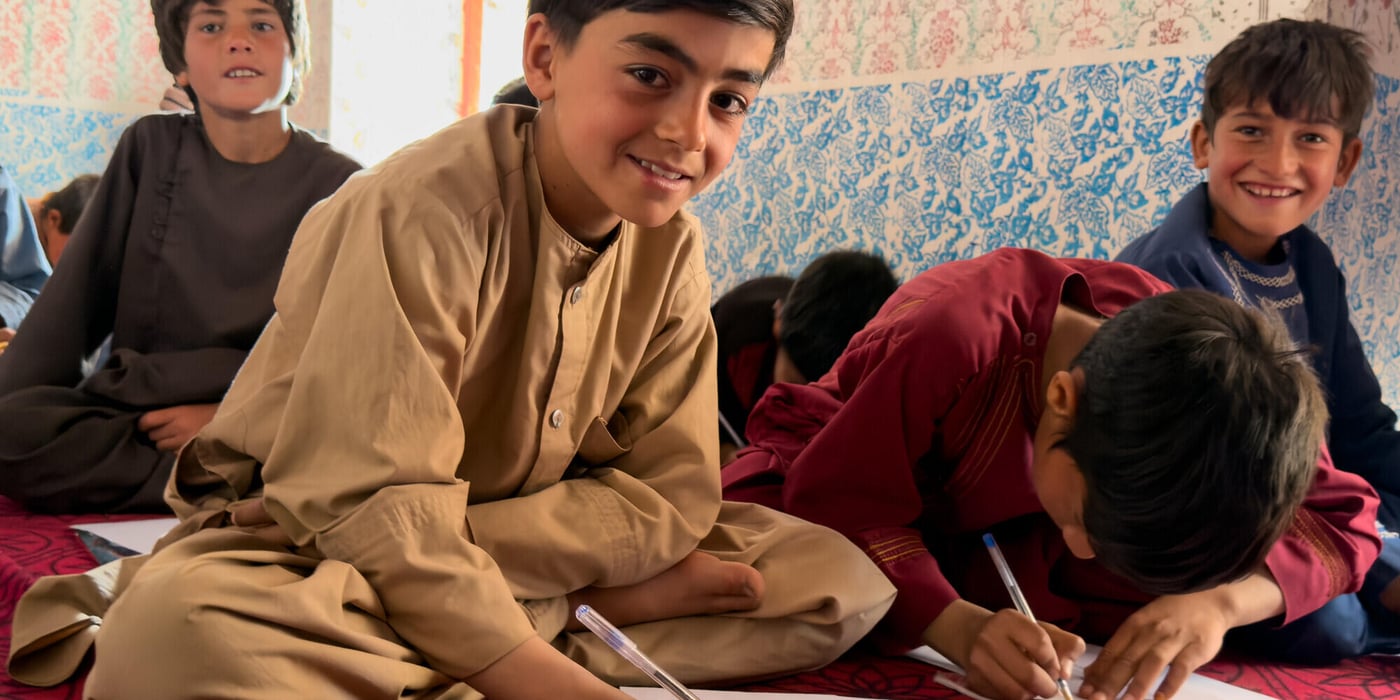
Education – providing community-based learning for out-of-school and displaced children, supporting transitions to formal schooling, creating safe spaces for trauma recovery.
-
Protection from violence – running community safety programmes and protection services, and helping vulnerable people reduce protection risks and access support.
-
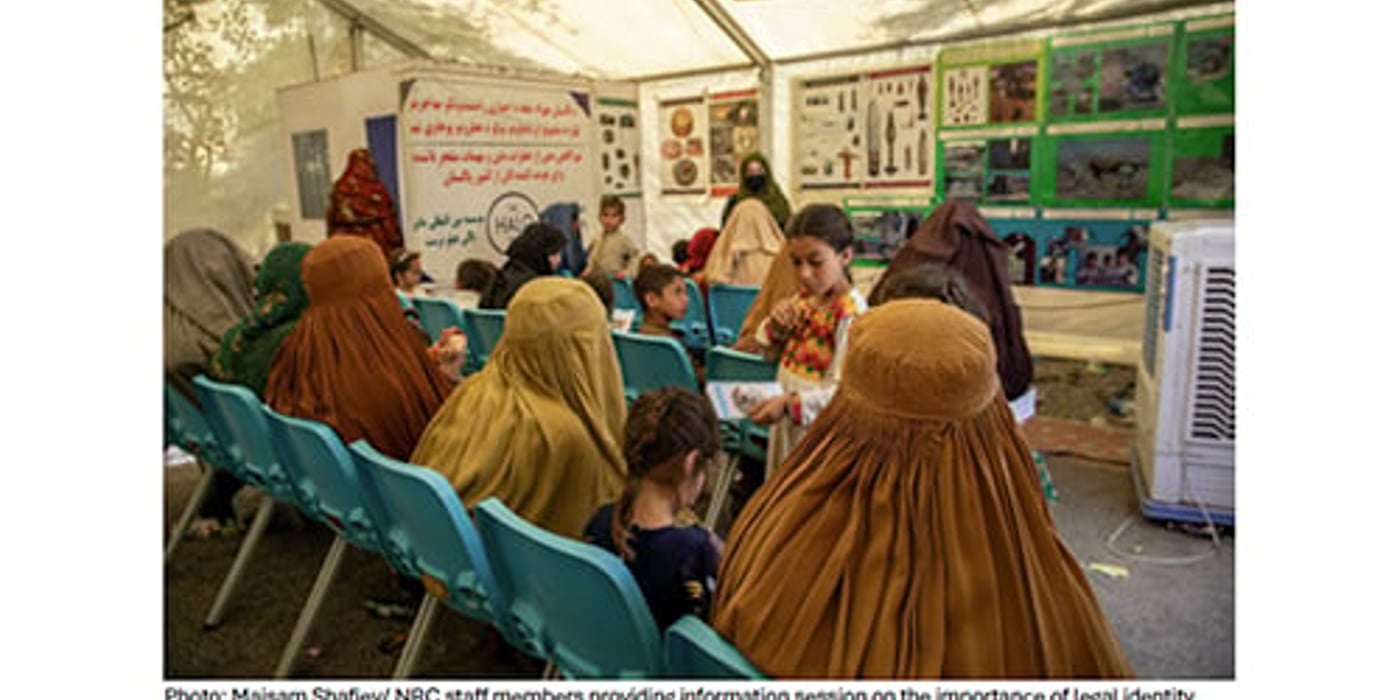
Information, counselling and legal assistance – helping people obtain identity documentation, get advice on employment law and essential services and claim housing, land and property rights.
-
Emergency response – responding to disasters and the effects of climate change by providing emergency supplies and cash assistance, as well as supporting emergency preparedness.

Our operations
NRC office established: 2003
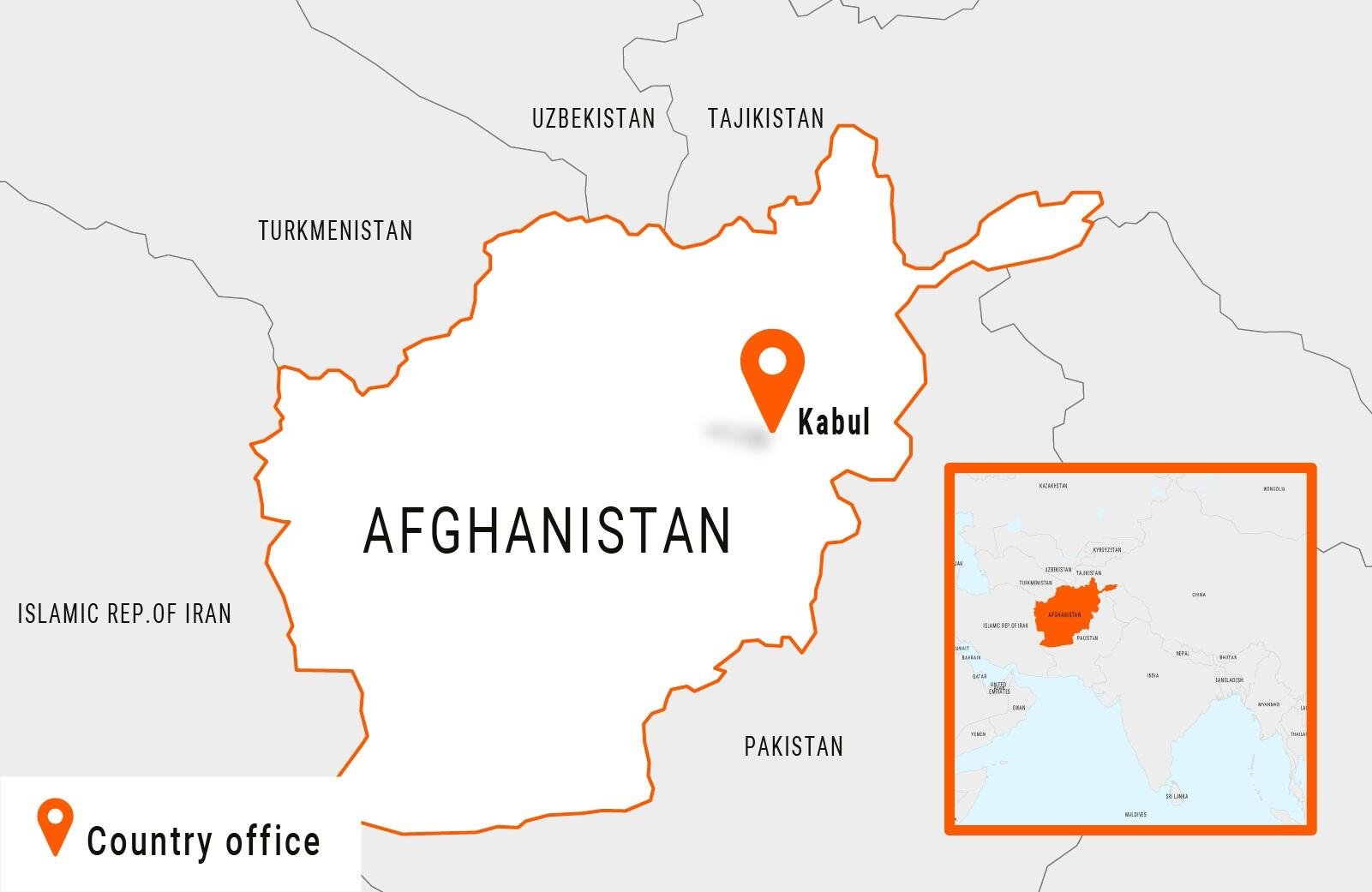
Areas of operation: Kabul (country office), Badghis, Balkh, Faryab, Herat, Kabul, Kandahar, Khost, Kunduz, Nangarhar, Sar-e-pul, Uruzgan, Zabul
Country Director: Jacopo Caridi
Contact: af-infonew@nrc.no
Our impact
In 2025, we assisted 341,064 people through our programmes in Afghanistan:
-
57,611Education
-
37,587Livelihoods and food security
-
58,318Shelter and settlements
-
28,244Protection from violence
-
82,698Information, counselling and legal assistance
-
89,385Water, sanitation and hygiene
-
7,056Multi-purpose cash assistance
Note: some people received more than one type of assistance.