
Funding cuts have forced NRC Guatemala to close its doors, leaving thousands of displaced people without support.
The Norwegian Refugee Council (NRC) opened its offices in Guatemala in 2022. Since then, we have assisted more than 29,000 people displaced by widespread violence, including asylum seekers, migrants and people in transit in need of protection, and children outside the education system.
Although the needs remain, we have now been forced to close our operations in the country due to financial cuts to humanitarian aid.
Lack of funding despite needs
Violence linked to organised crime and drug trafficking, coupled with extreme poverty, hunger, and disasters such as floods and landslides, has driven the displacement of 1.2 million people within Guatemala.
Despite the urgency and unmet needs, NRC and other international and local organisations have seen their capacity to assist the most vulnerable people reduced due to the underfunding of humanitarian aid.
The 2025 Humanitarian Response Plan for Guatemala identified that US$100.6 million was required to meet the needs of one million vulnerable Guatemalans. By the end of the year, just US$19.9 million had been received – less than 20 per cent of the amount needed.
Many people flee their homes unprotected due to violence from armed groups.Giorgio Lentini, NRC’s country director for North of Central America and Mexico
“Humanitarian needs in Guatemala, particularly those of forcibly displaced people, have received little attention from the international community. Many people flee their homes unprotected due to violence from armed groups. Recent cuts to humanitarian aid and the abandonment of international donors have worsened the situation for the most vulnerable,” says Giorgio Lentini, NRC’s country director for North of Central America and Mexico.
Local organisations need support
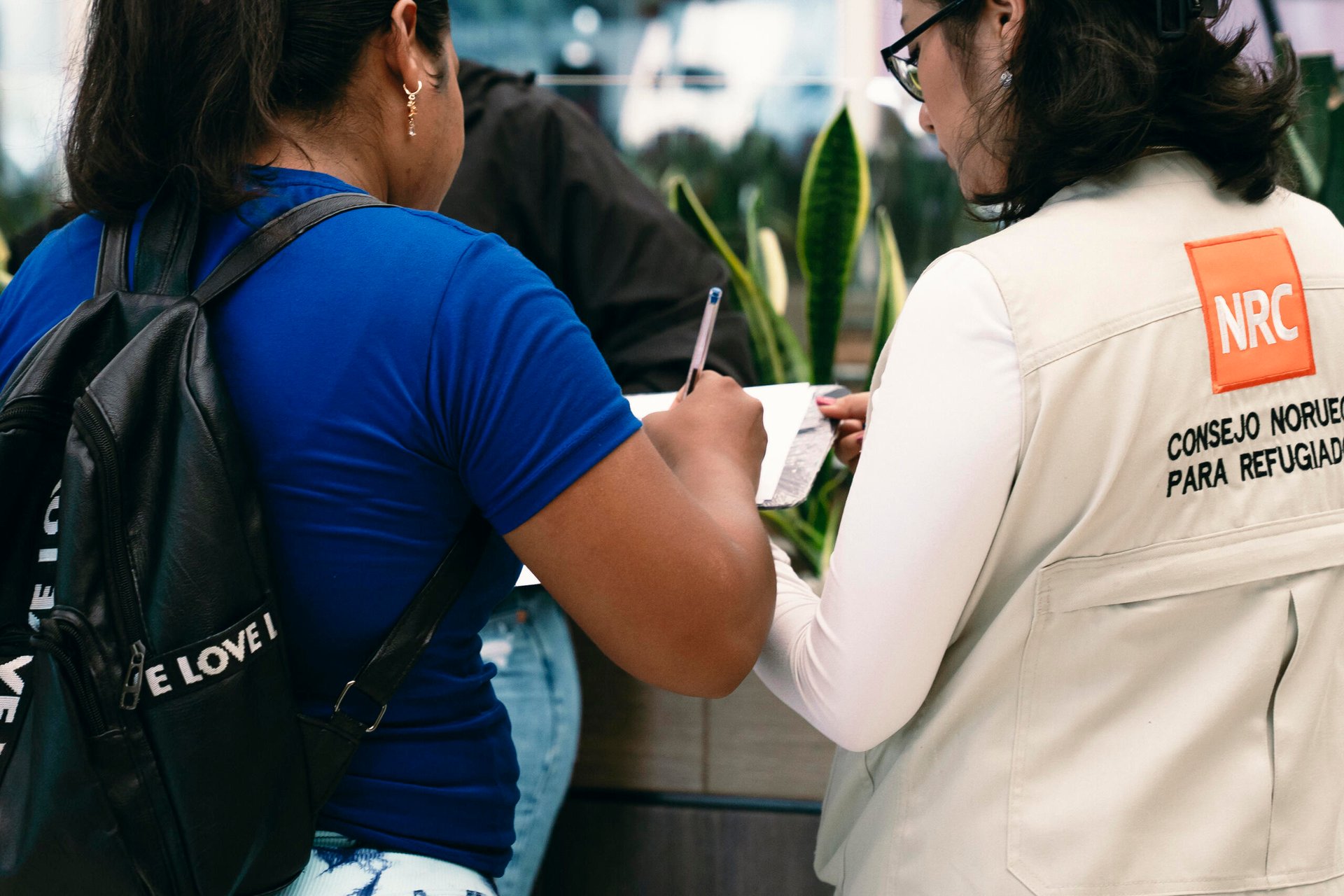
Through our protection, emergency education, legal assistance and livelihood programmes, NRC Guatemala provided assistance to displaced people and those at risk of displacement – including children and young people outside the school system, migrants in transit in need of protection, deportees, and asylum seekers.
We also supported local organisations providing shelter, specialised mental health services, and care for women who had been victims of gender-based violence.
It has been a huge shock for us to learn that NRC is closing its doors.Lorena Gómez, project manager with Casa Migrante, one of NRC's local partners
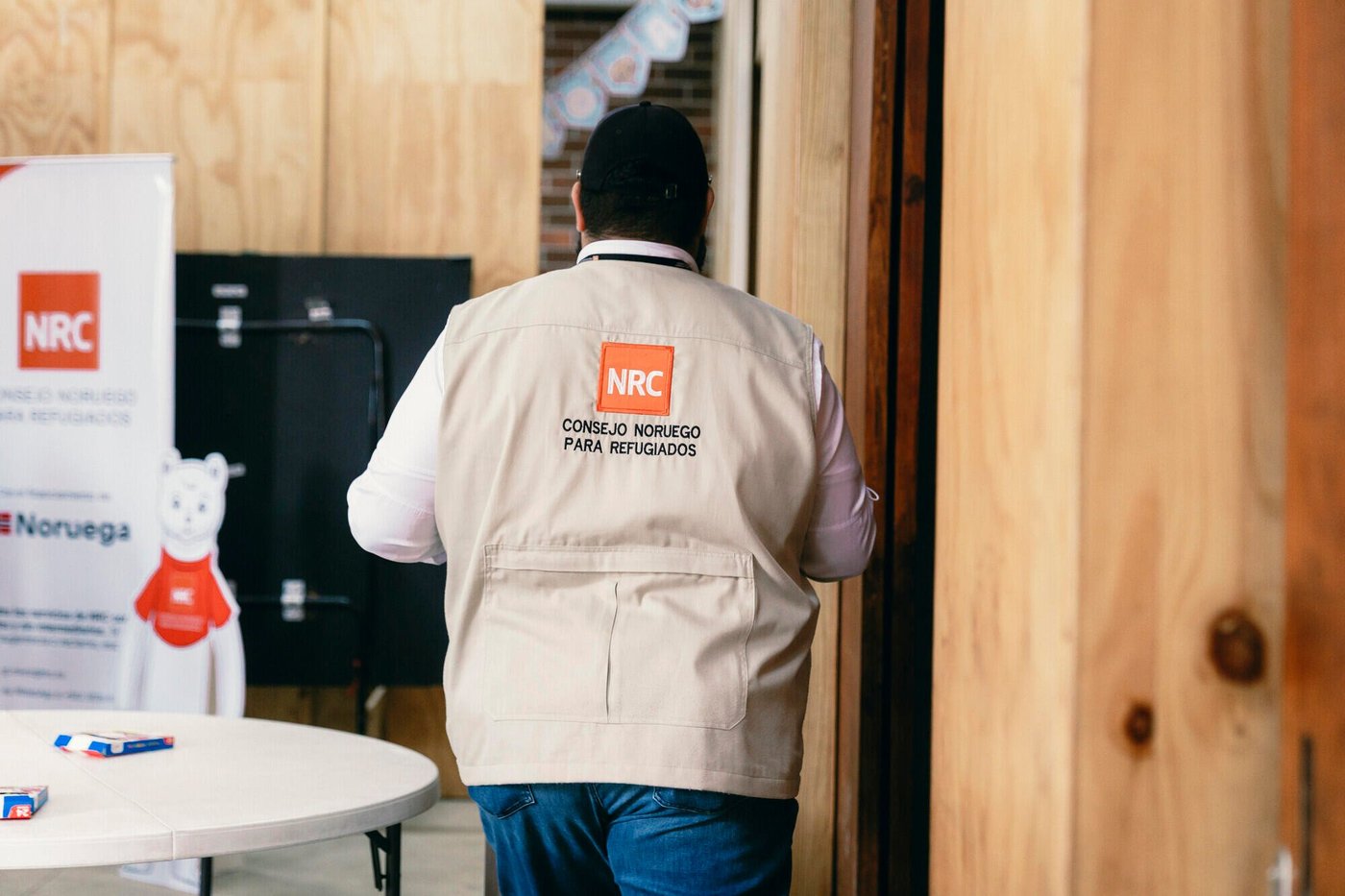
“With the closure of NRC in Guatemala, not only have actions aimed at vulnerable populations been reduced, but also those aimed at local actors and social organisations that provide services to people at risk,” says Sucely Donis, NRC’s protection coordinator in Guatemala.
Casa Migrante is one of NRC’s partners in Guatemala. Lorena Gómez, who is a project manager with the organisation, says they are feeling the impact: “It has been a huge shock for us to learn that NRC is closing its doors, especially because people in situations of forced human mobility continue to use our shelter services.”
Unprotected refugees and migrants
Guatemala has historically been a country of origin for refugees and migrants – that is, people who are expelled from or flee their communities and their country due to violence, extreme poverty or climate events.
But because of its location on the route to the United States, it is also a country of transit and, on occasions, a destination for refugees and migrants in need of protection.
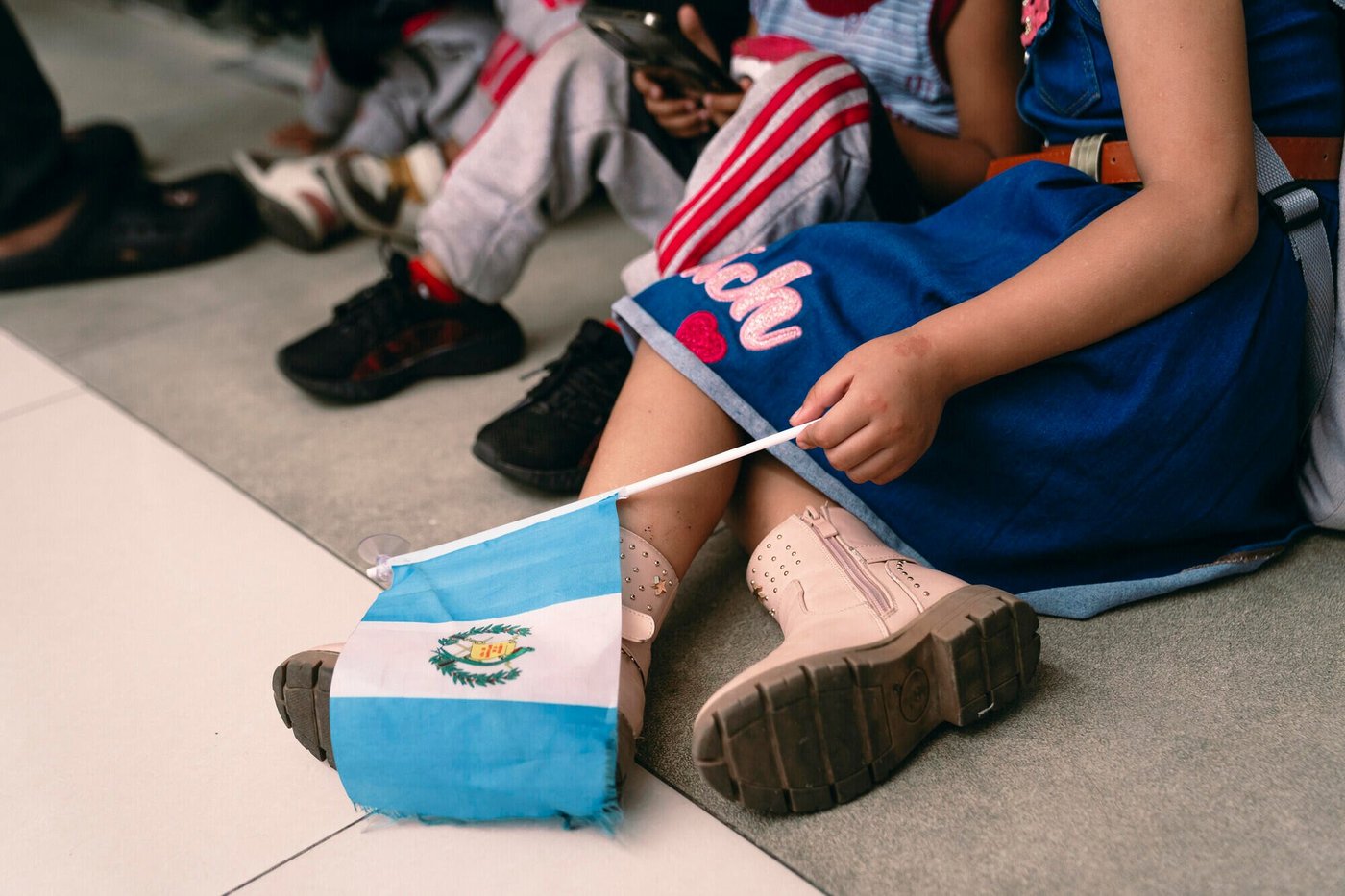
In 2024, close to 450,000 refugees and migrants entered Guatemala on their way north, according to the International Organization for Migration (IOM). Coming mainly from Venezuela, Honduras, El Salvador and Colombia, they were often extremely vulnerable. Children, women and elderly people risked their safety in the face of organised crime and the dangers of an uncertain journey.
Although there was a significant reduction in the number of people crossing northwards through Guatemala in 2025, protection needs persist. These needs are no longer being addressed by humanitarian organisations due to financial cuts.
A growing protection gap
From 2022 to 2025, NRC provided protection, guidance and legal assistance services to more than 15,000 refugees and migrants in Guatemala so that they could obtain vital documentation and access their rights.

We also assisted Guatemalans returning from the United States and Mexico. Many lacked the support networks or resources to resettle, and some were in need of protection as they returned to face the very risks that caused them to leave in the first place.
“Organised crime and violence are on the rise, and without organisations to support people, they are more vulnerable than before," says Donis.
Lentini believes the international community must step up.
“The international community and donors such as the United States and Europe must not forget Guatemala and the humanitarian needs of the most vulnerable, particularly those affected by violence. As NRC, we will continue to seek other ways to support those who need it most,” he concludes.
NRC acknowledges and appreciates the contributions of all our staff in Guatemala, as well as the local organisations and Guatemalan public institutions that have enabled our work over the last four years.
