
For four decades, Iran has welcomed and hosted Afghans fleeing from conflict and persecution. In fact, it hosts more refugees than any other country in the world.
NRC in Iran
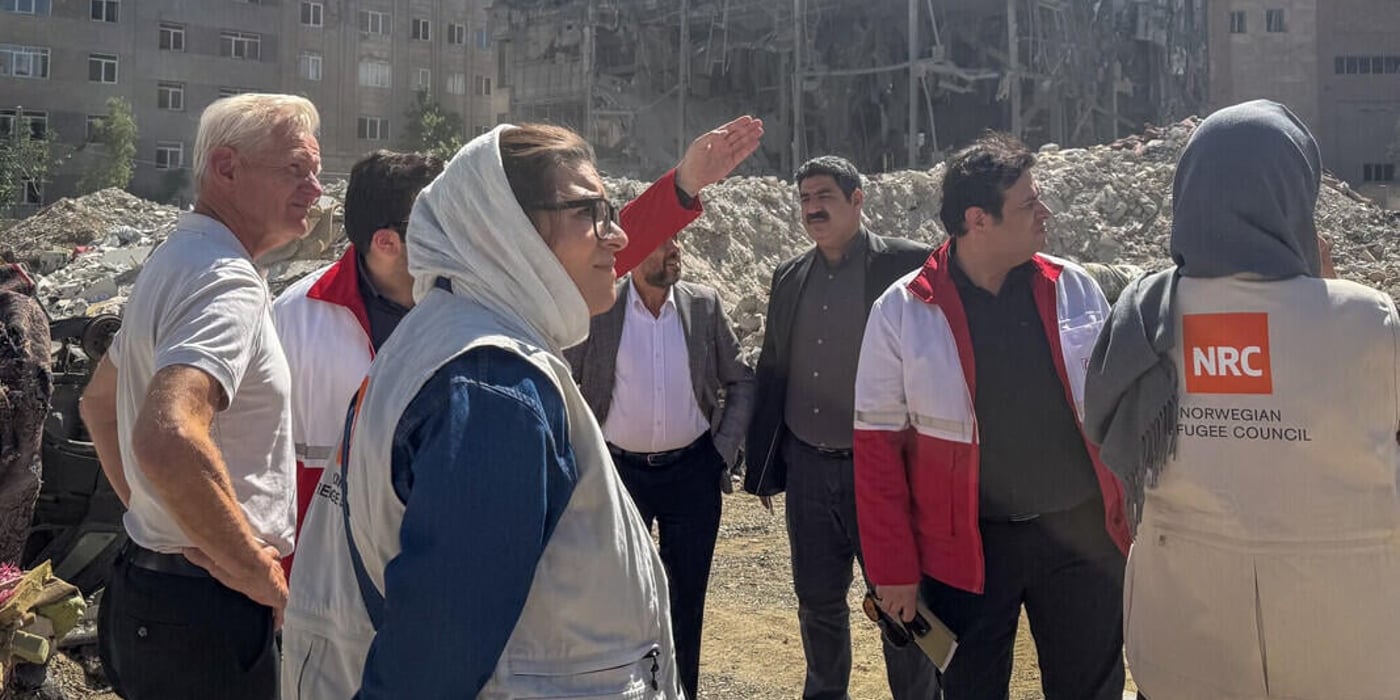
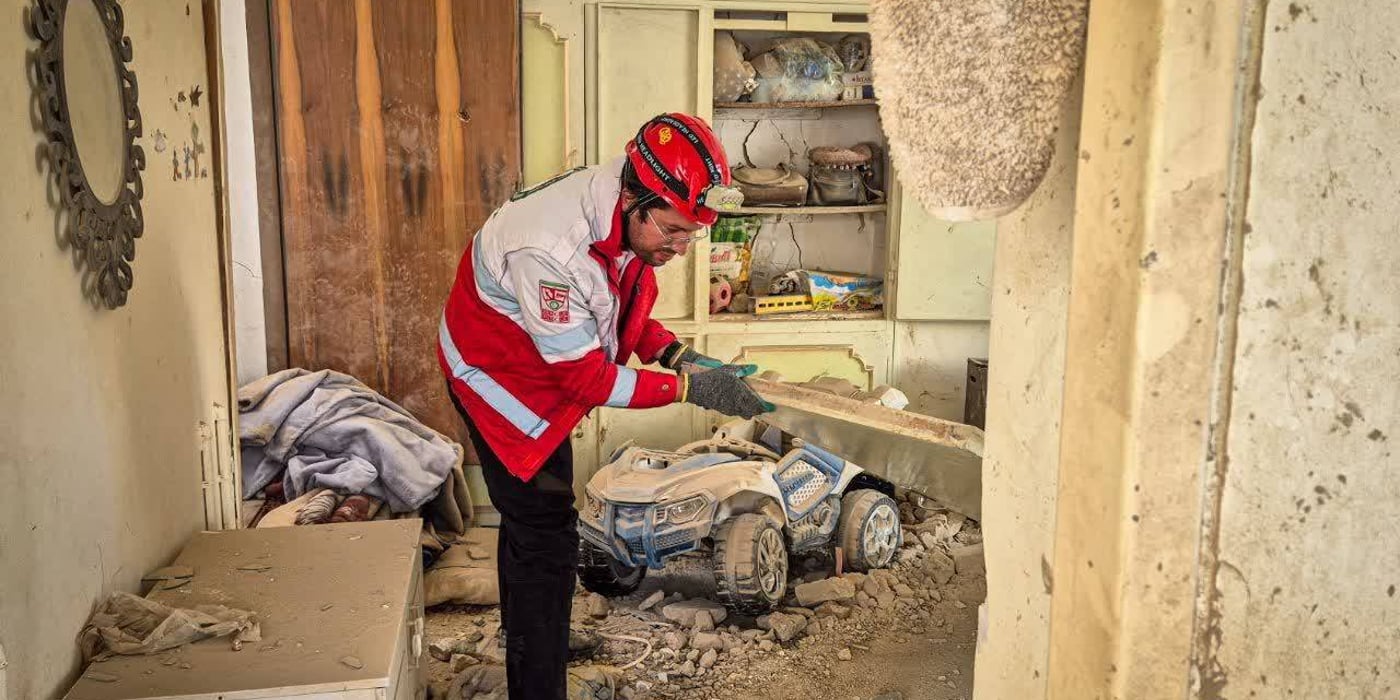
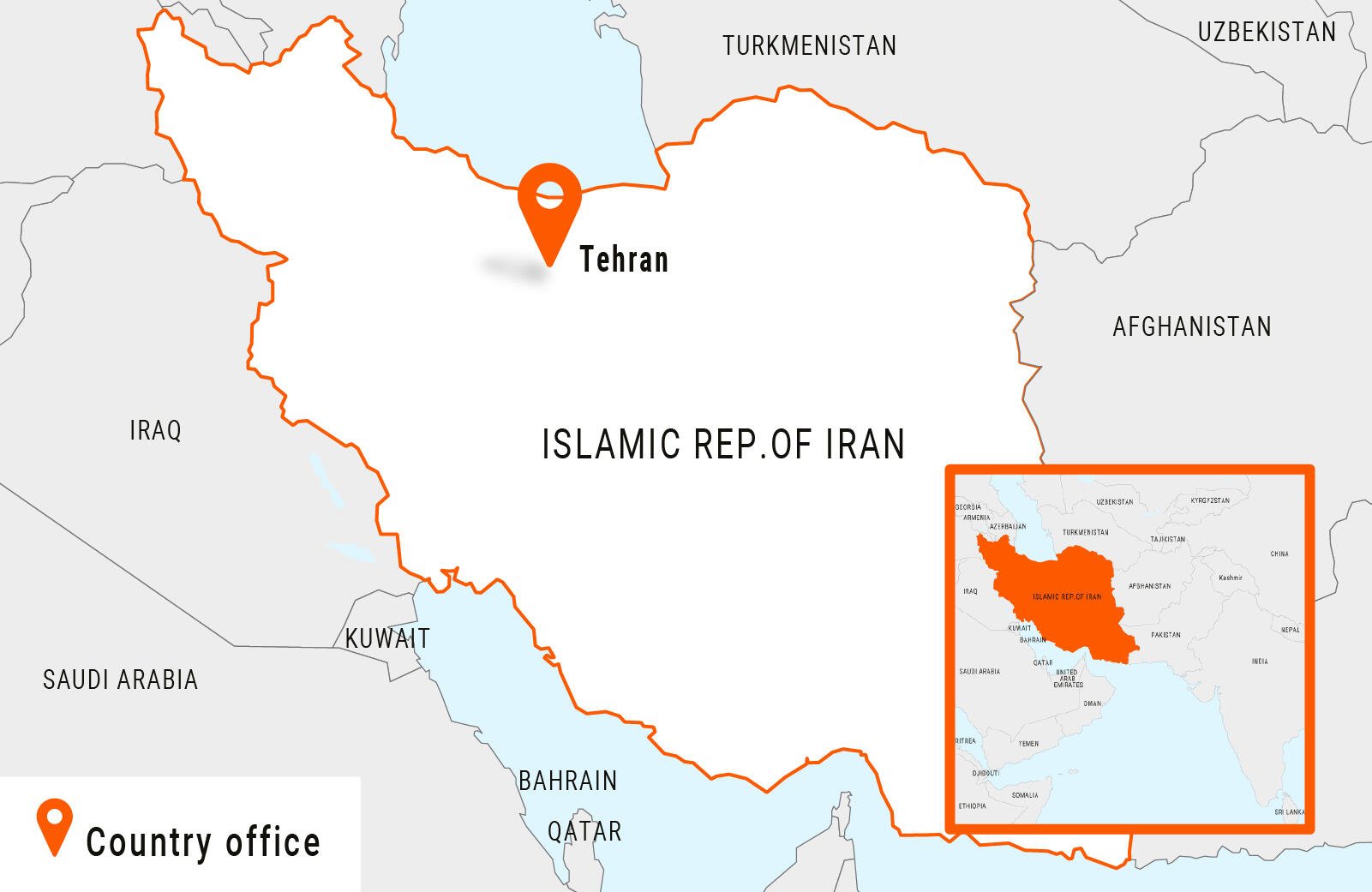
The Norwegian Refugee Council (NRC) has assisted displaced people in Iran since 2012. Now, we are working to improve protection and humanitarian services across nine provinces. At times of extreme need, we expand our programmes to help – for instance, when disasters strike.
What’s happening in Iran?
Iran has long been a sanctuary for displaced Afghan families, with numbers rising sharply since the Taliban takeover in 2021. Today, thousands of Afghans enter Iran every day, usually via informal border crossings.
Once there, they join the vast population of Afghan refugees who’ve been in the country for years, some even for decades. Many of these people have grown up in exile. Iran is the only home they’ve ever known. And under its long-standing inclusive refugee policies, all Afghans have been eligible for primary healthcare and Afghan children have been able to study in local public schools.
Yet, in late 2024, the Iranian authorities approved a deportation plan to send two million Afghan refugees back to Afghanistan by March 2025. This caused a huge, unprecedented increase in both deportations and voluntary returns – and in 2025 alone, more than 1.8 million Afghans were forced to leave Iran.
During summer 2025, in contrast to previous waves of returns, whole families were seen returning. This also coincided with the Iran–Israel conflict, which exacerbated the pace of Afghan arrests, with many accused of weapon possession and spying.
While undocumented Afghans are the main targets, all previously valid forms of refugee documentation have now been annulled. People in need of international protection or with exceptional cases are required to receive their temporary cards in time to be protected. Even registered refugees with Amayesh cards have to undergo lengthy and costly bureaucratic processes to receive their documentation in time.
Without these cards, refugees can no longer benefit from public resources, access essential services or obtain work permits. Unprotected against deportation and living in a state of desperation and uncertainty, they are in critical need of humanitarian support.
Our response
We’re working with our partners in the following areas:
- Water, sanitation and hygiene – distributing hygiene kits and installing latrines, showers and handwashing facilities in refugee settlements and schools.
- Shelter and settlements – building shelters and community infrastructure, including playgrounds, community centres and sport courts.
- Livelihoods and food security – providing cash assistance to cover basic essentials, running income-generating workshops and training young people in vocational skills like tailoring.
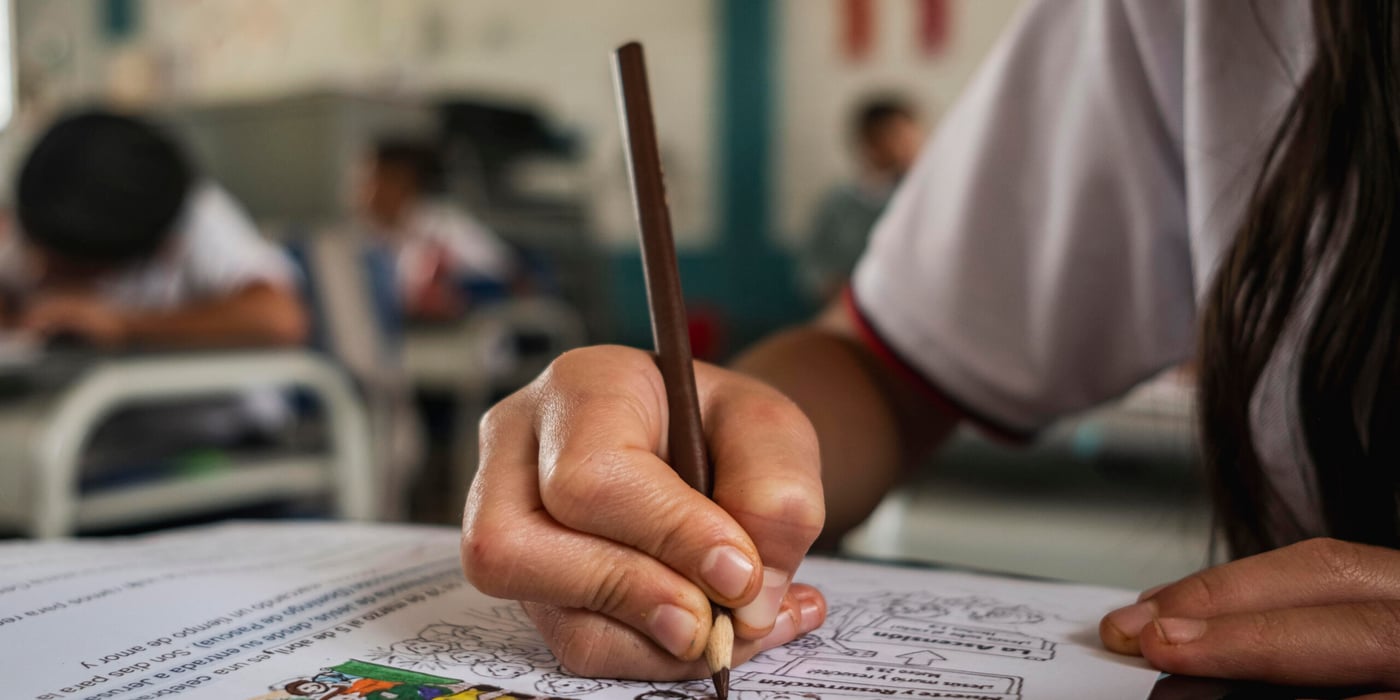
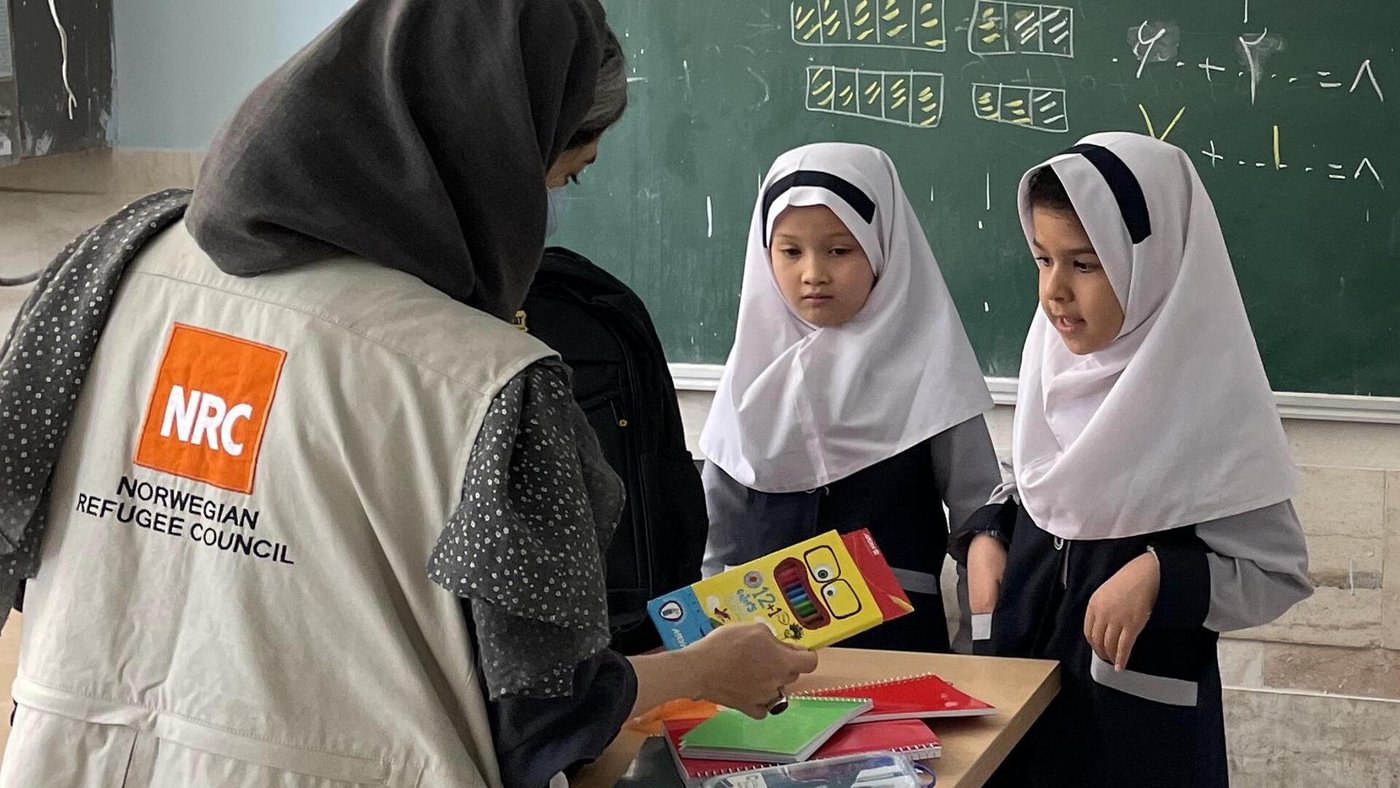
- Education – renovating classrooms, distributing learning materials and providing cash assistance so families can continue to send their children to school.
- Protection from violence – a newly established programme promotes the rights of at-risk refugees and host communities by helping them access protection, health and psychosocial wellbeing services.
- Information, counselling and legal assistance – ensuring people have proper documentation and can maintain their legal status in Iran.

Our operations
NRC office established: 2012
Areas of operation: Alborz, Hormozgan, Kerman, Markazi, Qom, Razavi Khorasan, Sistan and Baluchestan, Tehran, Yazd
Country Director: Martje van Raamsdonk
Contact: ir.info@nrc.no
Our impact
In 2025, we assisted 114,403 people through our programmes in Iran:
-
33,796Education
-
20,545Livelihoods and food security
-
5,434Shelter and settlements
-
11,935Protection from violence
-
42,286Information, counselling and legal assistance
-
8,797Water, sanitation and hygiene
-
12,079Multi-purpose cash assistance
Note: some people received more than one type of assistance.