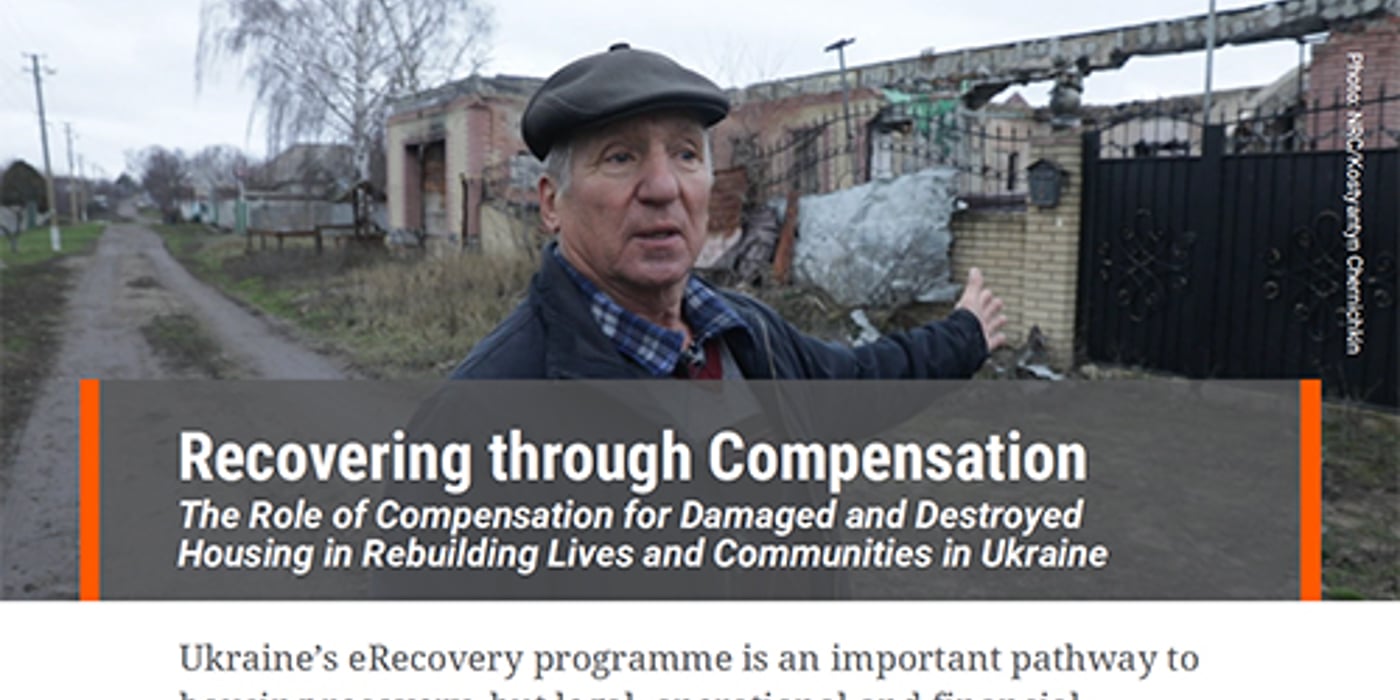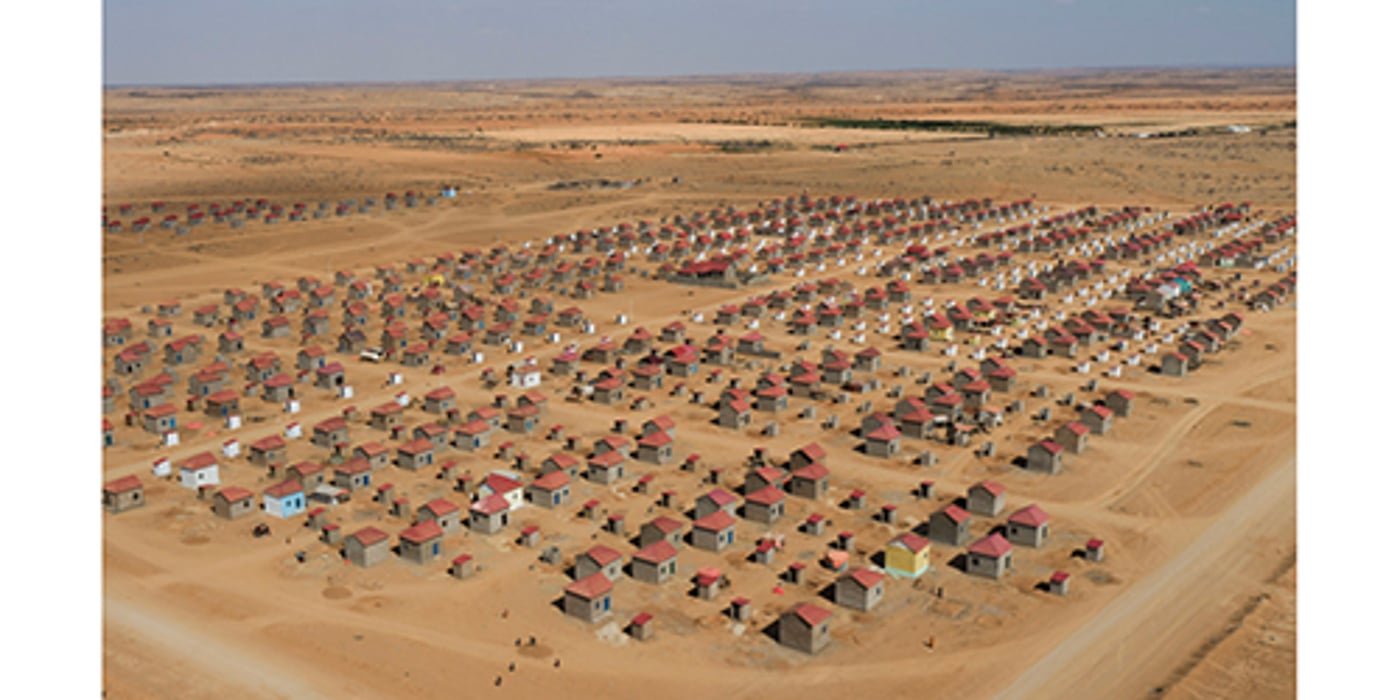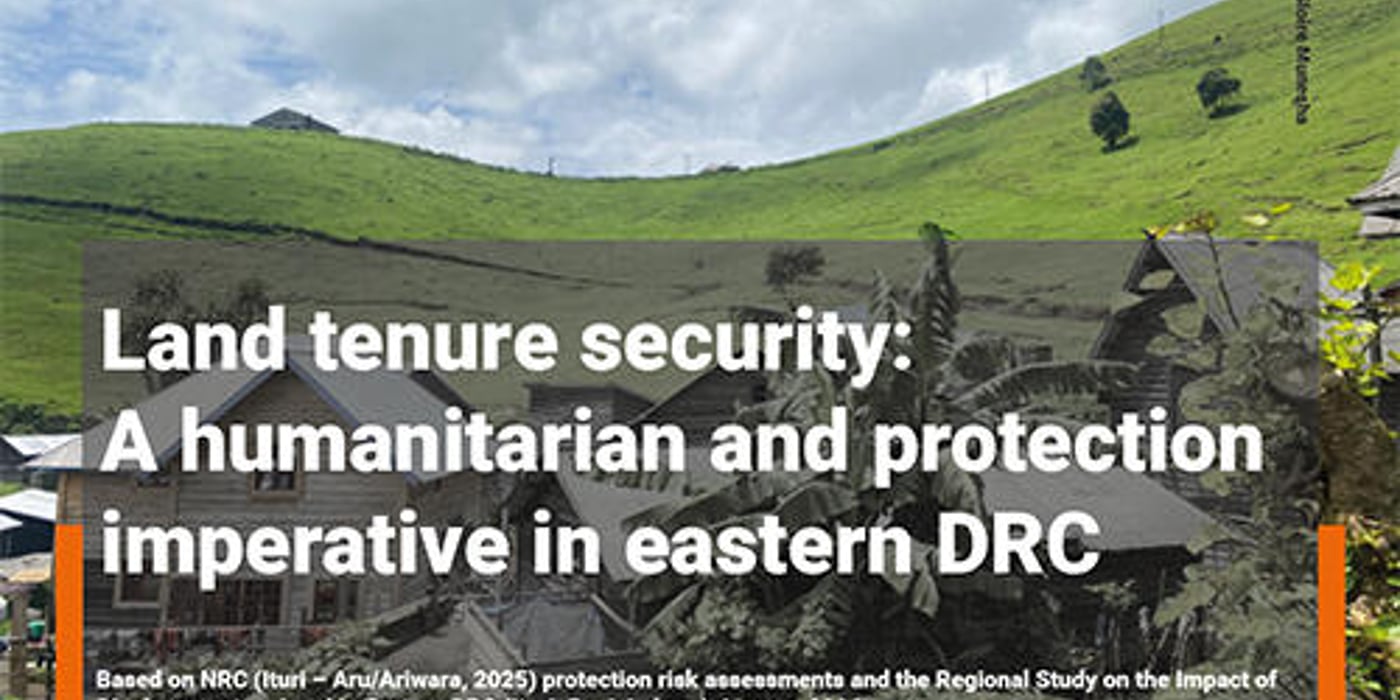


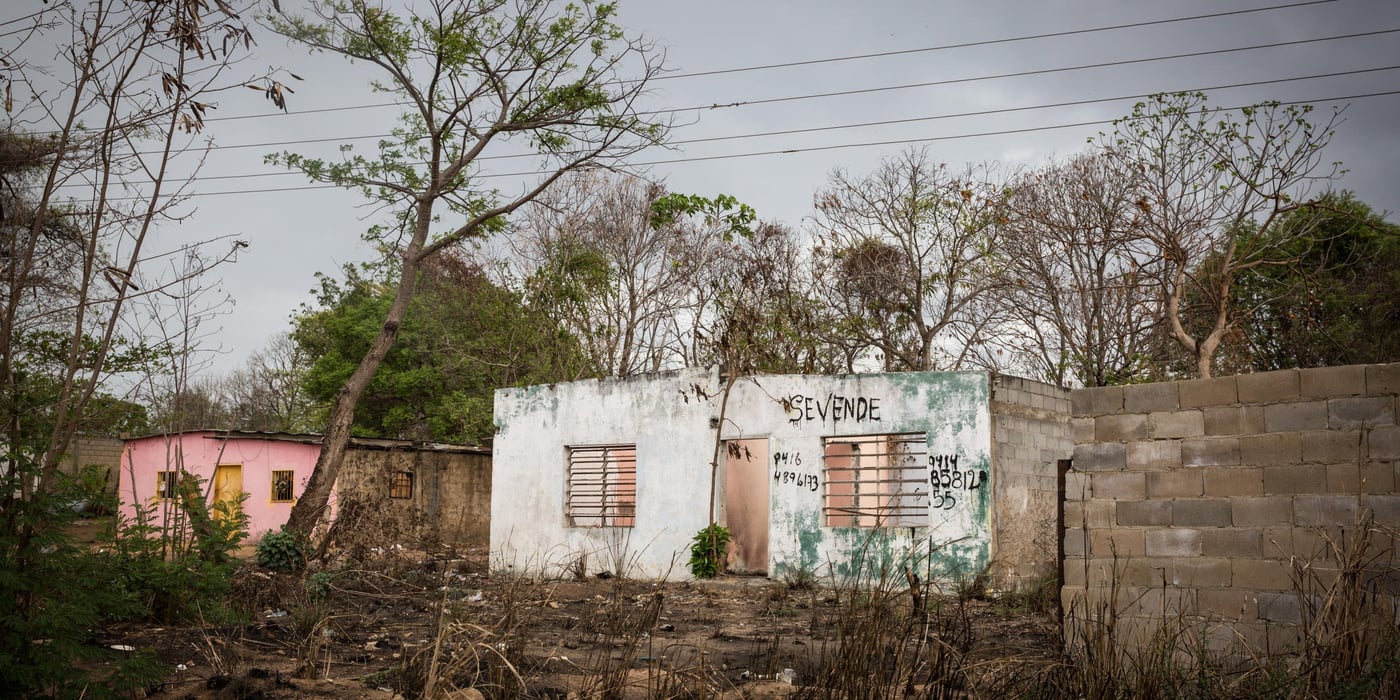
Displaced people face particular difficulties in housing, land and property rights. Many were forced to flee and had to leave their homes, agricultural or other lands and related properties behind.
Finding housing or accessing land while in displacement can be one of the toughest challenges. When displaced people return after conflict ends, they may find their homes and lands destroyed or occupied by others, and they may have lost or lack the means to demonstrate their relationship to their homes or lands.
Our HLP work makes up one of the largest thematic areas of our information, counselling and legal assistance (ICLA) services. Our experts work with a range of justice mechanisms – traditional, religious and statutory – to help solve disputes over HLP. We always provide services free of charge.
What are HLP rights?
Drawn from international humanitarian and human rights law, HLP rights entitle displaced people to having a safe home, free from the fear of forced eviction, a place that offers safety, and the ability to seek livelihood opportunities. Access to HLP rights is foundational to socio-economic inclusion and an essential steppingstone for displaced people to rebuild their lives.
Disputes over land and property tenure are often at the centre of conflict. When conflict ends, disputes over occupied land or property are a continued source of instability and may cause recurring displacement. They often undermine long-term solutions for displaced people and may threaten fragile peace agreements.
HLP rights also protect people’s relationship or ‘tenure’ over a plot of land, a home or property, and entitle people to claim their land, home or property or get compensation for the loss of it (right to restitution or compensation).
It is key for all humanitarian actors to understand the underlying HLP tenure issues or disputes related to their programming interventions (such as housing construction or rehabilitation, WASH infrastructure, or agriculture/rural livelihoods) and to address these issues and related challenges.
It is crucial to address HLP issues in humanitarian interventions from the onset as well as integrate them in peacebuilding and development programmes in order to protect the HLP rights of displaced people. The guidance note Integrating Housing, Land and Property issues into Key Humanitarian, Transitional and Development Processes identifies possible entry points to integrate HLP issues in planning processes, thereby facilitating due consideration of HLP issues in responses.
Displaced women's HLP rights
Even before conflict, women are disadvantaged when it comes to accessing their HLP rights. Land and property ownership remains largely restricted to men, by both tradition and law.
Conflict affects women in particular ways and might make existing inequalities worse. That is why our HLP work has a specific focus on displaced women’s HLP rights.
A leader in HLP
As a leader in HLP, NRC developed a Housing, Land and Property Training Manual to assist in the training of displaced people, humanitarian organisations, local organisations and governments on displaced people's HLP rights.
NRC has been leading the HLP Area of Responsibility (AoR) under the Global Protection Cluster since 2016. The HLP AoR aims to support a more systematic approach to addressing HLP issues on the ground by promoting collaboration amongst agencies undertaking HLP activities and by addressing gaps in policy and technical areas. Recent examples of NRC’s contribution include guidance on HLP and natural resource due diligence in NRC (2021) and Demystifying Tenure for Humanitarian Practitioners (2021).
At a country level, the HLP AoR is represented through HLP working groups. These working groups facilitate the coordination of specialist HLP interventions and ensure that HLP issues are effectively considered in other relevant humanitarian sectors. Currently there are active coordination mechanisms in 21 countries, 17 of which are led or co-led by NRC.
Leveraging our HLP expertise
With our position as a leading implementer and researcher in displaced people’s HLP rights, NRC and the humanitarian community use our experience and reports to highlight HLP issues that affect displaced people worldwide, recommend ways to resolve HLP issues, and advocate for better policies related to HLP issues.
To protect displaced people’s HLP rights and promote lasting solutions to displacement, NRC also seeks to collaborate and partner with development and peacebuilding actors.
One such example is a thematic paper on Access to Housing, Land and Property in Forced Displacement Contexts authored by NRC with support from InterAction’s Forced Displacement Working Group. The paper underlines the role the WBG and other investors can play in strengthening the response of host governments to displaced people’s HLP access challenges and includes recommendations on how to go about this.