
When war broke out in Sudan in 2023, young people bore some of the heaviest costs. Education was interrupted, livelihoods had not yet begun, and dreams remained unrealised.
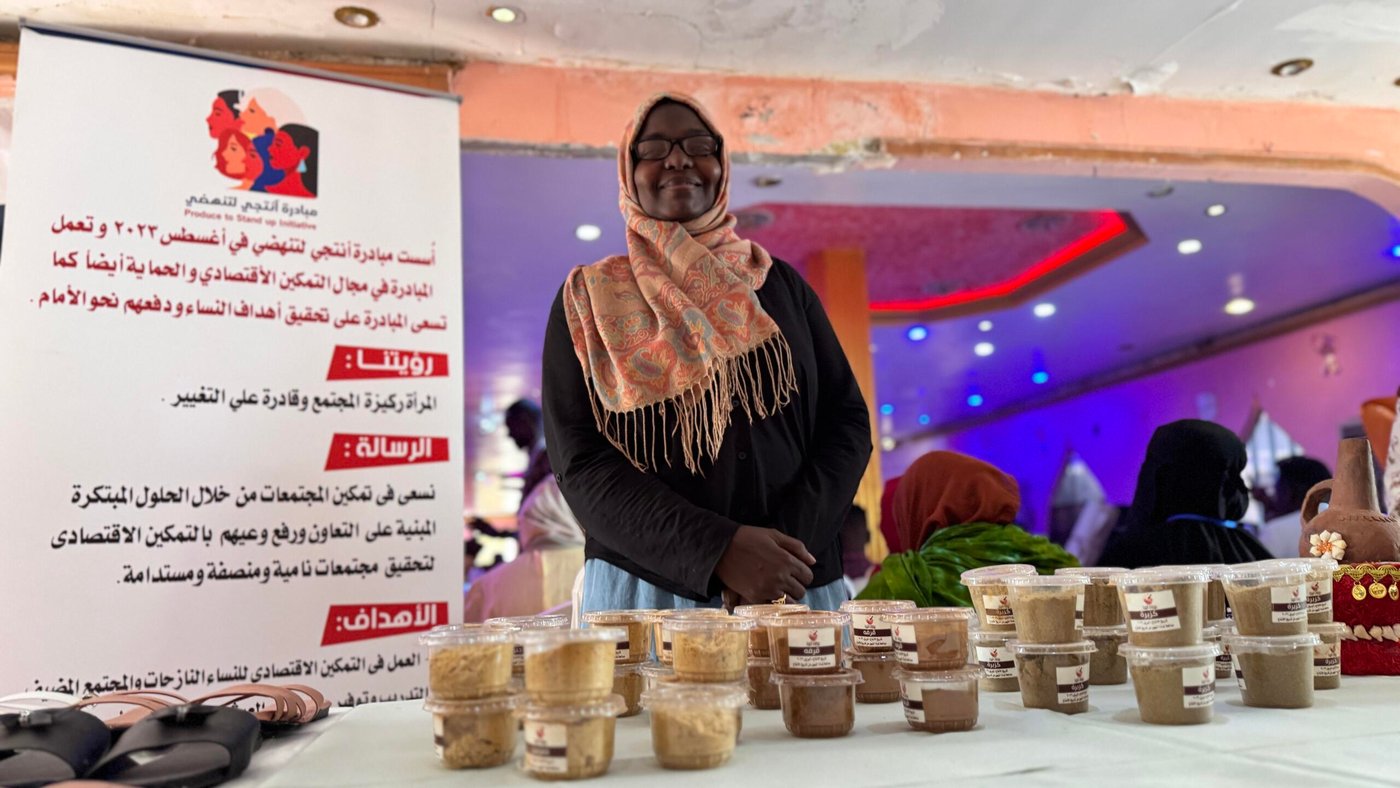
Young, displaced and building a future
In Gedaref, one of Sudan's eastern states that became home to waves of displaced people, young men and women arrived in large numbers, settling in displacement centres, schools and host communities.
Many took on difficult, low-paid work simply to survive. Others found themselves waiting with energy, ideas and potential, but no opportunities to put them into practice.
One person who refused to wait
Layla was one of those who arrived in Gedaref as a displaced person. She spent three difficult months without work. But what she saw around her, the untapped potential of so many young people, pushed her to act.
"I felt I had to break out of this cycle," she says. "I started visiting displacement centres and trying to understand the situation. I asked young people: ‘if opportunities existed, would you work?’ The answer was always yes. The opportunities simply were not there."
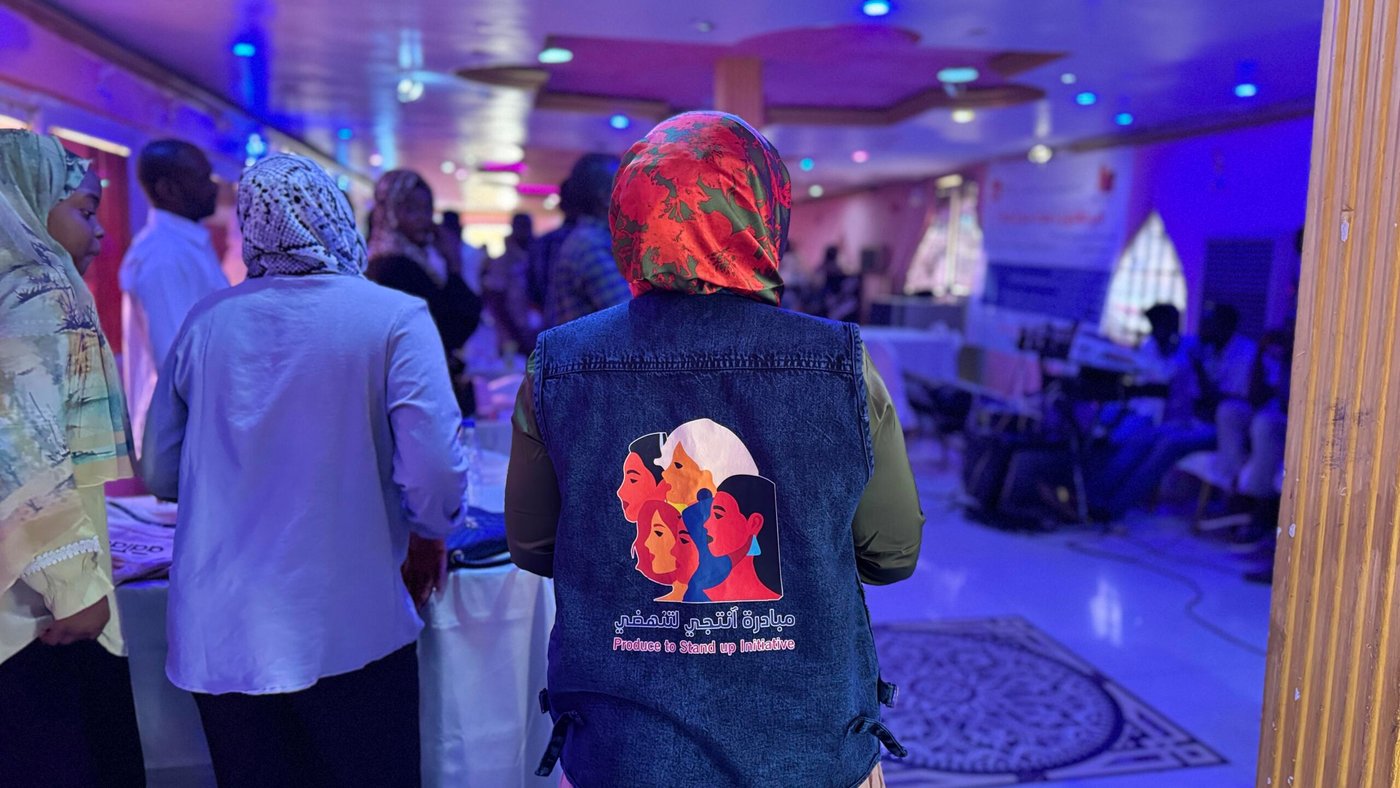
In October 2023, Layla launched the Antiji Litanhadhi (produce to rise) Initiative. The target group was clear from the start: young women. Young women who had neither technical training nor income but plenty of ideas they wanted to turn into reality.
Skills they can practice from home
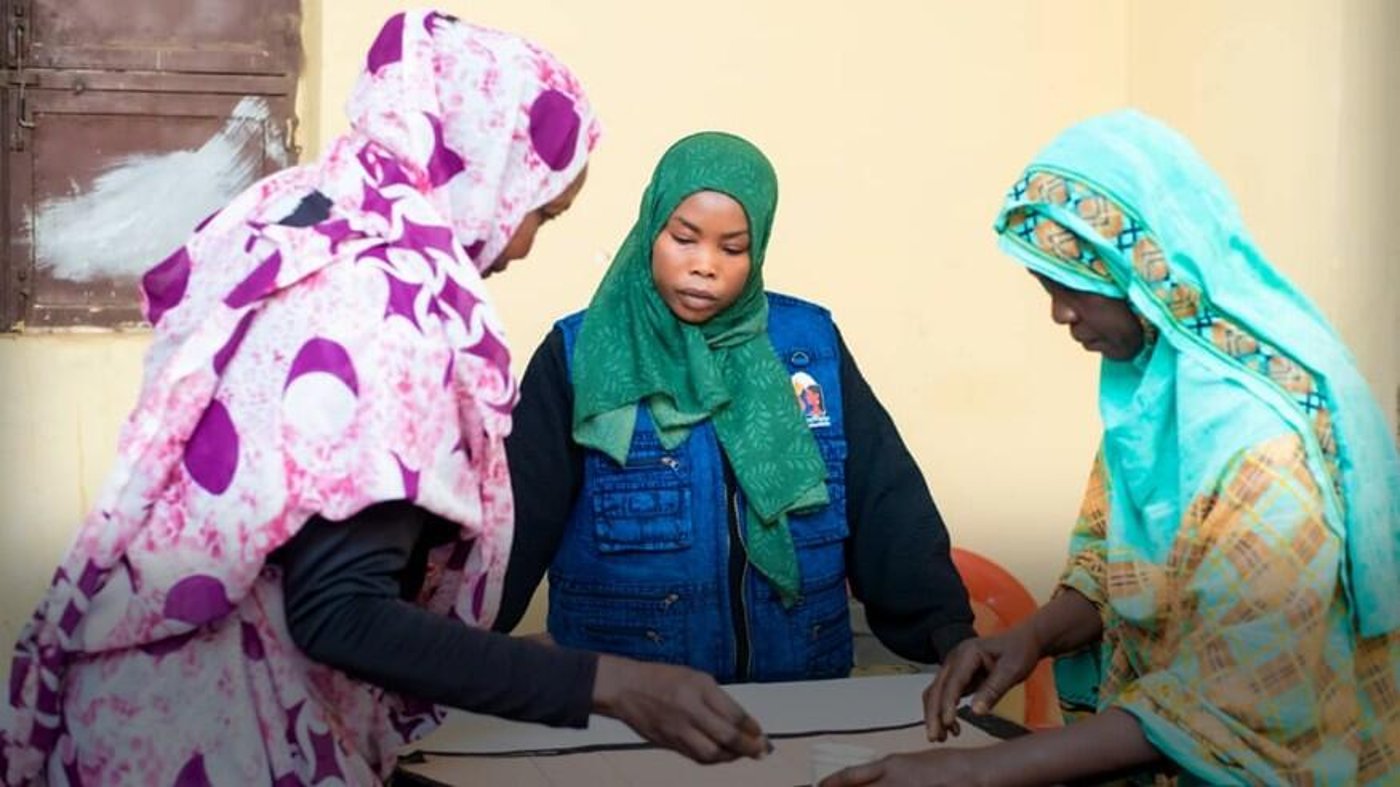
The Antiji Litanhadhi Initiative supports young women with vocational training and entrepreneurship skills.
"We focus on young people because they have ideas and innovations that can turn into successful projects,” explains Layla. “We want to help them move from being small producers to becoming entrepreneurs.”
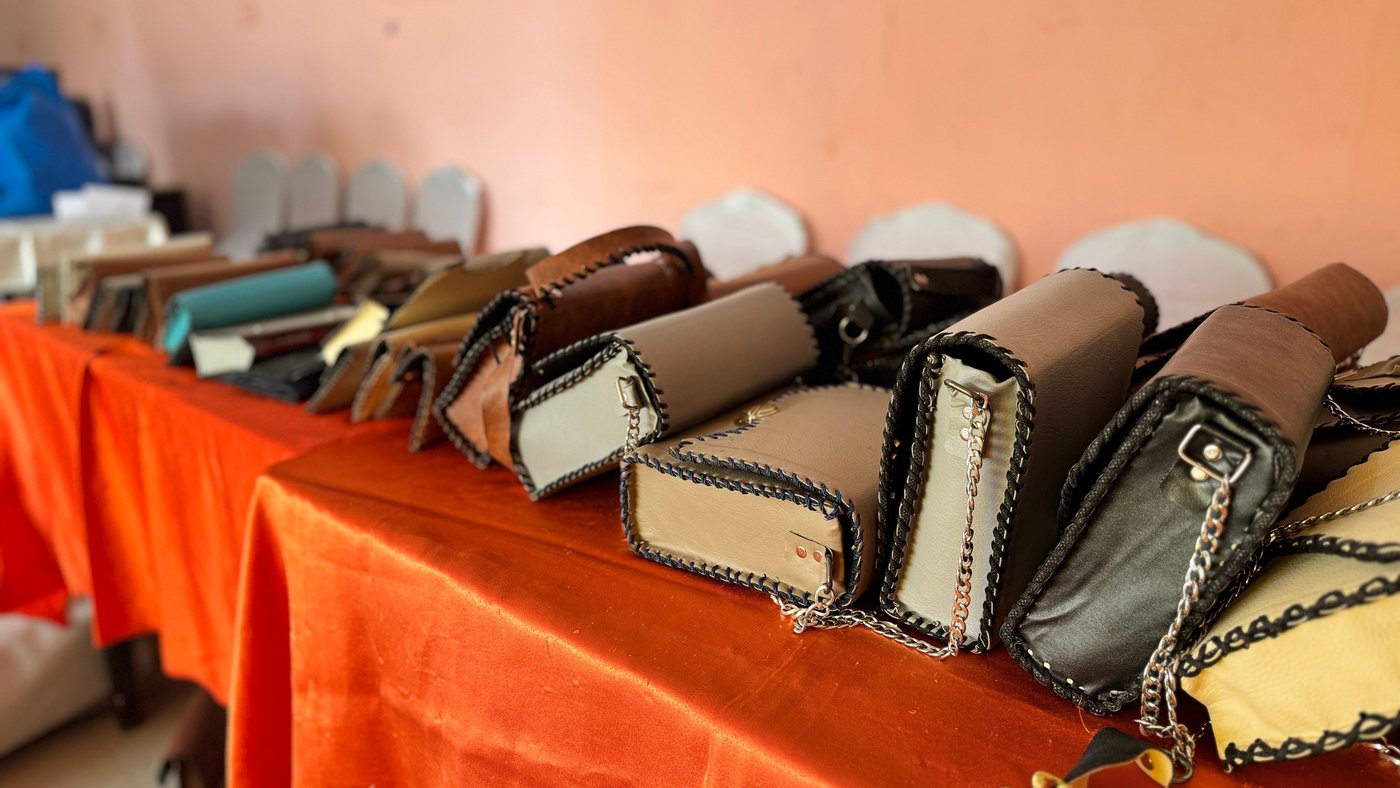
The skills chosen were leather goods, soap-making and beauty products. They were selected specifically because young women could practise them from home, at flexible times, without heavy equipment or large costs. This was critical, as many participants were also responsible for younger siblings, children or older family members.
Built with her own hands
Fatima Adam is a young woman from the Al-Tadamon neighbourhood in Gedaref. She had finished her education but had no job, no project and no clear sense of what the next step was. Every day followed the same routine. She attended an English language class at a school that also hosted displaced families, then went home.
One day, she stumbled across one of the Initiative’s sessions at the school and saw young people working together. Fatima grew curious and gave them her phone number. When they called, she joined the training, even though the training centre was far from her home.
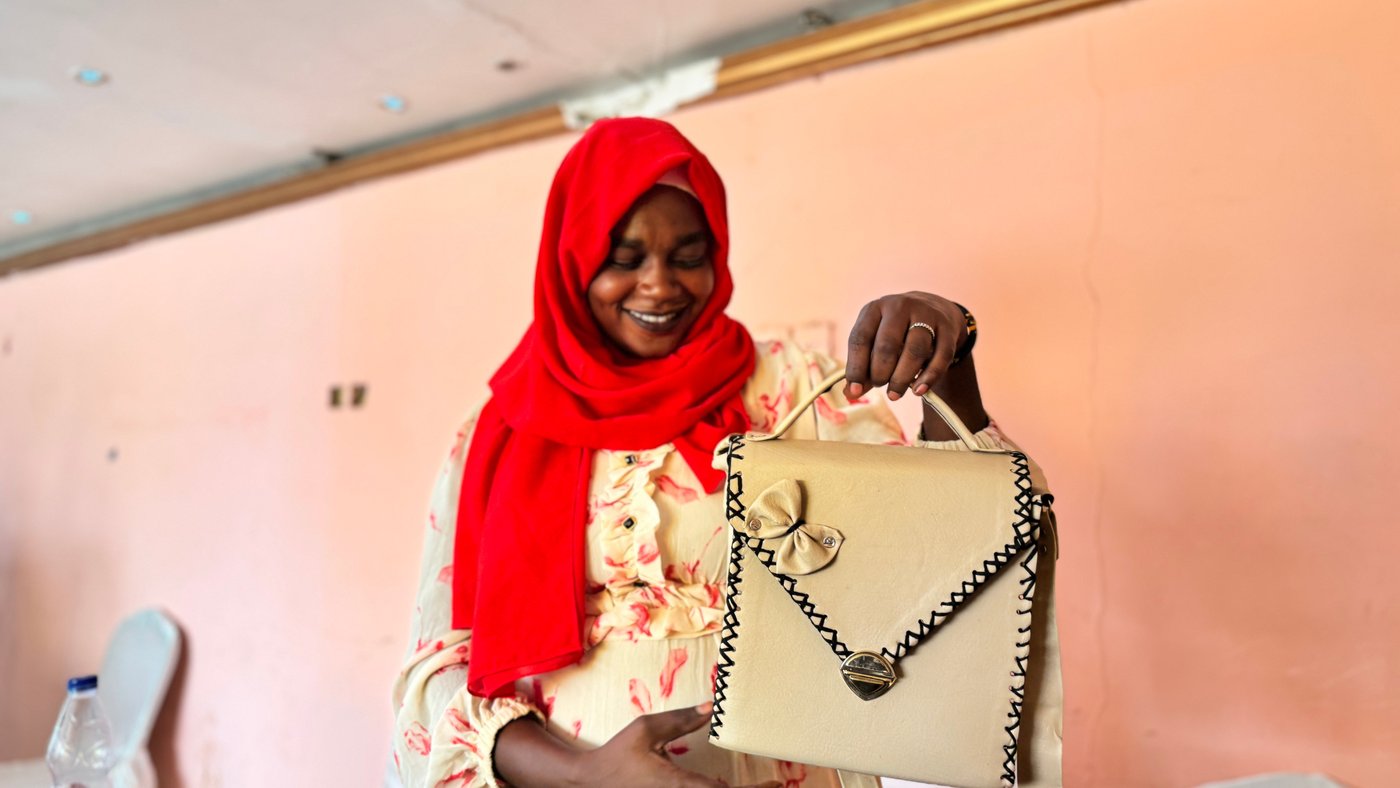
"I remember very clearly the first leather bag I saw," she says. "I was amazed. I could not believe that we as young people could make something like that. It seemed impossible. But step by step, with the trainers always encouraging us and reminding us to love what we do, we learned."
Today, Fatima produces leather bags and accessories from home. She now has an income and no longer leaves the house every morning searching for work. The work is hers now, built with her own hands.
When an organisation came to her area looking for people with skills, Fatima raised her hand. "That was something I never imagined I would do before," she says. "This initiative gave us the idea, the method and the confidence we needed to believe in ourselves."
Keeping young people safe
A young person with limited income and little structured activity is far more exposed to exploitation, harmful practices and abuse.
Alongside the vocational training, every participant receives protection awareness sessions, learning how to recognise risks, respond to difficult situations, and protect themselves and the people around them. The combination of economic empowerment and protection is core to what the programme does.
When support arrived
For its first months, the Initiative ran entirely at Layla's personal expense. The results were real, but the reach was limited. Transport costs were keeping young people from attending. Without a permanent base, training quality was hard to maintain consistently.
The partnership with the Norwegian Refugee Council (NRC), supported by funding from Norway, changed what was possible. A permanent office was secured, which immediately improved the quality of training and gave the programme a stable home. Training materials became available for all participants. Modest transport allowances removed one of the biggest practical barriers keeping young people away.
The NRC-supported phase trained 39 young people directly. But the change went further. The programme was redesigned to teach entrepreneurship skills first, before vocational training begins. This came from an early lesson learned. Some participants completed the craft training but could not sell their products because they lacked marketing and business knowledge. The new approach ensured they leave with both.
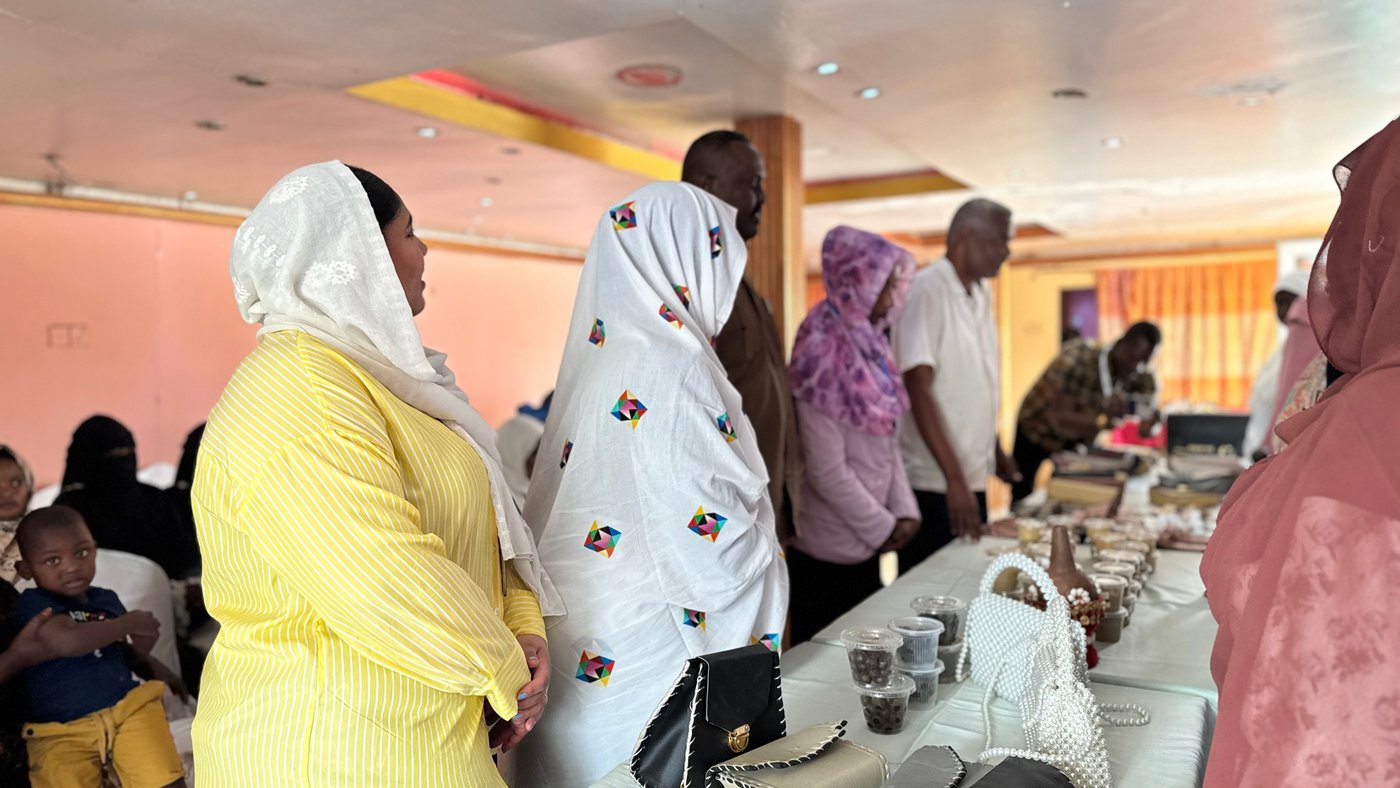
NRC support also enabled participants to take their products to a local bazaar. For many of them, this was a first. It gave young people direct experience of selling, reaching new customers, and presenting their work to the public.
What happens next
The true measure of any youth programme is what happens after it ends. For the Antiji Litanhadhi Initiative the answer is already visible - the young women keep going.
"Until today, young people I trained three years ago still message me to tell me what is happening with them," says Layla.
A young woman who once worked from a small corner of a local market now produces at a larger scale, sells through new channels, and has expanded beyond their own locality. Others still consult Layla before making decisions about their projects.
"Every young person has the right to a source of income that helps them meet their daily needs," Layla says. "If we can invest in their capabilities, we move from a circle of weakness to a circle of power and the ability to make change."
Layla has a vision that goes beyond Gedaref. She asks: "Why can't we have Sudanese products that people want outside the country? I dream of the day when someone from Egypt or anywhere in the world orders a bag made by the hands of a young Sudanese person”.
This initiative is supported by the Norwegian Refugee Council (NRC) through funding from the Norwegian Agency for Development Cooperation (NORAD) under the POWER project.
Sign up to our newsletter to read more stories from around the world.
