

Legal assistance is a tool that protects the lives of displaced people, refugees and migrants. In Latin America, where people face increasing barriers to regularising their status, seeking asylum, securing housing or registering a birth, early and continuous legal support becomes indispensable. Without it, protection exists on paper, but not in practice.
This article – based on a recent ProLAC report – explains why legal assistance is essential in the region and what challenges remain to guarantee it.
1. How does legal assistance save lives?
In many parts of Latin America, people fleeing violence, threats or extreme situations must make decisions that can directly affect their safety. Legal assistance is not just a bureaucratic step – it is a tool to stay safe.
With the right support, a person can avoid being deported to a place where they are in danger. They can prevent a violent eviction, activate urgent protection measures, or access basic services like health care and education. Without this guidance, they might be forced to make decisions without information, under pressure or in fear, increasing the risk of harm.
This is why legal assistance is said to save lives: it provides protection at the most critical moments.
2. Why is legal assistance important in situations of forced displacement?
Legal assistance allows people to access the procedures and rights they need to rebuild their lives. When people have been forcibly displaced, processes such as applying for asylum, regularising immigration status, registering a birth or reuniting with family can be confusing or inaccessible without legal support.
Early legal assistance helps people understand their options, navigate these processes, and access basic rights like health care, education and employment. It also prevents applications from being rejected due to errors, or stalled for months – barriers which can affect the stability and future of families.
3. Why is it so difficult to access asylum in Latin America?
Although the right to asylum exists, in practice many countries lack the capacity to process applications quickly and effectively. Decisions can take months or years, and in several places it is difficult to obtain temporary documents that protect people from deportation while they wait.
In some countries, people are not allowed to work during the application process or access basic services without provisional documents. And in many cases, services are concentrated in capital cities, leaving people without support if they are in transit or living far away.
All of this means that asylum exists in law, but is very difficult to access without information and legal assistance.
4. Why do so many refugees and migrants end up seeking regularisation instead of asylum?
Because of all the barriers in asylum systems, immigration regularisation can be a faster, clearer, more accessible alternative. Many countries have created regularisation programmes that grant a legal status to people who are undocumented, including those who need international protection.
For this reason, many people choose regularisation options that offer temporary stability, although these do not always protect them from being returned to danger or guarantee long-term safety.
5. What challenges persist with regularisation?
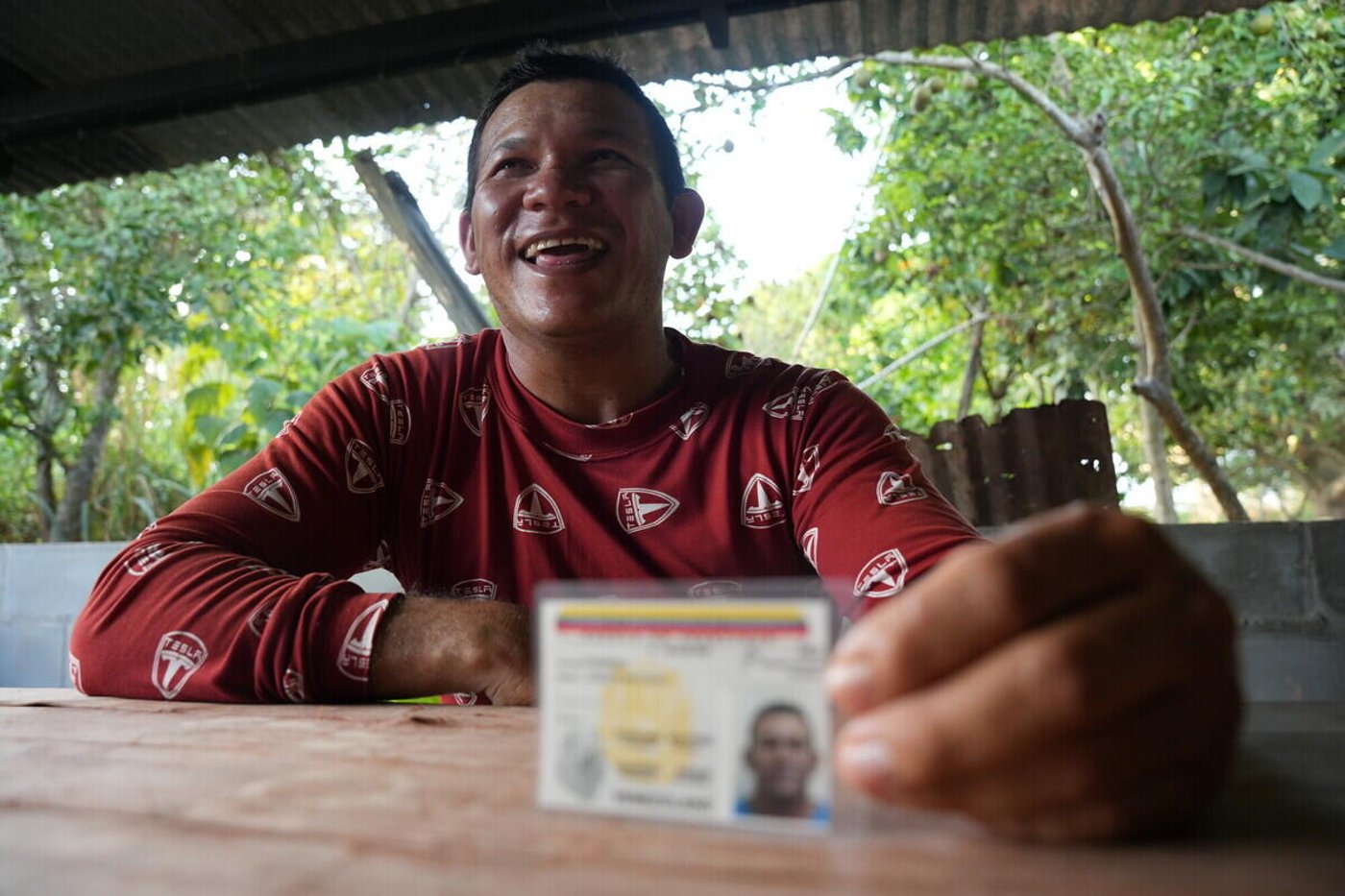
Today, regularising status is also difficult. Countries that once opened special programmes in response to the arrival of millions of Venezuelans – such as Colombia, Ecuador and Peru – now have closed or highly restrictive processes. This has left hundreds of thousands of people without a real pathway to obtaining documents.
In Mexico, for example, access to the Humanitarian Visitor Card has become so limited that in many cases it can only be obtained through a court order. This turns regularisation into a path full of barriers and leaves people at increased risk of detention, deportation and exploitation.
6. How does legal assistance support socio‑economic integration?
Legal assistance is essential from the very beginning of the integration process, because it removes the barriers that prevent people from rebuilding their lives. One of the first steps is supporting regularisation, since having a regular status in a country is the gateway to integration. This allows people to access health services, education and formal employment, and in many cases to start an entrepreneurial activity.
Additionally, legal assistance protects people from immediate risks – such as deportations, evictions and the loss of their migratory status – that can interrupt their stay in the country and hinder their integration process.
7. How can legal assistance help a family at risk of losing their home?
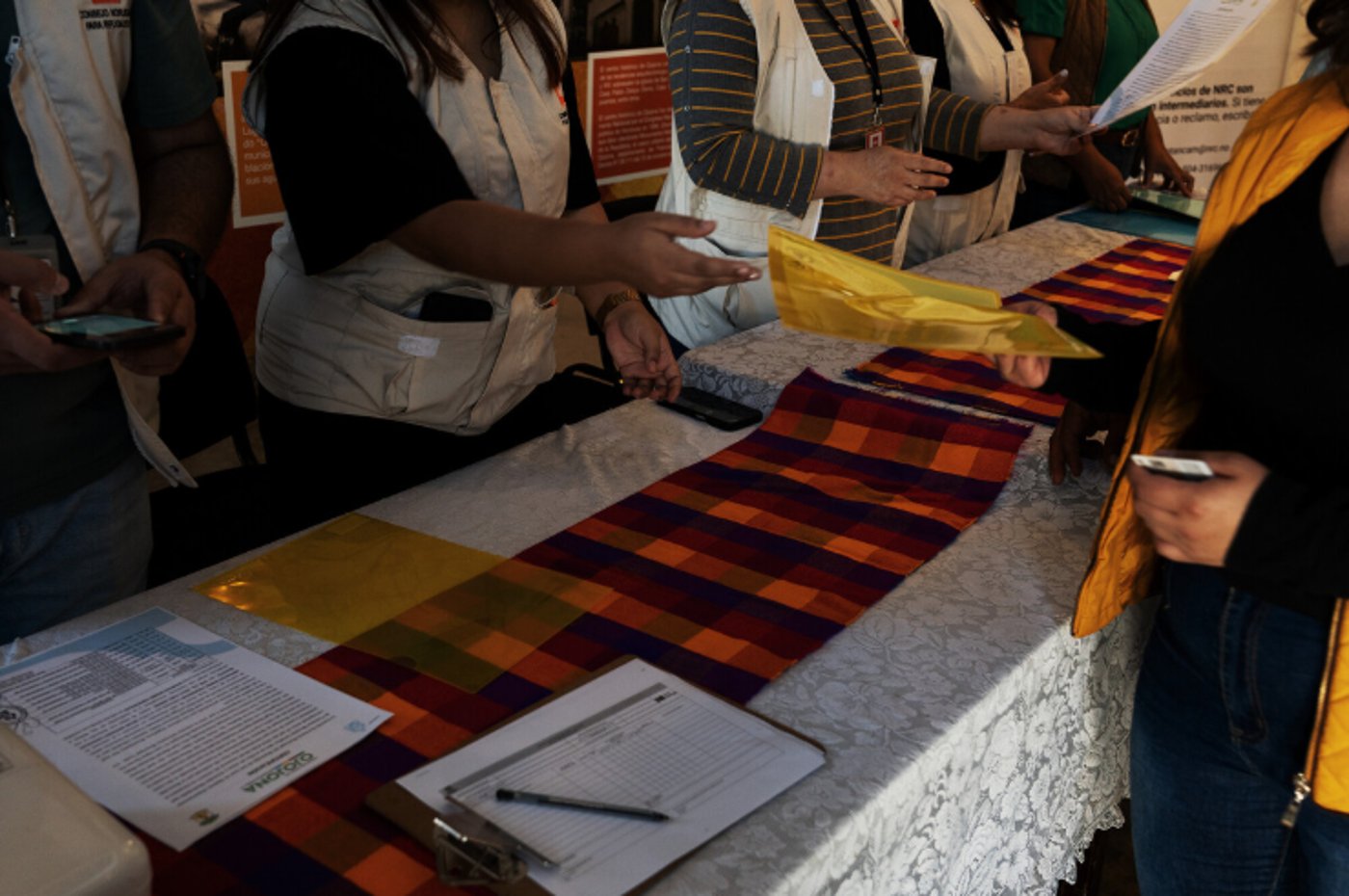
A threat to a family’s housing can lead to forced displacement. Legal assistance allows timely action to prevent this: stopping an unjust eviction, protecting a home from pressures or threats, requesting urgent support when a family has already been forced to leave, and documenting what has happened in order to request an investigation. It also helps families access temporary or safe housing alternatives.
Taken together, these measures protect families during critical moments and reduce the risk of repeated harm.
8. Is statelessness really an issue in the region?
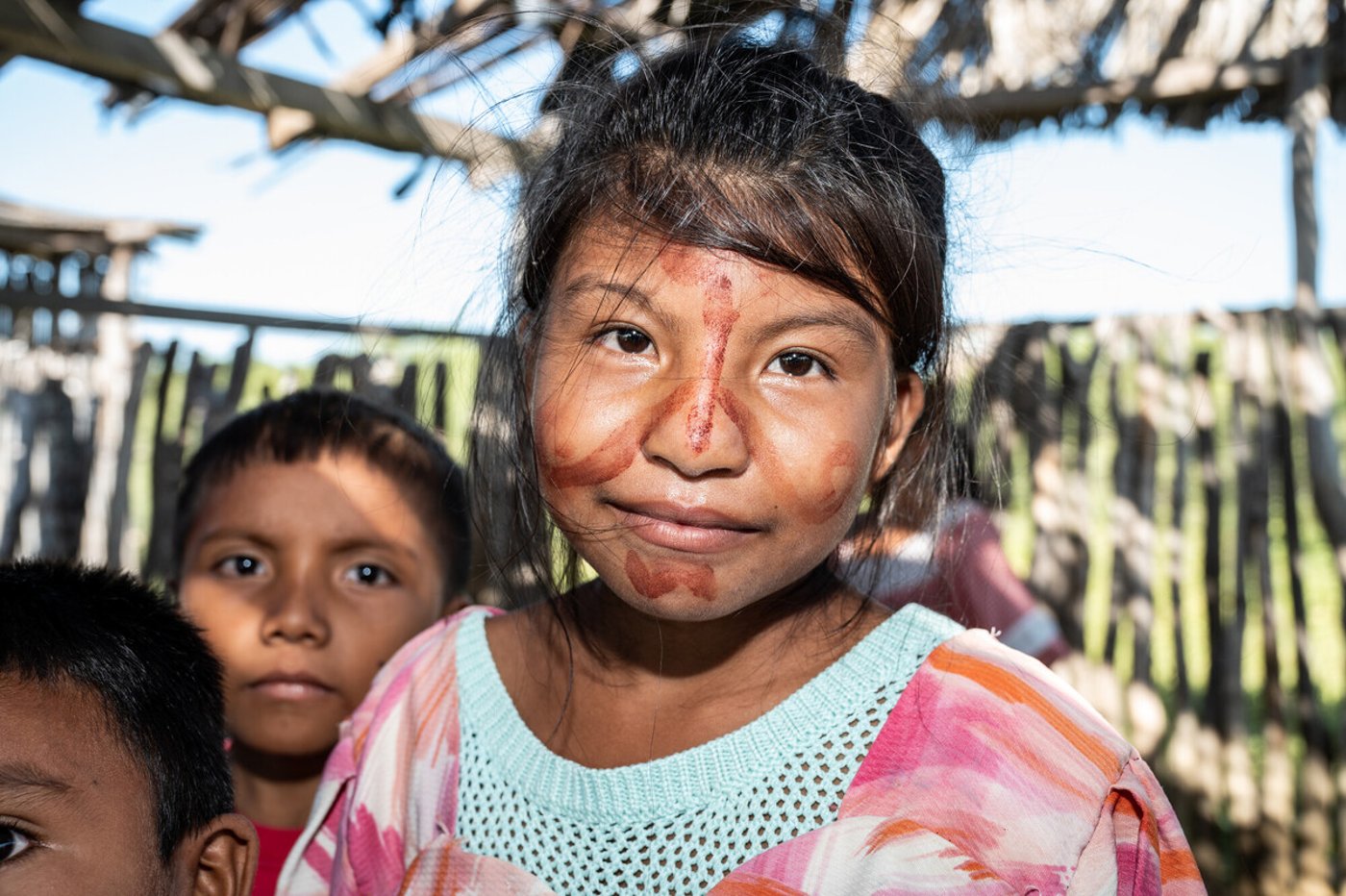
Yes – and it is growing quietly. Many families, especially those of Colombian and Venezuelan origin, face the risk that their children may be left without a nationality. The lack of birth certificates, the cost of certifying documents, and barriers to registering births in host countries can result in a loss of rights that can last a lifetime. The issue also affects adults, especially in indigenous communities where births have not been officially registered.
Legal assistance is key to preventing these situations, breaking cycles of exclusion and ensuring access to rights from the start.
9. Who guarantees access to legal assistance?
States are responsible for ensuring the right to receive legal support. However, in many countries – especially where institutions are weaker or have limited territorial presence – civil society organisations are the ones sustaining these services in practice. Their work is vital, but their reach is limited: they depend on unstable funding and cannot cover all regions.
This creates inequalities, as access to justice depends on where a person is located.
10. What does it mean when legal assistance depends on civil society organisations?
It means that access to legal protection becomes uneven and uncertain. Civil society organisations provide an essential service, but they cannot replace the state.
As a result, there are protection gaps, a lack of continuity and major territorial disparities, especially for people living far from urban centres or in areas with limited institutional presence.
About the report's methodology
This web article is based on a ProLAC report analysing data collected between January and November 2025 in nine Latin American countries: Colombia, Ecuador, El Salvador, Guatemala, Honduras, Mexico, Panama, Peru and Venezuela. A total of 5,638 households and 16,992 people were surveyed, along with 277 focus groups and in-depth interviews.
About ProLAC
The Danish Refugee Council (DRC) and the Norwegian Refugee Council (NRC), with support from European Union Humanitarian Aid, have created the ProLAC Initiative. This project provides a unified system for monitoring the protection risks faced by people forced to flee in Latin America.
ProLAC partners
In addition to DRC and NRC, the following organisations contributed to the data collection for this report:
- Europana and its partners in the region
- Derechos Humanos Integrales en Acción (DHIA) in Mexico
- Caritas in Colombia
- International Rescue Committee (IRC) in Guatemala, El Salvador and Colombia
- Jesuit Refugee Service, Pastoral Service for Migrants (SPM), Observatory of Social Research on the Border (ODISEF), Centre for Human Development (CEDEH), and Caritas in Venezuela
- Scalabrinian Mission and Caritas Social Pastoral in Ecuador
- Caritas and Encuentros Servicio Jesuita a Migrantes in Peru
- Caritas Brasileira in Brazil
- Fundación Madre Josefa in Chile
Sign up to our newsletter for regular updates on the global refugee situation.
