


Salado Yusuf Moallim, mother of seven, lives in Kiinto village in Jowhar, Hirshabelle state in Somalia. She depended on livestock before she lost all of them due to drought.
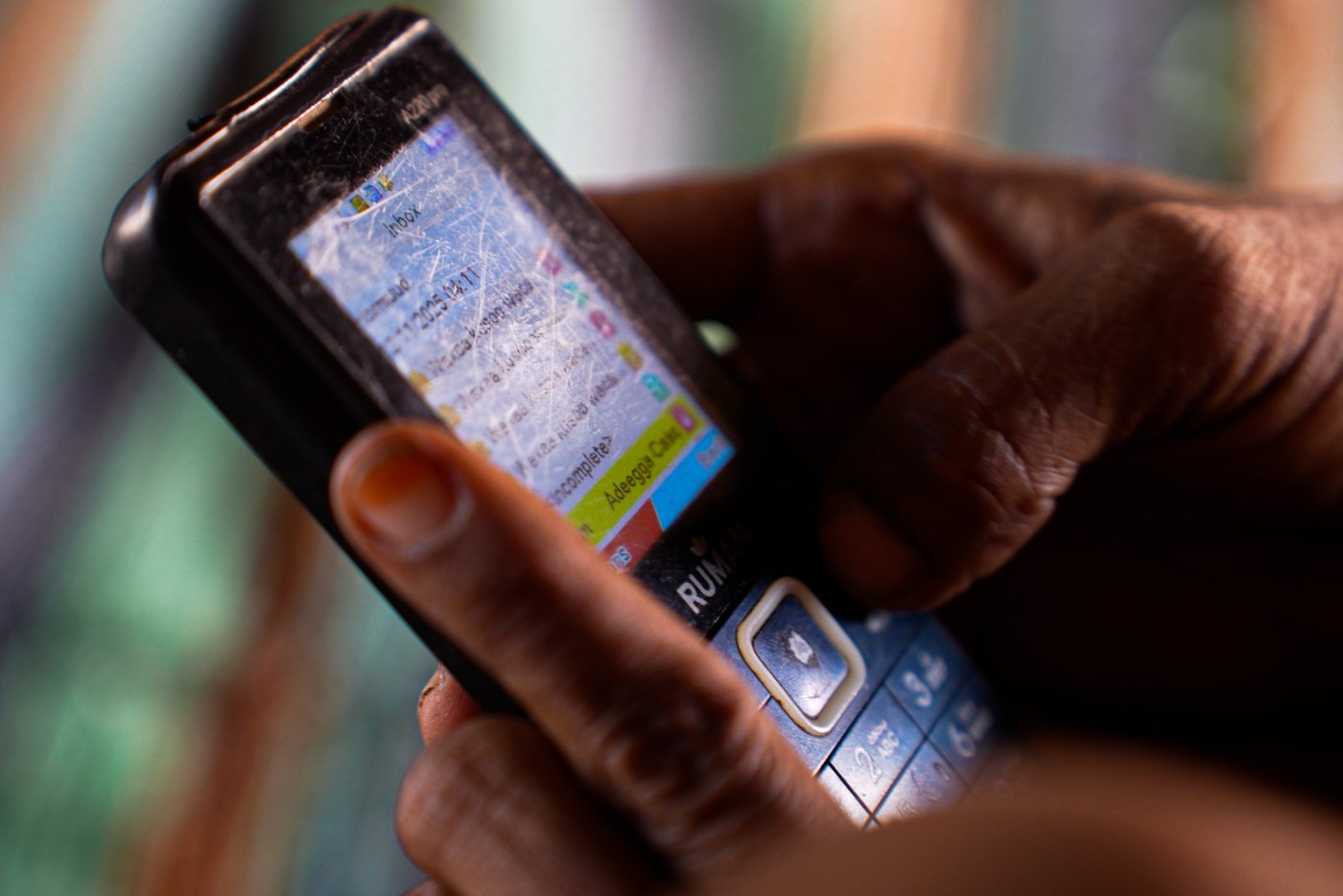
When drought leaves little to live on, cash offers a way through
Food, water and other essentials could not wait. Yet, as drought affected the community, finding enough money to cover those needs became increasingly difficult. Each expense meant deciding what could be paid for immediately and what would have to wait.
“The hardest thing is waking up and thinking about what your family needs, while knowing that you cannot afford everything,” Salado says. “You keep looking for a way to manage, but the worry follows you throughout the day.”
After enduring a horrific living situation, her family was selected as one of the recipients of the Norwegian Refugee Council’s (NRC) cash assistance for drought-affected communities in Jowhar. Salado was one of 450 participants who each received USD 120 a month across May, June and July 2026, totalling USD 360.
The assistance was delivered under the multipurpose cash assistance HIP 2026 project, implemented by NRC through the Somali Cash Consortium, with funding from the European Union (EU), and the Swiss Agency for Development and Cooperation (SDC). The project targeted hard-to-reach communities in Geed Adlow, Bulo Haji, Balog and Kiinto.
The support offered some breathing space for Salado and her children during a period of uncertainty.
“When the money arrived, I could think about what we needed most and make those purchases,” she says. “It brought relief to know that I had something available to help my family.”
Choosing what mattered most
Salado used the assistance to buy food and cover water costs, directing the money towards the needs she considered most urgent.
Having cash meant she could decide how to divide it. Rather than receiving a fixed package of supplies, she could consider what was missing at home and spend accordingly.
“Food was our first priority, and we also needed money for water,” she says. “I tried to use the assistance carefully, buying the things we needed most so that it could help us for as long as possible.”
That freedom to choose matters when families face several pressures at once. Even within the same drought-affected village, needs can differ. One family may need food immediately, while another faces an urgent health expense or a shortage of water.
Multipurpose cash assistance gives people room to make those decisions themselves. For Salado, it meant being able to respond to her family’s circumstances as they changed.
“We know what is missing in our homes,” she says. “Being able to decide how to use the money helped me put the most urgent needs first.”
The monthly payments also gave her something to plan around during the three-month assistance period. Knowing that support was scheduled allowed her to consider upcoming expenses alongside immediate purchases.
Relief during a difficult season
The assistance did not end the drought or remove every pressure on Salado’s family. It helped her meet essential needs during the months when support was available.
That distinction is important. Emergency cash can ease an immediate shortage, but families still need reliable ways to sustain themselves beyond an assistance period. Where drought continues to affect access to food, water and income, those pressures can return.
“The support helped us through a difficult time, and I am grateful for it,” Salado says. “But we still need a dependable way to meet our needs. What I hope for is to reach a point where we can manage without worrying about tomorrow.”
Her experience shows the importance of reaching communities that can be difficult to access. Distance and access constraints should not leave families beyond the reach of assistance when essential needs become urgent.
Through the EU-funded project, NRC and the Somali Cash Consortium brought three months of cash support to participants in these communities, including Salado in Kiinto village.
The value of the assistance was measured in everyday purchases: food brought home, clean water paid for and urgent needs that could finally be addressed.
“When you have been worrying about how to provide, being able to buy what your family needs means a great deal,” she says. “It gives you some peace, even while you are still working out what comes next.”
Sign up to our newsletter to read more stories from around the world.
