
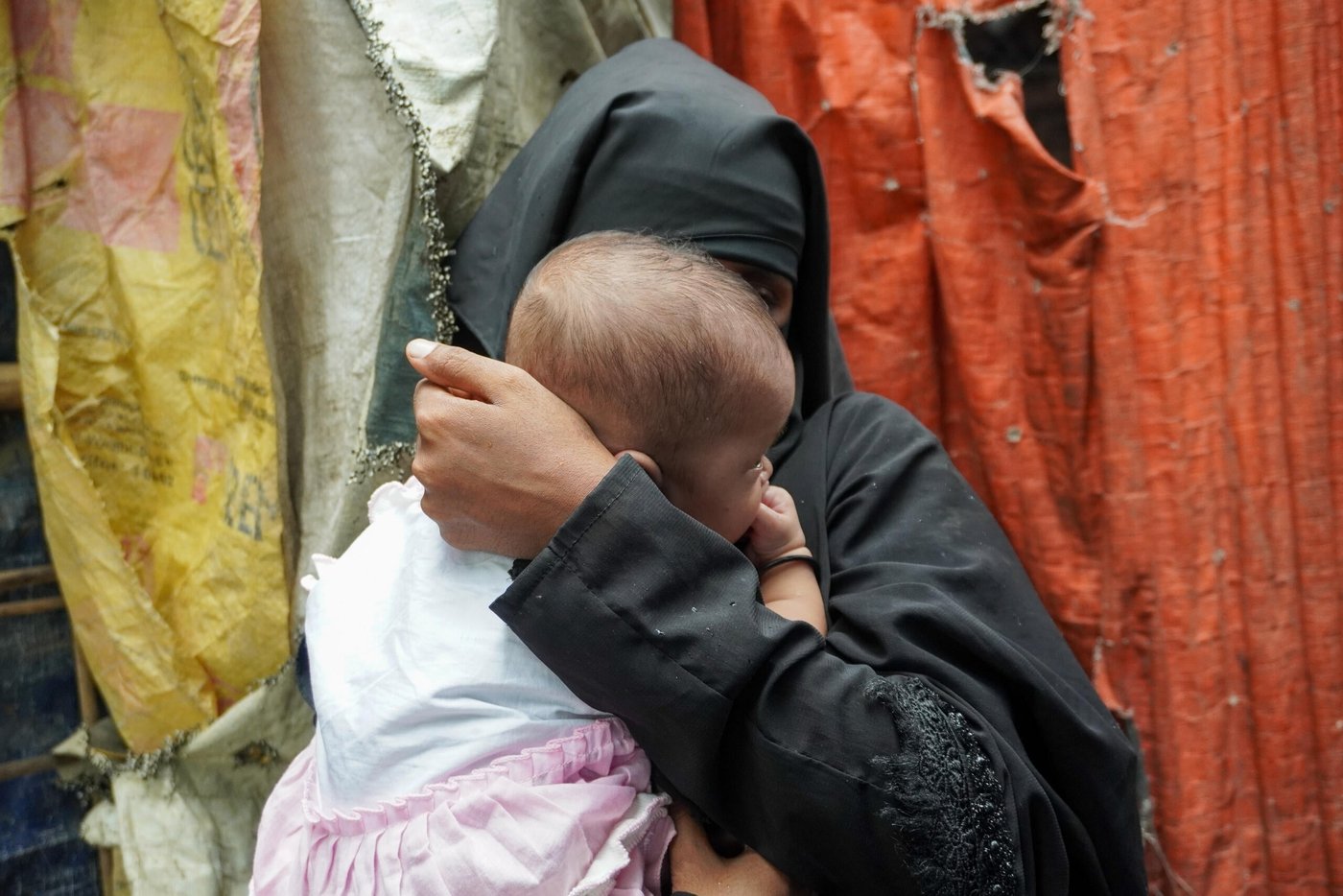
Nearly nine years after they fled violence in Myanmar, more than a million Rohingya refugees are still living in the crowded camps of Cox's Bazar, Bangladesh. They escaped persecution, but safety has turned out to be less a destination than a daily effort.
What safety means for Rohingya refugees in Bangladesh
In displacement, protection means far more than staying physically unharmed. It means having a legal identity, being able to reach the services you depend on, keeping a roof over your head, and living in a community where your rights are respected.
Safety means being recognised
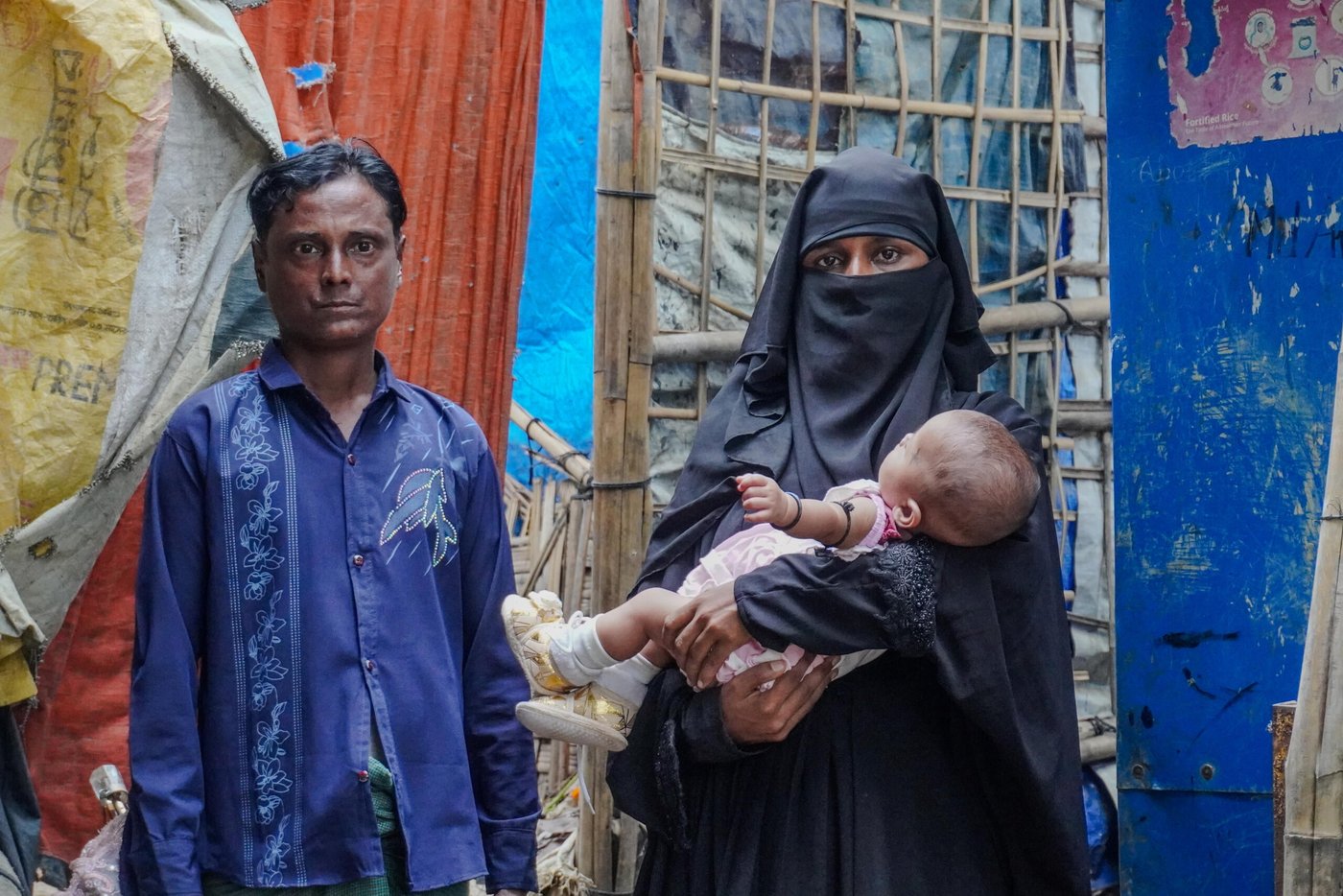
Jesmin was seven days old when she became, in the eyes of the system, almost invisible.
Her story was hard before it even began. Her father died in Myanmar. Her mother, pregnant and displaced, crossed into Bangladesh looking for safety, and passed away seven days after giving birth. She left an infant with no parents and nothing to prove she existed.
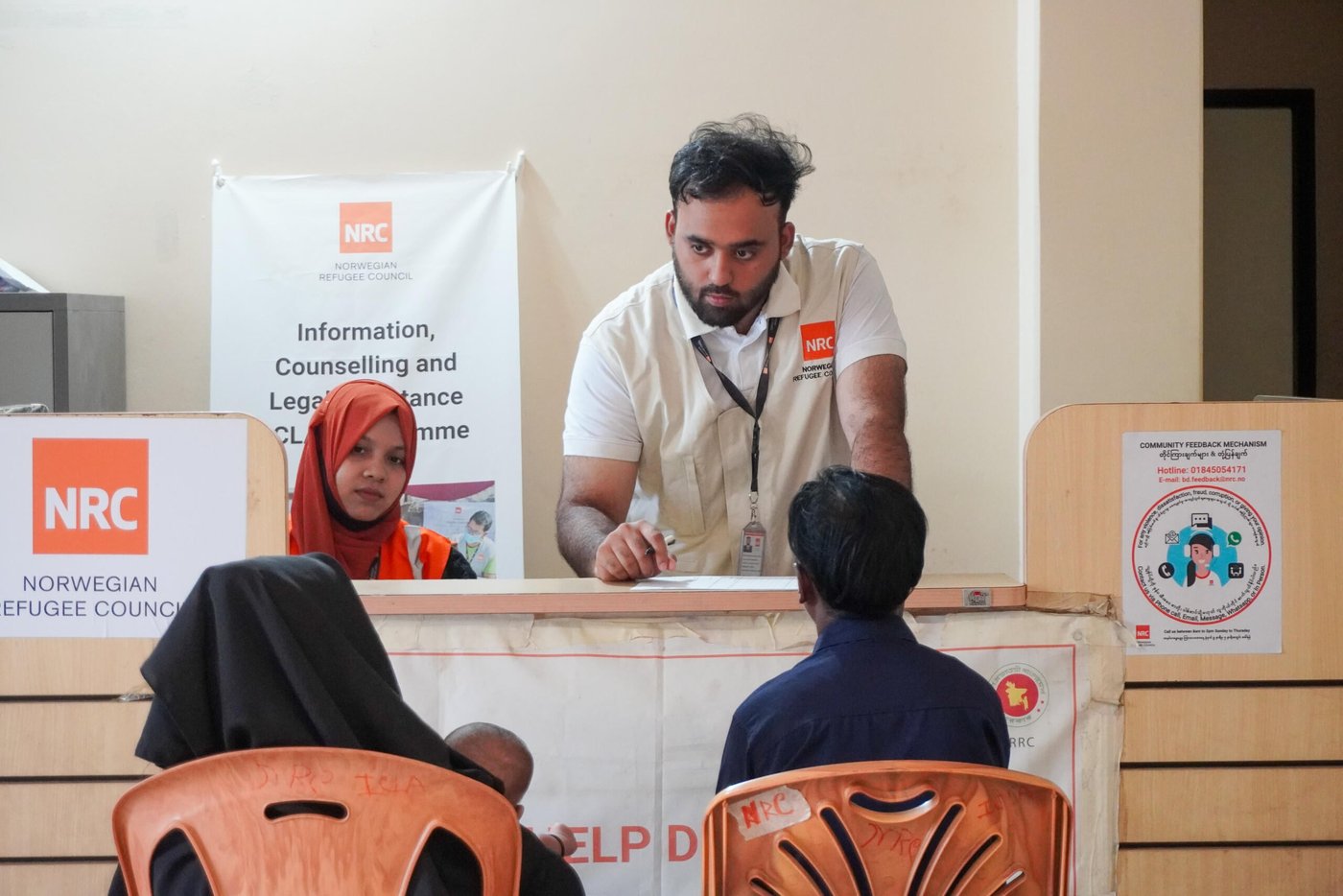
Without documents, a newborn faces an uncertain future. But help was at hand. Her aunt, 24-year-old Meme Jan, took her in and came to the Norwegian Refugee Council’s (NRC) legal helpdesk for support.
The team worked tirelessly with camp authorities and other protection organisations to add Jesmin to her aunt’s Family Attestation document. By doing this, they helped her secure a birth information note, her first official record of being alive.
She had already lost both her parents. We only wanted her to be safe and cared for.Meme Jan, Jesmin's aunt
With these documents, Jesmin can access services inside the camp, and can obtain a Smart Card once she turns 12. A Smart Card is the only identity document available to Rohingya refugees in Bangladesh.
“We were so worried about what would happen to her,” Meme Jan says. “She had already lost both her parents. We only wanted her to be safe and cared for. Now I feel hopeful that she can get the support she needs to grow up.”
Safety means access to essential services
In a camp, a lost piece of paper can mean a lost meal.
Shafiul Kader learned that in January 2026, when a fire tore through Camp 16 of Cox’s Bazar and destroyed hundreds of shelters in a matter of minutes. He had lived there with his wife and two sons since 2017.
The flames took their home and nearly everything in it: including the Family Attestation document and Smart Cards the family used to collect food, cooking gas, and other essentials.
"After the fire, we had nothing left," he says. "I kept thinking, how am I going to feed my children? Without our documents, I can’t afford anything here.”
When I got our cards, I felt like we could breathe again.Shafiul Kader
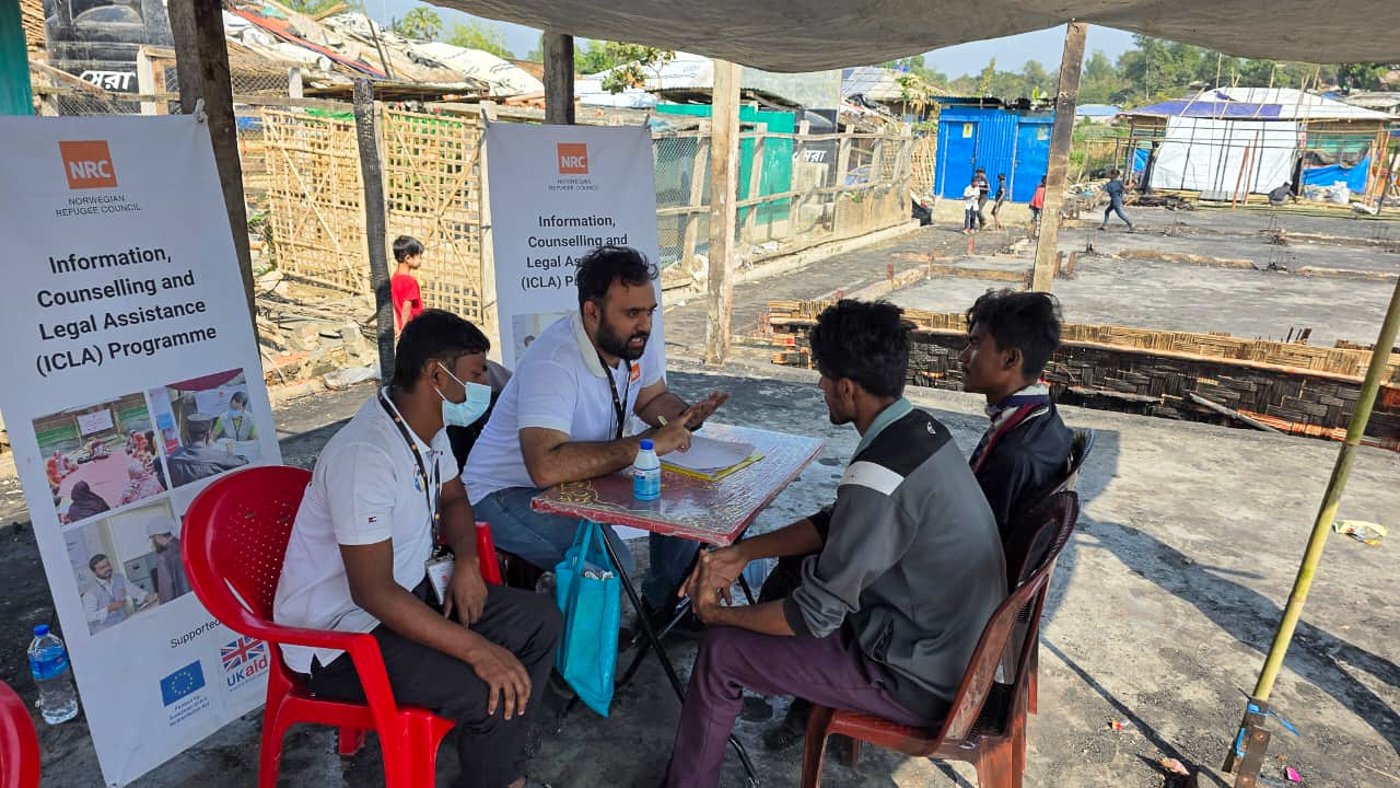
In the aftermath of the disaster, NRC set up a mobile helpdesk in the affected area and worked with the site management and registration teams to replace the documents families had lost. For Shafiul, getting the cards back was a huge relief.
“When I got our cards, I felt like we could breathe again,” he says. “Without NRC’s help it probably would have taken us months.”
Safety means a secure home
Minara’s family of five, one of them living with a disability, were getting by until an eviction notice arrived and threated to put them out of their shelter.
“When the notice came, I couldn’t sleep,” she says. “I kept picturing where my children would go.”
Now we have a safe place to stay. I feel more at peace.Minara
With nowhere else to turn, she came to NRC. The legal assistance team sat down with the landowner and negotiated more time for the family to explore options.
Then, after the necessary assessments, they worked out an arrangement that was both secure and affordable.
“Now we have a safe place to stay,” Minara says. “I feel more at peace.” For her, secure housing means more than shelter. It means stability, tenure she can count on, and dignity in her daily life.
An NRC assessment in 2025 found that, due to the complex land structure of Cox’s Bazar camps, 81 per cent of households are insecure in their tenure.
Safety means a peaceful community
For six years, 69-year-old Abdul Hakim and his wife had grown vegetables on a small patch of ground beside their shelter. They have no children and no close relatives nearby; the garden fed them and gave their days a shape. Then a neighbour fenced it off and claimed it as his own.
I am grateful it was settled by talking, and that we can go on living peacefully here.Abdul Hakim
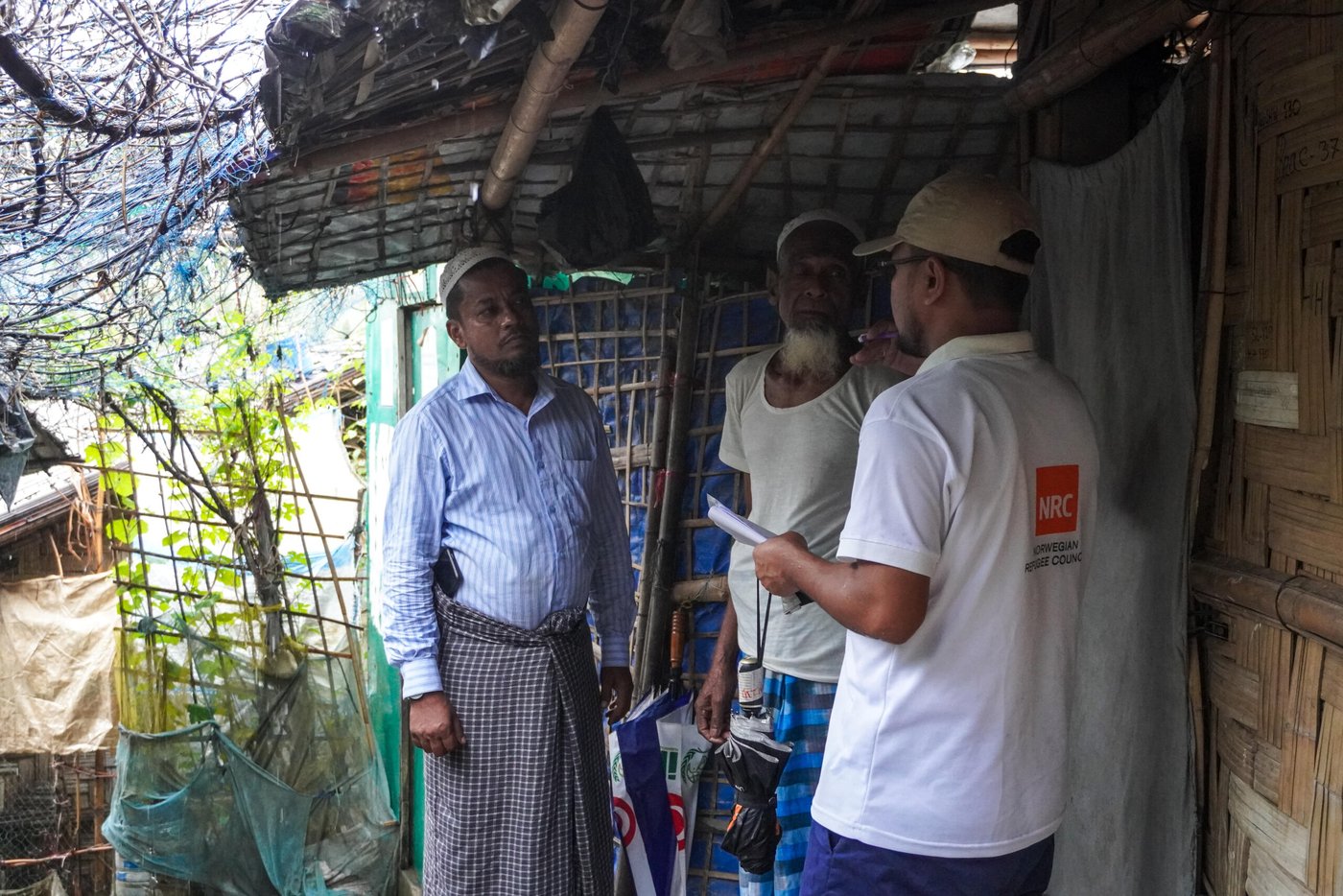
Feeling he had no way to push back, Abdul Hakim went to NRC. The legal team explained where each side stood and brought them together for a discussion, alongside community representatives. They talked it through and the neighbour agreed to take the fence down, without aggravating the issue.
“This garden gives us food and a reason to get up,” Abdul Hakim says. “I am grateful it was settled by talking, and that we can go on living peacefully here.”
Safety means access to rights
Noor Kolima works as a paid volunteer in the camp, and the monthly incentive she earns is her family’s only income. When she lost her Smart Card, she couldn’t collect the money.
[The assistance] gave me confidence that our rights can still be protected, even in difficult situations.Noor Kolima
So, she turned to NRC. The legal team worked with camp authorities and her employer to find a lawful way to release the payment she was owed.
"When the money finally came through, I felt relieved and respected,” she says. “It gave me confidence that our rights can still be protected, even in difficult situations.”

Safety means rights, dignity and hope
These families’ circumstances are all different, but the thread running through them is the same: everyone wants to feel protected and treated as a person who matters.
That is the work that drives NRC’s Information, Counselling and Legal Assistance (ICLA) programme. We help refugees obtain or restore legal identity and civil documents, access essential services, resolve disputes peacefully, and achieve secure housing tenure.
Because safety isn’t just survival. It is dignity, it is rights, and it is the hope that every person living in displacement deserves. Until every refugee has those things, the journey towards safety isn’t finished.
***
These stories highlight NRC’s Information, Counselling and Legal Assistance (ICLA) programme in the Rohingya refugee camps of Cox’s Bazar, Bangladesh.
The programme delivers legal aid services across both the Rohingya camps and host communities, supporting access to civil documentation, land and housing tenure rights, as well as work rights. These services enable people to access essential services and strengthen their protection, safety and dignity while in displacement. In 2025 alone, NRC ICLA teams supported over 60,000 people with information and legal assistance.
The programme is supported by the European Union Humanitarian Aid, the UK Government, the Norwegian Agency for Development Cooperation (Norad), and the Swedish International Development Cooperation Agency (Sida).
Sign up to our newsletter to read more stories from around the world.
