


When fighting reached her village in Ethiopia’s Afar region, Shimbra Ayalew grabbed her five children and ran. Weeks later, with help from the Norwegian Refugee Council (NRC), she has a shelter to call her own again.
“We only ran to save our lives”
The night of 3 February 2026, Shimbra Ayalew did not pack a bag. There was no time. Gunfire had broken out across Dibbina village, the small community in Yallo district where she had raised her five children, and the only option left was to flee.
“We left everything behind,” she says. “We only ran to save our lives.”
Her family was one of more than 7,500 households driven from their homes as renewed conflict swept through Giddi Ela, Dibbina, Mesjid, Rakarak, and surrounding areas of Yallo district.
Shimbra arrived at the Sunduhun-Demo displacement site with nothing but her children, four boys and a girl, and found there was no shelter available. For weeks, all six of them moved in with friends in a space built for far fewer people. Privacy disappeared. There was nowhere for the children to do anything but sit and wait.
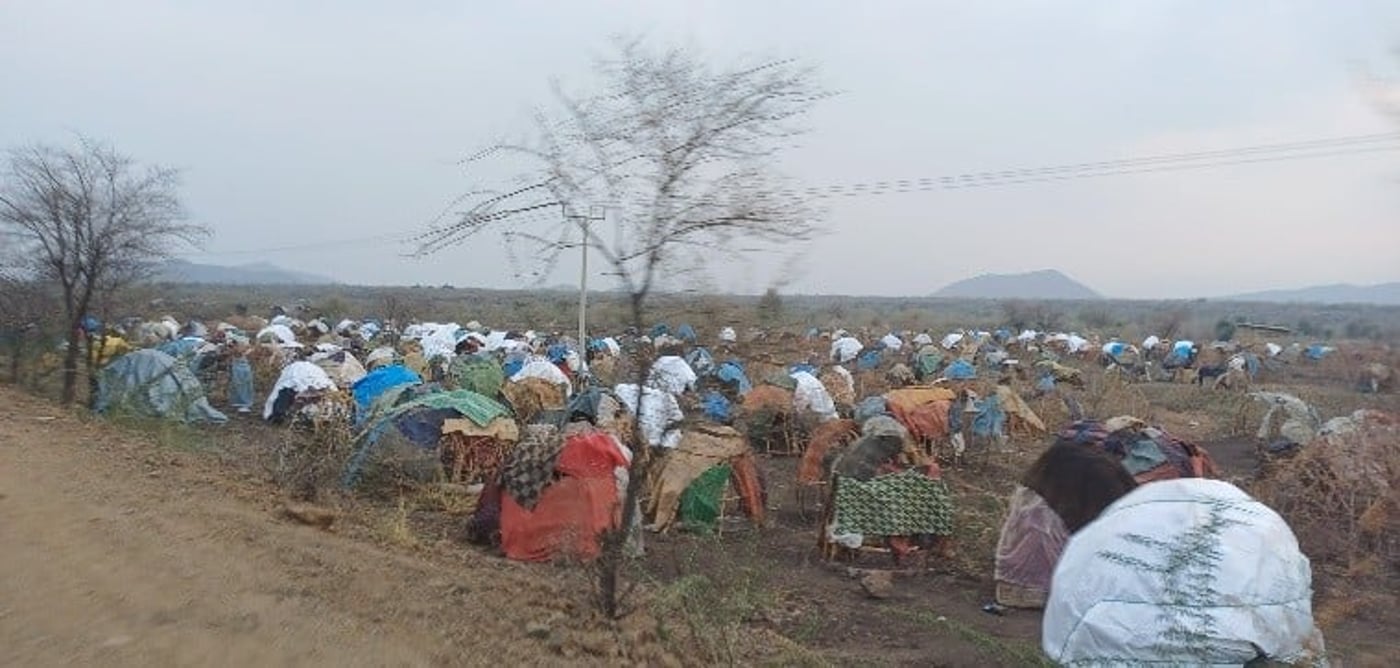
“It was very hard for my children,” she says. “We had no place of our own.”
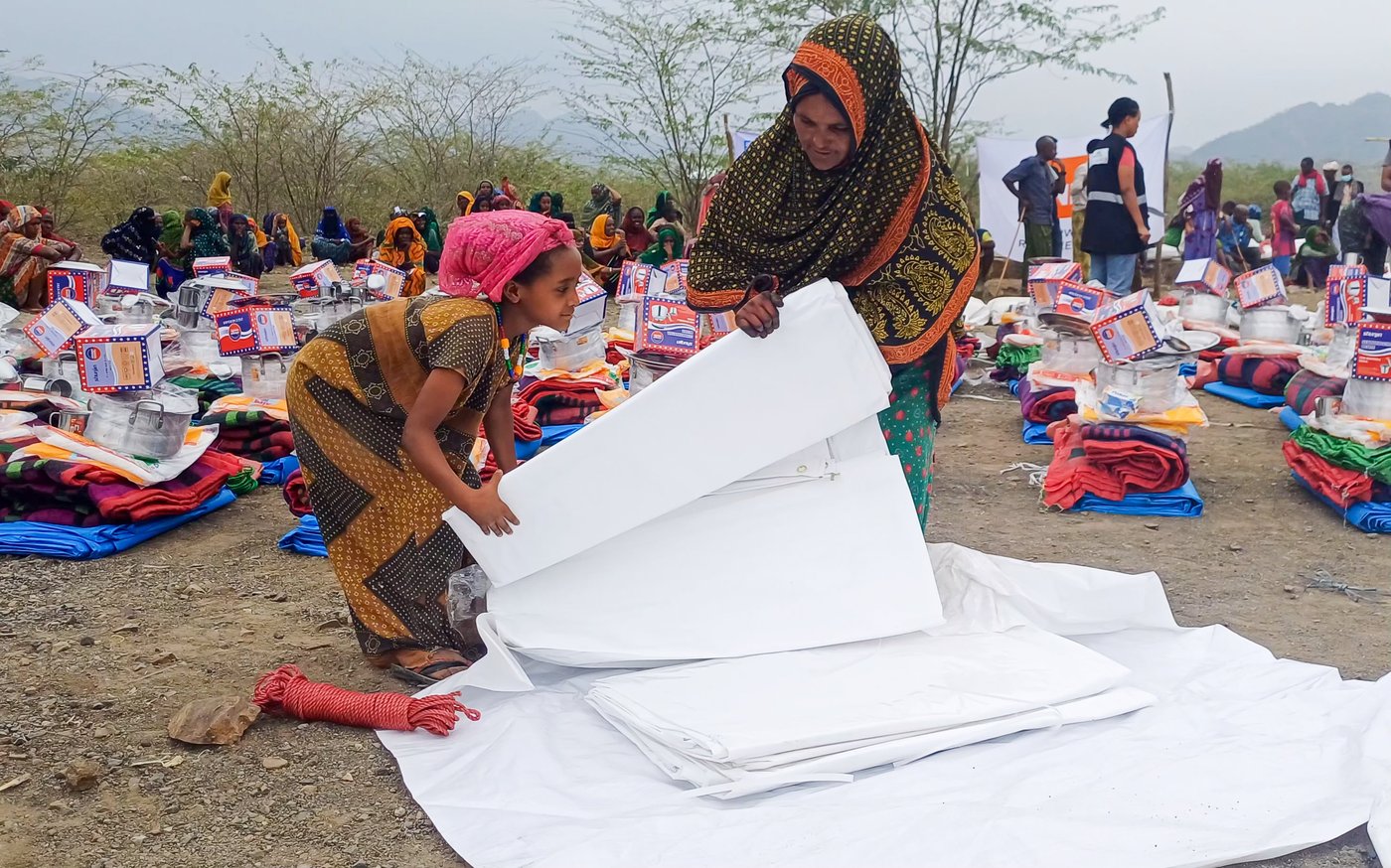
NRC arrived at the site. Through the SWAN project, Shimbra received an emergency shelter kit which includes three sheets of tarpaulin, a length of rope and 6,000 Ethiopian Birr (USD 39) in cash assistance. Within days, she had put up a shelter of her own, made of plastic and poles, but hers.
“I am grateful,” she adds. “Now we have our own shelter.”
Now her children have somewhere to sleep away from strangers’ eyes. She can keep watch over them through the night. It is a start, the first stable thing her family has had since February.
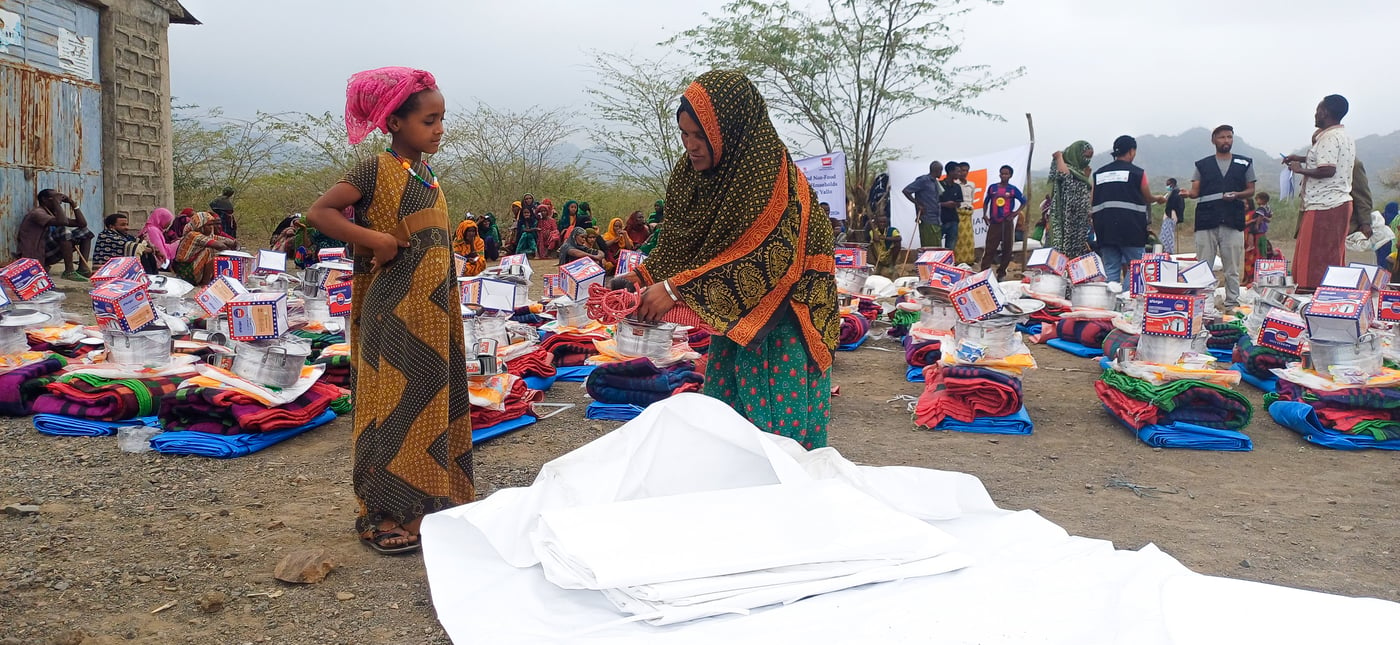
Shimbra still struggles to feed her children. Basic household items like cooking pots, blankets, clothing were left behind in Dibbina or lost somewhere in the chaos of fleeing.
Thousands of families still at the Sunduhun-Demo site, those who survived conflict but remain caught between emergency and recovery, are waiting for the next step forward.
Shimbra does not talk about going home yet. There is no home to go back to, not now. What she talks about is her children, keeping them safe, keeping them fed, keeping them together. That, for the moment, is what a tarpaulin and a coil of rope have made possible.
Sign up to our newsletter to read more stories from around the world.
