
Displaced from Nyala, Sudan, Jadda Abdallah Hamad spent 13 days on the road and six months under a tree before reaching South Sudan. Now, she is planting again and asking for the tools to keep going.
"We never gave up"
Jadda Abdallah Hamad was a market trader in Nyala, in Sudan's South Darfur. She knew her stall, her suppliers and her customers. Then the war began, and her city became unrecognisable.
"I witnessed women being shot and killed right in front of me," she says.
The day she fled, she left with nothing, without belongings or savings. She fled with her husband and her children.
The journey to South Sudan took months. They spent 13 days sheltering in nearby Bilel, and six months sleeping under a tree. Then, finally, they reached the border and Wedweil Refugee Camp in Aweil West County, Northern Bahr El Ghazal State.
In Wedweil, Jadda heard that the Norwegian Refugee Council (NRC) was providing business assistance to refugees. She sought out an NRC officer who helped her register for support.
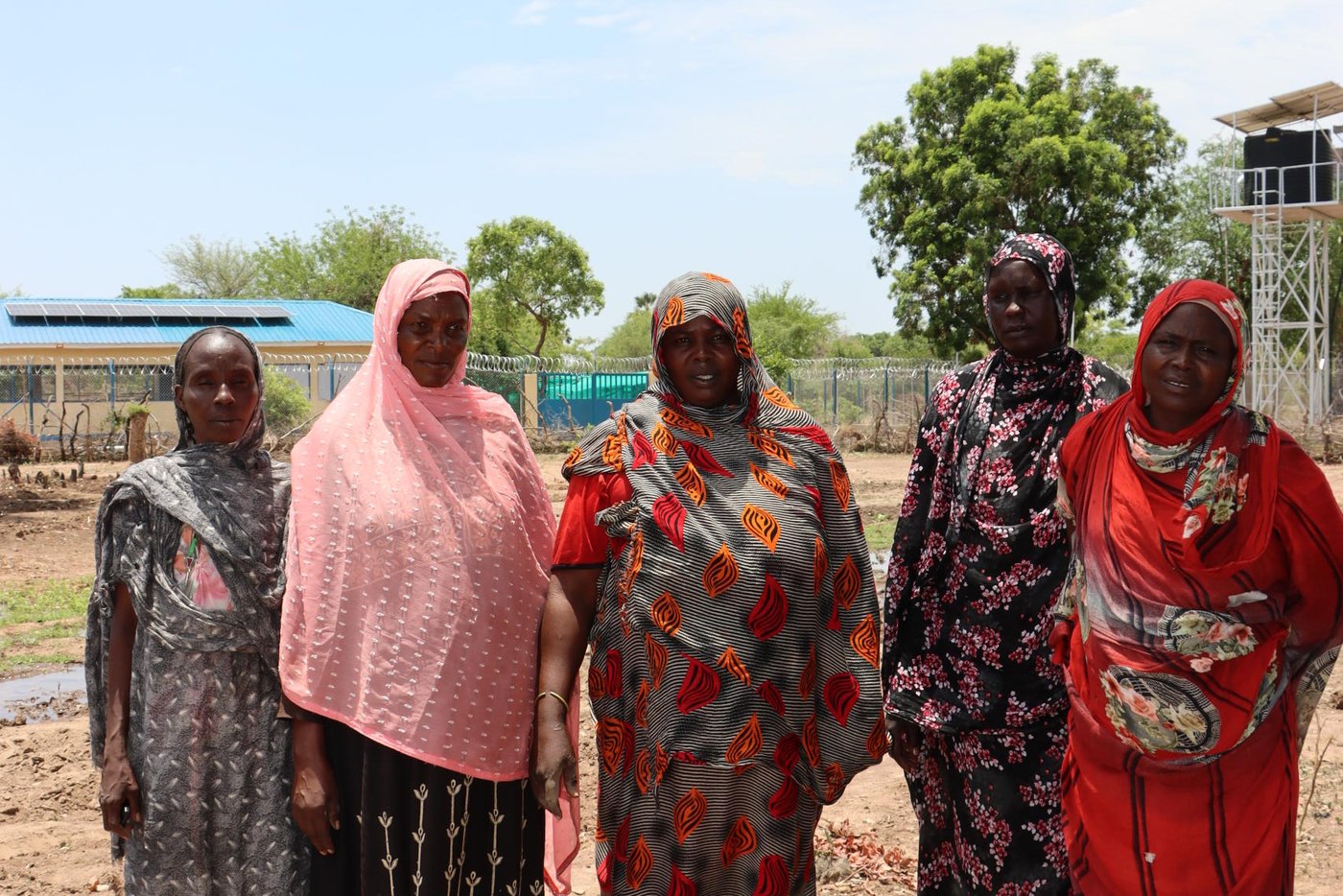
“After 13 days, my name appeared, and I received 172,500 South Sudanese Pounds [$1,324.32 USD],” says Jadda.
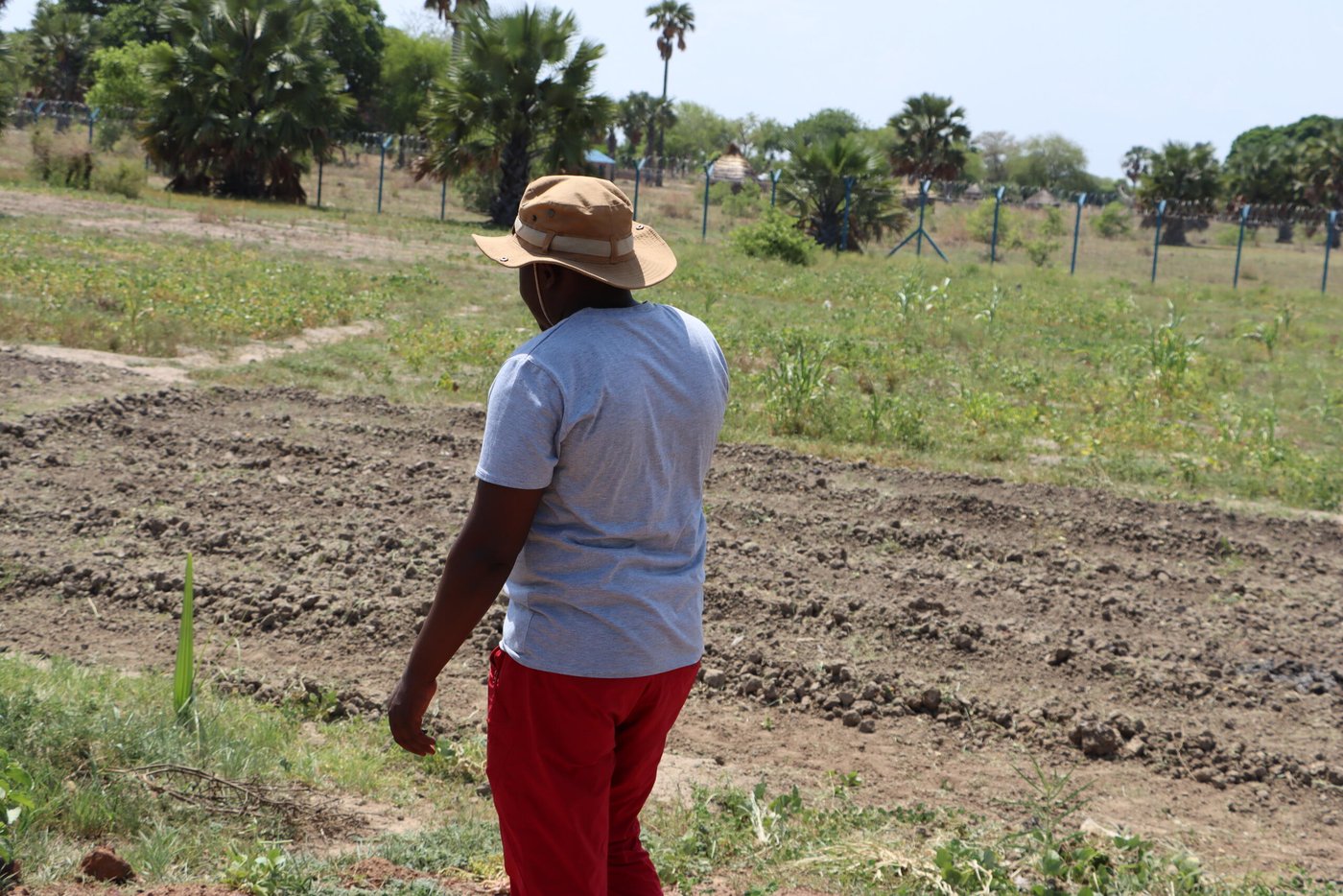
In 2024, Jadda joined an NRC-supported farming group after a camp official organised residents into activity clusters. Some were making baked goods, while others cultivated land. Jadda chose the garden.
The first season was modest. Working in a group on a small plot, the harvest was not enough to sell, but enough to feed their children.
Then revenge killings broke out in the area, retaliatory attacks following the murder of South Sudanese nationals in Sudan. The violence spread into the camp's surroundings. Insecurity meant the women could not tend their crops.
"When the revenge conflict took place here, our farms dried due to lack of water," Jadda says. "Later we started watering again and never gave up."
Some of the women's harvests failed entirely. A few, including Jadda, still managed to gather something.

Now, with the rainy season approaching, the women want to plant again.
What they lack are tools: hoes, watering cans, and basic equipment to work the soil properly. Without them, the rains will come and go, and the land will stay unbroken.
"We appreciate NRC for training us," Jadda says. "But we urge more support so that we can continue farming and support our families here in the camp."
"Despite the farming not being large-scale, we thank God that we were able to harvest food for our children," she says. That season, the garden gave them red peppers, okra, kudra, tomatoes and eggplants.
In South Sudan we are currently providing multisectoral support to Sudanese refugees and returnees in Wedweil Refugee Camp, including shelter, water and sanitation, protection, legal assistance, education, and livelihood activities.
Sign up to our newsletter to read more stories from around the world.
