
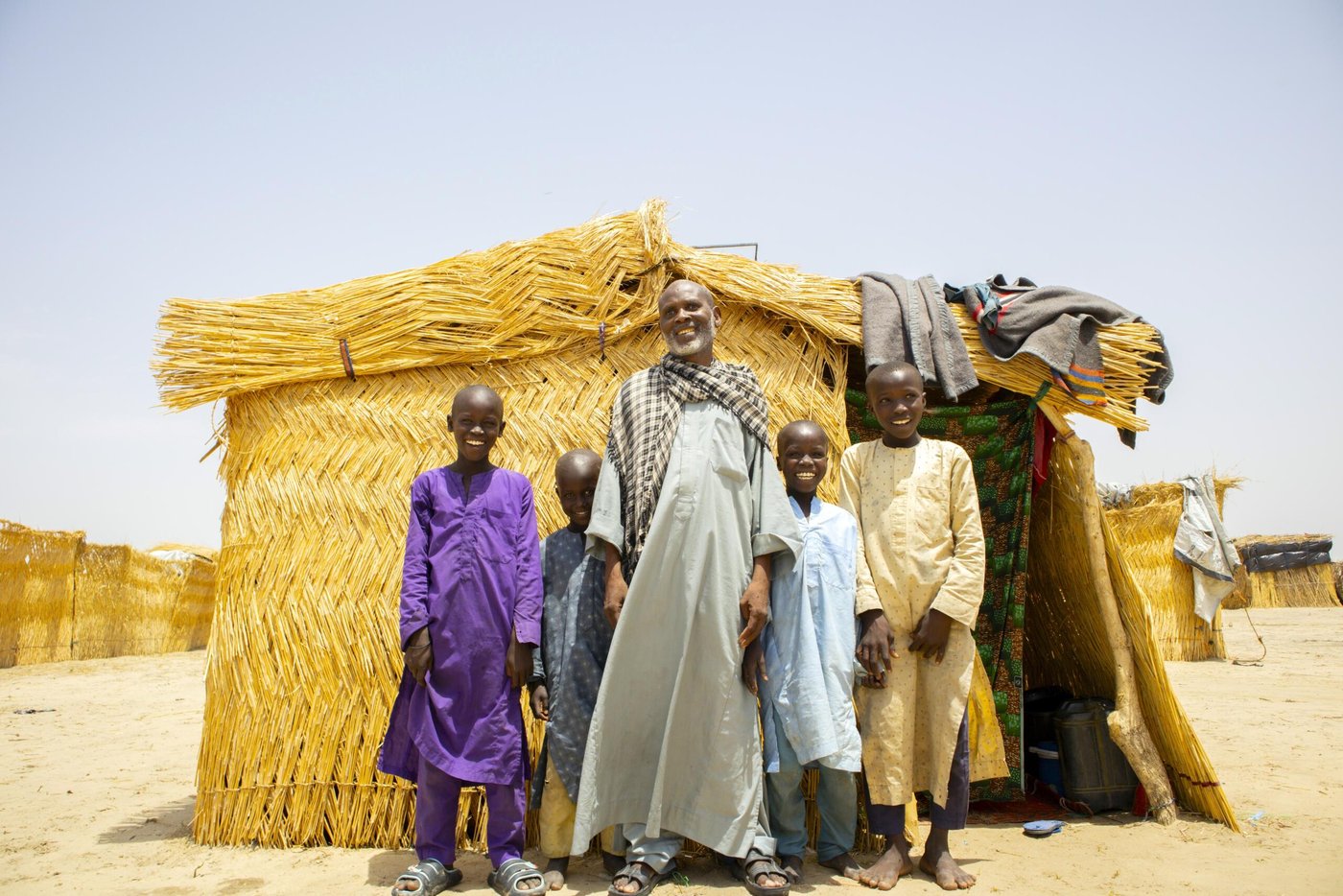
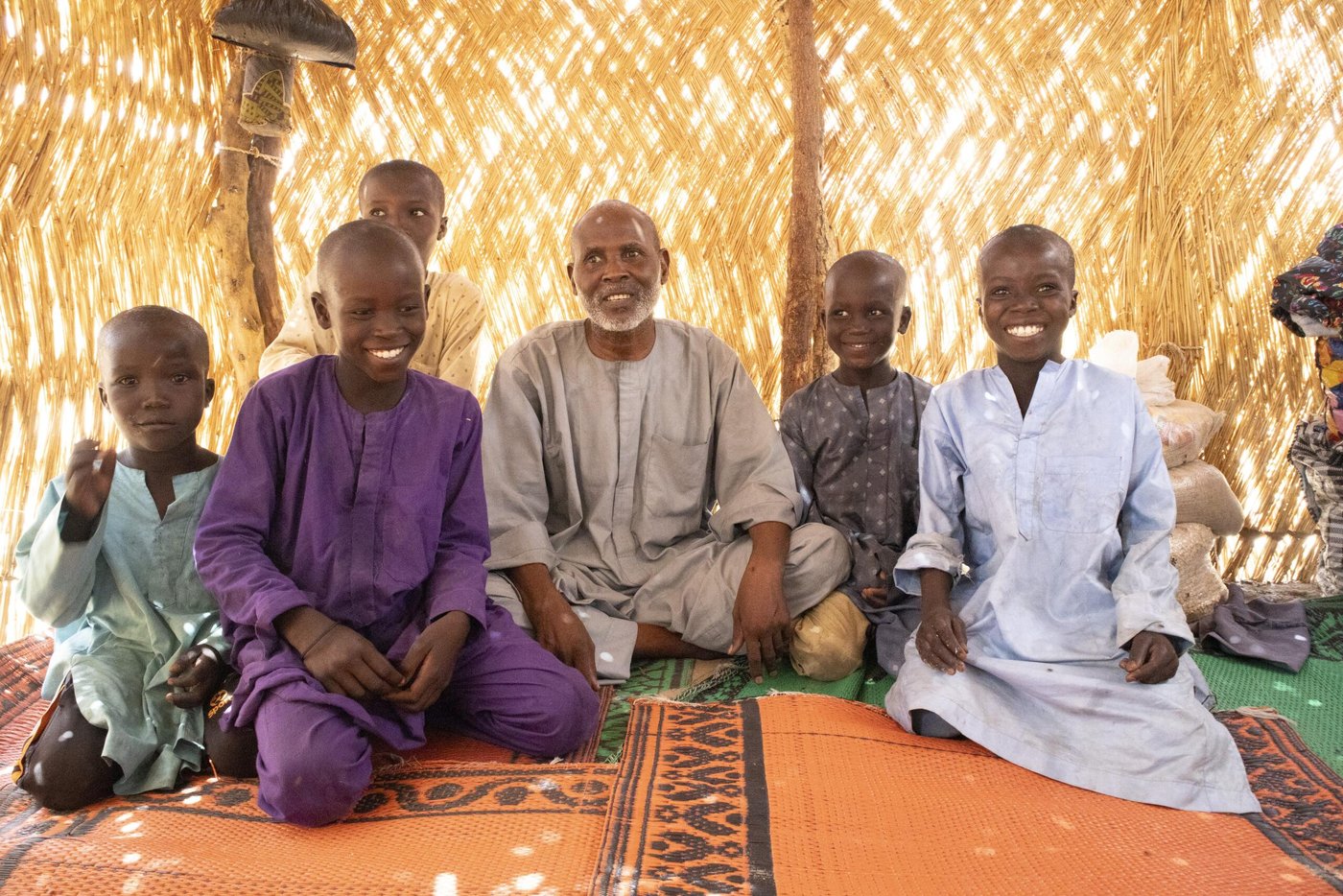
In February 2026, a fire swept through the Government Girls Secondary School (GGSS) Camp in Monguno, Nigeria. Umar Mawaje lost the little he had left. Living with visual impairment and caring for his grandchildren, he suddenly found himself without shelter, food or belongings. Yet, with timely humanitarian support, he began rebuilding his home.
Umar's story of recovery
In Monguno, Borno State, years of conflict have forced many families from their homes, leaving them to rebuild their lives in displacement. For many, recovery is often disrupted by repeated shocks, including fires that can erase hard-earned progress in an instant and leave families struggling to meet their basic needs.
In displacement settings in Monguno, where temporary shelters are often built close together and families rely on limited resources for daily living, fires remain a recurring risk.
"At one point, I had lost hope."
These are the words of Umar Mawaje, reflecting on the aftermath of the devastating fire.
Originally from Bulabutuye community in Biu Local Government Area of Borno State, Umar was forced to flee his home after conflict reached his community, forcing his family to seek safety in Monguno, where they were received at the GGSS Camp. As displacement stretched into years, Umar's adult children eventually relocated to other areas in search of income opportunities, leaving him to care for his grandchildren in the camp. Umar spent years trying to rebuild his life away from home, only to face yet another setback.
"Losing our shelter was devastating," Umar recalls. "As the person responsible for caring for my grandchildren, I did not know where we would sleep or how I would provide for them."
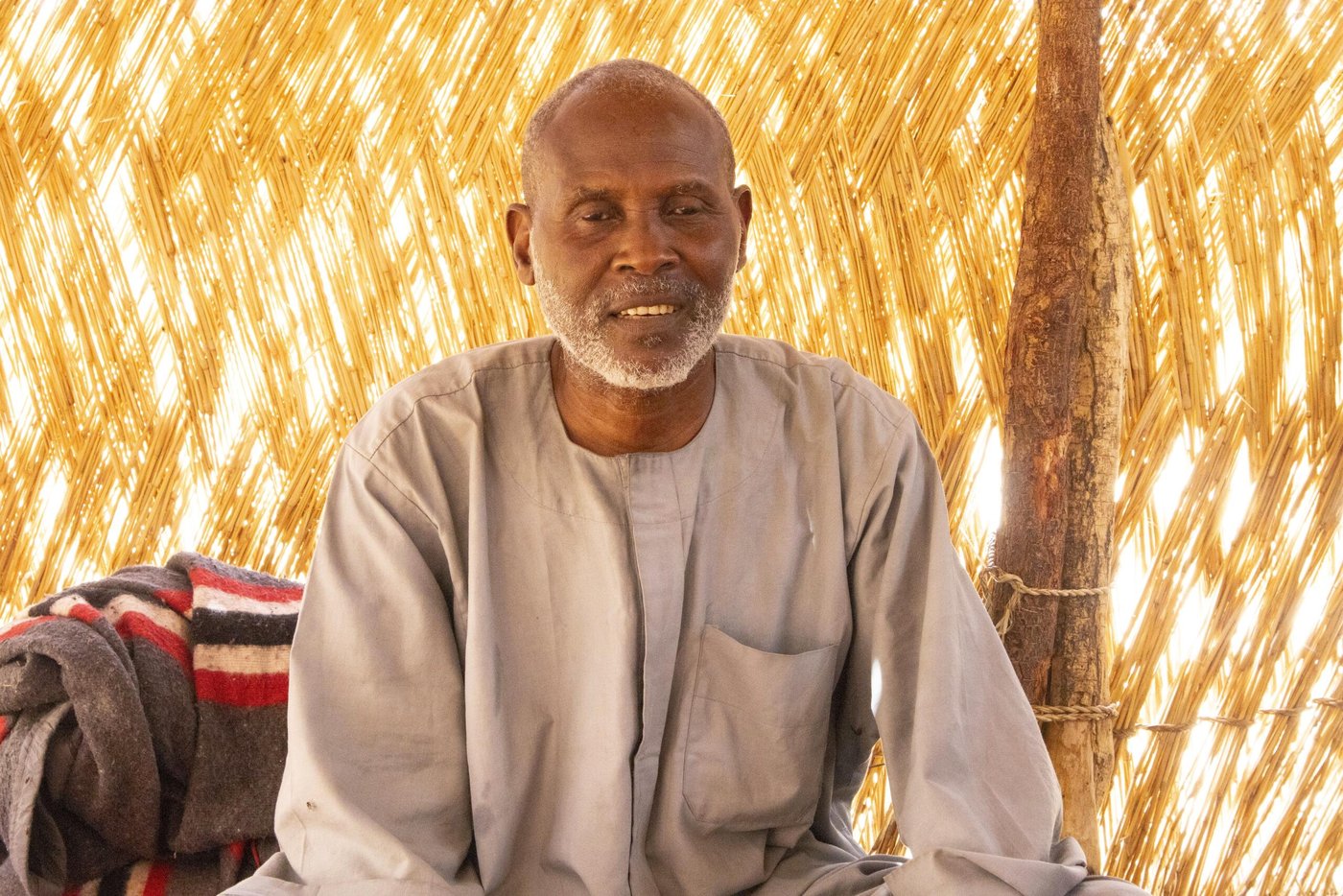
Through a project funded by EU Humanitarian Aid, the Norwegian Refugee Council (NRC) provided timely cash assistance to more than 100 families affected by the fire in Monguno, including Umar's family.
The cash assistance allowed Umar to decide how best to support his family. He prioritised rebuilding their shelter, and buying food and clothing.
"This assistance came at a time when I had lost hope," he says. "With this support, I was able to rebuild a place for my family to stay and provide food and clothing for them. I cannot imagine what our lives would have been like without this timely help."
Restoring choice
In emergencies, cash assistance is one of the fastest and most effective ways to support families affected by crisis. It enables humanitarian organisations to respond rapidly while giving people the flexibility and dignity to prioritise the needs that matter most to their families.
For Umar, the support provided an opportunity to regain a sense of control over his circumstances and enabled him to continue caring for the grandchildren who depend on him.
Today, Umar's rebuilt shelter offers his grandchildren a safe place to sleep. While many challenges remain, timely cash assistance helped his family move from crisis toward recovery. For thousands of families affected by displacement and sudden shocks, that opportunity to make their own decisions can make the difference between merely surviving and beginning to rebuild.
Sign up to our newsletter to read more stories from around the world.
