
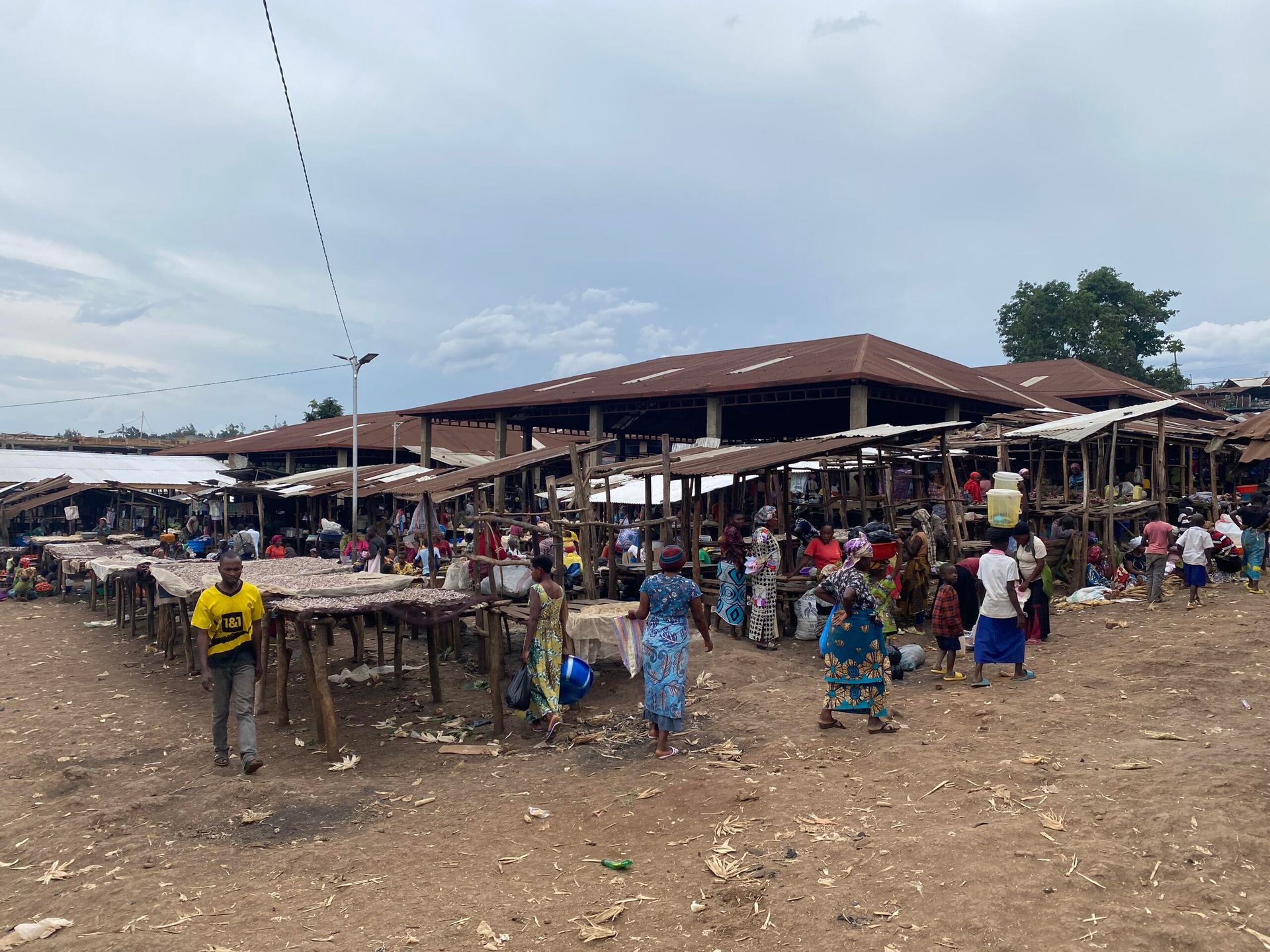
In Katana, in the east of the Democratic Republic of the Congo, conflict has forced thousands of families to flee their homes. They left behind their houses, crops and, in many cases, everything they owned. Despite facing hardships of their own, many host families opened their doors to displaced people, sharing the little they had.
In response to the crisis, the Norwegian Refugee Council (NRC), supported by the European Union through the SAFER consortium (Strategic Assistance for Emergency Response), provided cash assistance to more than 7,000 displaced and host families. This support gave each household the freedom to decide how best to meet their most urgent needs while also planning for the future.
Francine, a mother of ten, is a member of the host community. When displaced families arrived, she did not hesitate to welcome four families into her home.
"I welcomed four displaced families. Today, they are like my own children," she says.
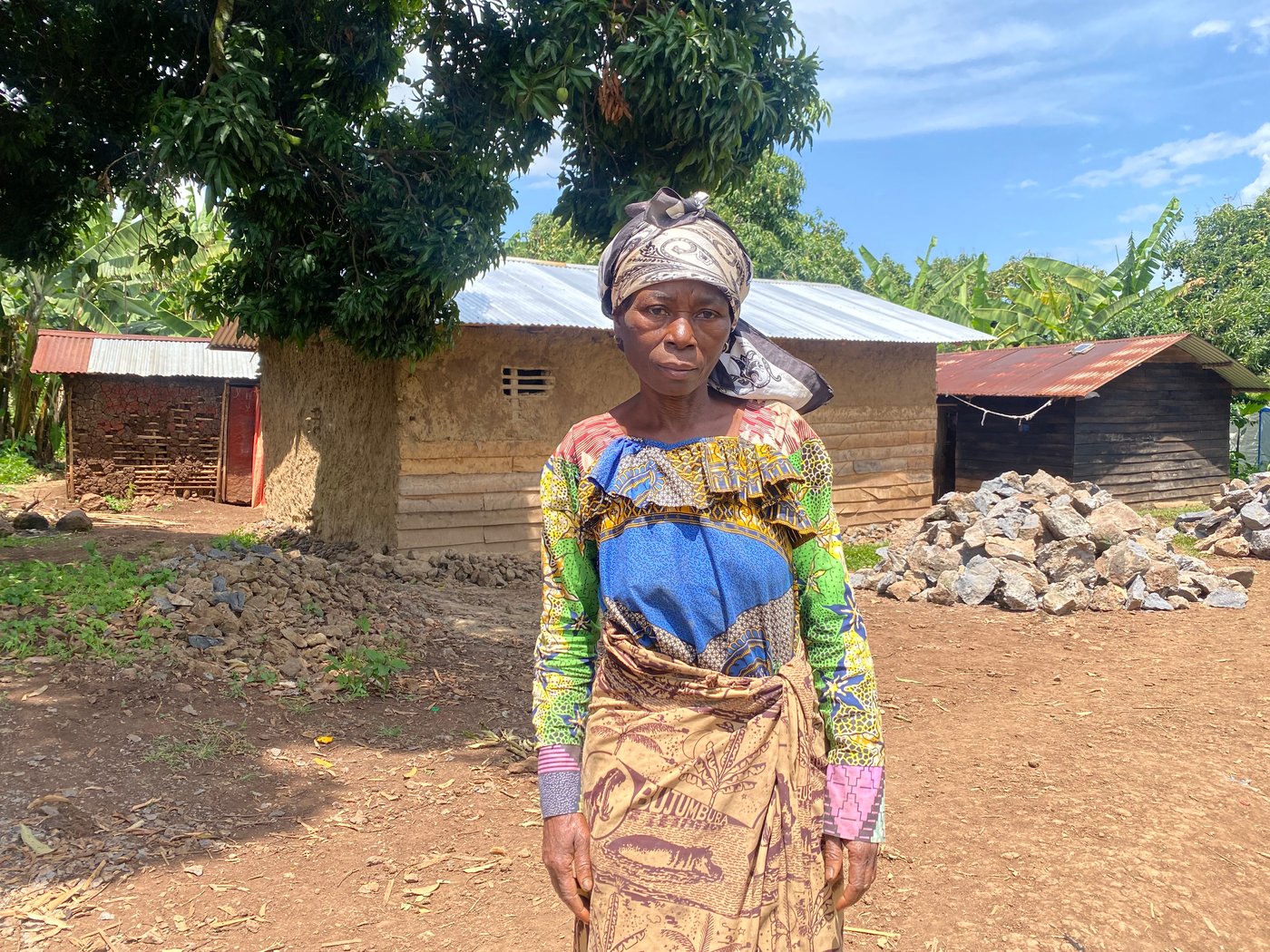
But accommodating so many people in an unfinished house was a daily challenge. Thanks to the cash assistance, she was able to complete the construction of her home.
"It allowed me to finish building the house you see behind me. Now everyone has a decent place to sleep," she says.
For Francine, the assistance did more than help build walls. It created a safe space where several families could begin to regain a sense of stability after losing everything.
***
A few kilometres away, Anuarite is also working to rebuild her life. Displaced since August with her three children, she vividly remembers the day they fled.
"We fled with nothing. During our escape, my children became sick. I had to work on other people's farms just to earn enough to feed them," she recalls.
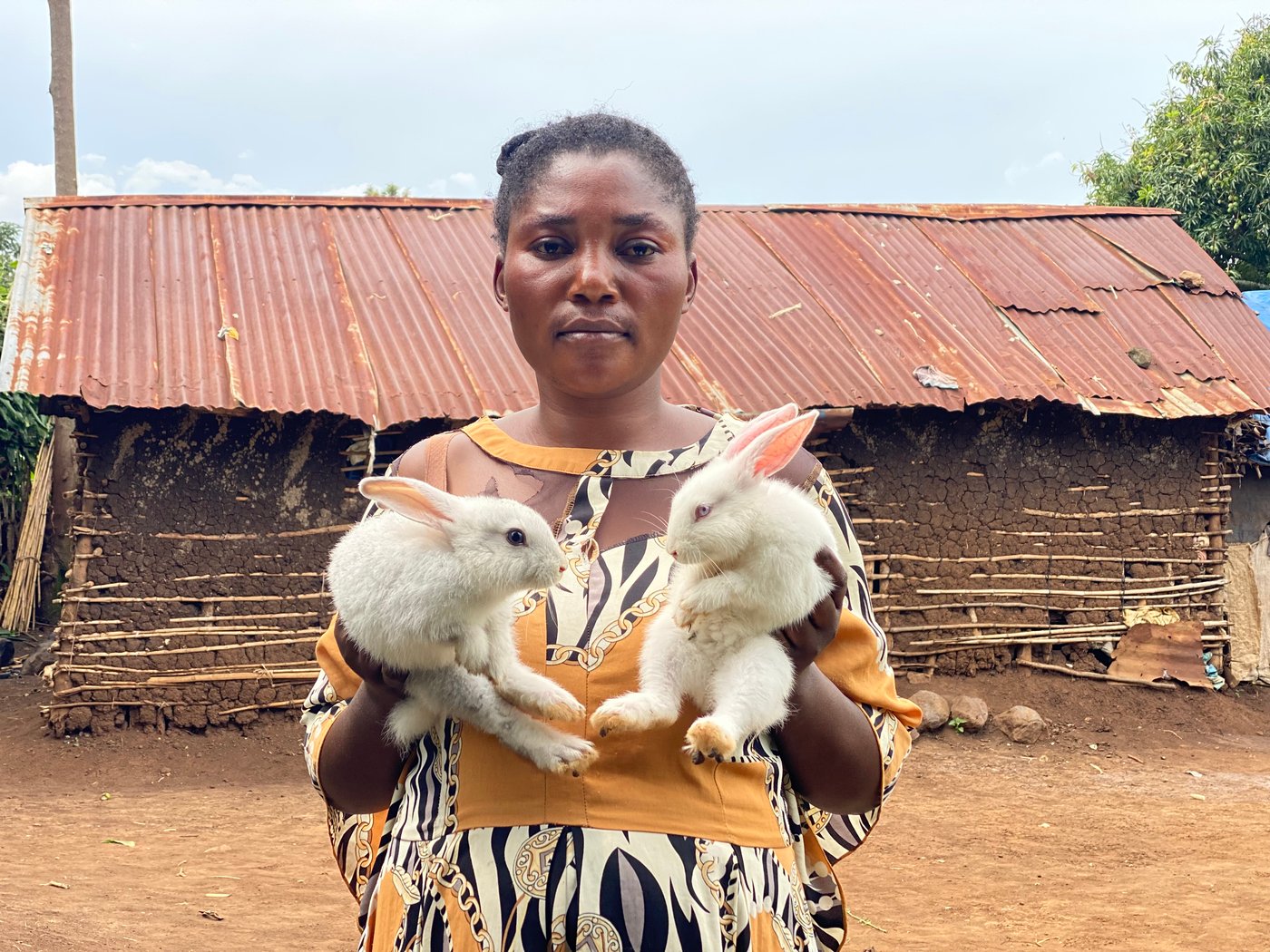
When the assistance arrived, she first addressed her family's most urgent needs: paying for her children's medical treatment, enrolling them in school, and buying food. Then she began thinking about the future.
With the remaining money, she bought two rabbits.
"My goal is for these rabbits to multiply so that I can use the income to cover my children's school fees," she explains.
Although simple, this decision represents an investment in her children's future. It reflects her determination to gradually regain her independence despite the hardships she has faced.
***
In the village of Bwidagarha 1, Mobutu Chibinda holds onto another hope: returning home when security conditions allow.
"When I received the cash, I asked myself where I would find the money to pay for transport when the time came to return home," he says.
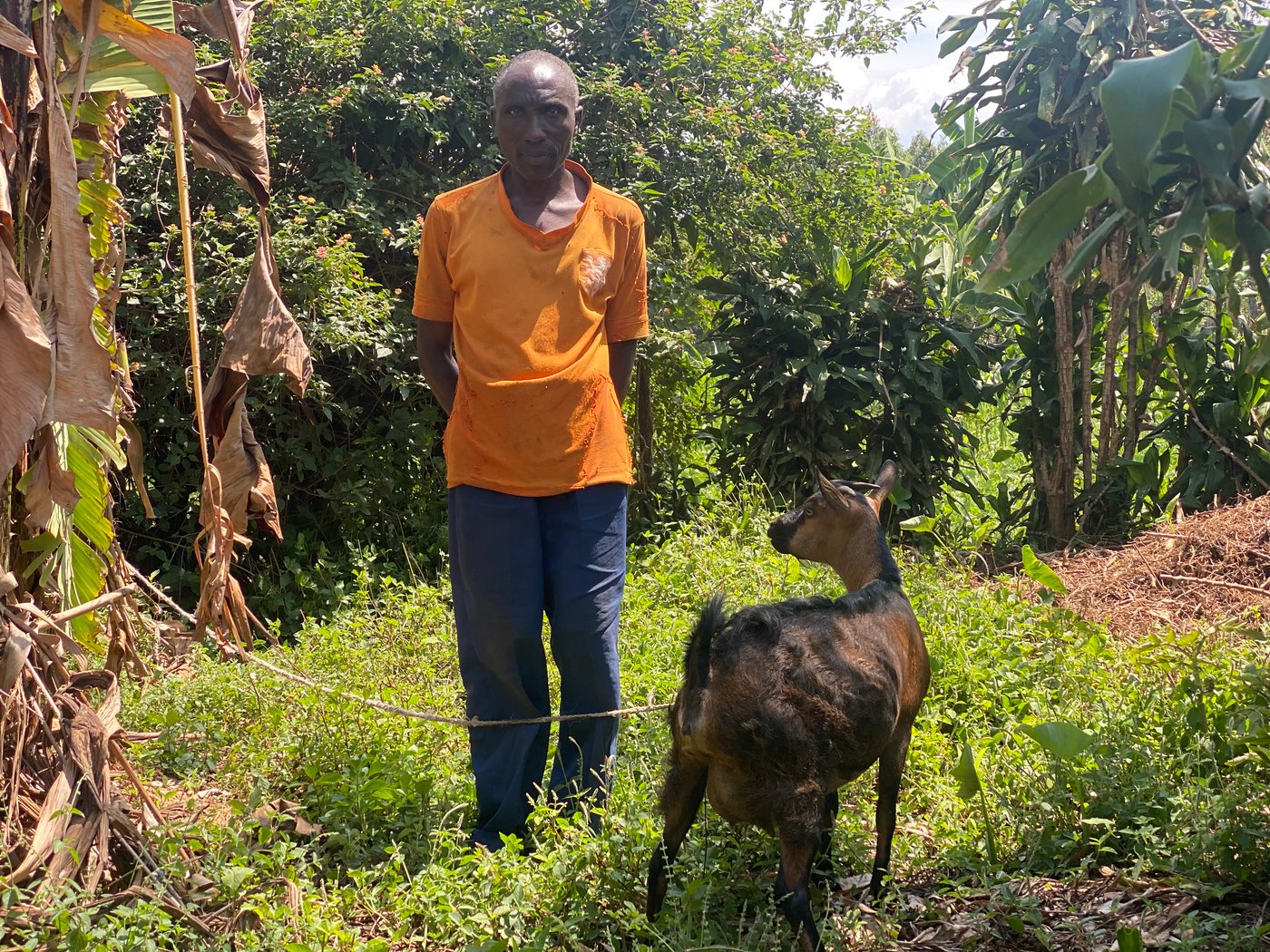
After buying food and medicine for his sick child, he invested in a goat and its kid.
"I plan to sell this goat once the situation improves and people are able to return home. The money will be used to pay for our journey back."
For Mobutu, the goat represents far more than a source of income. It symbolises the possibility of returning home one day with dignity.
***
The stories of Francine, Annuarite and Mobutu reflect the experiences of thousands of other families supported by NRC. When households have both the resources and the freedom to decide how to use them, they make choices that best reflect their own priorities: providing safer shelter, protecting their children's health, keeping their children in school, investing in small livestock or preparing for a future return.
These three stories offer just a glimpse into the lives of the more than 7,000 families who received cash assistance in Katana. Behind every cash transfer is a decision, a plan and a priority chosen by the families themselves. This approach not only helps meet immediate needs but also strengthens people's independence and capacity to rebuild their lives.
Yet the needs remain immense. Many displaced families and host communities continue to live in extremely difficult conditions, facing insecurity, repeated displacement and dwindling resources.
Continuing to invest in flexible, timely and choice-based cash assistance means giving more families the opportunity to transform emergency support into a pathway toward recovery. Because at the heart of every humanitarian response are women, men and children striving to live with dignity and rebuild their futures.
We’re here to tell you about the crises no-one else is talking about.
