
When conflict forced thousands of people to flee Sudan to South Sudan, many families arrived without the legal documents needed to access public services. For school-age children and young people returning to Renk County, missing civil documentation became a significant barrier to education. Without it, many could not register for national exams.

The paperwork that let Renk's returnee students sit their exams
For returnee students, obtaining legal identity documents gives them access to education, strengthens recognition before state institutions, and creates opportunities for future opportunities including employment, further studies and the ability to travel.
With funding from the Swiss Agency for Development and Cooperation (SDC), the Norwegian Refugee Council (NRC) has helped more than 3,000 returnees, refugees , and host community members across Renk County to obtain legal identity and civil documents including birth registration, and age assessment certificates.
Lual's story
Lual is a Senior Four student at Peace Secondary School. He had successfully enrolled in school but could not register for the South Sudan Certificate of Secondary Education exams because he lacked the legal document that he needed. His family could also not afford an age assessment certificate after returning from displacement.
With NRC’s support, Lual was able to secure the documents he needed and completed his examination registration.
"Access to legal identity documentation has enabled me to register for my national examinations and will also make it easier for me to travel to Uganda next year," he says.
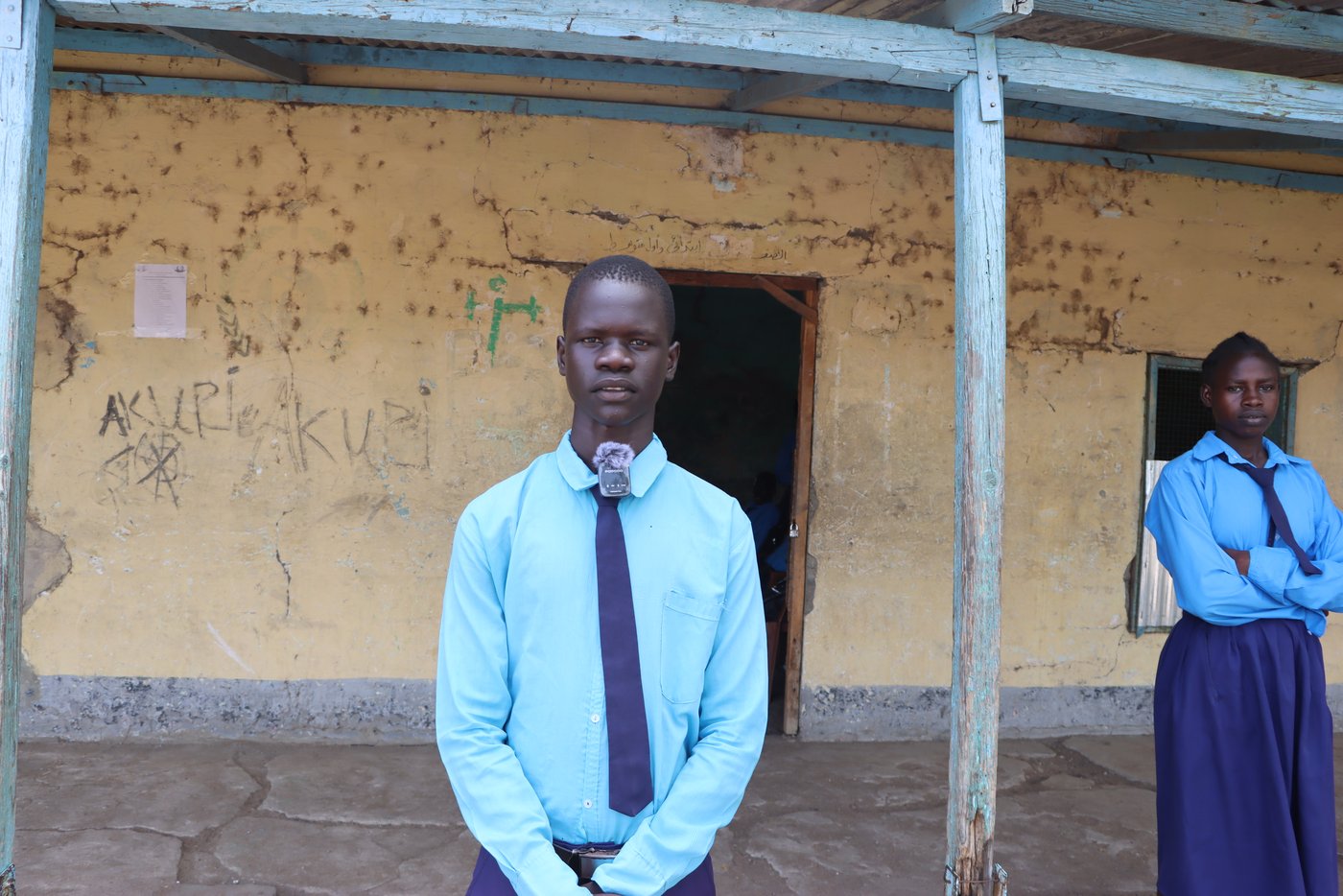
Juma's story
Juma faced a similar problem. As his national exams approached, his family could not afford the documents he needed, and he risked missing registration altogether.With NRC’s support, he received an age assessment certificate, an important step toward securing nationality documentation and meeting examination requirements.
"My parents could not afford the costs involved. Receiving the documents meant I could complete my examination registration and continue my education," he says.
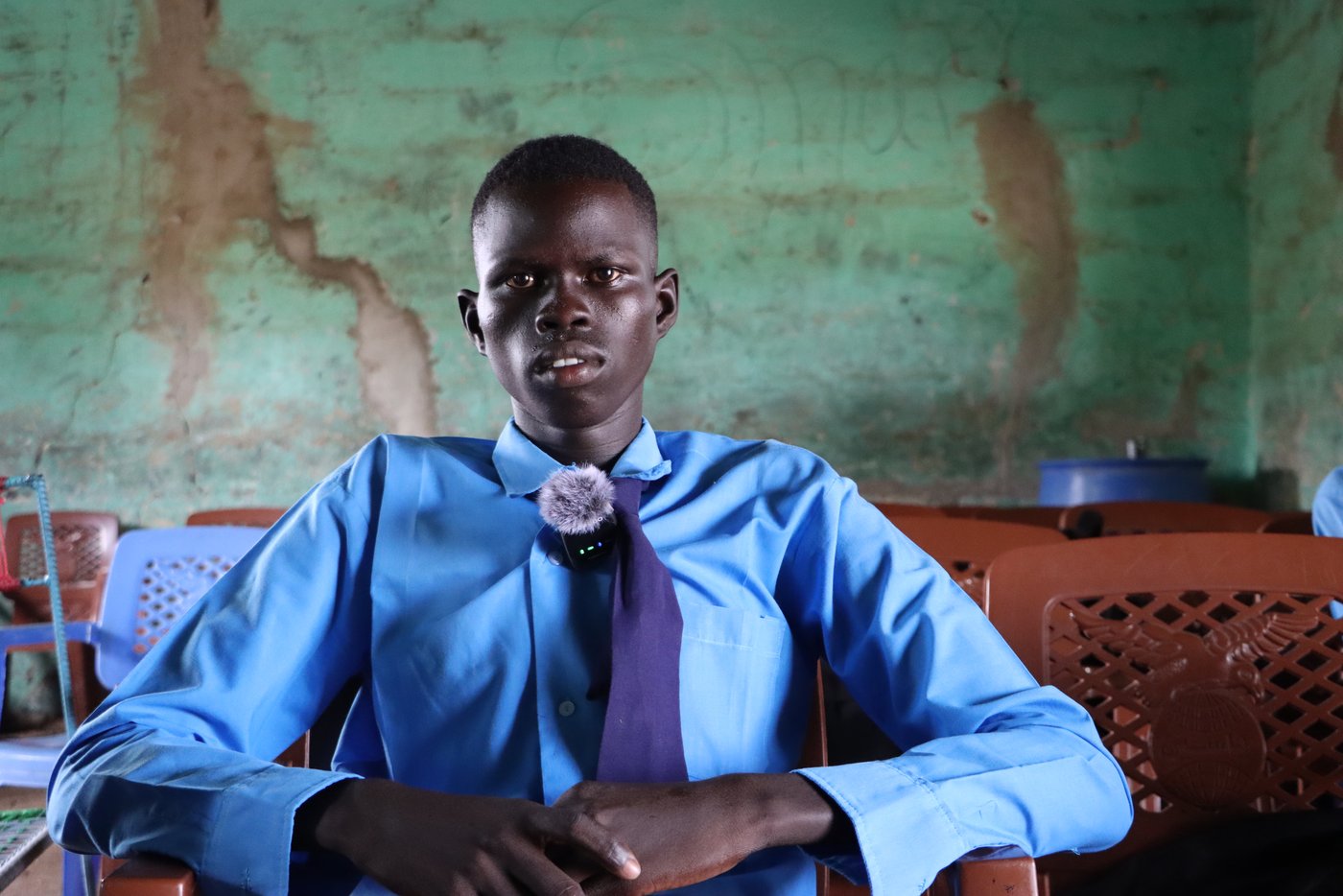
Supporting the host community
The support has also reached students from host communities.
Bugeny says it has eased the burden on families who struggle to afford legal documents. "Many families in our community cannot afford these documents. This support has enabled students who might otherwise have been left behind to continue their education," she says.
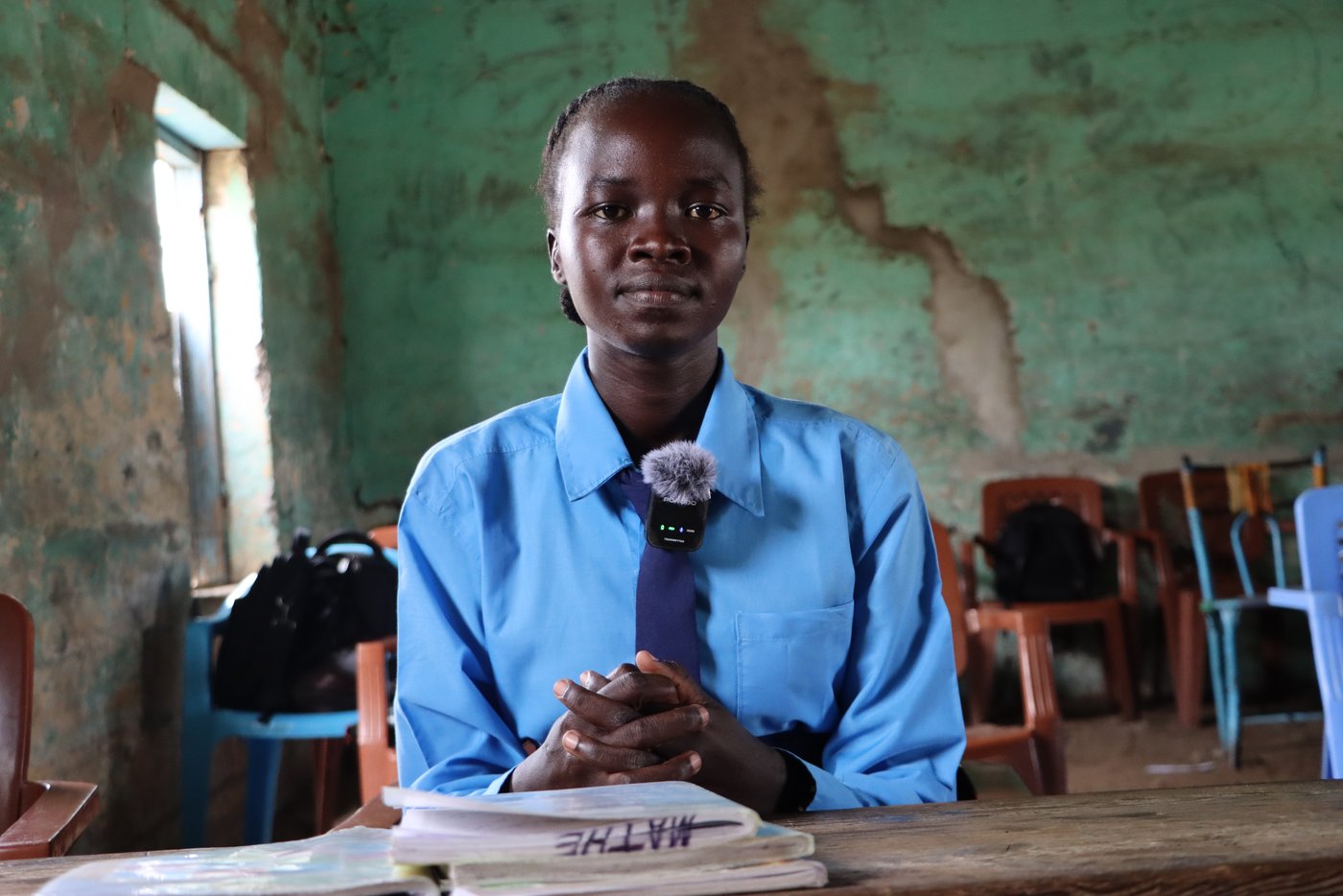
Chakuoth's story
Chakuoth, a primary eight student, received her legal identity documents in time to register for the national primary examinations.
"Receiving my documents on time meant I could register for my examinations without delays," she says.
Obtaining these documents independently, she explains, often means navigating lengthy administrative processes that many families find hard to manage.
A legal identity document is more than proof of identity. For returnee and host-community students in Renk, it enables access to education, strengthens recognition by public institutions, and removes barriers that prevent young people from reaching their full potential.
By supporting access to civil documentation, the programme is helping vulnerable children and young people to stay in school, exercise their rights, and invest in their futures.

Sign up to our newsletter to read more stories from around the world.
