
When fighting reached Al Fasher, Sudan, Inaam gathered her children and fled. In the chaos, Inaam was separated from her husband. The family eventually reached Tawila, in North Darfur, where Inaam began trying to rebuild a sense of stability for her children while displaced.
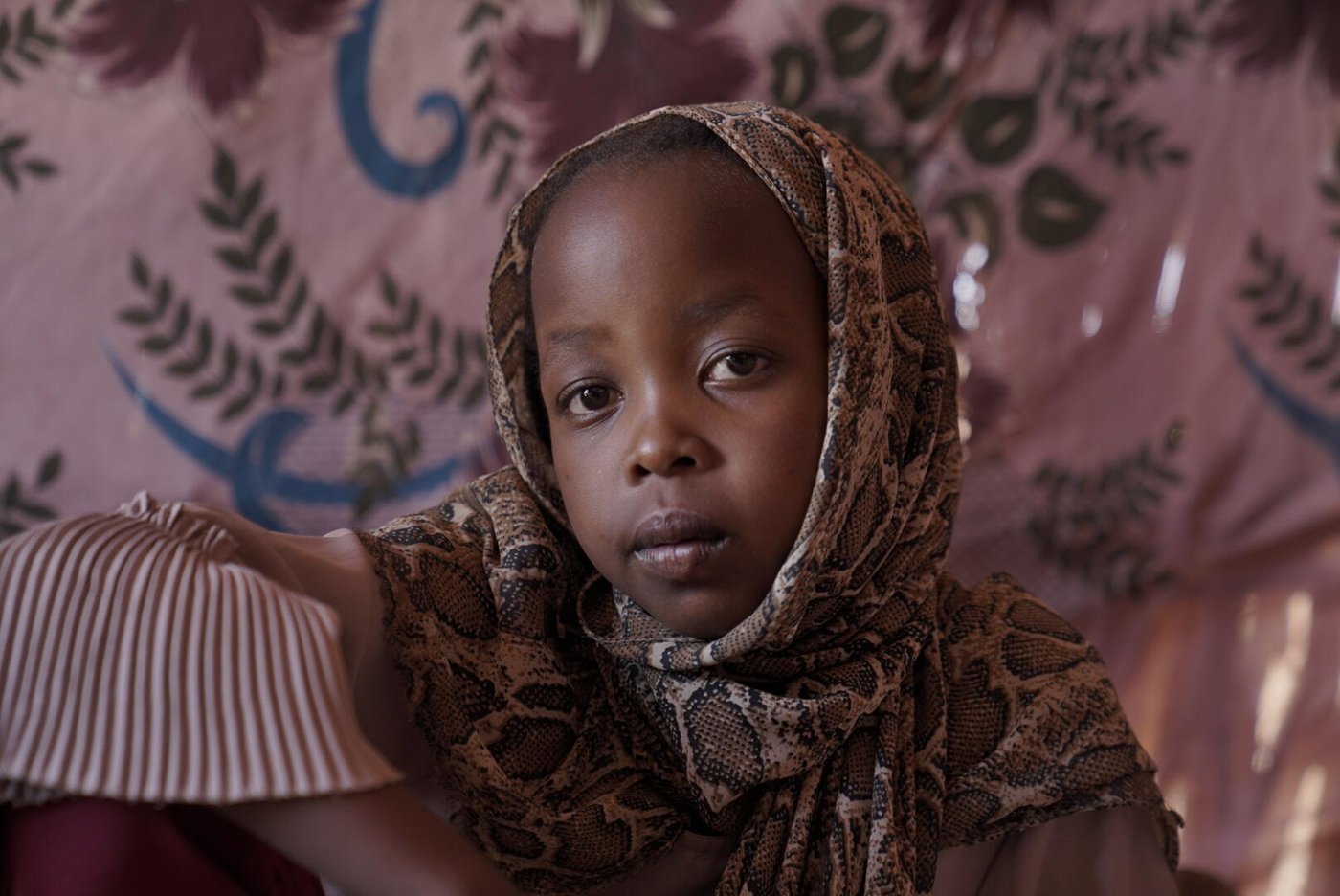
The girl who drew her way back
She was especially worried about her daughter, Sundus. Before being displaced, Sundus had been bright and talkative. Afterwards, she became quieter and less interested in the things she used to enjoy. Inaam hoped that school, play and time with other children might help her feel more like herself again.
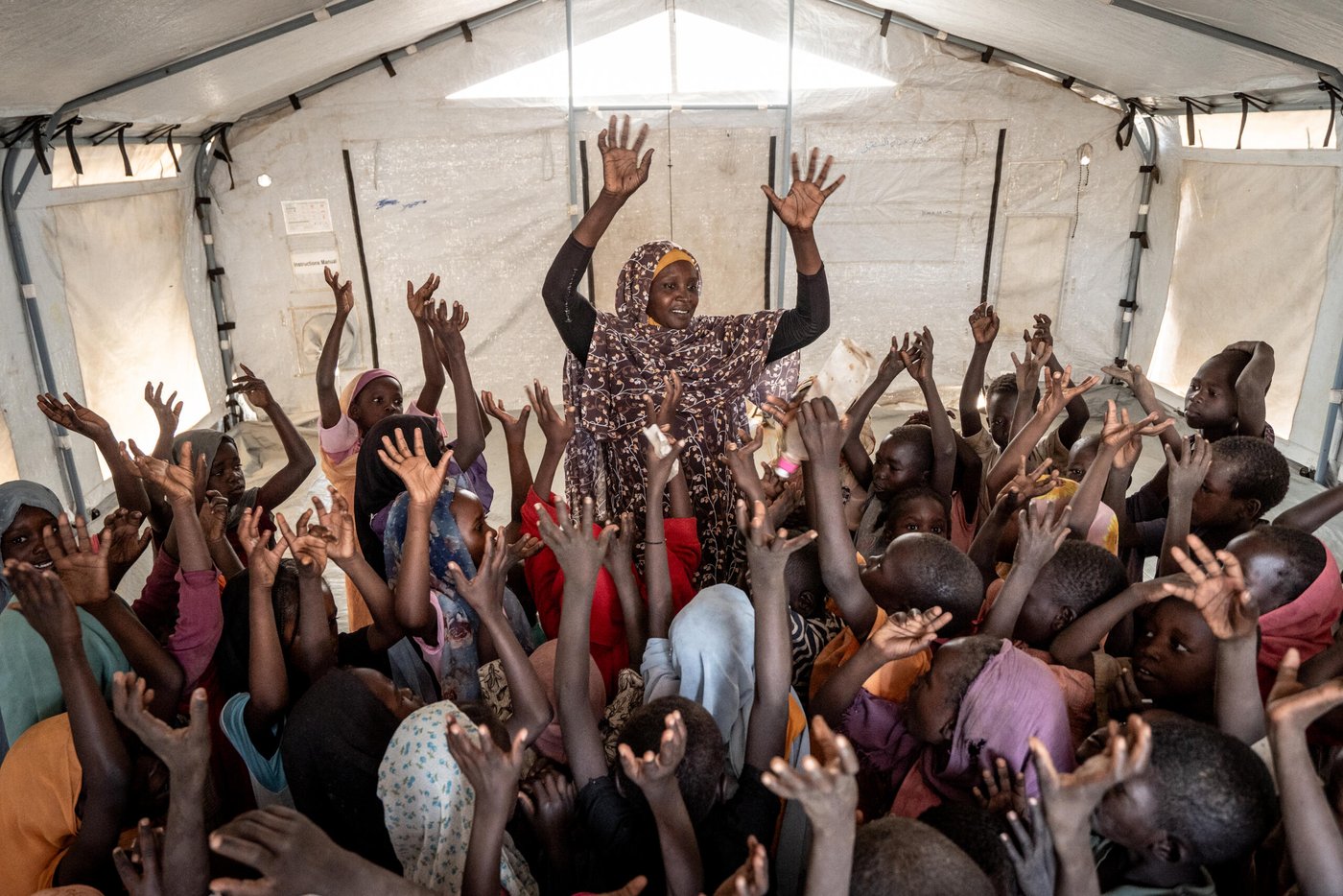
A classroom in the camp
A short walk from where Inaam’s family had settled, the Norwegian Refugee Council (NRC) was setting up a temporary learning space in Tawila camp. Working with community facilitators and displaced families, NRC staff moved quickly to create a space where children could learn, play and spend time together.
“The beginning of the project was very quick,” says Jamia, an NRC staff member. “Together with facilitators and the local community, we were able to start activities within three weeks. The children were extremely motivated to join, especially after being displaced from Al Fasher.”
The programme, known as First Line Education Response (FLER), is designed not only to help children return to learning, but also to support their wellbeing through play, creative activities and peer connection. At its core is a simple idea that when children feel safe enough to play, they can begin to rebuild confidence, friendships and a sense of normality.
When Sundus first walked through the door, no-one knew how much she would change.
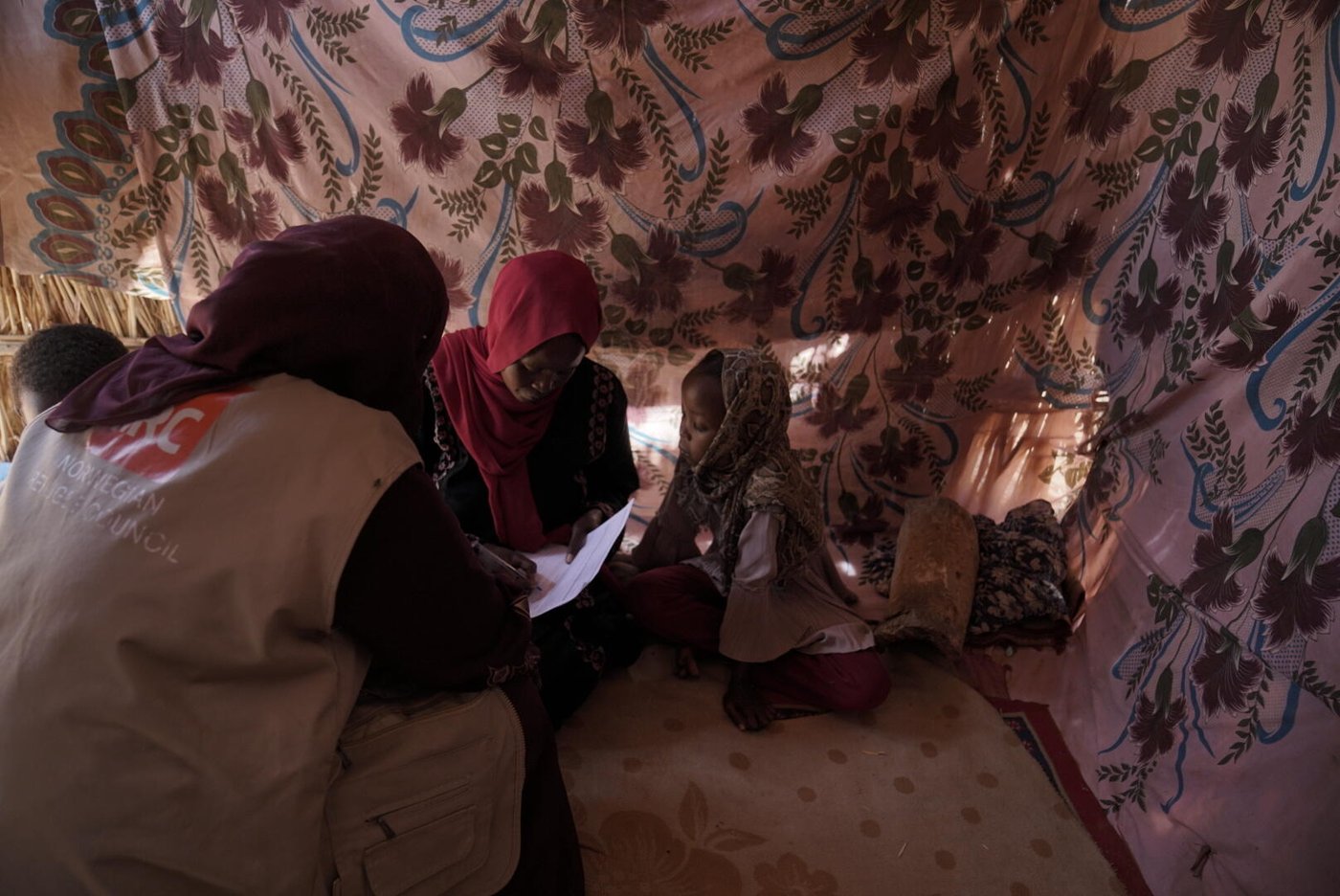
“I became better”
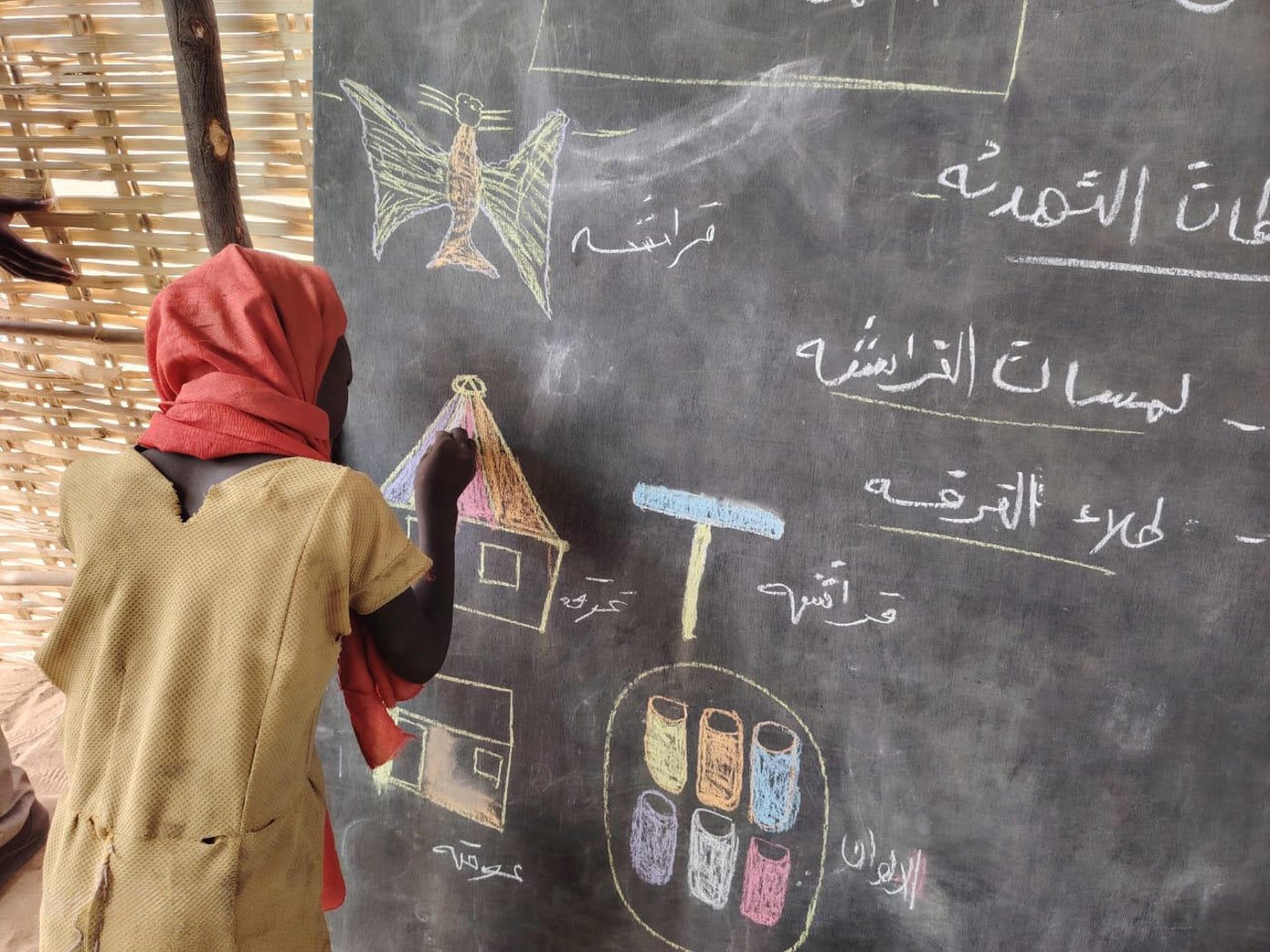
The changes came gradually and Sundus began to draw. She joined games with other children, played football, jumped rope and made friends. The classroom became a place where she could learn, play and spend time with children her own age.
Then one day, Sundus said the words herself: “I became better.”
The facilitators noticed the difference, too. “Learning through play keeps children engaged and motivated. They like it a lot,” one facilitator said during a group session. The energy in the space was different from a traditional classroom: active, lively and full of movement.
At home, Inaam began to notice the change. Sundus became more interested in school. She started preparing herself before class and brought home messages about hygiene and self-care, repeating them to her mother and grandmother.
“She now tells these things to me and her grandmother at home,” Inaam says.
Even Sundus’s teacher noticed her progress.
“Sundus has become hardworking and interested in her studies,” the teacher told Inaam.
After seeing how much had changed in her daughter, Inaam heard those words as something extraordinary.
“Her condition is much better now,” Inaam says. “Before, she used to sit alone all the time. But now she talks more and eats better. She began drawing, talking with her friends and becoming interested in education again.”
Sundus describes the change in her own words. “After I started going to school, I became better,” she says. “We do sports, draw and play. They brought us footballs and skipping ropes.”
A reason to look forward
The response in Tawila has reached hundreds of children displaced by the conflict in North Darfur.
With support from the LEGO Foundation, NRC has provided play-based learning materials, including footballs, skipping ropes and creative tools, helping children affected by displacement re-engage with learning, rebuild confidence and enjoy moments of childhood again.
A football, a skipping rope or a drawing activity may seem simple, but to a childlike Sundus, they can offer more than distraction. They can open the door to friendship, learning and a renewed sense of belonging after months of upheaval.
Through the FLER programme, NRC is helping thousands of displaced children in Sudan find a reason to look forward.
The war has not ended, and life in displacement remains uncertain. But Sundus is drawing pictures again. She is playing with classmates, joining lessons and finding her way back to school. In a place shaped by loss, those small steps matter.
NRC's education programme in Tawila was implemented with support from the LEGO Foundation.
Sign up to our newsletter to read more stories from around the world.
