


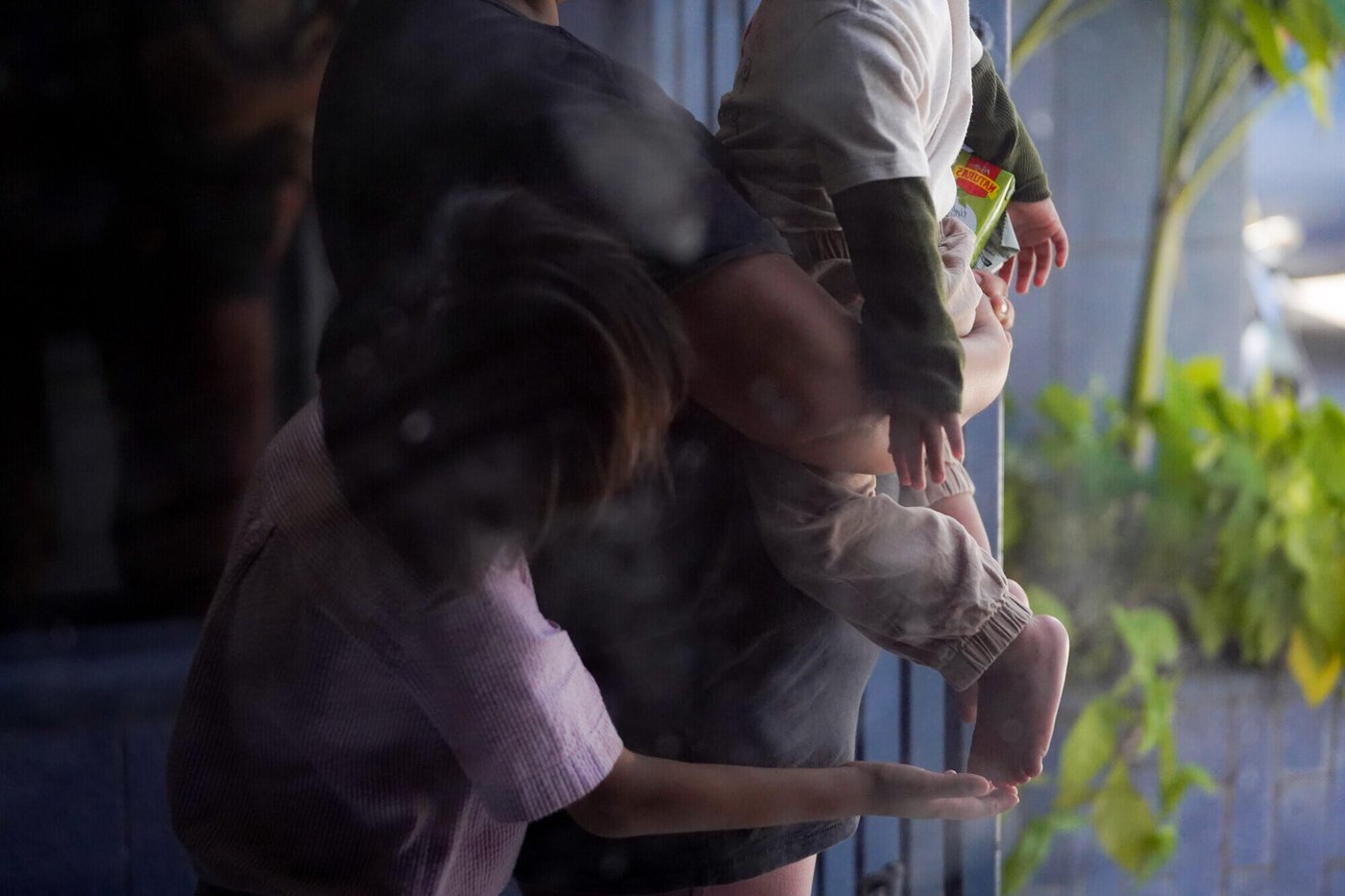
“I’m afraid to go back home,” says Alejandra, 35, as she holds Diego, the youngest of her five children, in her arms.
The dangerous aftermath of deportation
Both their names have been changed for protection reasons.
In 2025, she was the victim of sexual and physical assault in her hometown in a rural area of Honduras. When she reported the incident, she received threats from the people who attacked her.
She decided to flee.
Now, back in Honduras, she recounts the horrors whilst showing the scars from the attack.
Not feeling safe in her own country
The day she was forced to flee, she left behind a life she had worked hard to build, her 75-year-old mother and her small business.
She took her children with her because leaving them behind was too risky:
“In the [neighbourhood] where we used to live, if children at the age of 13 or 14 aren’t involved in bad things, they’re killed,” she explains, referring to forced recruitment by criminal gangs when a child approaches adolescence.
If children at the age of 13 or 14 aren’t involved in bad things, they’re killed,
The family moved to another house a few kilometres away. But, months later, her attackers turned up asking for her. When her neighbour told her this, Alejandra became convinced that she would not be safe as long as she remained in her own country. She and her children set off for the United States.
The journey
They left by land, travelling through Guatemala before reaching Mexico, where they stayed for five months before making the final stretch.
In the United States, she was able to live for a time as an asylum seeker. She worked to support the family, the children went to school and were adapting to a new language and culture.
In the short time she spent away from Honduras, through great sacrifice, she had built a home, made new friends and adopted two dogs. But, most importantly, she felt safe away from the threats.
However, earlier this year, her life plan fell apart when the whole family was deported back to Honduras.
“[My attackers] were looking for me and paying people to take my life. They were paying to find out where I was. Can you imagine if they realise I’ve come back? What would happen to me and my children?”
Can you imagine if they realise I’ve come back? What would happen to me and my children?
Everything came to a halt, not only because they had to start from scratch once again, but because of the fear.
Rebuilding a life between depression and hope
Alejandra and her children now live in a town far from their hometown and are trying to rebuild their lives in their own country. But the aftermath lingers.
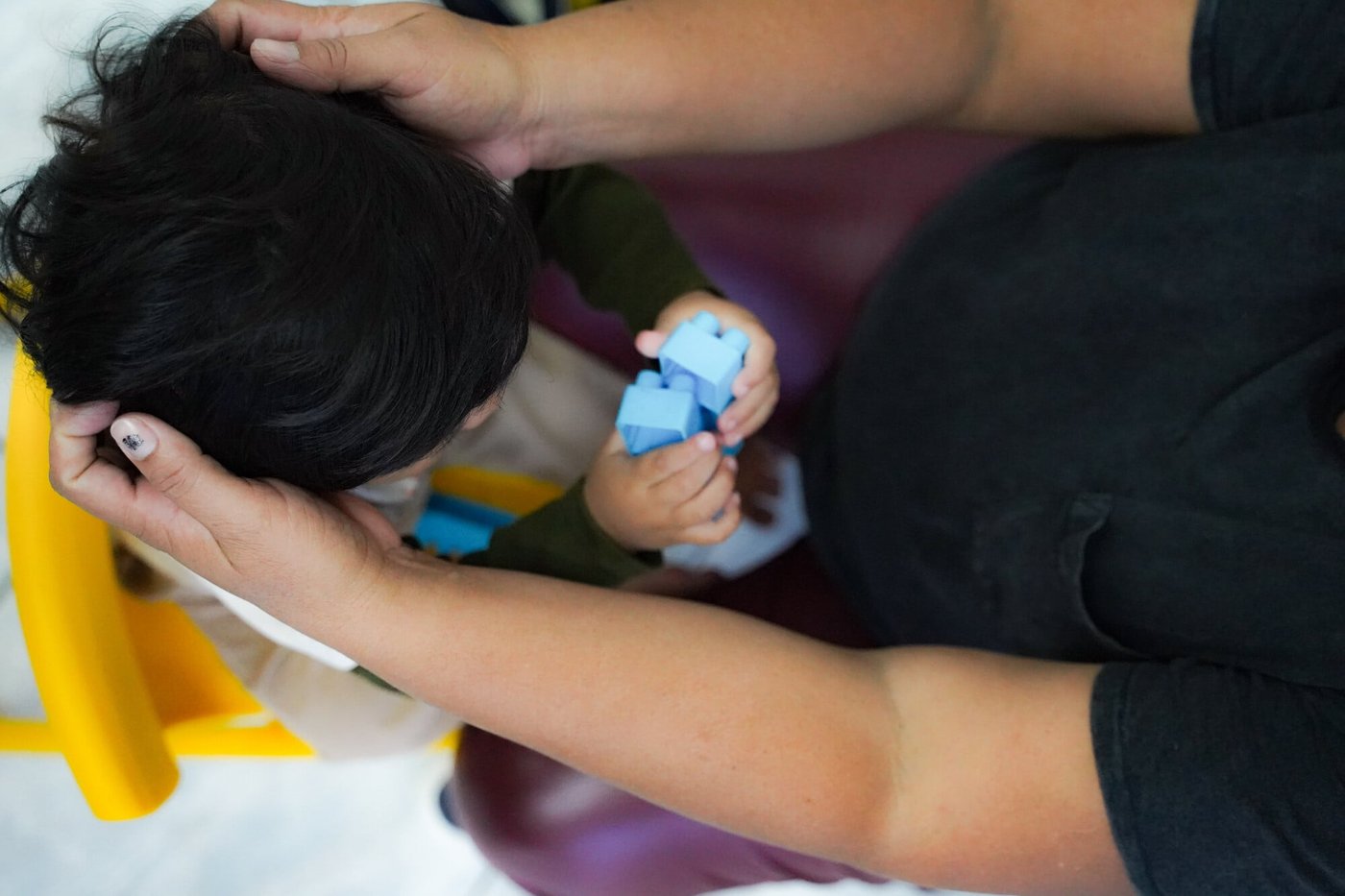
Now, as she strokes her youngest son’s hair, she lists the health issues she has developed and shows the medication she must take to manage the sadness and trauma of everything that has happened:
“I take antidepressants prescribed by a psychiatrist. At night, I lie in bed and say: I don’t want to think, I don’t want to think, but that’s just how the mind works,” Alejandra explains.
At night, I lie in bed and say: I don’t want to think, I don’t want to think.
Her eldest son has also been very sad: “depressed”, as she puts it, and the younger children ask when they will return to school without fully understanding what happened.
On returning to the country, Alejandra expressed her fear of going back to the home she had fled. With five young children, she faced every mother’s nightmare: homelessness.
She received help from the Norwegian Refugee Council (NRC) with emergency accommodation, cash and legal assistance to recover her documents and those of her children.
Alejandra has no support network in this new city. She hasn’t seen her mother since returning to the country. She misses her terribly, but she cannot go back to the house where she grew up.
Even so, and despite her fears, Alejandra has hope that one day, things will be better.
She has set out to start a small business to generate an income, and for her children she hopes “that they are studying because, wherever we have lived, they have always been in school.”
In 2025, NRC assisted 4,890 people who had been internally displaced by violence in Honduras. Sixty-three per cent were women and of these, thirty-one per cent were single mothers, like Alejandra.
Honduras is one of the world’s most neglected displacement crises, due to a lack of media attention, insufficient funding and a lack of political will. This year is the fourth time Honduras has been on NRC’s neglected displacement crises list.
