

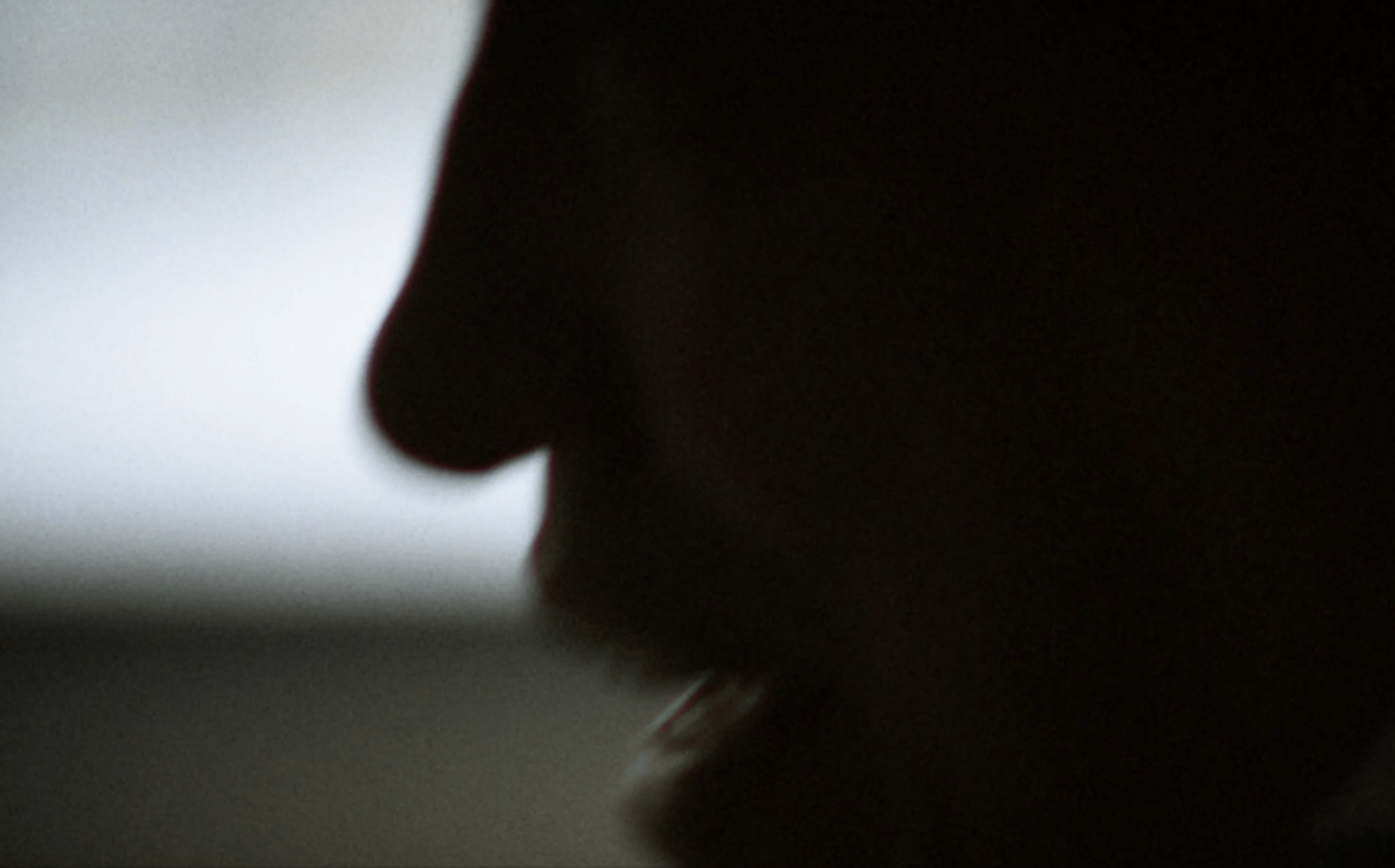
Guillermo* sings a soft melody for us. He asks for some water, takes a deep breath and smiles shyly before singing a verse of "Bonita", the vallenato song that always reminds him of home.
"Hey pretty, I feel so happy, when I think for a moment of what tomorrow will be like," he intones in a firm voice, letting the music comfort him after recounting everything that happened after his flight from Colombia.
Guillermo arrived in Mexico in November 2024. "Fortunately, I was able to leave with all my children and my wife," he says. And although he does not go into details, he sums up the reason for his departure with a clarity that is unsettling: "We were displaced by violence in Colombia. We were threatened with death, and I survived an assassination attempt by armed groups."
Leaving was urgent. Arriving in Mexico, a leap into the unknown.
"I didn't even know that COMAR existed"
Like many people in need of international protection living in Mexico City today, Guillermo had no information about the asylum system or his rights. "To be honest, I didn't even know that COMAR existed," he says.
Mexico has become a destination country for hundreds of thousands of refugees and migrants. Today, it is among the largest recipients of asylum applications in the world.
Since 2025, the offices of the state-run Mexican Commission for Refugee Assistance (COMAR) have become increasingly overwhelmed. After the abrupt closure of the United States CBP Home Mobile Application service, 270,000 people heading to the US were stranded in Mexico with no option for regularisation other than applying for asylum. This has led to long waits and a system that operates at the limit of its capacity.
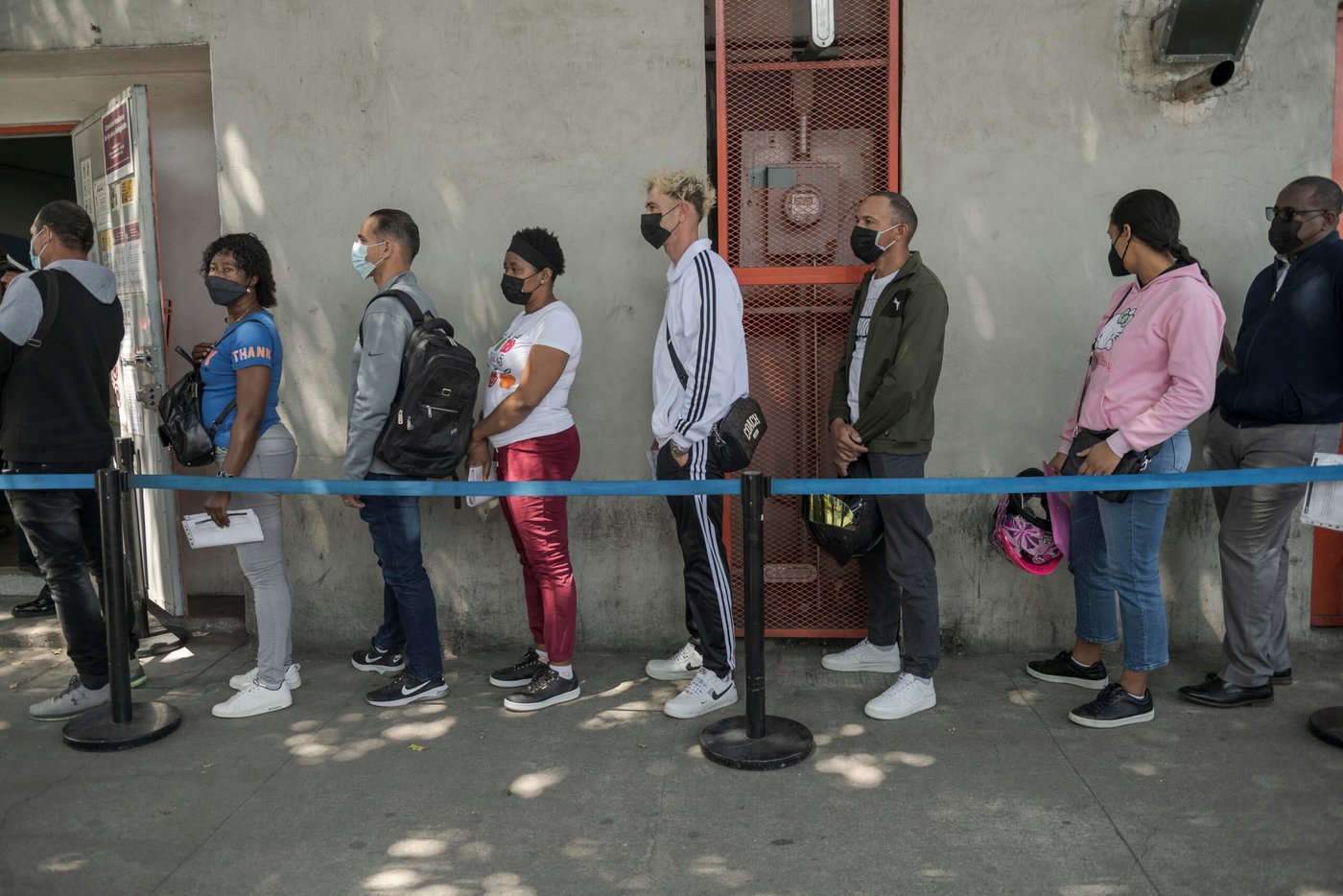
In Mexico, Guillermo and his family faced the same barriers as thousands of others seeking protection: a lack of information, long procedures, endless lines, and doors that wouldn't open.
This Colombian father tried to start his case alone: "I approached COMAR. I stood in line. The whole process, it was a bit cumbersome... but it had no effect, because we waited six months for an appointment and it did not arrive."
That wait, the product of a saturated system, left his family in limbo. Without an appointment, he could not claim asylum. With no evidence that he had started the application process, he had no documents to protect him from detention or deportation. And without these documents, access to formal employment or basic rights is nearly impossible.
As a foreigner, you don't know the laws, and you need someone to guide youGuillermo
The months passed and the uncertainty grew. Thousands of people find themselves in the same situation. But, as he himself says: "In the midst of a problem, one always looks for a solution."
Doors that open
It was at the Colombian consulate that someone mentioned to him that he could receive legal guidance. "An official told me that a humanitarian organisation could help me," he says. He made the call. And that's when a change began.
With legal support from a partner organisation in the ProLAC Initiative, he was finally able to submit his refugee application, eight months after arriving in the country.
Guillermo explains it this way: "Legal assistance has been very important... As a foreigner, you don't know the laws, and you need someone to guide you."

A country that becomes home
While he was trying to start the process, life in Mexico was not easy. "We have done everything,” says Guillermo. “Selling on the street, selling fruit, working in bakeries... what must be done to survive."
His children also worked, but they never stopped studying. Today, they are already in university. "They passed the exam and were admitted to higher education," he says.
That achievement was only possible because the family obtained a Humanitarian Visitor Card. This is a document that must be granted to refugee applicants while they await a decision on their case. But, since 2023, it has largely been obtained only through a legal injunction. This is why, without legal advice, many people do not receive it.
"We are going through the refuge process. They gave us the Humanitarian Visitor Card and that has allowed us access to bank accounts and university for my children," Guillermo explains. With this card, it is also possible to access formal employment and health services.
We have done everything. Selling on the street, selling fruit, working in bakeries...Guillermo
While the family waits for a response to their asylum claim, the document also protects them from the risks of detention in Mexico and deportation to their countries of origin, where their lives may be in danger. Guillermo adds: "Migratory regularisation. We have not fully achieved it, but with the card we already have a legal framework, and it has been of great help."
In his words, that document represents a sense of calm after months of stress.
A possible future
Today, when Guillermo thinks about what is to come, his voice changes. "I see a very beautiful future, I see it promising, I see it with hope... we have come from bad to better," he says with conviction. "We are beginning to develop a life project that would be impossible in Colombia."
He speaks with the serenity of someone who, after going through violence, displacement, endless procedures and months of uncertainty, can finally imagine a tomorrow where he and his family feel safe.
When we spoke with Guillermo for this article, the family group was waiting for their eligibility interview to be scheduled at COMAR. This is the step that will determine whether they will be able to obtain the international protection – and permanent residency – they need to build a life in Mexico.
We are beginning to develop a life project that would be impossible in ColombiaGuillermo
Guillermo remains very positive: "I think things will improve even more, because one of the things that would help us a lot would be to stay here in Mexico."
And he sings again. The same song that has always accompanied him. The one that now also speaks to him about the future. "I feel so happy, when I think for a moment of what tomorrow will be like…"
As Guillermo himself says: "Mexico has opened its doors to us... and now everything looks beautiful to me."
*Guillermo is not his real name and has been changed to protect his identity and that of his family.
Sign up to our newsletter to read more stories from around the world.
