
Amna Almamun, 43, had minutes to decide what to save when war reached Blue Nile State in Sudan. Fleeing the violence in Sudan, she grabbed her children and headed toward the border, leaving behind her home, her work, and her husband, who did not survive the conflict.
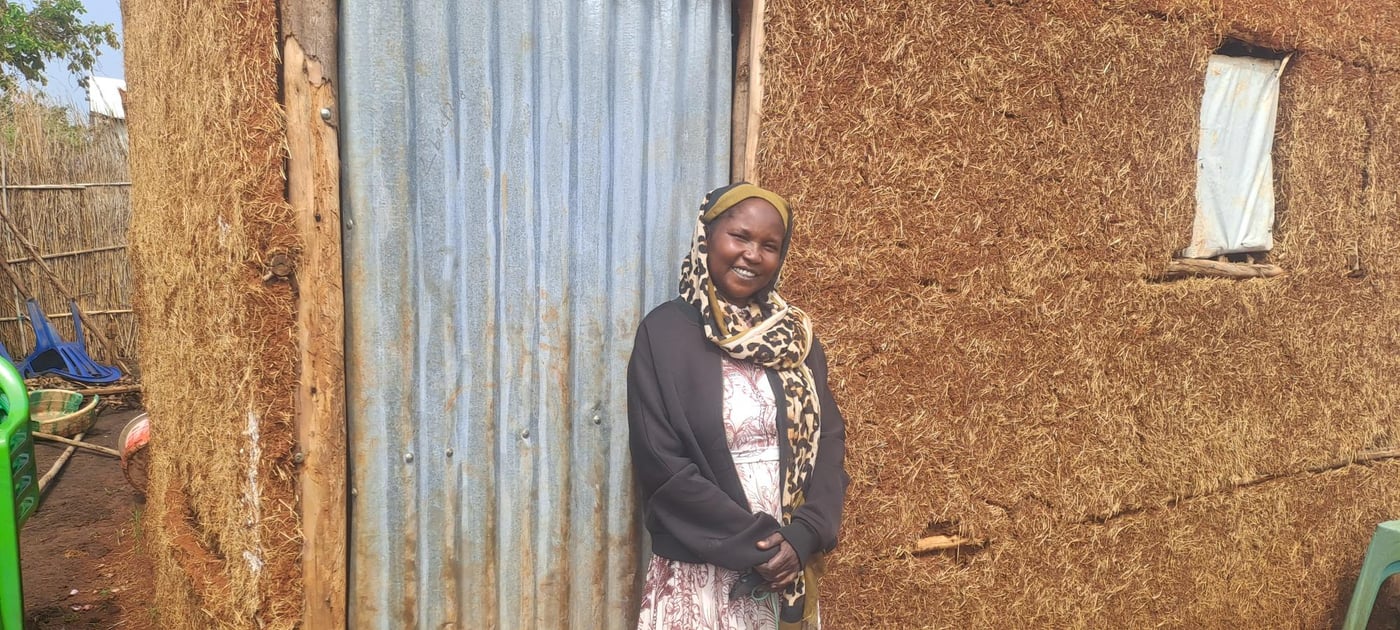
She saved 13. Now she leads 15,000
Before the war, Amna worked as a nurse and a teacher, and served as a civil society worker under Blue Nile State's Ministry of Social Affairs. She crossed into Ethiopia at the Kurmuk entry point with 13 family members and nothing else.
“When we fled from Sudan, we left everything behind. We only focused on saving the lives of our children and family members,” Amna says.
At Kurmuk, the family had no shelter, no clean water, and no sanitation. The Norwegian Refugee Council's (NRC) emergency waiting shelters took them in, and then they were transported to Ura Refugee Site in Assosa Zone, where they still live today.
With funding from the United Nations High Commissioner for Refugees (UNHCR), NRC provided two emergency shelters covered in plastic sheeting. The material offered little protection and minimal privacy for the 13 people packed inside.
“In the beginning, life was extremely difficult for us. During rain and wind, we suffered a lot because the shelters were temporary and fully covered by plastic sheets,” Amna says.
With funding from the German Federal Foreign Office (GFFO), the family received four rounds of cash assistance, totalling 29,400 ETB (USD 182), to cover food, clothing and medicine. Funding from UNHCR and the Swedish International Development Cooperation Agency (Sida) replaced the plastic roofing with corrugated iron sheets. Sida funding also built segregated household latrines.
We also added a water point and improved waste disposal across the site. The family later received bamboo, nails and mud plastering materials, along with 6,794 ETB (USD 42) for labour, to rebuild the shelter walls and windows.
Amna's family also received dignity kits, and an energy-saving stove through GFFO funding. NRC's information and legal aid sessions explained refugees' rights to freedom of movement and access to work.
“The support we received changed our daily life. We regained hope and dignity after many difficult months,” Amna says.
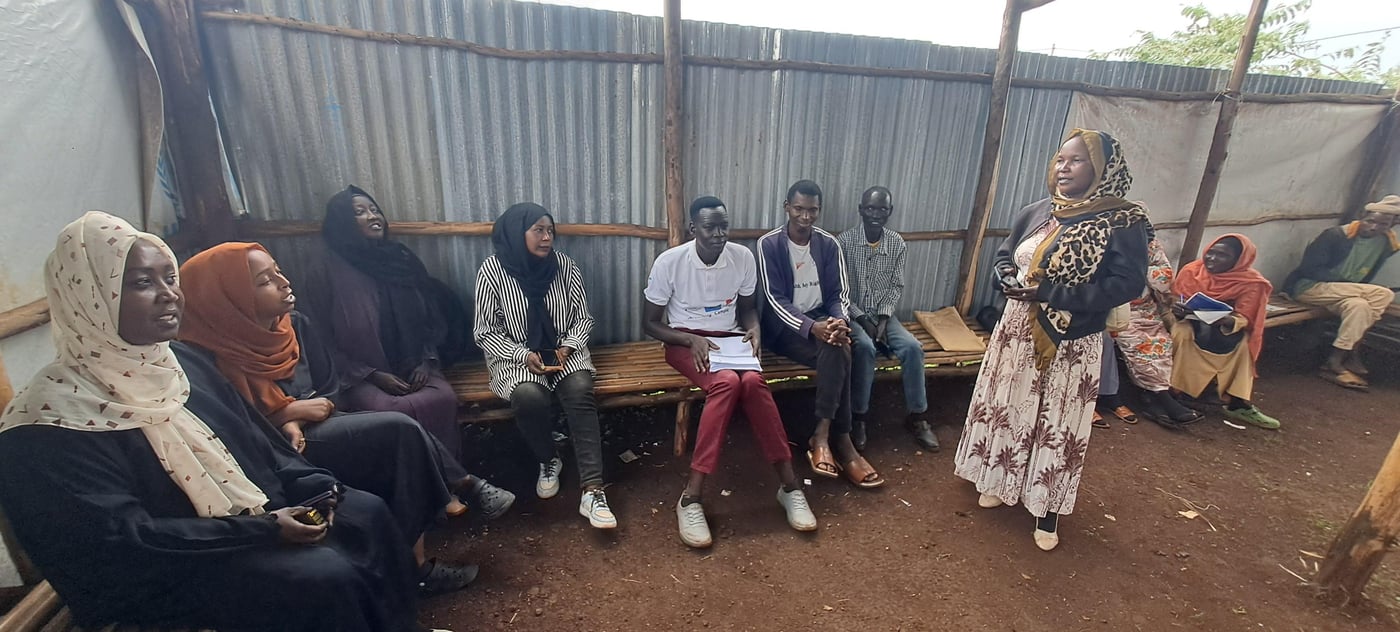
As conditions stabilised, Amna became more active in the refugee community, attending meetings and raising concerns on behalf of other families. The community later elected her as their representative. She now serves as Head for Ura Refugee Site in the Refugee Central Committee (RCC), representing more than 15,000 refugees, strengthening communication between refugees and humanitarian partners.
“I never imagined that after losing everything, I could stand again and help others. NRC's support gave me confidence, hope, and the opportunity to become a voice for my community,” Amna says. “Today, I am proud that I can support my community and represent refugee families who are facing challenges similar to mine.”
As RCC Head, Amna supports vulnerable families, takes part in community discussions, and advocates for women's participation in leadership roles at the site.
“NRC supported us from the beginning until today. They treated us like friends and stood beside us during our most difficult moments,” Amna says.
Amna and her family remain at Ura Refugee Site, where she continues to represent the community as RCC Head.
Sign up to our newsletter to read more stories from around the world.
