
When conflicts erupt and the echoes of clashes sweep across villages and cities, children face a reality where safety can disappear in an instant. In these critical moments, an operational school is far more than just a place to study maths and reading, it is a physical shield and a psychological anchor.
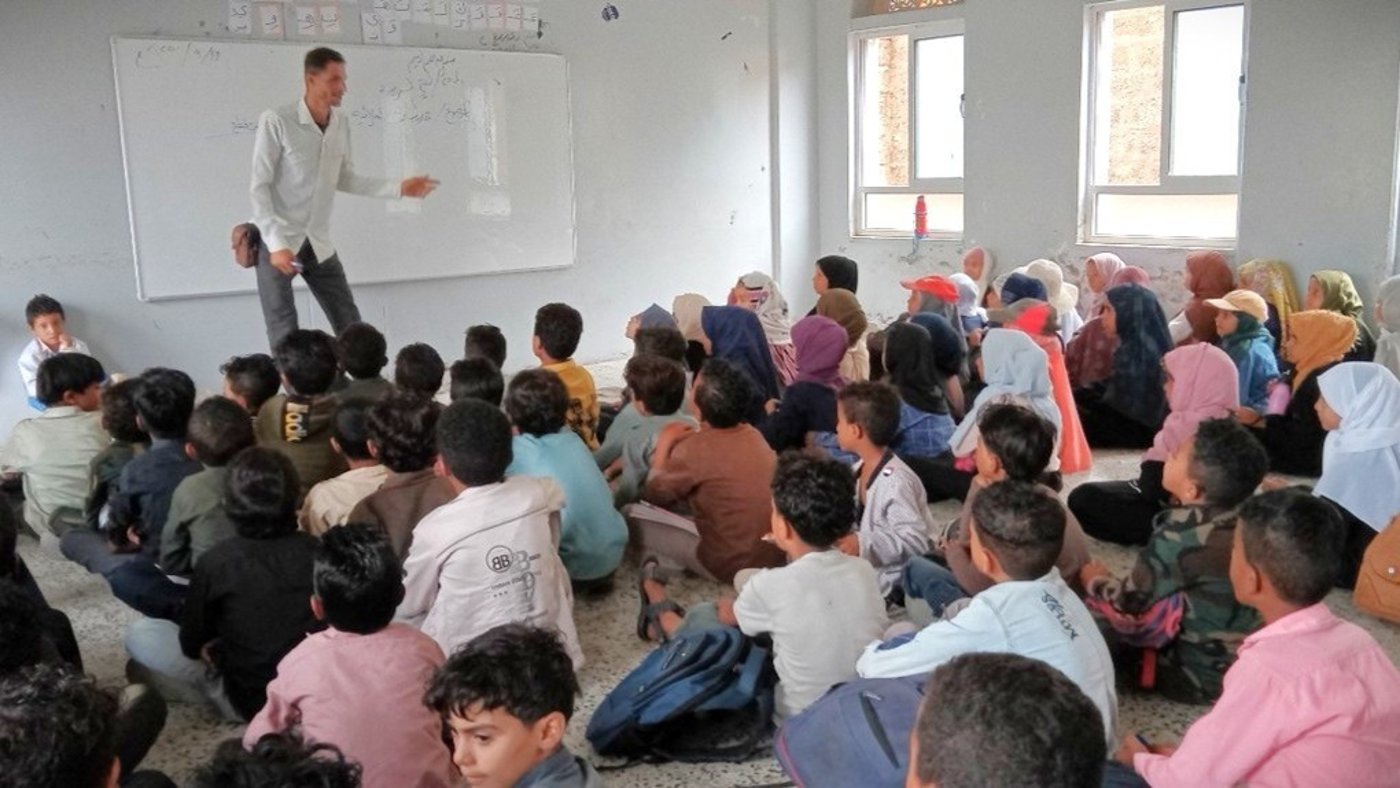
Sanctuary amid the storm: providing refuge for Yemen's children
For children who have lost years of their childhood to the crisis in Yemen, missing out on an education hurts just as much as the conflict itself.
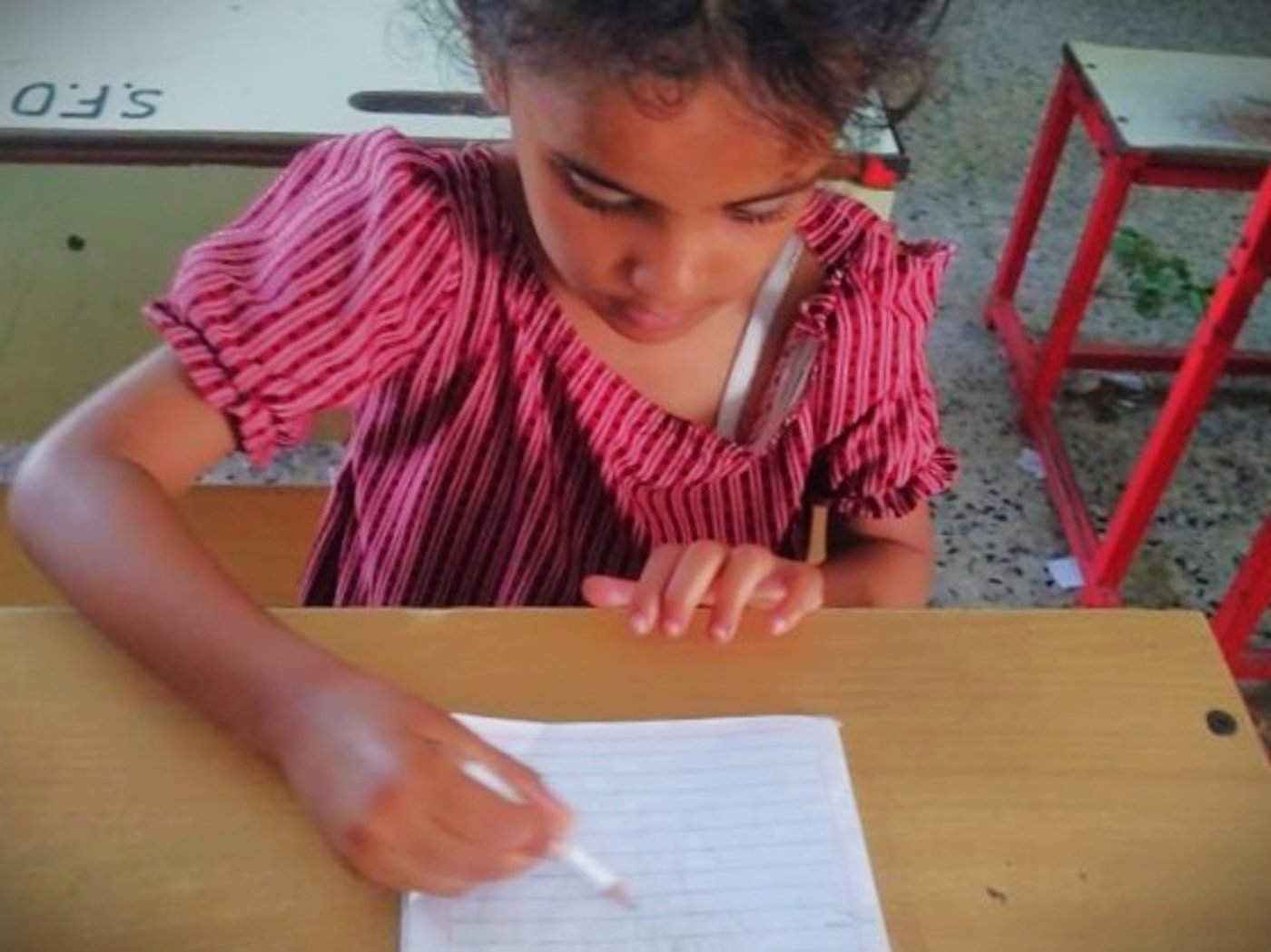
"I used to cry when I saw students in their school uniforms... I wished I could be in their place," remembers Jannat, a young girl who recently got a second chance to learn thanks to the Basic Literacy and Numeracy programme.
Through this emergency response funded by Education Cannot Wait (ECW), programming is actively protecting young people right where the escalation of violence hits closest to home.
Healing invisible wounds
While physical damage to buildings is easy to spot, the emotional toll of armed conflict is much harder to see. When active clashes flare up in nearby areas, children carry that fear directly into the classroom. The constant disruption can leave them so far behind that jumping back into a normal routine feels completely overwhelming.
To address this, a consortium, led by the Norwegian Refugee Council (NRC) alongside CARE and the Nahda Makers Organization (NMO), has prioritised both targeted remedial classes and critical mental health support. Educators across the targeted schools are receiving training in Teachers in Crisis Contexts (TiCC) methodologies and Accelerated Learning Programmes (ALPs).
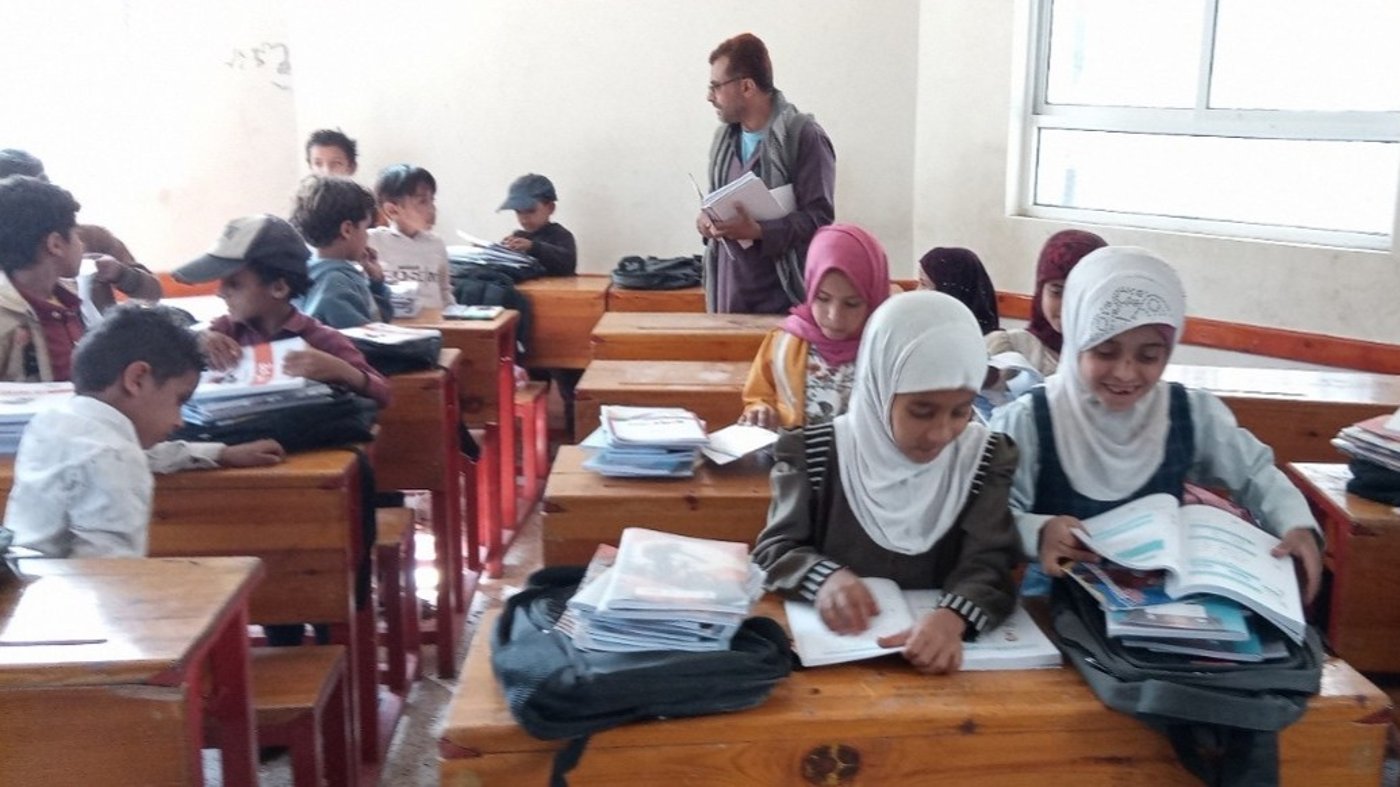
"Students who have missed out need extra support to bridge the gap," explains Abdulrazaq, an education coordinator with NRC. "We can't just expect them to catch up on their own without targeted help. Providing these remedial classes gives them the boost they need to stay in school."
Shielding futures: safety, support and dignity
Safety in a conflict zone cannot be left to chance. To prepare for sudden risks, community disaster committees comprising parents, teachers and local leaders have been established in Taiz governorate to map out hazards and protect learning spaces.
The physical learning environment is also being entirely reshaped. By fixing broken water points, delivering thousands of school bags, and providing dignity kits for young girls, the consortium programme is actively clearing away the everyday struggles that force vulnerable children to drop out.
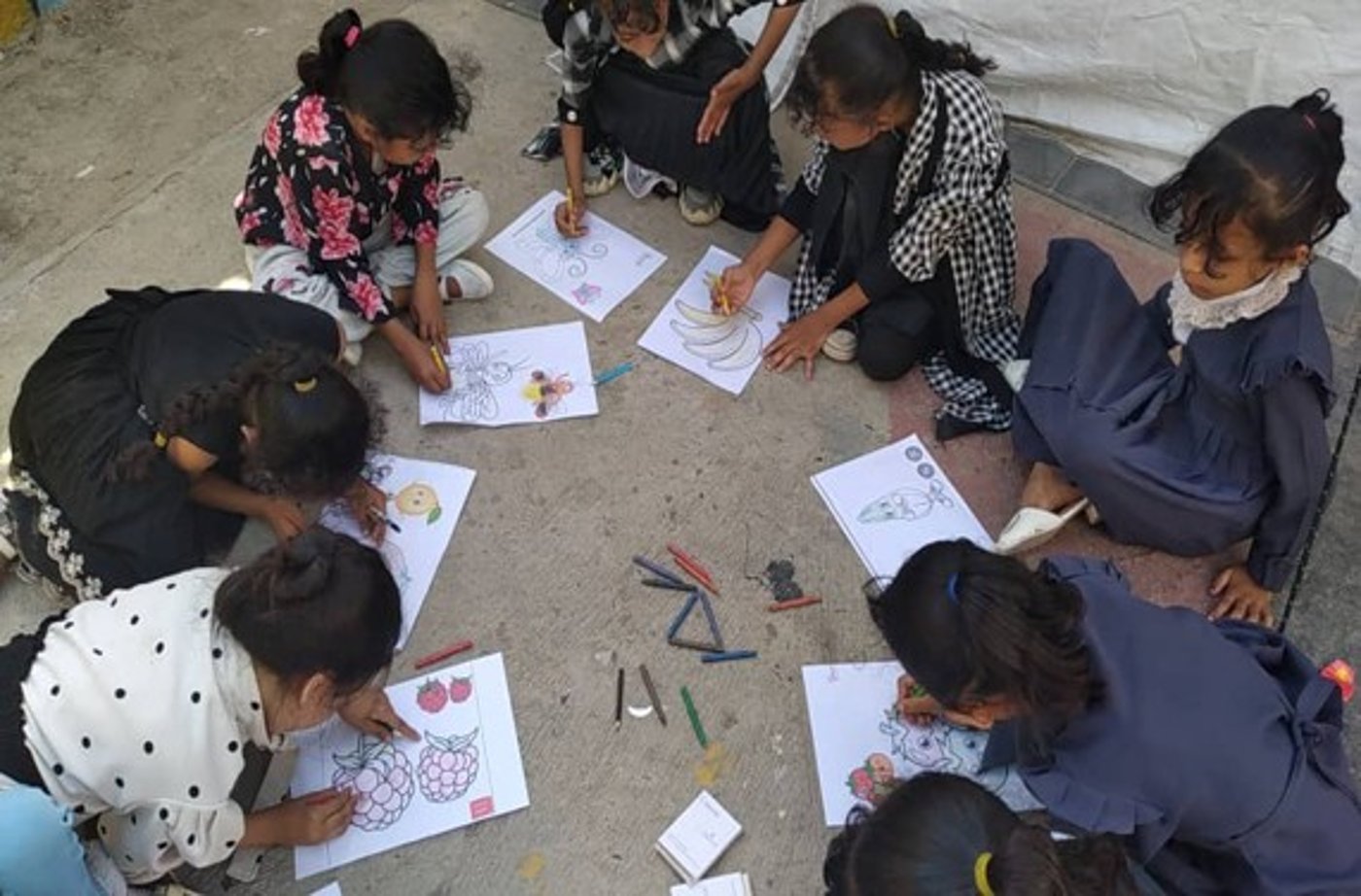
The impact of combining this physical safety with emotional support is profound.
"Between distributing school bags, providing glasses for children struggling with weak eyesight, and repairing the school itself, the school has become an engaging and welcoming environment where children actually want to learn," says the manager of the Ali Ibn Abi Taleb School. "The programme was truly comprehensive and impactful."
In times of active crisis, education is a true lifeline. By embedding protection, emergency preparedness, and mental health care directly into classrooms, this response is putting real tools for success directly into these students' hands so they can focus on what matters: learning.
Or, as Jannat puts it perfectly: "The street was not my end. Education changed my life."
Sign up to our newsletter to read more stories from around the world.
