
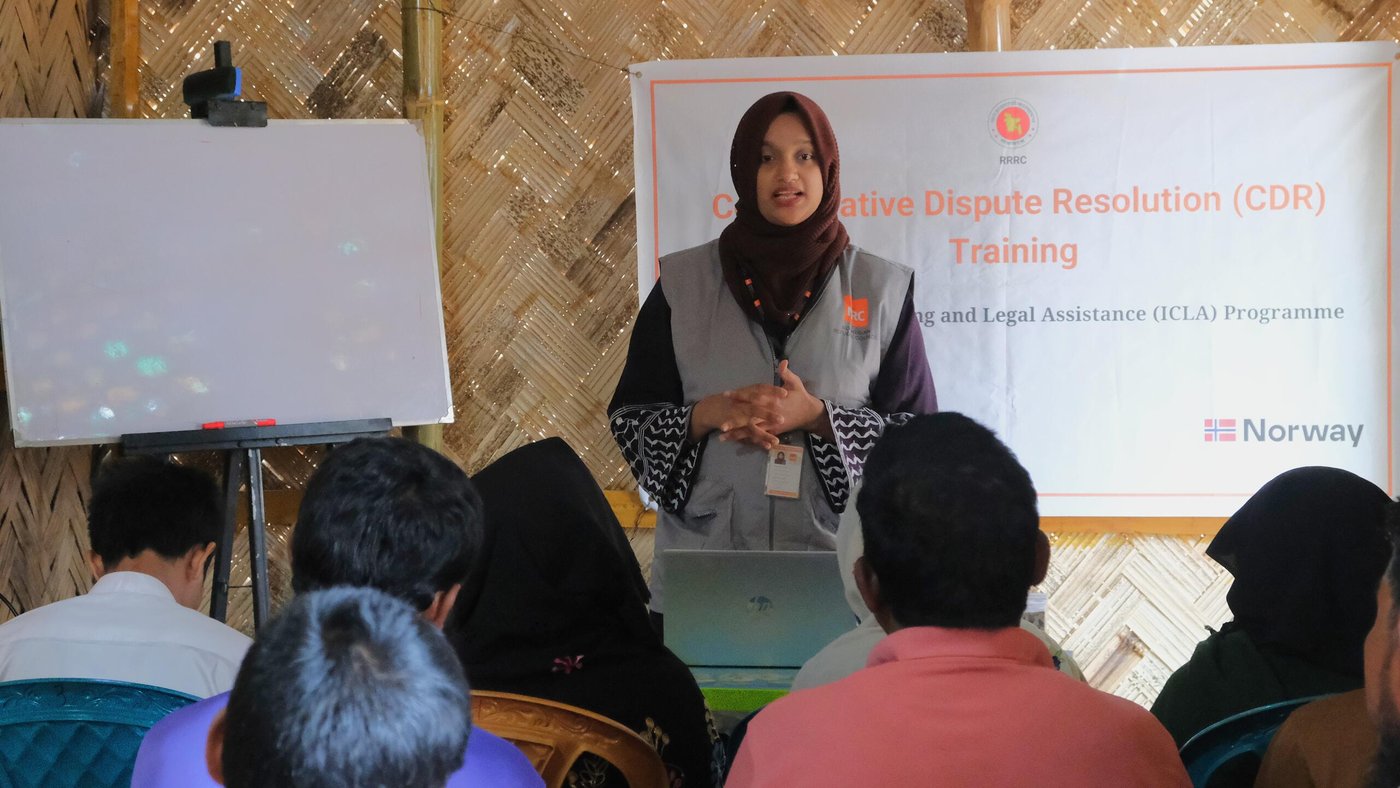
In a narrow alleyway between rows of bamboo and tarpaulin shelters in Cox’s Bazar camps, Bangladesh, Fatema Anowara is delivering an information session on community rights when she pauses to listen.
Rights in action: A woman leading change in the Rohingya response
An elderly woman describes how dirty water seeps into her home whenever it rains. The damp floor never quite dries. The smell lingers. She had tried to seek help before, but an organisation managed the structure beside her shelter. She was afraid to complain. She did not know the proper channel. And so, she endured it quietly.
After attending one of Fatema’s information sessions on housing, land, and property (HLP) rights, she learned the appropriate channel and gathered the courage to speak up.
Fatema and her team engaged with the organisation concerned and facilitated a negotiation session. The drainage issue was addressed. The woman could finally live in her shelter comfortably.
“It was a small intervention,” Fatema reflects, “but for her, it meant living without fear or discomfort.”
For Fatema, moments like these define her work.
Nearly five years ago, she walked into the Rohingya refugee camps for the first time as a newly graduated student. In 2021, she joined the Norwegian Refugee Council (NRC). She had no previous experience in humanitarian response.
“I remember feeling that I had entered a completely new world,” she says. “The scale, the density, the stories of loss – it was overwhelming.”
Today, Fatema serves as a team leader, supporting work across multiple camps in Cox’s Bazar, home to the world’s largest refugee settlement. Her days are structured around stand-up meetings with the team, case reviews, engagement in dispute mediation, and coordination with stakeholders. But beyond schedules and reporting lines, her work centres on something fundamental: ensuring that displaced communities understand and can claim their rights.
From volunteer to humanitarian leader
Before joining NRC, Fatema volunteered with children living on the streets and in slums. She saw up close how poverty and instability shaped daily survival. Many of the children she taught had no consistent family support, no certainty about their next meal, and yet, still held on to hope.
“That resilience stayed with me,” she says. “I kept asking myself, if I were in their place, what would I need most?”
When she later heard stories from a friend working in the Rohingya response, of families fleeing violence, losing homes, arriving in Bangladesh with nothing but their memories, the question became more urgent.
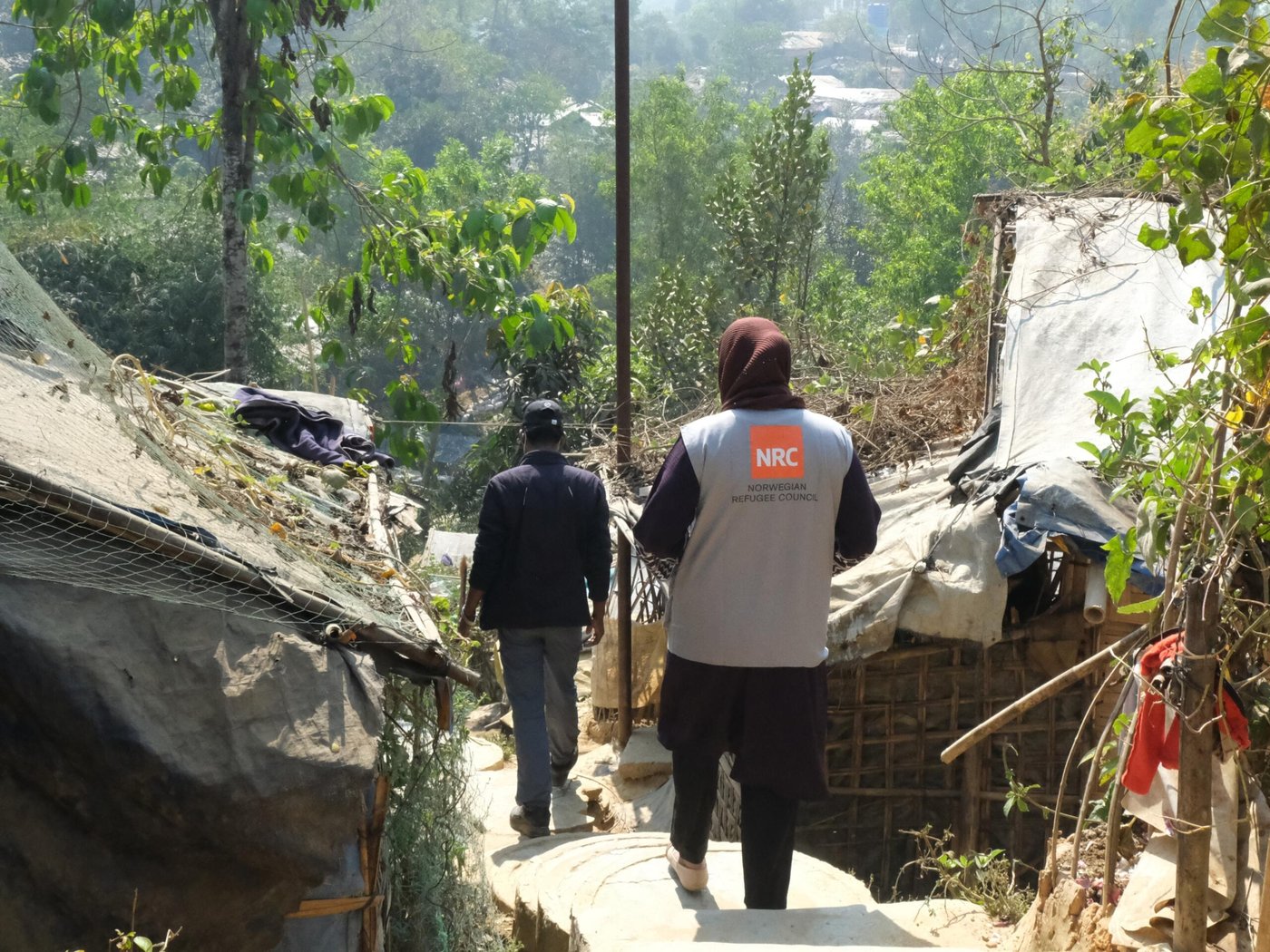
She initially planned to work in the response for one year before pursuing further studies abroad. Instead, the resilience she witnessed, especially among Rohingya women, reshaped her plans.
“They have lost their homes, their land, and their security,” she says. “But they are still trying to rebuild. They want to learn. They want to understand their rights. They want a future for their children.”
Four and a half years later, she is still here.
Making rights tangible
In a setting where families have lost their homes, land and documentation, access to accurate information can be transformative.
In her experience, women and girls often face the steepest barriers.
Many have limited access to formal education. Awareness of legal rights, including marital rights and documentation requirements, is often low. Child marriage remains a concern. Girls may be married before the age of 18, without proper marriage documentation, which later restricts their ability to access essential services. In some cases, families are misled by promises of marriage abroad, exposing girls to trafficking risks. A lack of information can also escalate family disputes into protection concerns.
“In many situations, women simply don’t know where to go for information or support,” Fatema explains. “Our role is to ensure that the information reaches them in a way they understand.”
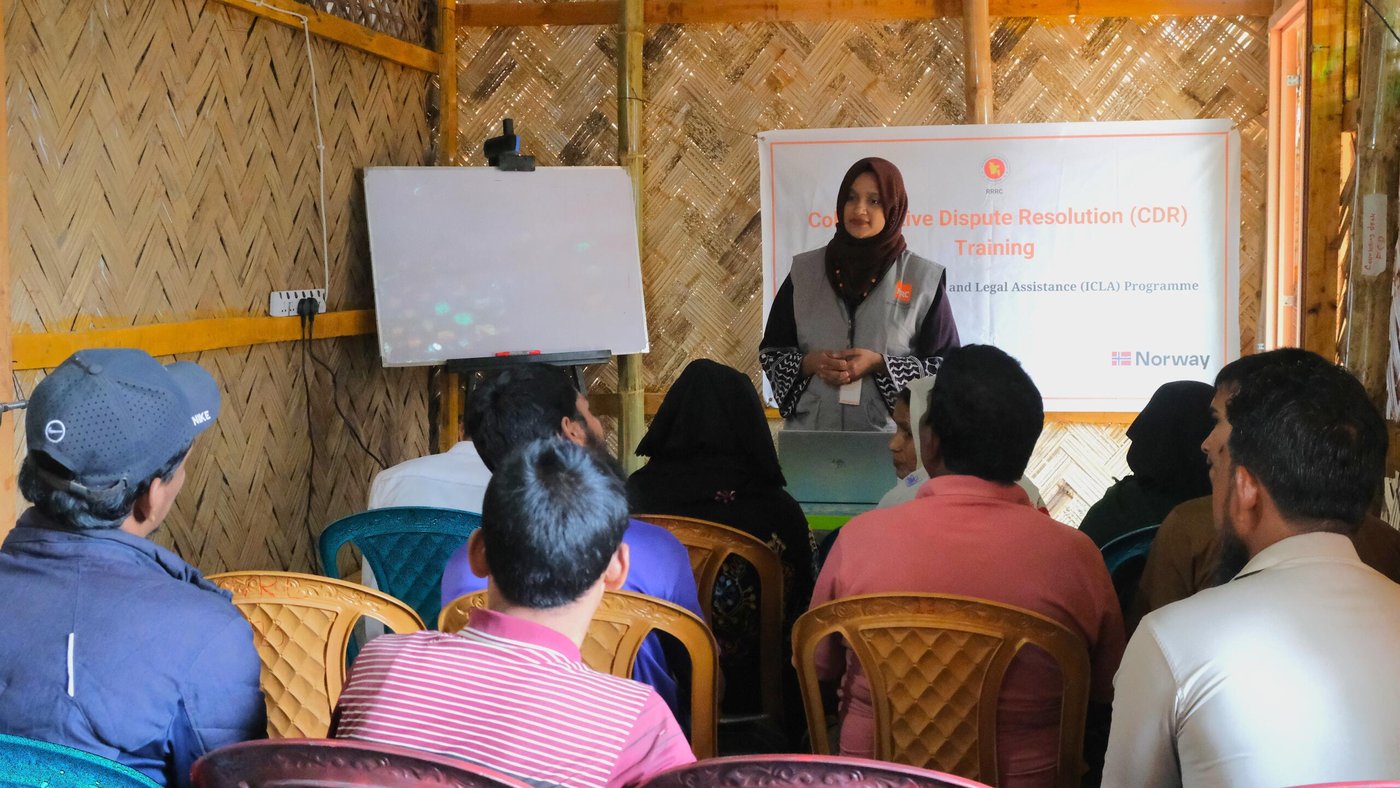
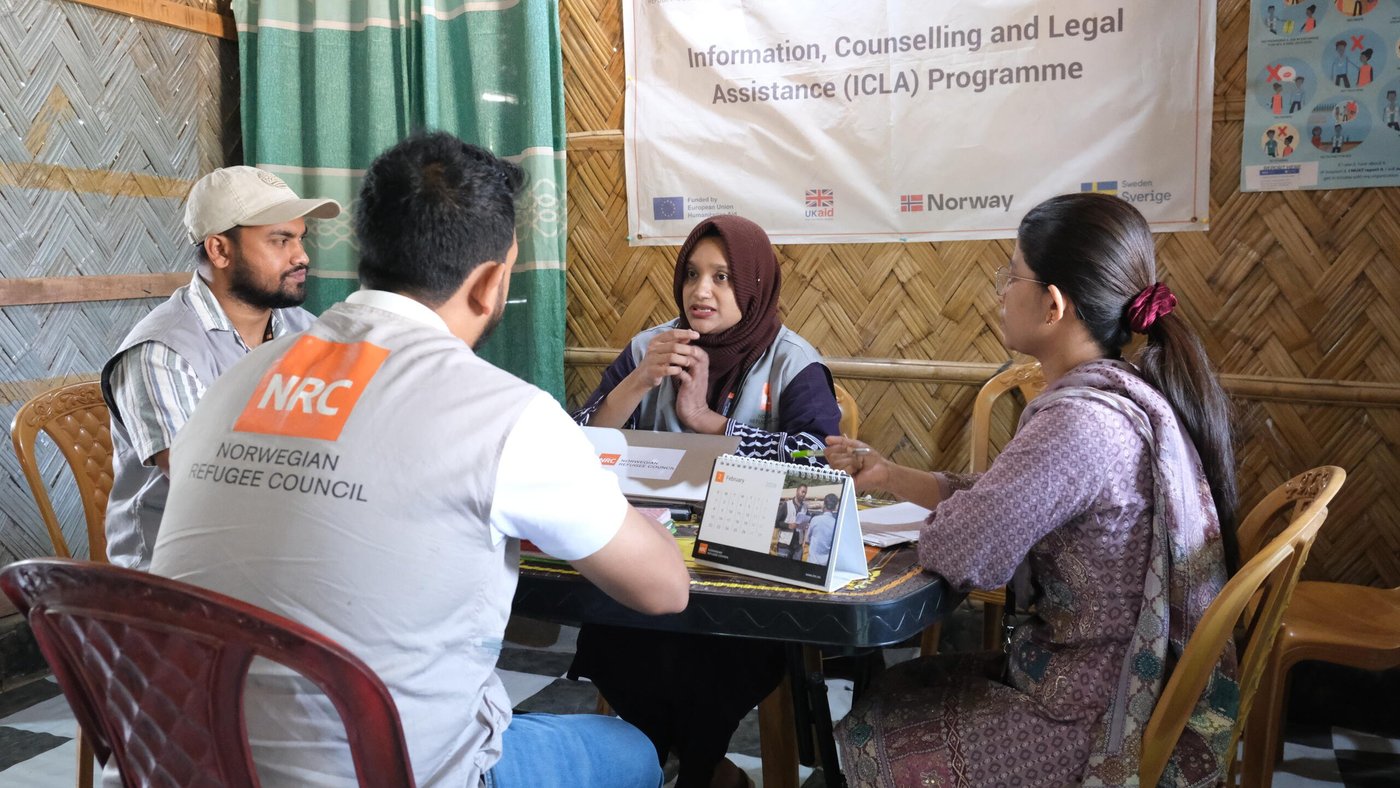
She facilitates community discussions and training sessions, supports dispute mediation, and provides individual counselling. She works with her team to strengthen community dispute resolution mechanisms and to coordinate with camp authorities when needed. The objective is not only to resolve cases, but to build the community's capacity so that women can participate in household decision-making, seek help safely, and access services without fear.
For Fatema, rights are not abstract legal concepts. They are practical tools.
Navigating complex realities
Working as a female field staff member in a conservative camp context has not been without challenges. In the early days, cultural norms sometimes made dispute mediation difficult, particularly when male participants felt uncomfortable engaging with a female mediator.
“It took time,” she says. “But when people understood my role and saw the results, trust grew.”
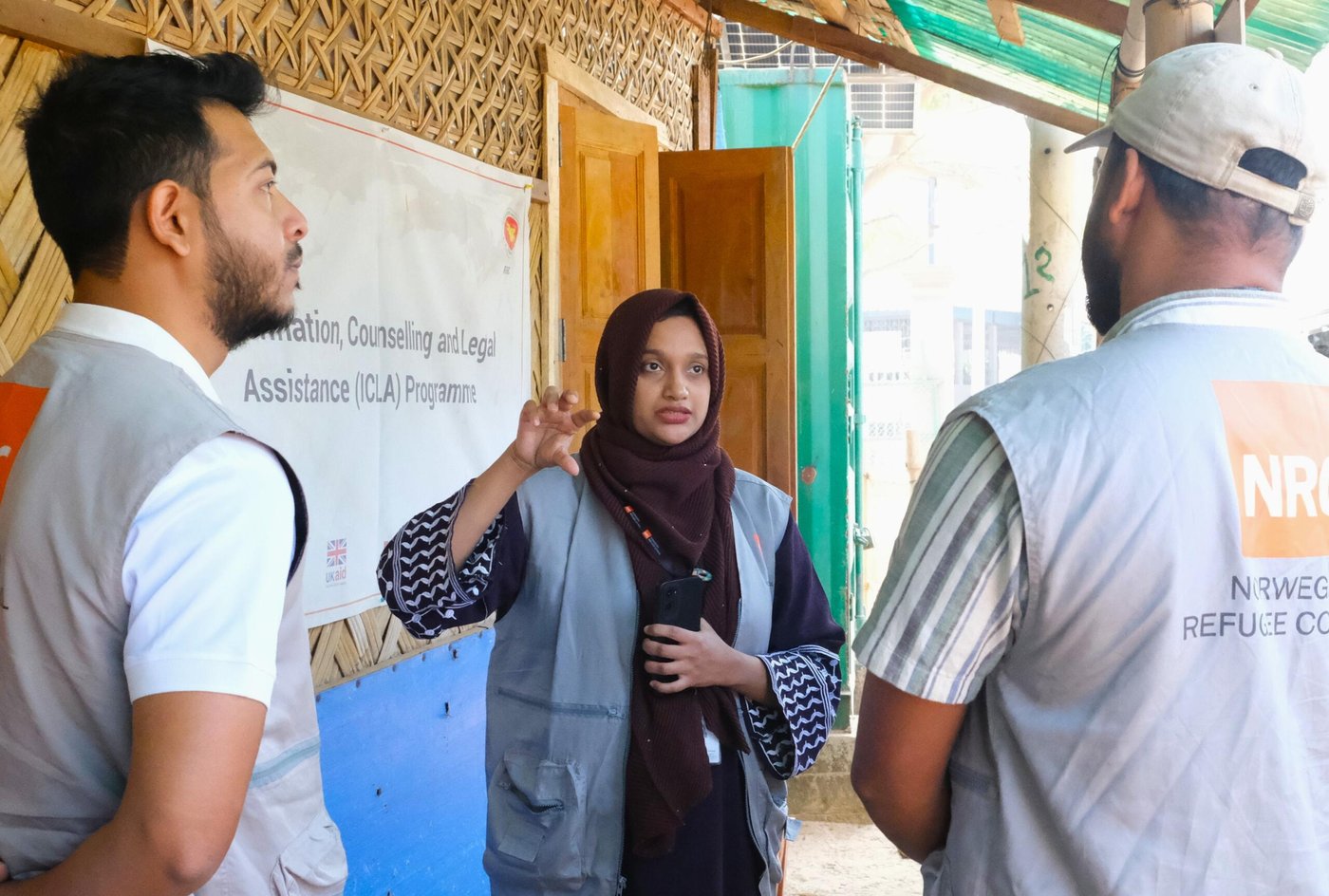
Cultural sensitivity, patience, and professionalism have become essential tools. She believes women humanitarian workers help create spaces where women feel more comfortable sharing sensitive concerns, particularly in protection-related matters.
Recent funding constraints add another layer of difficulty. As programmes close and staffing shifts, the number of female staff in camps decreases. For women who feel more comfortable speaking with female staff, this creates additional barriers to accessing services.
“When we talk about rights and justice, we must also think about access,” Fatema says. “If services are not accessible, rights remain out of reach.”
Balancing roles
Fatema recently became a mother. Each morning, she leaves her baby at home before travelling to the camps. The emotional pull is real.
“There are moments when I feel I cannot continue,” she admits. “The vulnerability you see every day can feel heavy. Every day is different, but each comes with its own responsibilities, because behind every case is a real life that matters.”
Yet it is also what motivates her. When she thinks about Rohingya children growing up in displacement and the uncertainty that shapes their futures, her sense of purpose sharpens.
“Every day reminds me that behind every bamboo shelter, there is a family who is trying to rebuild their life. If they can keep hoping for a better future,” she says, “then I can continue doing my part.”
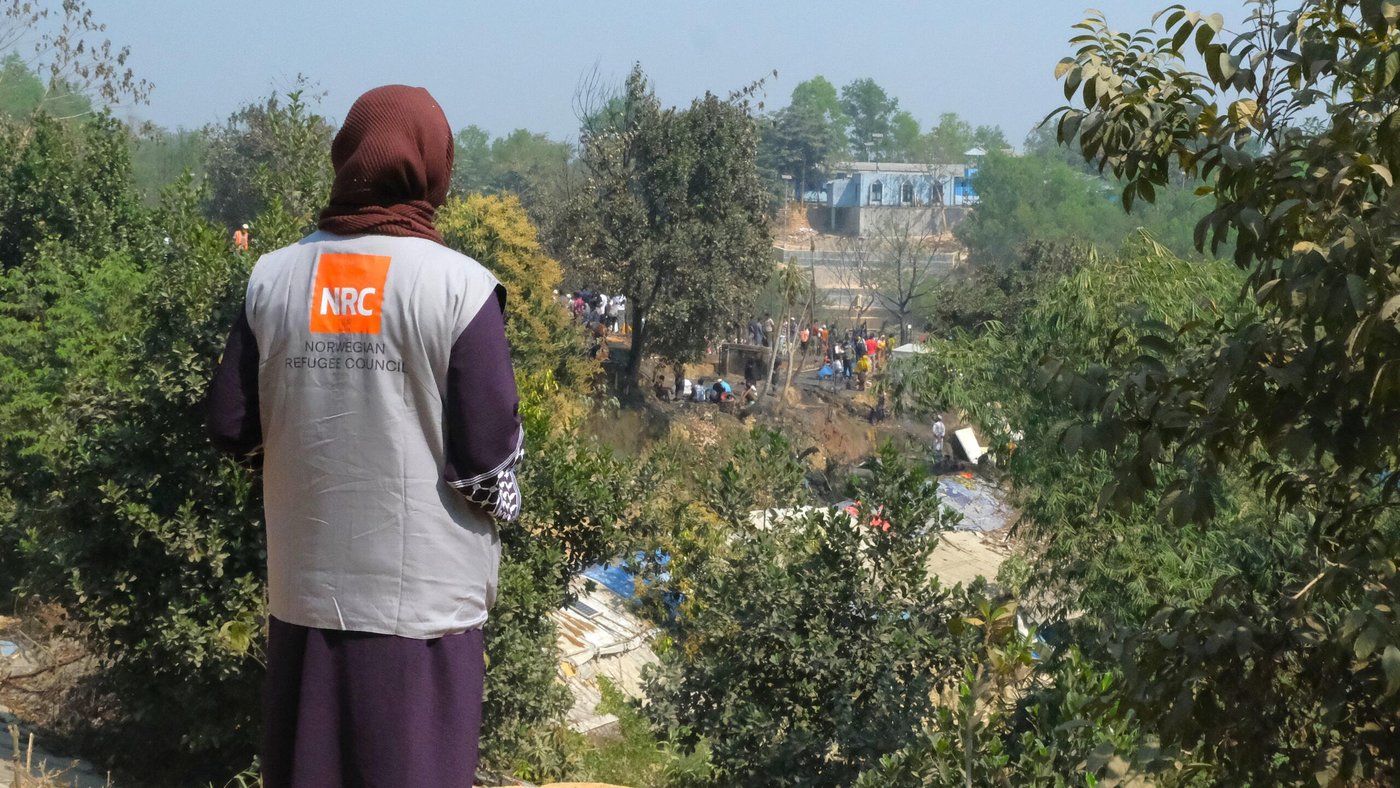
Rights. Justice. Action.
This year’s International Women’s Day theme – Rights. Justice. Action. For ALL Women and Girls – resonates deeply with her daily work.
“Rights must be ensured every day, not only discussed once a year,” Fatema says. “Justice must be equal and accessible. It must reach the most vulnerable women living in bamboo shelters. And action must create real impact in women’s lives.”
In the crowded alleyways of Cox’s Bazar, change does not always arrive through dramatic gestures. Sometimes it starts with a conversation after a community session. Sometimes it starts when a woman realises she has the right to ask a question, and to expect an answer.
For nearly five years, Fatema Anowara has walked these pathways with clear conviction: when information is accessible, when communities are aware, and when women understand their rights, power follows.
And in a place shaped by displacement, that power is indispensable.
NB: This story features a staff member from the Norwegian Refugee Council's (NRC) information, counselling and legal assistance (ICLA) programme. The programme is supported by EU Humanitarian Aid, the UK Government, the Norwegian Agency for Development Cooperation (Norad), and the Swedish International Development Cooperation Agency (Sida).
NRC delivers ICLA services in the Rohingya camps and host communities, supporting access to civil documentation – such as birth, death, marriage, and divorce registration – essential services, and Housing, Land and Property (HLP) rights.
Through HLP mainstreaming, collaborative dispute resolution (CDR), legal assistance, technical support, and awareness-raising, the programme helps communities prevent and resolve disputes and exercise their civic and legal rights.
Sign up to our newsletter to read more stories from around the world.
