
In one of the displacement camps in Al Hudaydah Governorate, Yemen, access to water transformed the life of a displaced family and eased the hardship of an entire community. This change was made possible through a project implemented by the Norwegian Refugee Council (NRC) as part of the Yemen Displacement Response (YDR) Consortium, funded by the European Union.
Restoring water and time
In Mohassam Al-Yami Camp, daily life was shaped by the struggle to find water. For families forced to flee their homes due to conflict, accessing water was not merely a routine task; it was a daily challenge that consumed time and effort, affecting livelihoods and dignity.
For Ali, a father of seven and a construction worker, this hardship was part of his everyday reality. Since being displaced from Haradh District to Al-Zuhrah District, he started each morning by searching for water before he could go to work. The repeated trips to collect water meant long hours of walking, delays at work, and sometimes his children missing school to help transport water.
Impact at a Glance
- Project: Supply and installation of a solar-powered pumping unit and construction of a water pumping pipeline in Mohassam Al-Yami Camp, Al-Zuhrah District.
- Year: 2026.
- Implemented by: Norwegian Refugee Council (NRC).
- Funded by: European Union.
- Project reach: 250 families benefitting from safer and more reliable access to water.
- Impact: Providing a closer and more consistent water source for displaced families, reducing the time and effort required to access water.
A life defined by the search for water
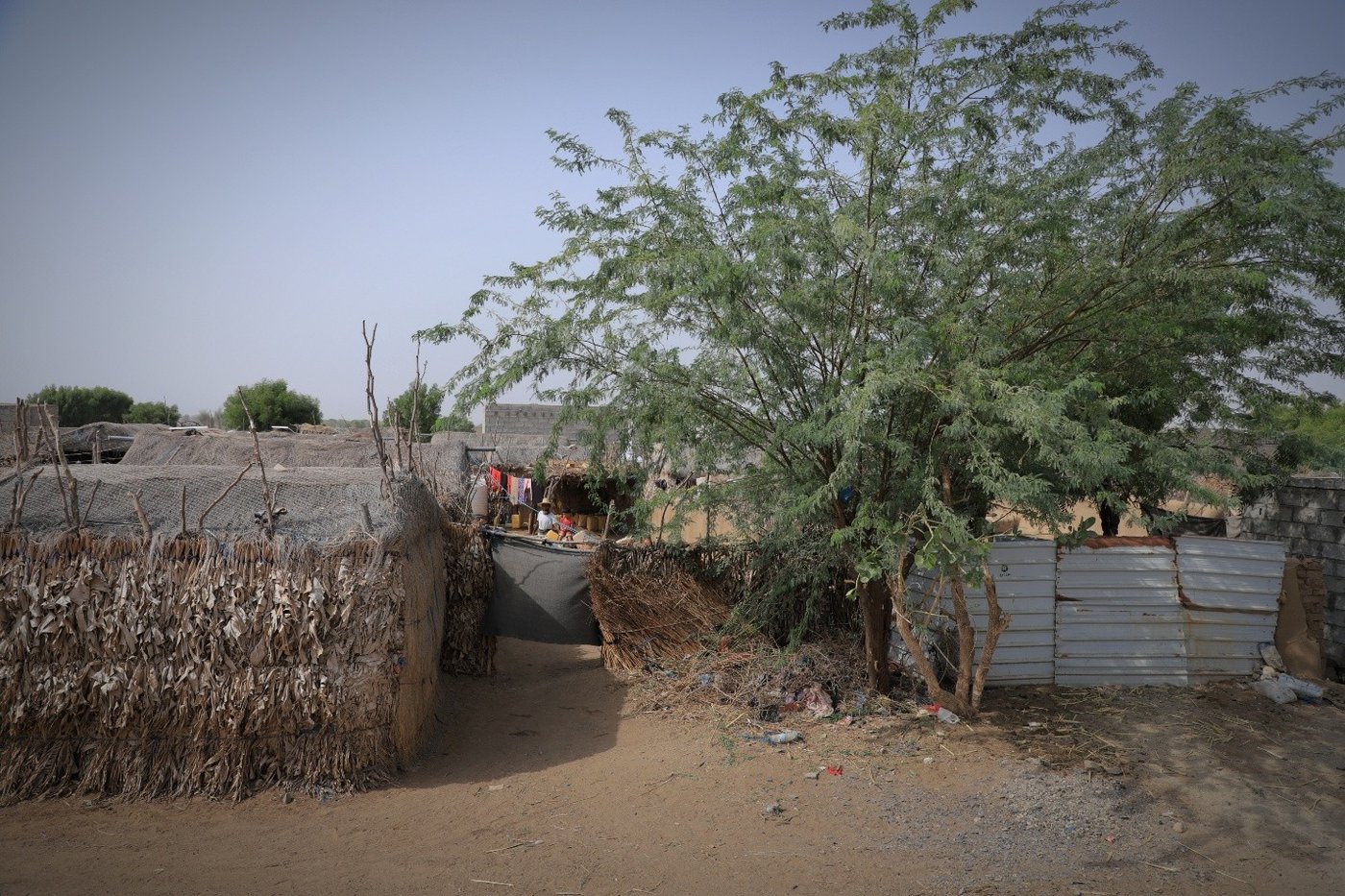
In Mohassam Al-Yami Camp, the challenges of displacement are not only visible through the absence of basic services, but also through the daily struggle to access them. Water was one of the greatest challenges facing residents, as reaching available sources required long daily journeys in an environment lacking safe and reliable water supplies.
“Every morning, we woke up wondering how we would get water," says Ali.
A burden carried by the entire family
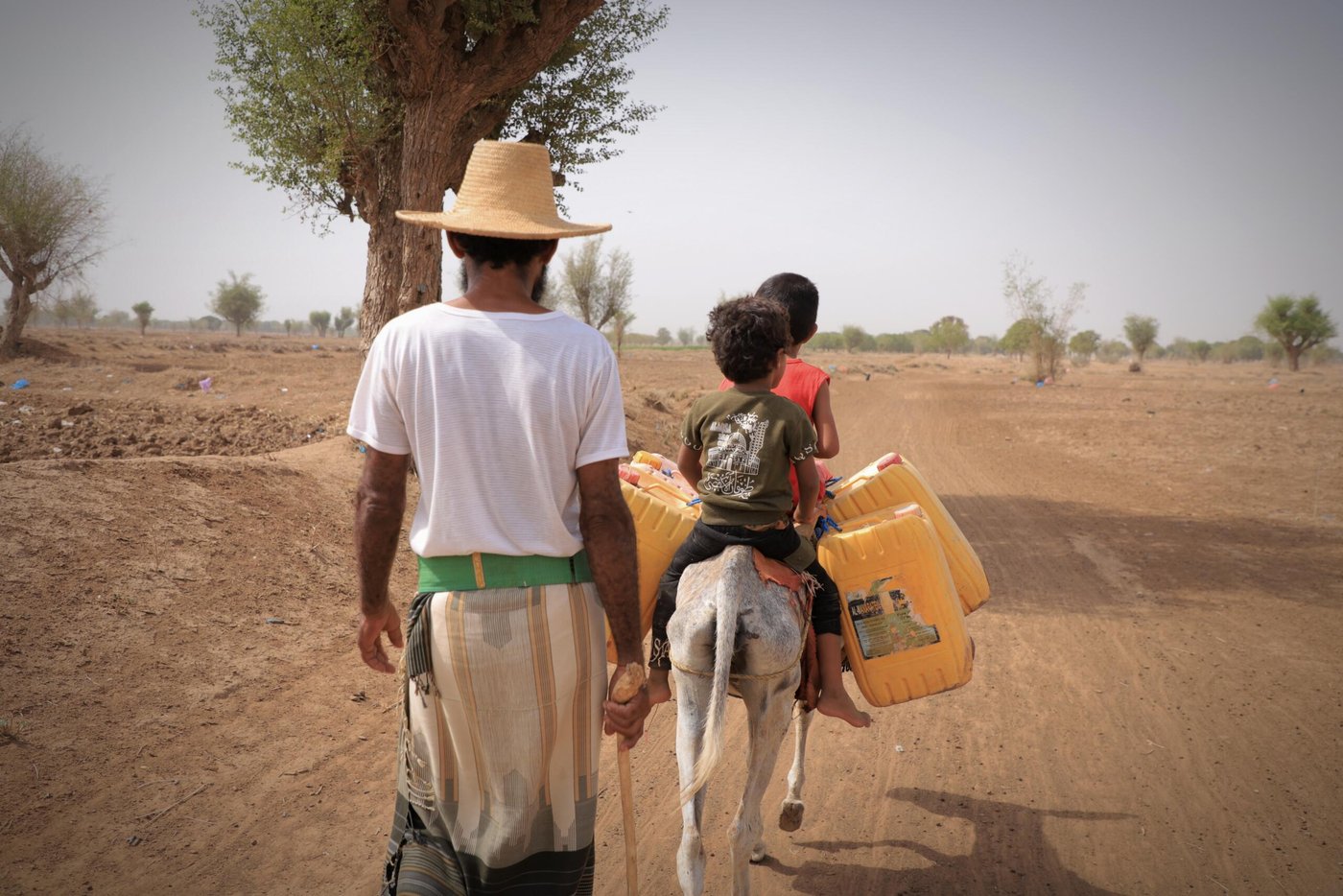
Ali used to walk between 15 and 30 minutes to collect water and repeat the journey six or seven times every day. When water was unavailable from the well or nearby farms, he had to search for alternative sources or buy water using money intended for food or his children’s education.
“I was late for work, and sometimes I had to buy water using money meant for food or my children’s school expenses," he explains.
A response built on community needs
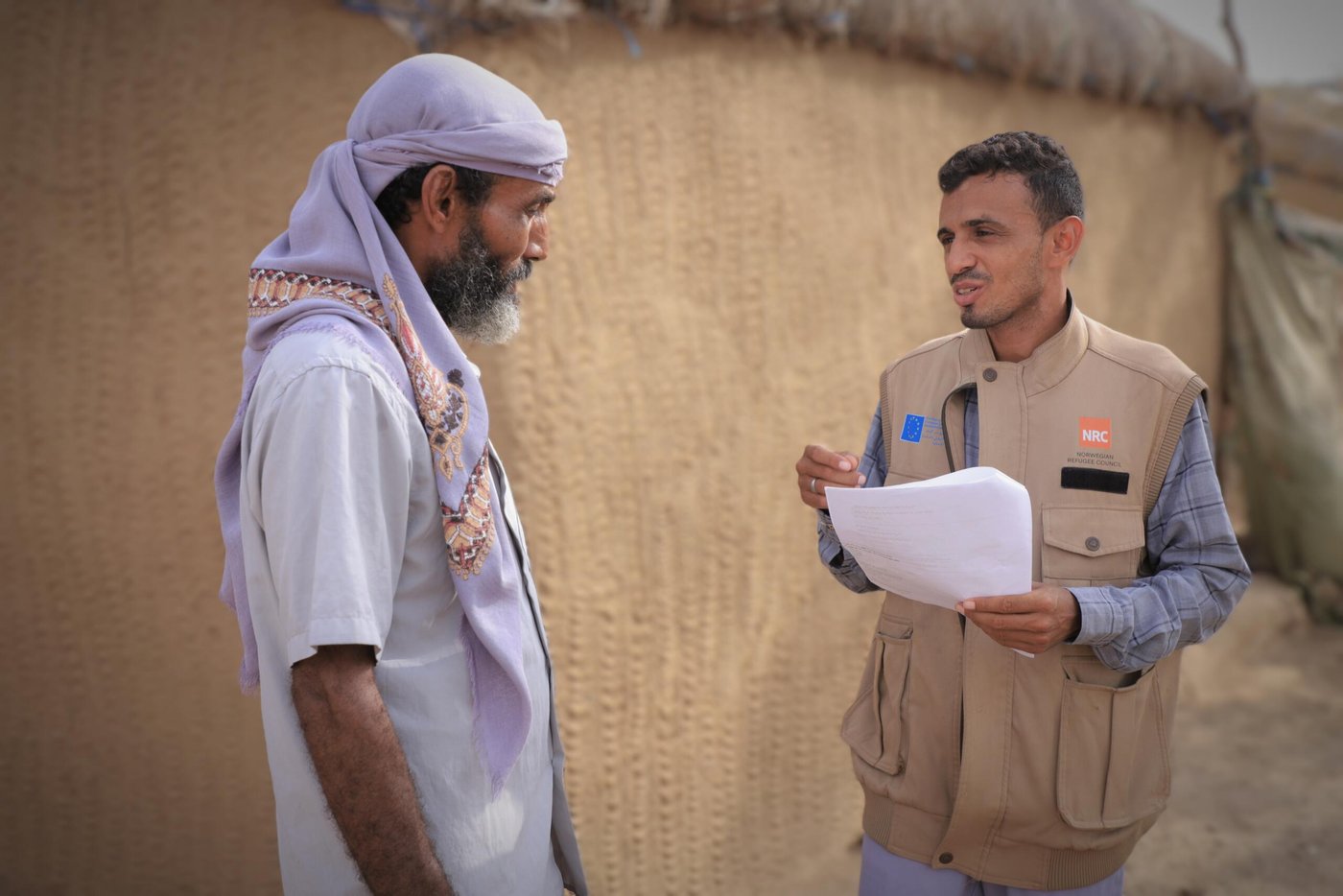
In response to the needs and priorities identified by the community, the Norwegian Refugee Council (NRC) team conducted a field assessment in cooperation with residents to identify the challenges related to water access.
Based on the assessment findings, NRC implemented a project to supply and install a solar-powered pumping unit and establish a water pumping pipeline inside Mohassam Al-Yami Camp, aiming to improve access to water and reduce the daily burdens faced by displaced families.
Community members played an active role in identifying needs and following up on implementation stages, helping ensure that the project responded to their priorities and strengthened the sustainability of its outcomes.

When time returned to its owners
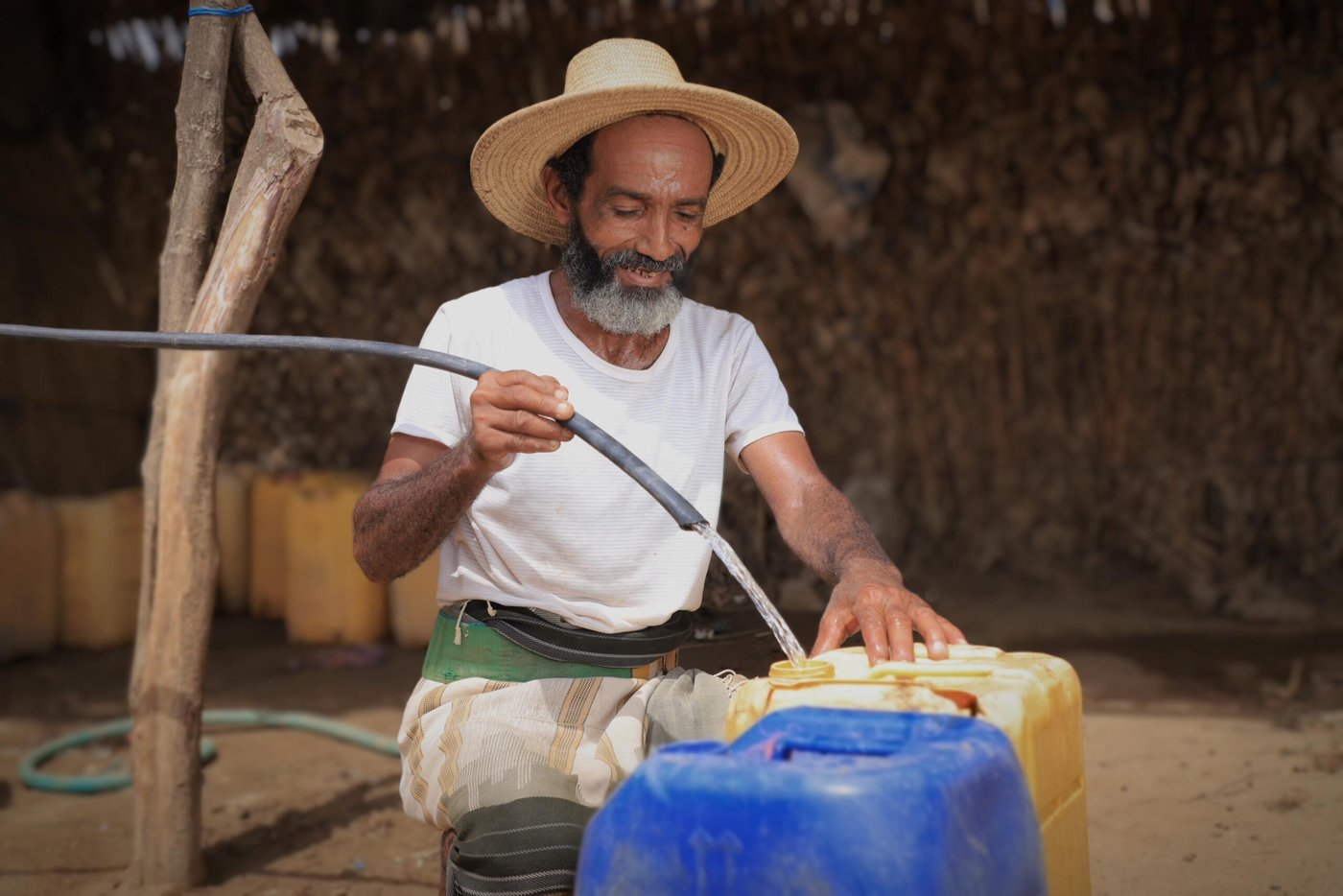
Today, water is available closer to Ali’s home, and the long search for water is no longer part of his daily routine. The time once spent collecting water is now invested in work, caring for his family, and supporting his children’s education.
“Today, I save time and effort. I can work better and spend more time with my family," he says.

More than just water
For Ali, water represents more than an essential service; it represents an opportunity to regain part of a normal life after years of displacement.
Today, the entire camp benefits from this improvement, as accessing water has become less difficult, giving families more time for work, childcare, and improving their living conditions.
Although the community continues to hope for access to safe drinking water, the project has reduced a daily burden that weighed heavily on everyone’s lives.
“Water is life for us... and today, life has become easier," says Ali.
Through the project, 2,610 displaced individuals from 450 families now benefit from improved access to water for domestic use. The installation of a solar-powered water system has brought water closer to households, reducing the long daily journeys previously required to fetch water. For families like Ali’s, this means more time for work, children's education, and family care, helping restore dignity, strengthen resilience, and improve daily life after years of displacement.
Sign up to our newsletter to read more stories from around the world.
