


Kakuma’s mid-morning is not like most regions in Kenya, the heat is already relentless. With average temperatures of above 30 degrees Celsius and little to no rainfall annually, shade is scarce. For many children, learning and play happen under the blazing sun.
Planting hope in the heat
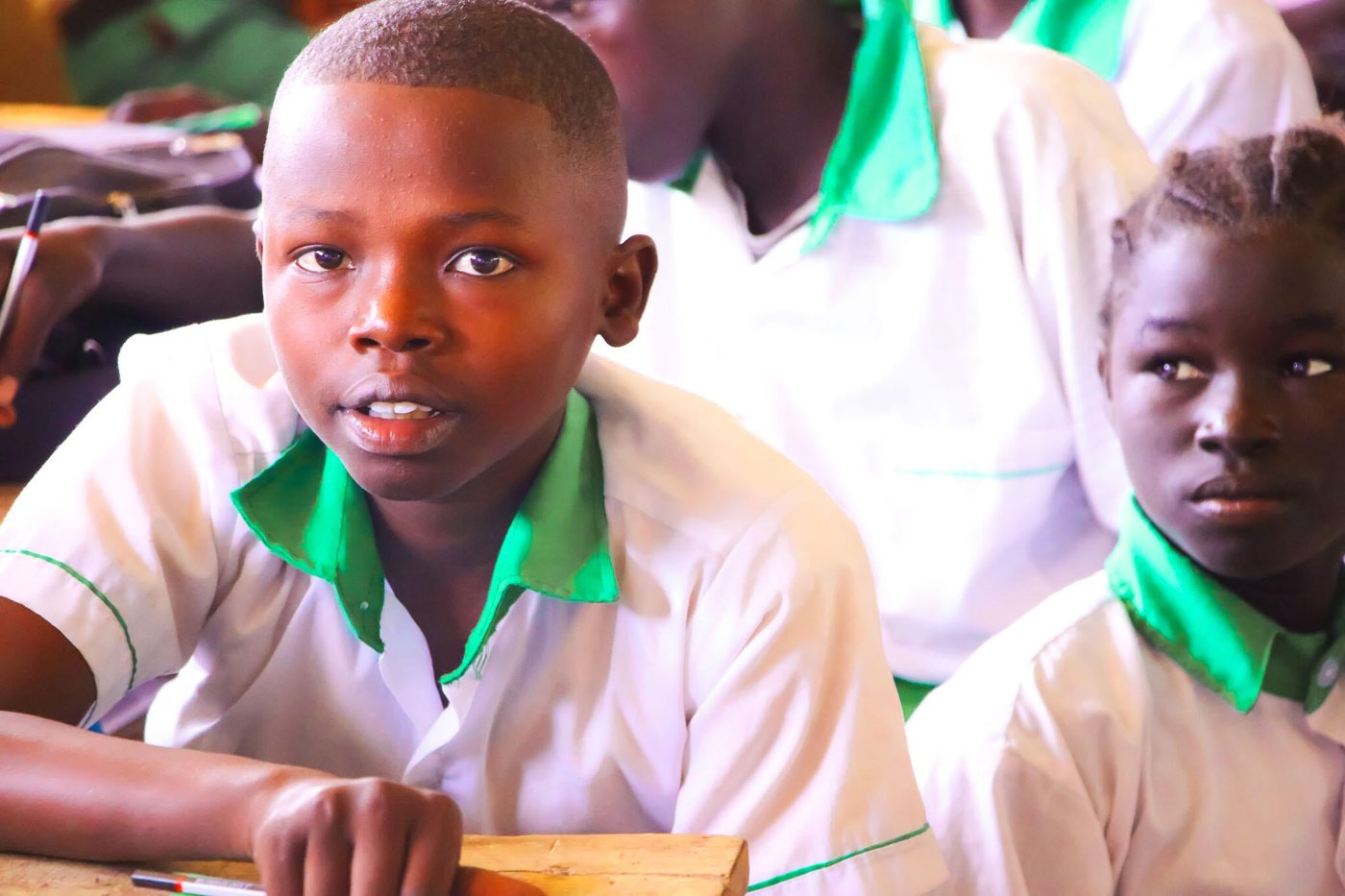
After living in Kalobeyei village one settlement for three years, Pwisance Bitaisha, 13, knows this reality too well. A Level 3 learner in the Accelerated Education Programme (AEP) at Kalobeyei Settlement Primary School, Pwisance is a refugee from the Democratic Republic of Congo (DR Congo).
His family’s journey to safety from DR Congo was marked by trauma: his father was injured and his back broken during a conflict. His father was no longer able to provide for his family as this left him paralysed, and the situation forced them to flee. After staying in Uganda briefly, they eventually settled in Kakuma, where they began rebuilding their lives. Starting over in Kakuma came with new challenges.
“The sun here is much hotter than in Uganda and there are not many trees,” says Pwisance. “People don’t have places to rest during the day.”
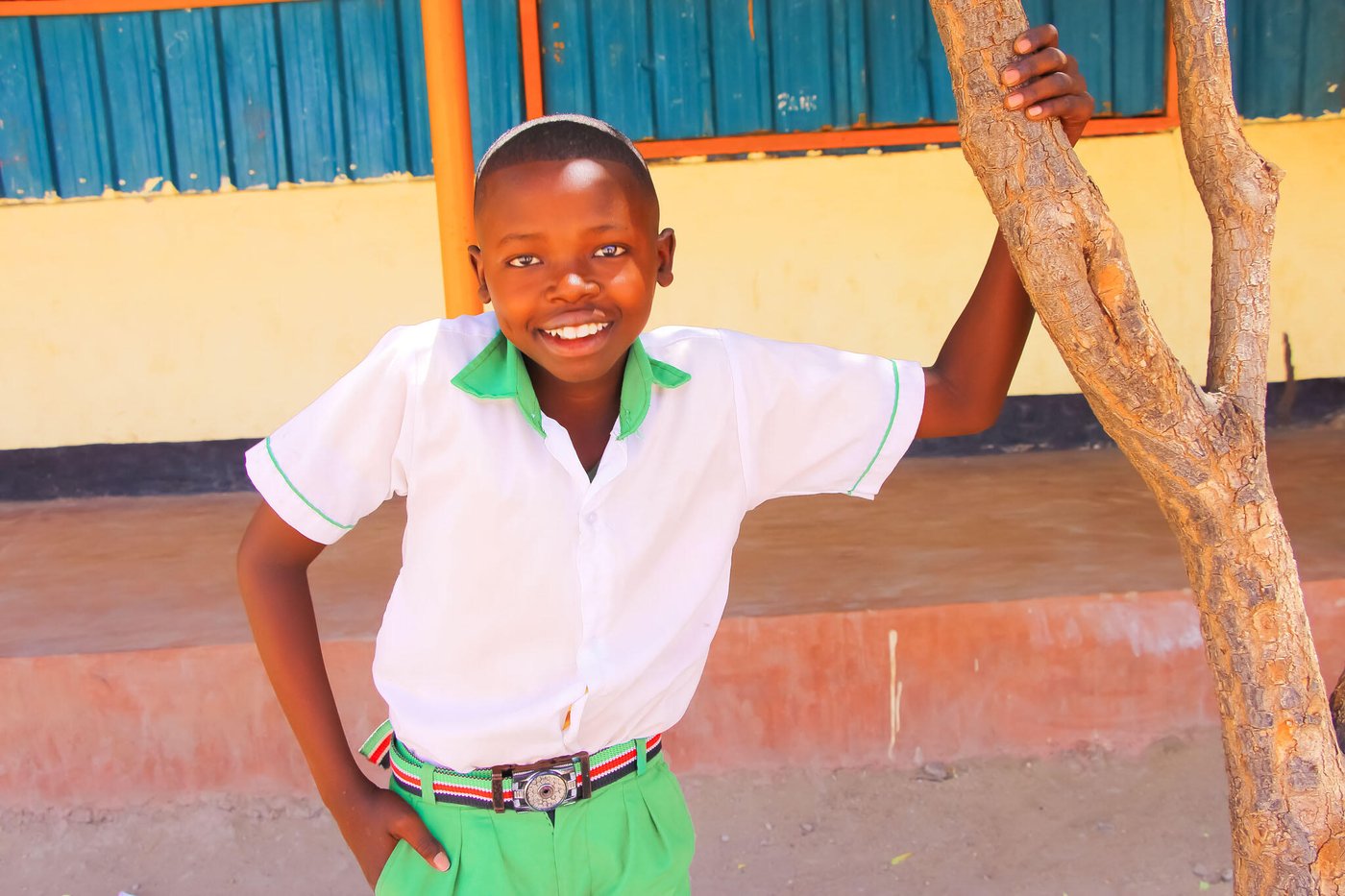
Rather than accept the situation, Pwisance decided to act. Driven by his love for nature, instilled in him by his family from a young age, he joined his school’s environment club that has 45 environment enthusiasts.
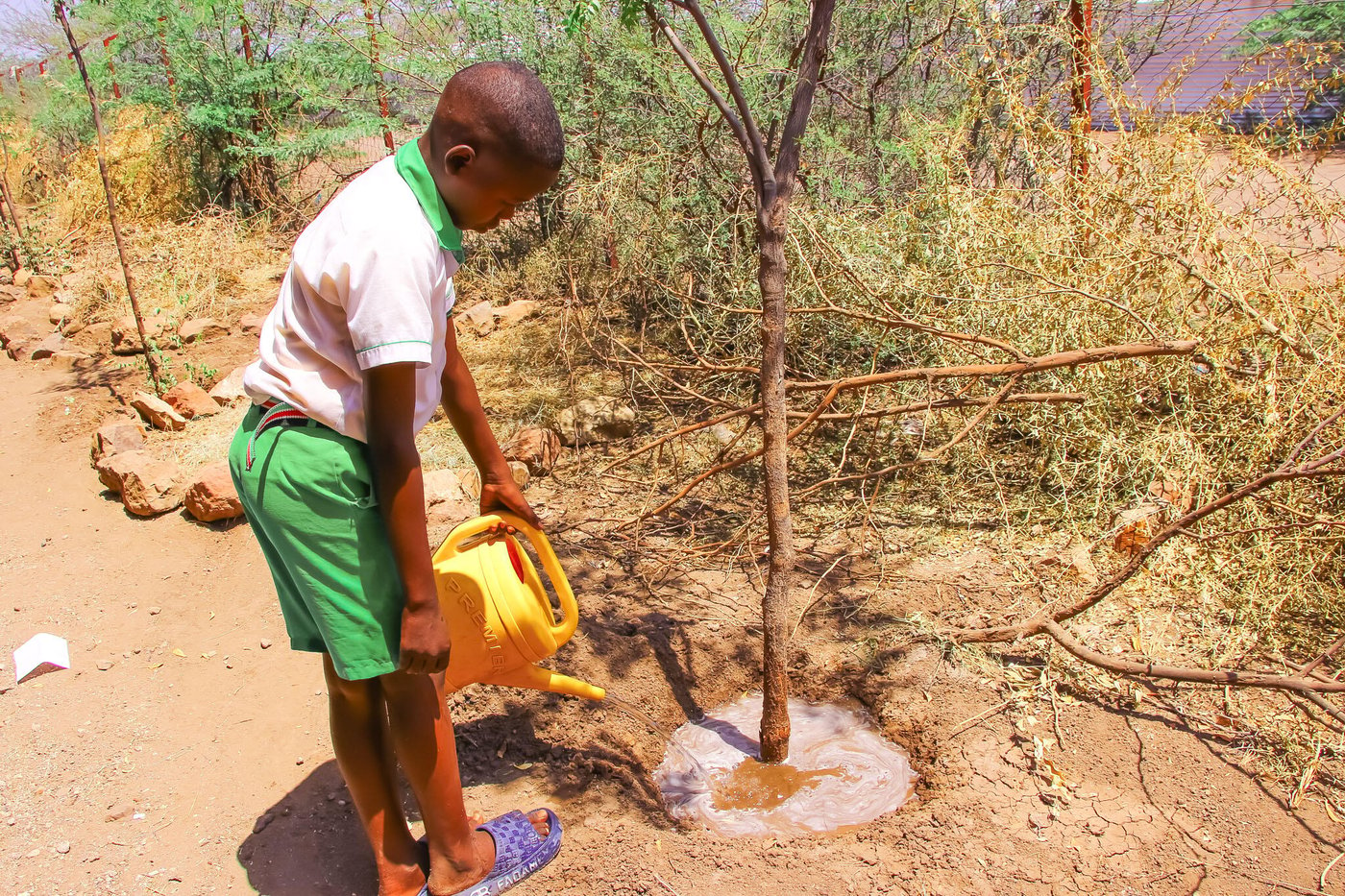
He began planting trees around the school compound and took some seedlings home as well. “I learnt to plant trees when I was young, when we lived in Uganda. I planted three trees,” he says. “I frequently call my brother, who still lives in Uganda, to ask on their condition and whether he still waters them.”
Pwisance’s passion has now grown to visible change that is being witnessed around the school. Where there was once only dry and bare land, young trees now provide shade, beneath which learners gather to rest and play.
The three years of the club’s existence has changed the appearance of the school with several trees surrounding it.
“Before, we played in the sun and got very tired, now, students sit under the trees and I feel proud knowing I helped make that happen,” Pwisance adds.
Isabella Muthoni, the centre leader for Kalobeyei settlement AEP school lauds the efforts by Pwisance and his club mates.
“These learners are committed to making the environment greener, they plant trees here and take seedlings to plant at home too,” she says. “They have learnt the virtue of nurturing. Right now, teachers use the shades of the trees to teach remedial lessons, and the children find it more enjoyable than the classes.”
Despite his successes, Pwisance’s efforts are met with challenges. Considering the limited resources, many families depend on cutting trees for firewood and building material. These practices worsen the already harsh conditions and this worries Pwisance.
“I see people cutting trees and it worries me, if we lose trees, we lose clean air and places to rest. I wish everyone understood how important they are,” he says.
With support from UNICEF, the Norwegian Refugee Council (NRC) provided students like Pwisance with the tools and resources to turn their concerns into action. Seedlings and gardening equipment have enabled the environment club to expand its efforts in climate adaptation.
“I’m happy we are given trees to plant,” says Pwisance. “We also planted fruits and I’m excited for the day we can eat what we have grown ourselves.”
For Pwisance, the trees he and his peers plant are not only planted in response to the heat, but they are also a small step towards a greener and more arable Kakuma.
Sign up to our newsletter to read more stories from around the world.
