
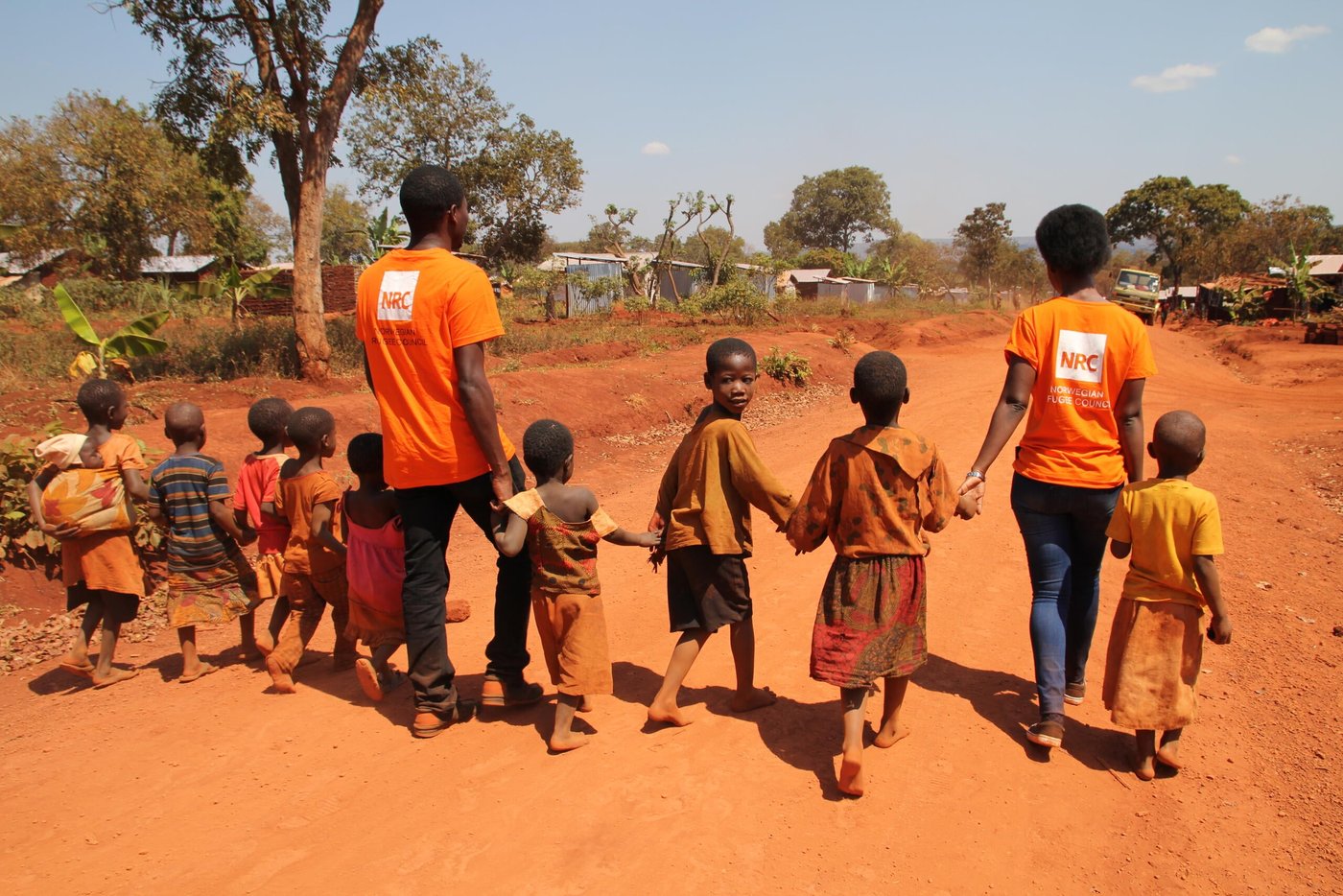
When violence escalated in Burundi in 2015, hundreds of thousands of people fled. Many crossed into western Tanzania, settling in camps in the Kigoma region.
Nine years supporting refugees in western Tanzania
In 2016, the Norwegian Refugee Council (NRC) began operations in Nduta, Mtendeli and later Nyarugusu camps. Over the next nine years, NRC became a central humanitarian actor in western Tanzania, strengthening shelter, water and sanitation systems, education services and legal assistance for a large and growing refugee population.
By the time NRC concluded its operations in 2025, nearly 190,000 refugees were living in Nduta and Nyarugusu alone. Most families were headed by women, reflecting how displacement had reshaped family life and responsibility. Throughout this period, NRC’s work focused on making daily life safer, more stable and more predictable for families living through prolonged displacement.
Shelter: From emergency to stability
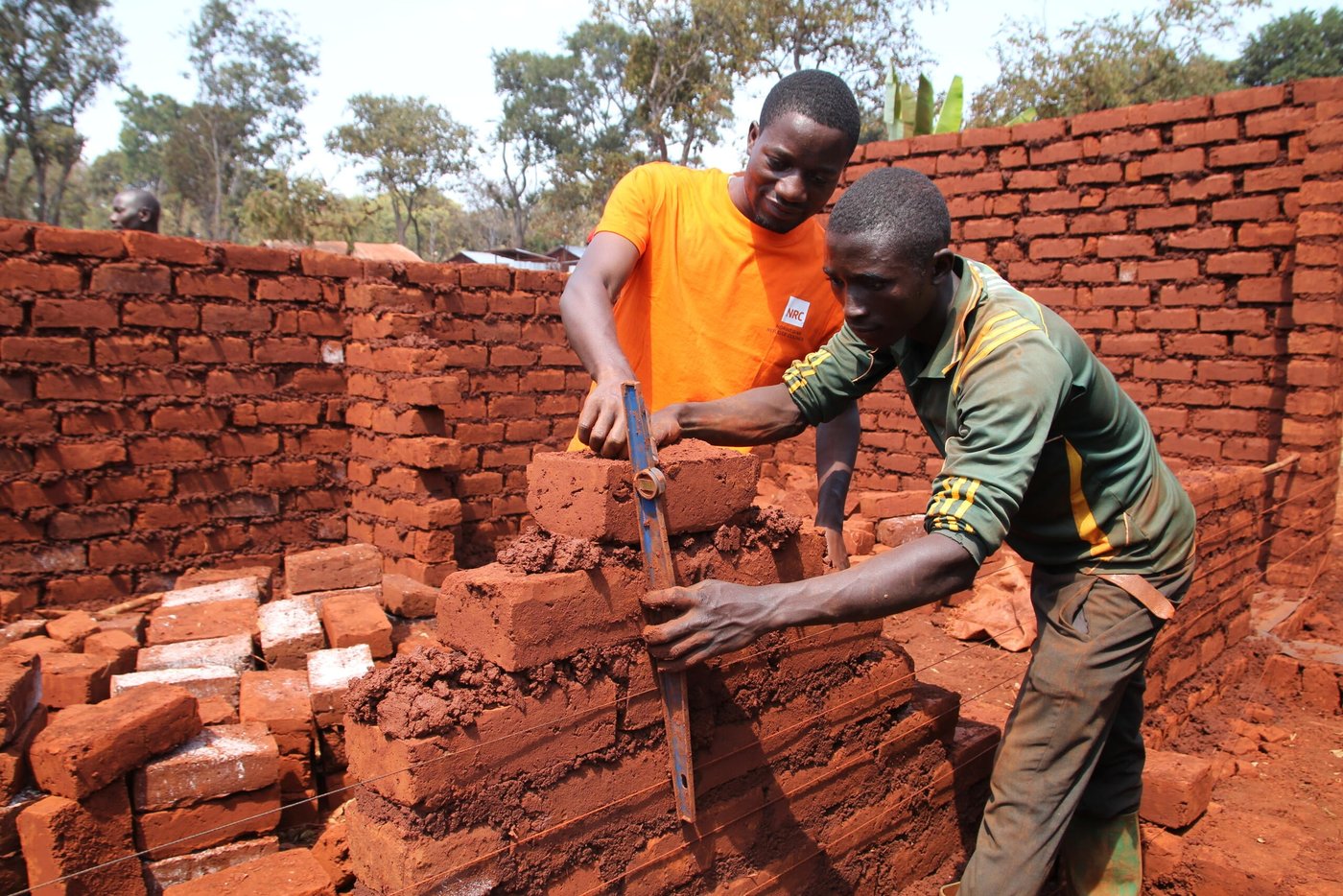
When NRC began its work, many families were living in temporary or deteriorating shelters.
Between 2016 and 2025, NRC constructed and upgraded transitional shelters, introduced more durable designs and distributed prefabricated housing units. Roads and bridges within the camps were maintained to ensure access to essential services year-round.
By 2025, more than 98 per cent of recently constructed or rehabilitated shelters were fully functional months after completion. Most families reported that their shelters met basic safety and privacy needs.
This meant stronger protection from heavy rains, greater privacy for women and children, and safer living conditions in an environment where displacement had already stripped families of certainty.
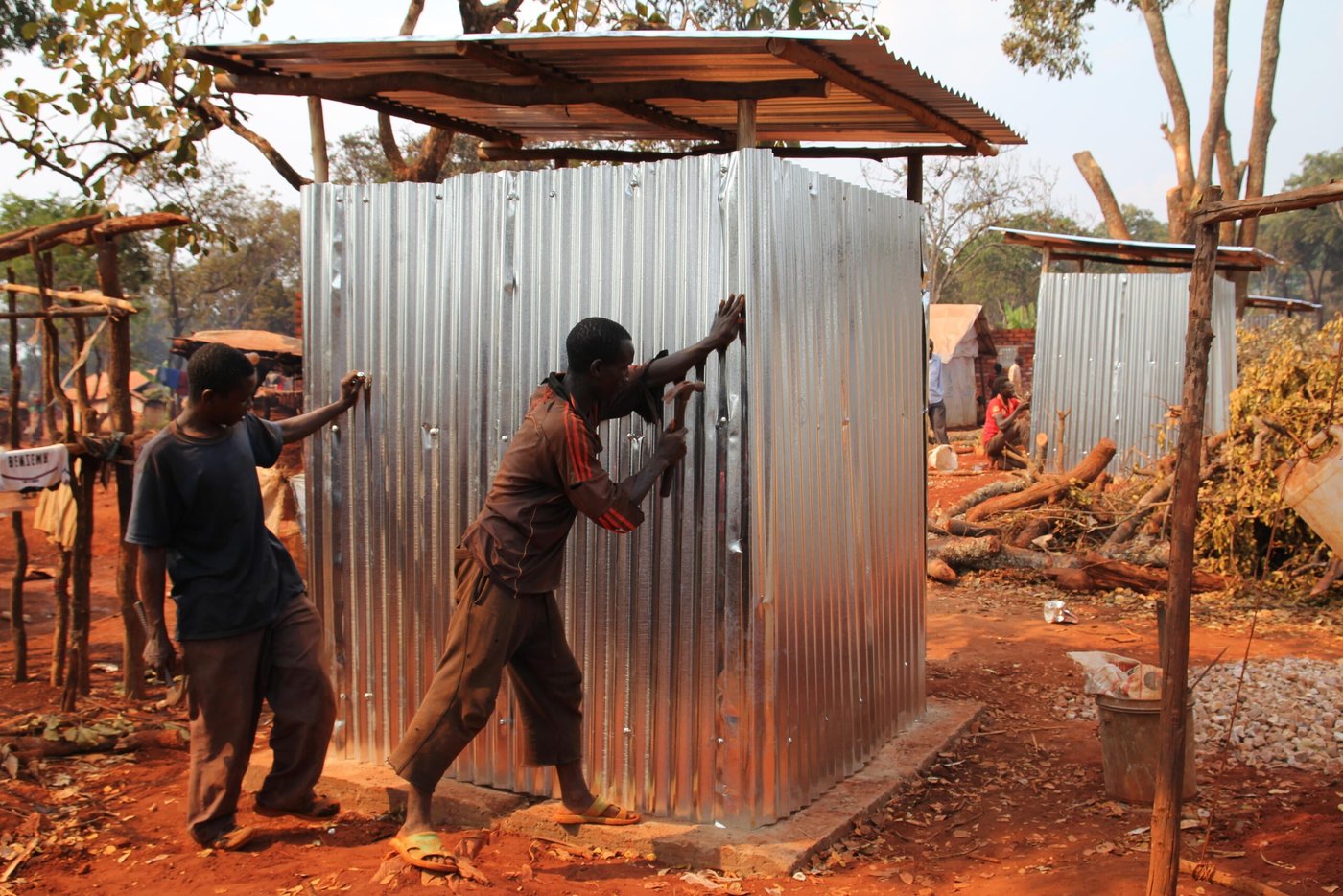
Water and sanitation: Systems at scale
In 2020, NRC assumed a leading role in water, sanitation, shelter and infrastructure in coordination with the United Nations High Commissioner for Refugees (UNHCR).
Serving a densely populated refugee population required continuous expansion and maintenance of water systems. NRC oversaw pumping, storage and distribution networks that operated under constant demand. By 2025, nearly all homes accessed water through managed tap stands, and supply levels met recognised humanitarian standards.
Sanitation facilities were constructed and rehabilitated across the camps, with more than nine out of ten remaining in good condition months after completion.
Reliable access to water and functioning sanitation reduced health risks and supported daily routines like cooking, cleaning and childcare, in camps hosting tens of thousands of people.
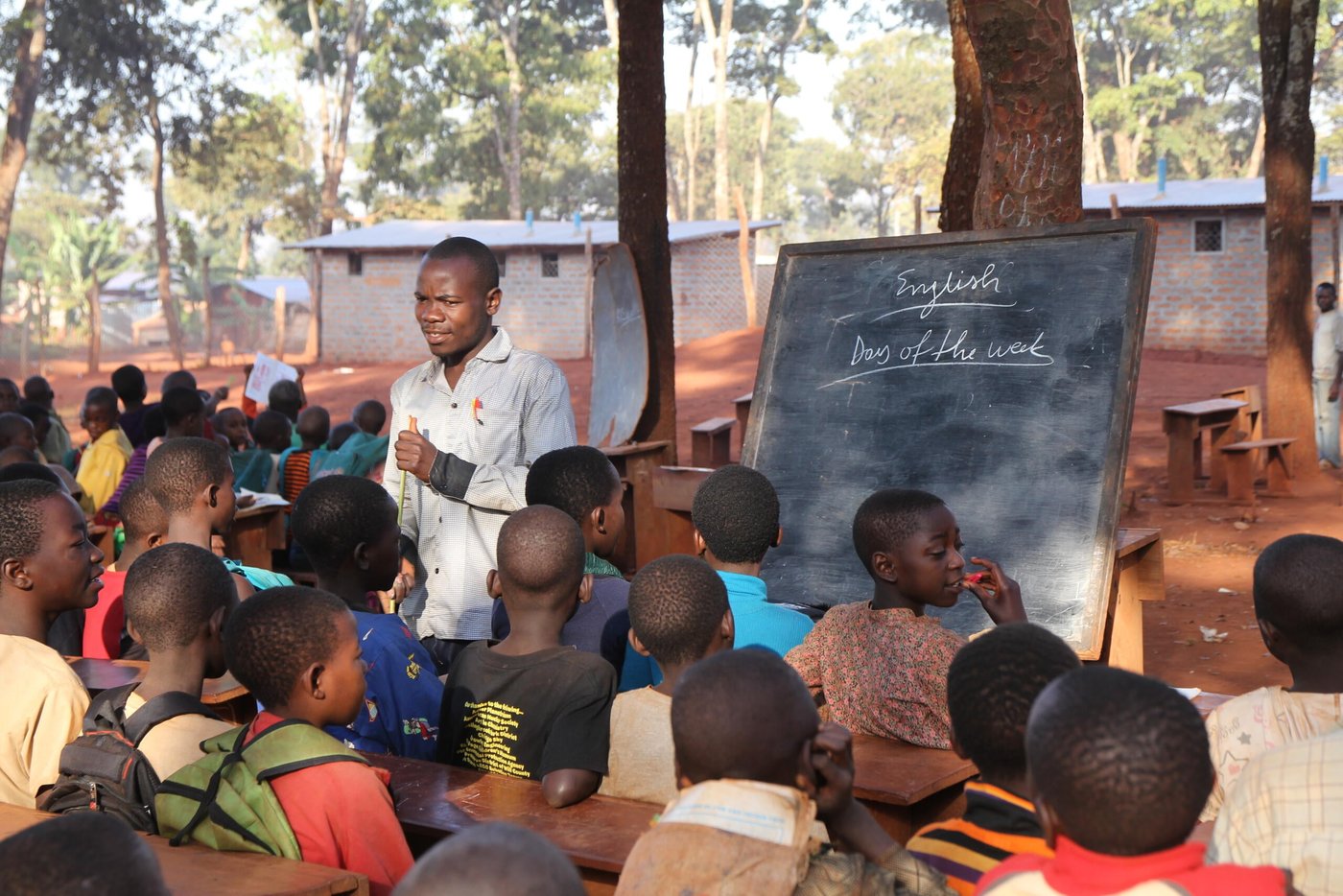
Education: Protecting a generation’s future
Many children arriving in Tanzania had experienced years of interrupted schooling.
Between 2016 and 2024, NRC supported accelerated education programmes for over-age learners, vocational training linked to life skills and teacher training initiatives to improve classroom quality.
As displacement became protracted, the focus shifted from expanding access to ensuring continuity and quality. Accelerated curricula were aligned with recognised education frameworks, classrooms were improved, and teachers received ongoing support.
Safe learning spaces were established, nursery facilities enabled young mothers to continue their studies, and targeted efforts encouraged girls’ participation and supported children with specific needs.
For thousands of children, structured learning restored routine and reduced the risk of a lost generation growing up without education.

Legal assistance: Reducing uncertainty
Through its information, counselling and legal assistance (ICLA) programme, expanded in 2018, NRC supported refugees to obtain essential documentation, including birth registration.
By 2025, most households held refugee registration documents, and many children had birth certificates. Families who received legal counselling and followed up were in most cases able to secure the required documentation.
Documentation enabled children to enrol in school, confirmed family relationships and reduced administrative barriers that can follow displaced families for years.
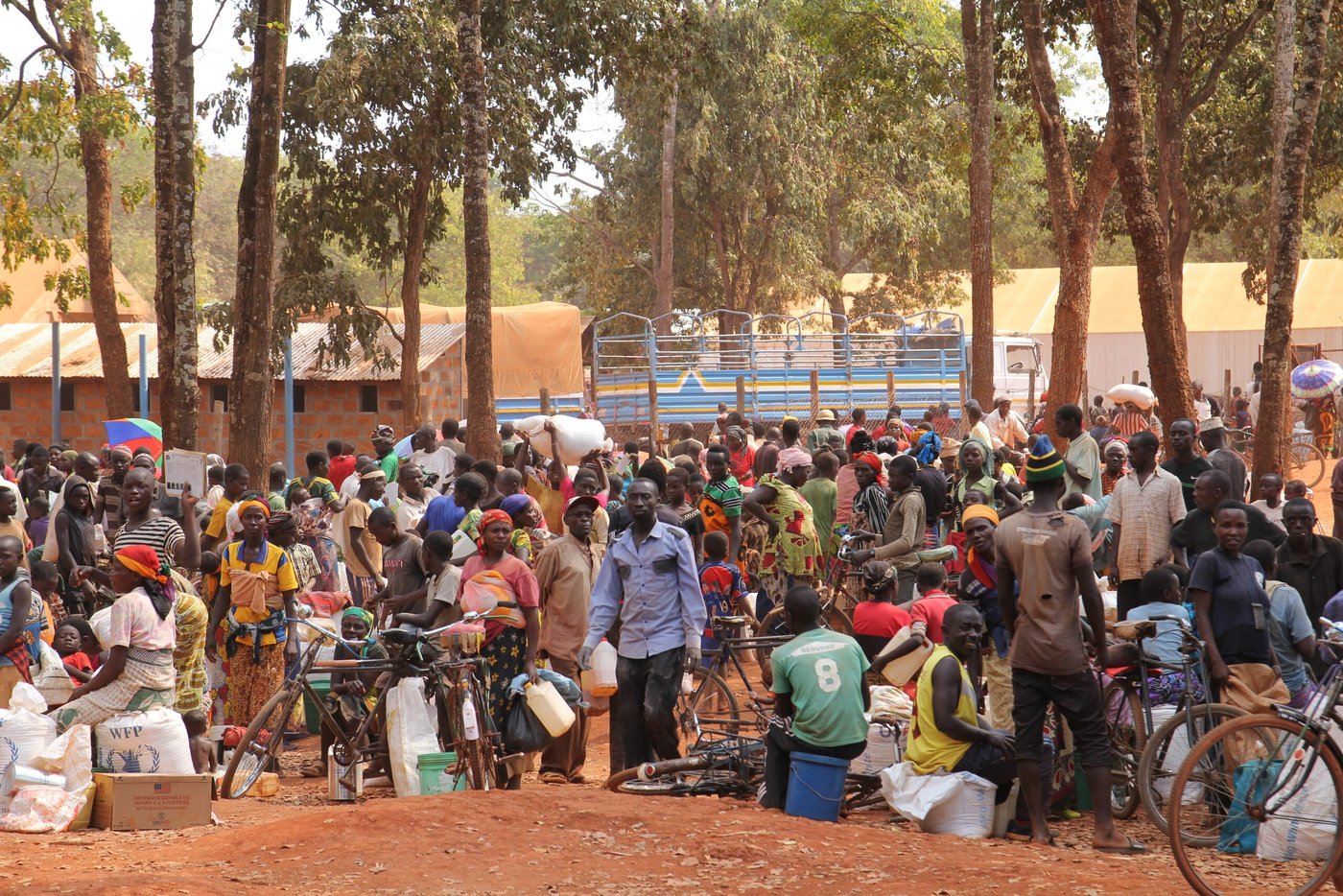
A nine-year presence
Over nine years, NRC strengthened essential systems serving nearly 190,000 refugees in western Tanzania. Shelter became more durable, water systems functioned at scale, education continued despite prolonged displacement, and legal documentation reduced uncertainty for thousands of families.
In 2025, NRC concluded its operations in Tanzania following changes in funding levels and strategic priorities within the regional response. The closure marked the end of nearly a decade of operational presence, but the infrastructure, systems and support established during those years continue to shape daily life for refugee families.
For nearly a decade, NRC was part of the fabric of humanitarian response in western Tanzania. This period of presence leaves behind more than projects completed, it leaves strengthened systems that continue to serve refugees beyond the lifespan of the programme.
Sign up to our newsletter to read more stories from around the world.
