


We’am was only one week old when she became a refugee. Born under shelling and siege in Syria’s Homs in 2012, We’am was carried by her parents to safety in Jordan before they’d even had a chance to register her birth.
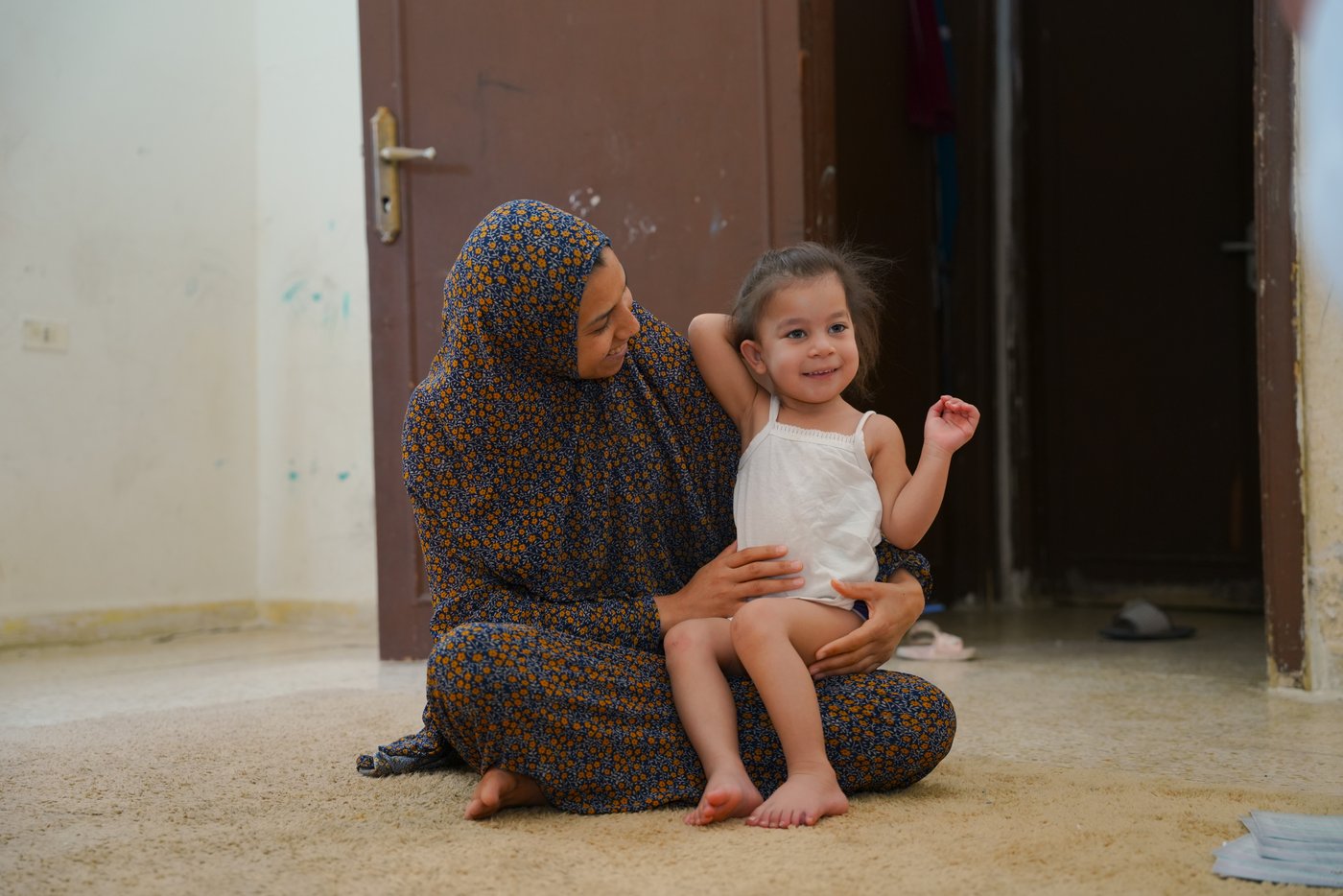
“My children finally had names”: One step closer to home for a Syrian family in Jordan
Like many refugees, the family left many things behind. “We left with the clothes we were wearing – we thought we’d come back after two months,” explains 35-year-old Ramia, We’am’s mother. They did not have their passports, and some of their critical documents were lost on the journey.
The family entered Jordan through an informal border crossing, where they submitted the documents they had to Jordanian authorities. Due to administrative errors, it would be several years before they could retrieve them.
Ramia and Mwafaq, We’am’s parents, settled in Ain Al-Basha, in Balqa governorate north of Amman, but had no identity documents in their names and they did not have their marriage certificate. Civil documents are vital to access services, to prove legal identity and nationality, and to register life events such as births and deaths. The impact of a single missing document can snowball, as the family learned.
Fourteen years since fleeing Syria, Wa’em has five brothers and sisters. They were all born in Jordan, but Ramia and Mwafaq could not register the births because they did not have a marriage certificate. When their youngest son, Islam, passed away at the age of six months, they could not register his death.
Without birth certificates, the children had no legal identity. They could not receive humanitarian assistance, access healthcare or enrol in school. After the change in government in Syria in December 2024, the family decided to return to Syria, but with no identity documents, they could not cross the border.
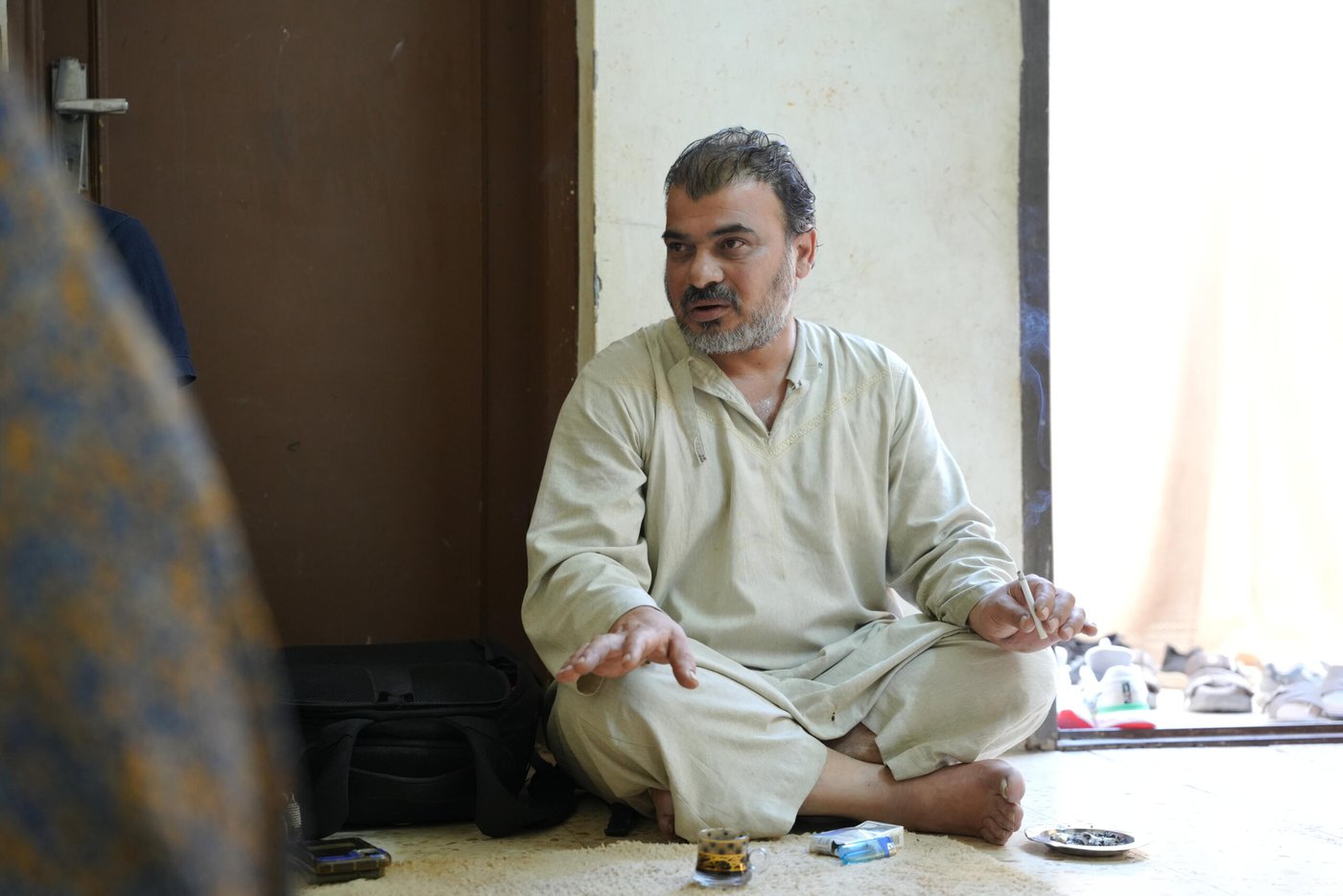
Over the years, Mwafaq tried to recover the family’s lost documents, pursuing many avenues without success. "We struggled a lot and we got very tired. I tried every possible way,” Mwafaq recalls. "I used to ask in Facebook groups and WhatsApp groups. Many people tried to help me, and some people asked for money, but nothing ever worked. I asked my brother in Syria to try to help me get the documents, but even though he is their uncle, he couldn't do anything.”
With funding from the European Union, the Norwegian Refugee Council (NRC) supports refugees in Jordan to obtain legal and civil documentation so they can obtain their rights and access services.
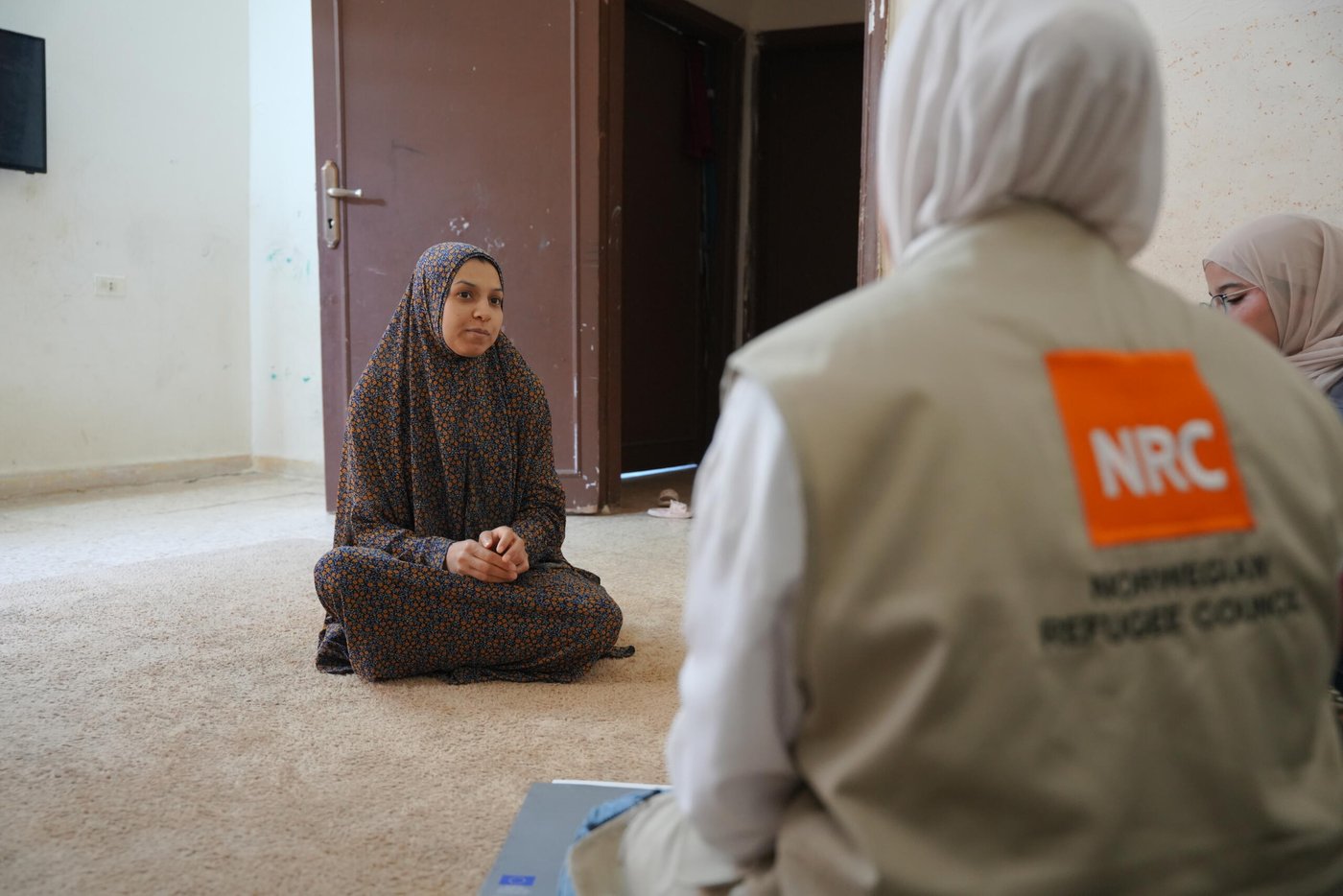
Ramia learned about this service through relatives who had received legal support from NRC. She approached NRC’s team for help and was provided with legal counselling. Following this, NRC assigned a lawyer to file legal cases on behalf of the family to establish the births of their children in Jordan and to register the death of Islam.
Since the children were all older than one year old, registering their births required court decisions. Following lengthy court processes, NRC was able to obtain birth certificates for all the children born in Jordan, and a death certificate for Islam, through the Civil Status and Passports Department.
"I couldn't believe it,” Ramia recalls. “After all these years, my children finally had names. I was so happy, I felt like I was floating."
For We’am, the process is more complex since she was born in Syria, and obtaining a birth certificate requires legal processes within Syria. With NRC’s support, the legal process is underway.
For Ramia and Mwafaq, these documents mean more than paperwork. They give their children a recognised legal identity and make it easier for the family to access essential services and rights. They also bring the family one step closer to being able to travel and return safely to Syria, closing a chapter that began 14 years ago.
Sign up to our newsletter to read more stories from around the world.
