
In a tent where rain seeps through the seams and fire is a constant fear, Ghaliya holds onto one thing with absolute certainty: her children will study.
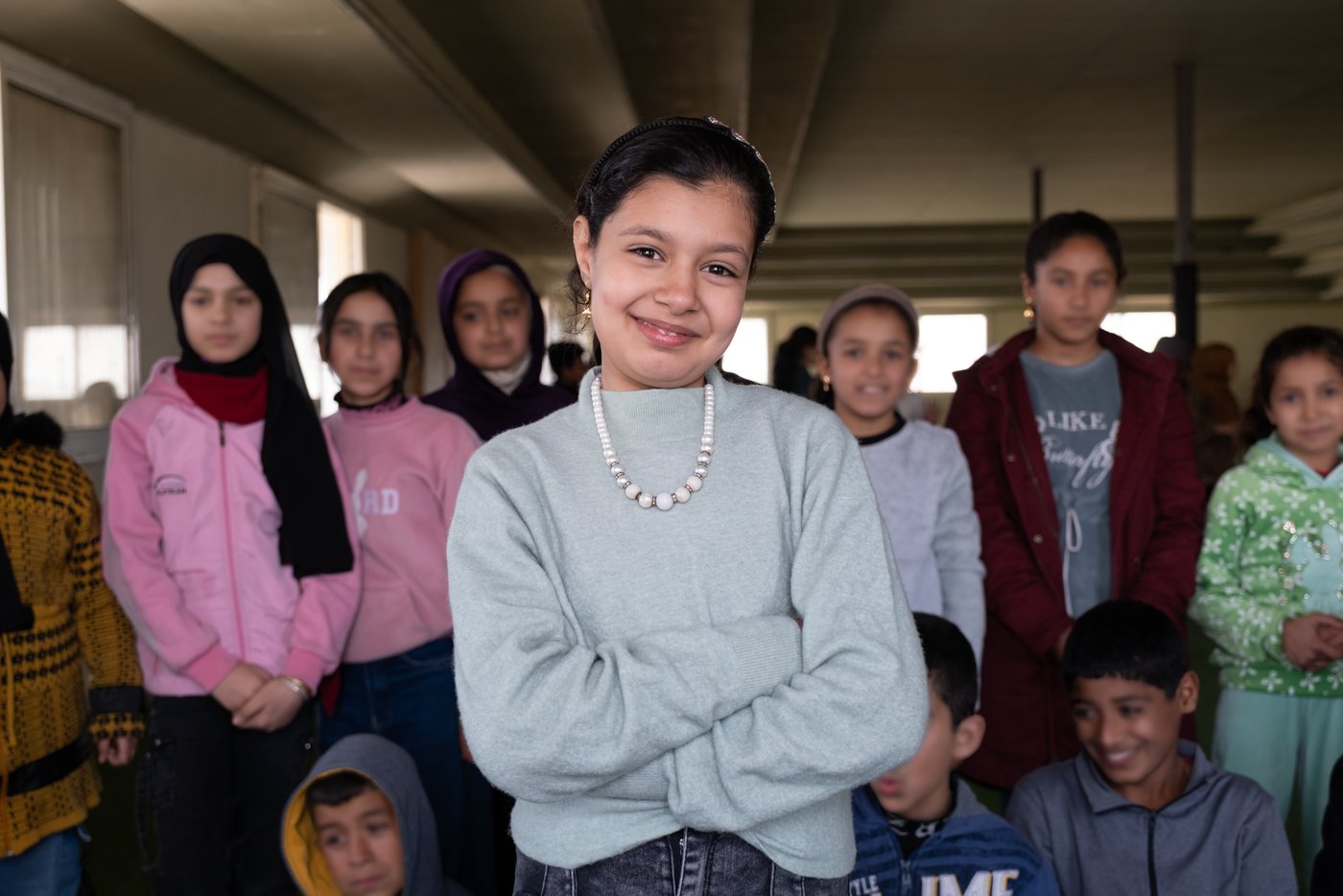
Lebanon: A learning centre is shaping futures in Bekaa
“I love school,” she says quietly. “I want my children to have a future where they don’t suffer like we did.”
Ghaliya has lived in Lebanon for 13 years. She is a mother of six, raising her children in Camp 03, far from her destroyed home in Syria. Life is unstable, work is irregular, aid is scarce, and safety is never guaranteed.
But every morning, her children leave the tent for Basmeh & Zeitooneh centre and the promise of an education.
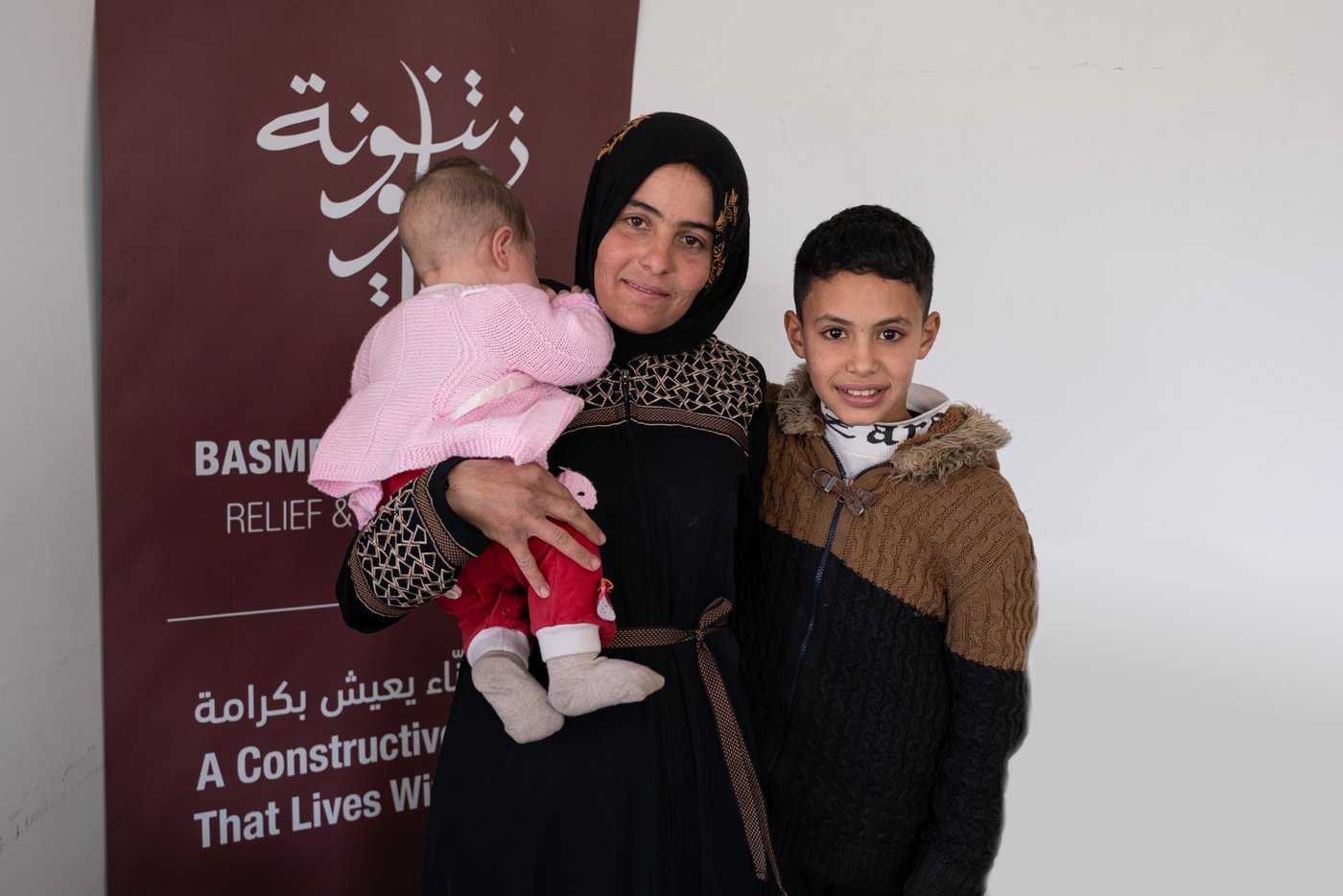
“If they hadn’t come here, they would have been lost”
Before enrolling her children in the centre, Ghaliya feared the worst.
“If they hadn’t come here,” she says, “they would have been lost out on the streets, left to fate.”
Today, two of her sons, Munir and Hassan, walk confidently into class. They read, write and dream.
"Before, I didn’t know how to write at all. Now I can,” proudly says 13-year-old Munir.
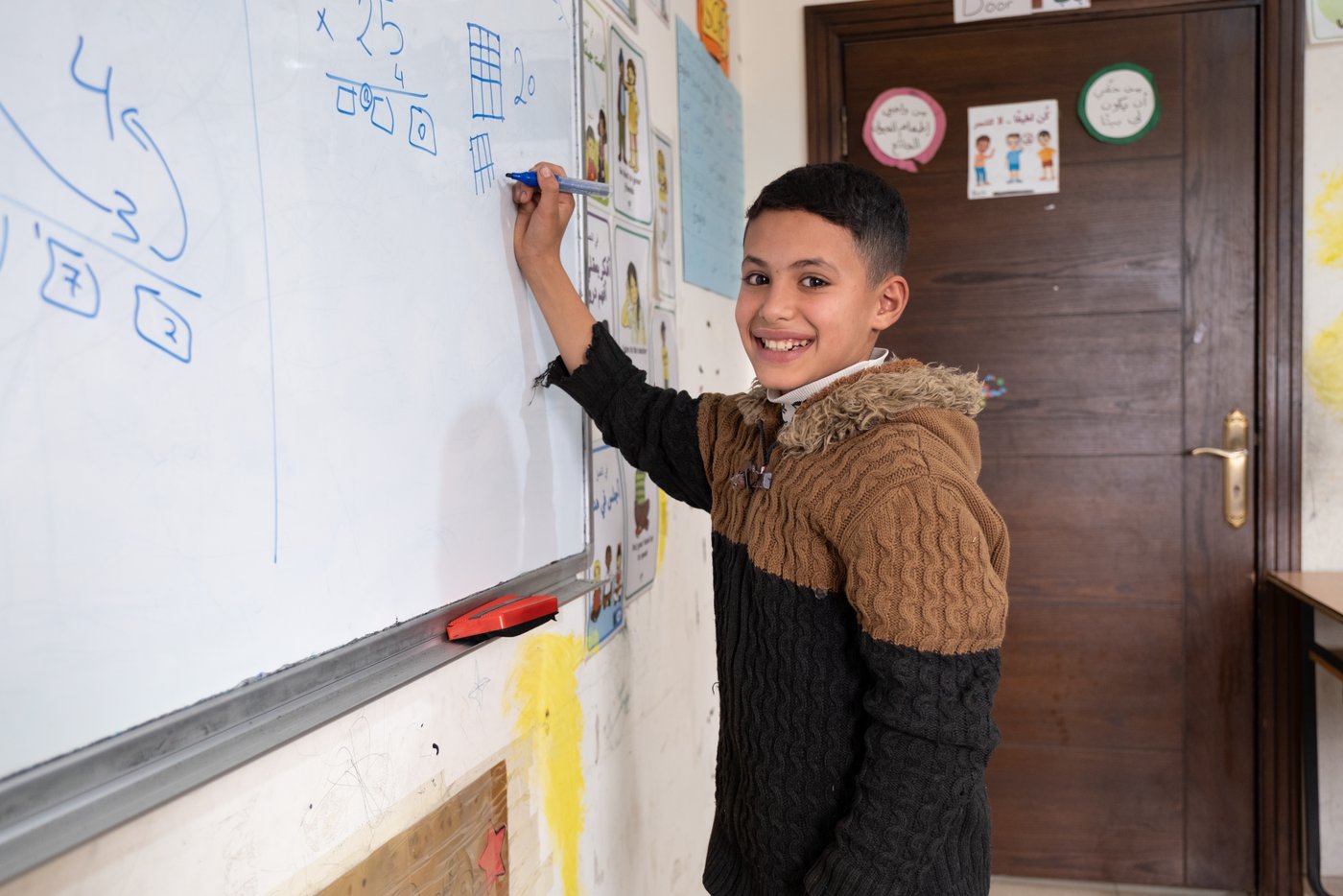
He has completed three learning cycles. What started with letters and numbers grew into full sentences, maths problems, and, most importantly, confidence.
His dreams grew big - bigger than the camp’s borders. “I want to become a doctor and help my family,” he says.
When Munir talks about the centre, he doesn’t call it a school.
“It feels like my home, I feel safe here,” he says.
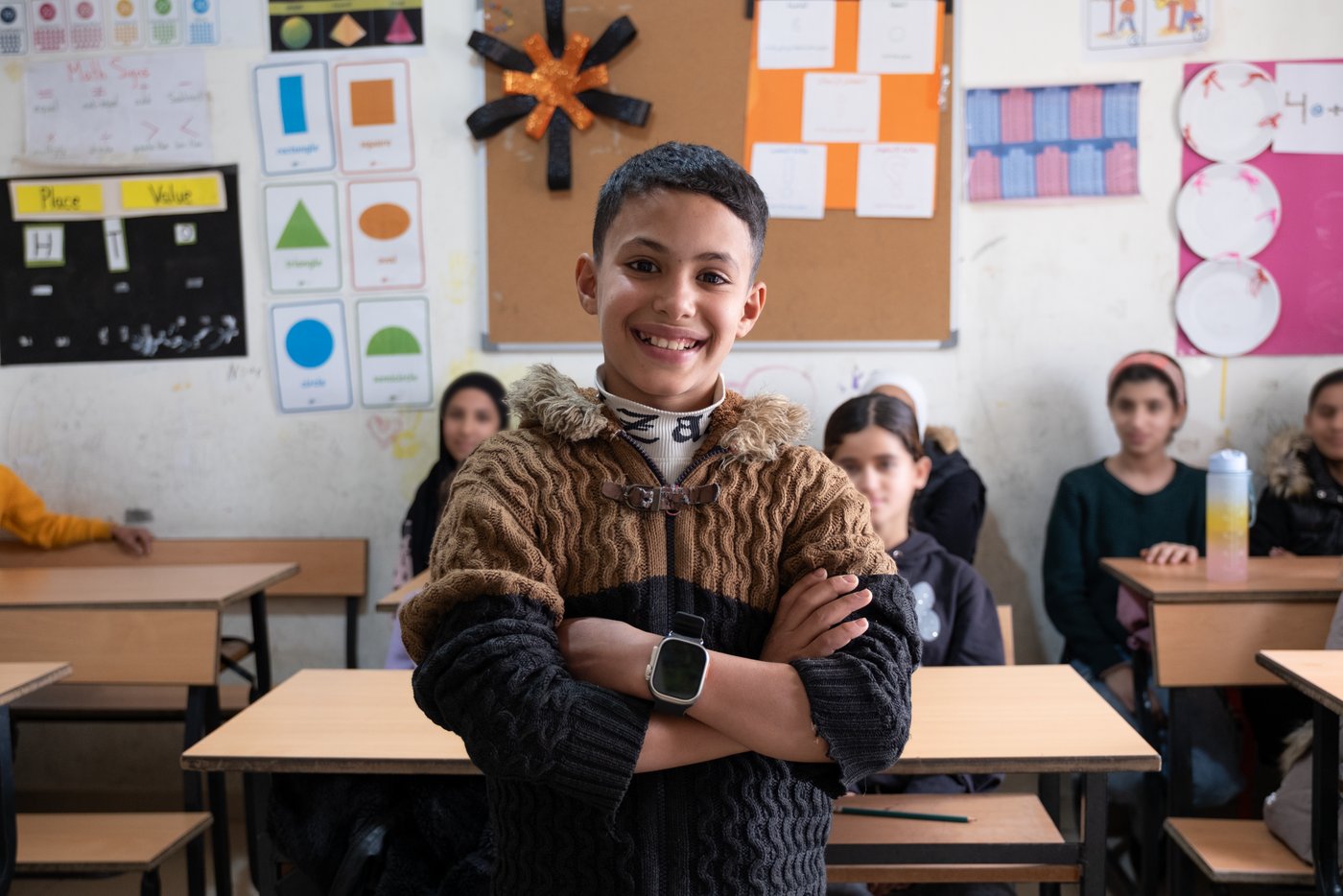
A safe place
Safety is not a trivial matter for children who have lived through displacement, loss and uncertainty.
At the centre, children are greeted every morning with simple words that create a safe and a trustworthy environment
“How are you? How do you feel today?”
These are the words students are glad to hear. They help children feel genuinely cared for and remind them that they are truly important members of their community.
They learn Arabic, English, and maths, but they also learn how to talk about emotions, how to express themselves, and how to trust again.
Munir speaks of teachers by name. He knows whom to go to when he’s worried. He has friends who share his dreams: future doctors, engineers, and psychologists.
“We imagine that one day we will go back home, and I will open a clinic in Syria.” he says.
Even when he remembers his destroyed home, the sadness does not erase his hope.

“This centre organised our entire lives”
For Hanan, another refugee mother, the impact went beyond her children - it reached her entire household.
“Before, there was no routine,” she explains. “No school. No structure. Everything was random. Now, mornings begin with breakfast. Afternoons have a purpose. Evenings are calmer. The school organised my children’s lives, and mine as well.”
Her daughter Maryam, 11, comes home excited, showing homework, explaining lessons, practicing English, and talking about emotions she never had words for before.
Psychologically, Hanan says, her children changed the most.
“They’re happier, calmer, and more focused. Before, they fought all day, now they are busy, in a good way.” She pauses, then adds: “Without this centre, I can’t imagine how life would be for them.”
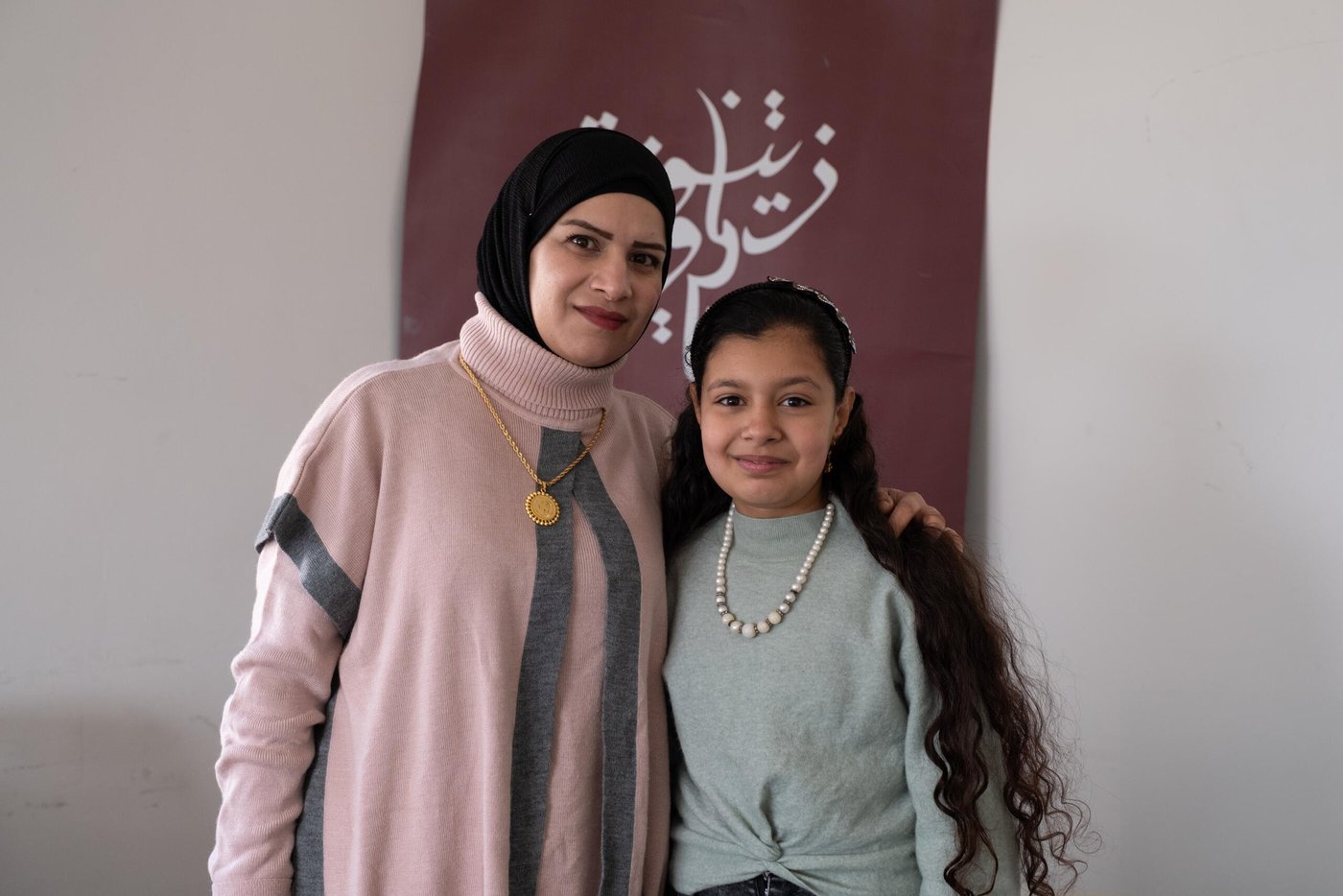
Maryam’s world is bigger now
Maryam loves to draw faces. She studies Arabic, English, maths, and life skills. She likes learning about emotions, choosing faces that match how she feels.
“I want to be a pharmacist, so people can be treated and stay safe,” she says.
She speaks shyly, but with certainty. She feels protected at the centre. She knows the teachers won’t let her leave unless her mother confirms. She knows there is a nurse if she feels unwell.
For a child growing up with uncertainty, that sense of care leads to a sense of trust in their surroundings.
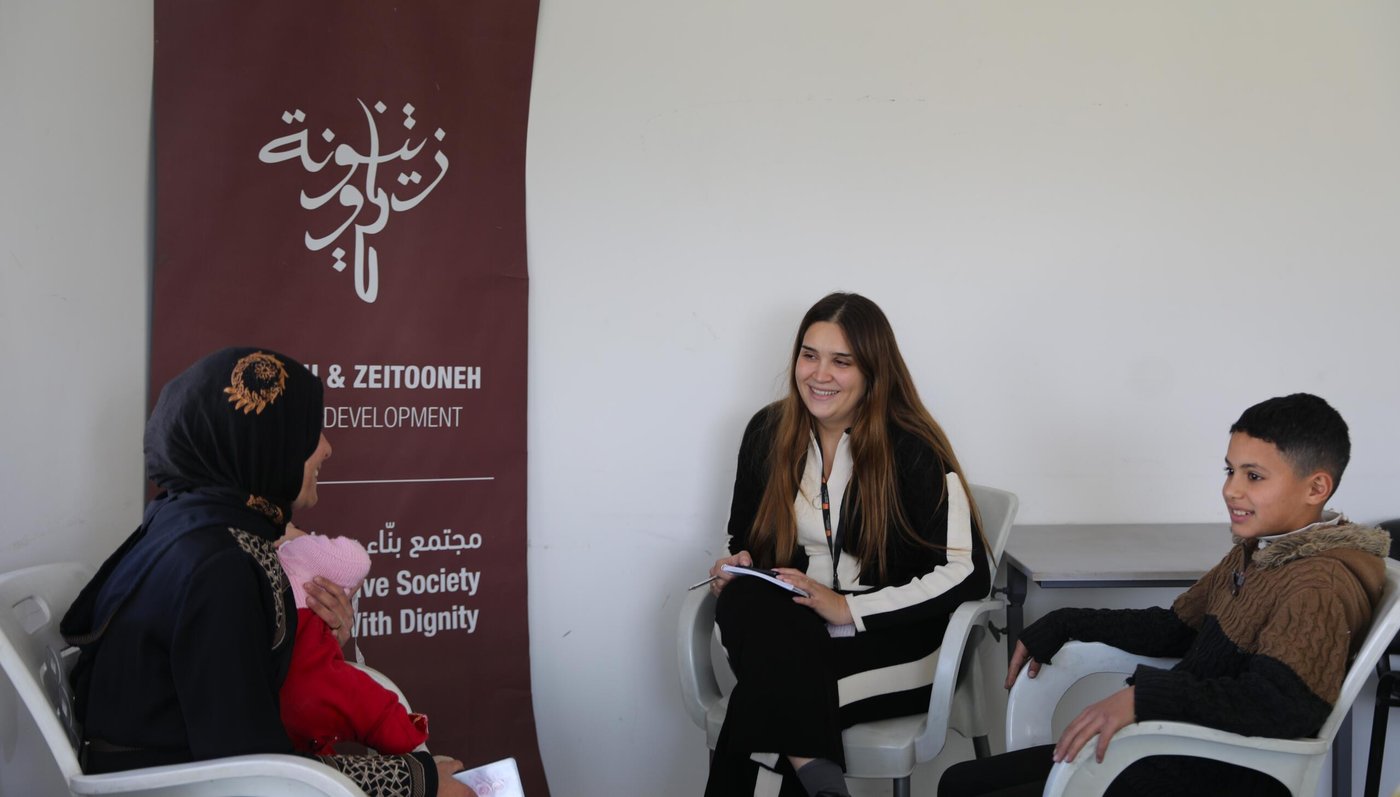
Pride, not just progress
Parents speak about pride the same way others speak about survival.
“When my son comes home and says: ‘Mom, look at what I wrote,” Ghaliya smiles. “It makes me very happy.”
These are not small victories. Children who once couldn’t recognise letters can now explain lessons to their parents. Some even teach younger children in their camps what they’ve learned at the centre. Dreams have replaced silence, and knowledge replaced illiteracy.
Shaping futures, one child at a time
At the end of the day, this transformation did not happen by chance.
Through non-formal education programmes, children who missed years of schooling are given a second chance, one that rebuilds not only academic skills, but confidence, safety, and hope.
Teachers, protection teams, and support staff work daily to ensure children are not just learning but belonging.
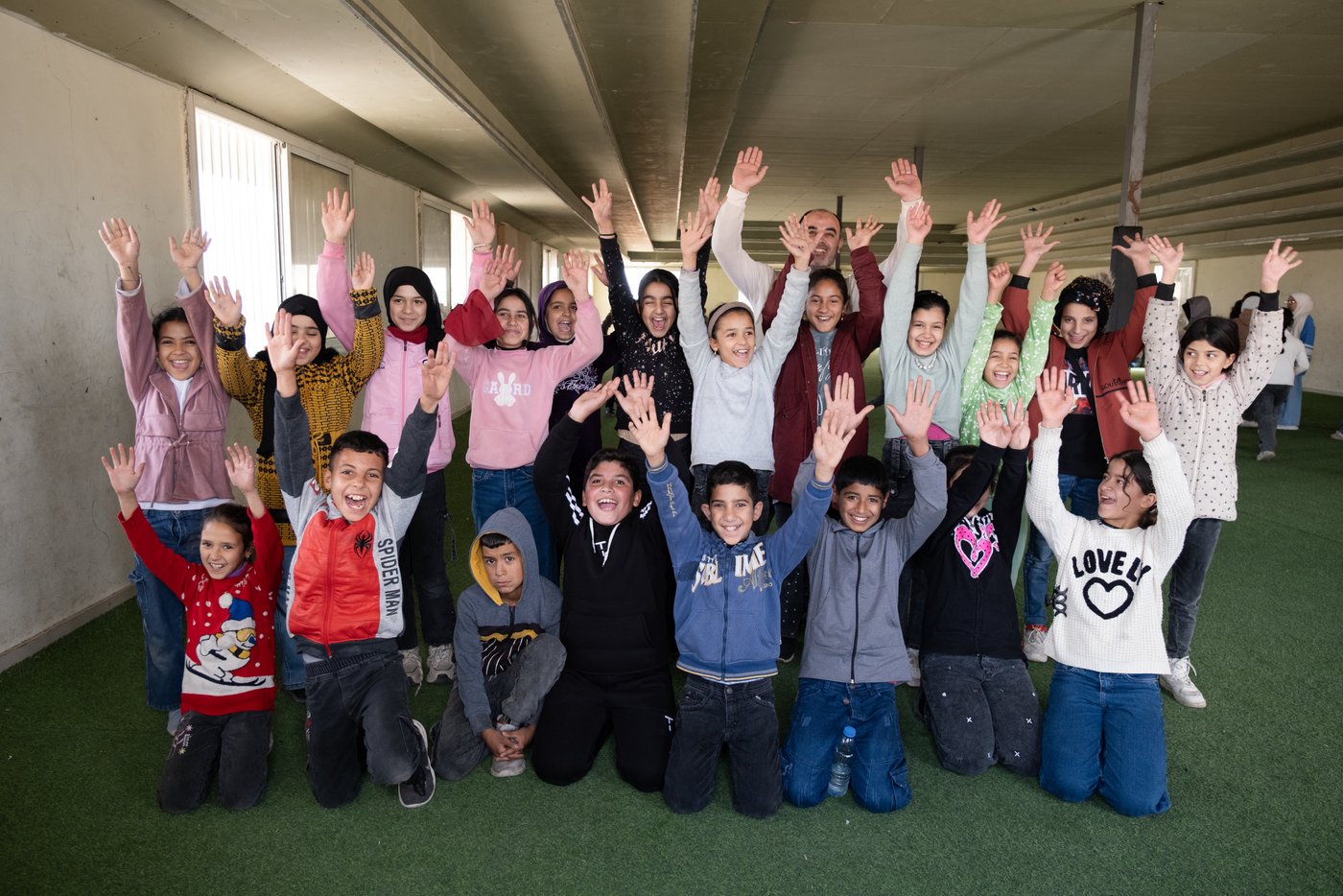
One child once said: “I feel like I have two homes, my house and this centre.”
That sentence captures everything.
A collective effort that changes lives
Funded by the German Government through KfW Development Bank, the Norwegian Refugee Council (NRC), through its partnership with Basmeh & Zeitooneh (B&Z) in Bekaa, made this impact possible.
Today, the centre supports nearly 480 children through 19 education classes, including early childhood education and basic literacy and numeracy programmes. With over 80 per cent of students attending regularly, and continuous follow-up with caregivers to ensure commitment, learning here is not accidental. It is sustained, intentional, and deeply supported.
Through structured education, psychosocial support, safety measures, and community engagement, this programme is doing more than teaching lessons. In places where tents replace houses and uncertainty replaces stability, this centre proves that with the right support, children regain stability, normalcy, and the opportunity to learn.
Sign up to our newsletter to read more stories from around the world.
