
For nearly two years, conflict in the east of the Democratic Republic of the Congo has profoundly disrupted the lives of communities. Repeated waves of displacement, coupled with the gradual return of many families, have placed unprecedented pressure on essential services. Access to safe drinking water has been particularly affected.
In Karango–Ruhunde, the impact is felt every day. Women, children and older people walk long distances to reach the few water points that remain functional. Queues continue to grow and tensions over scarce resources increase. Many families are forced to rely on unsafe water sources, exposing them to waterborne diseases.
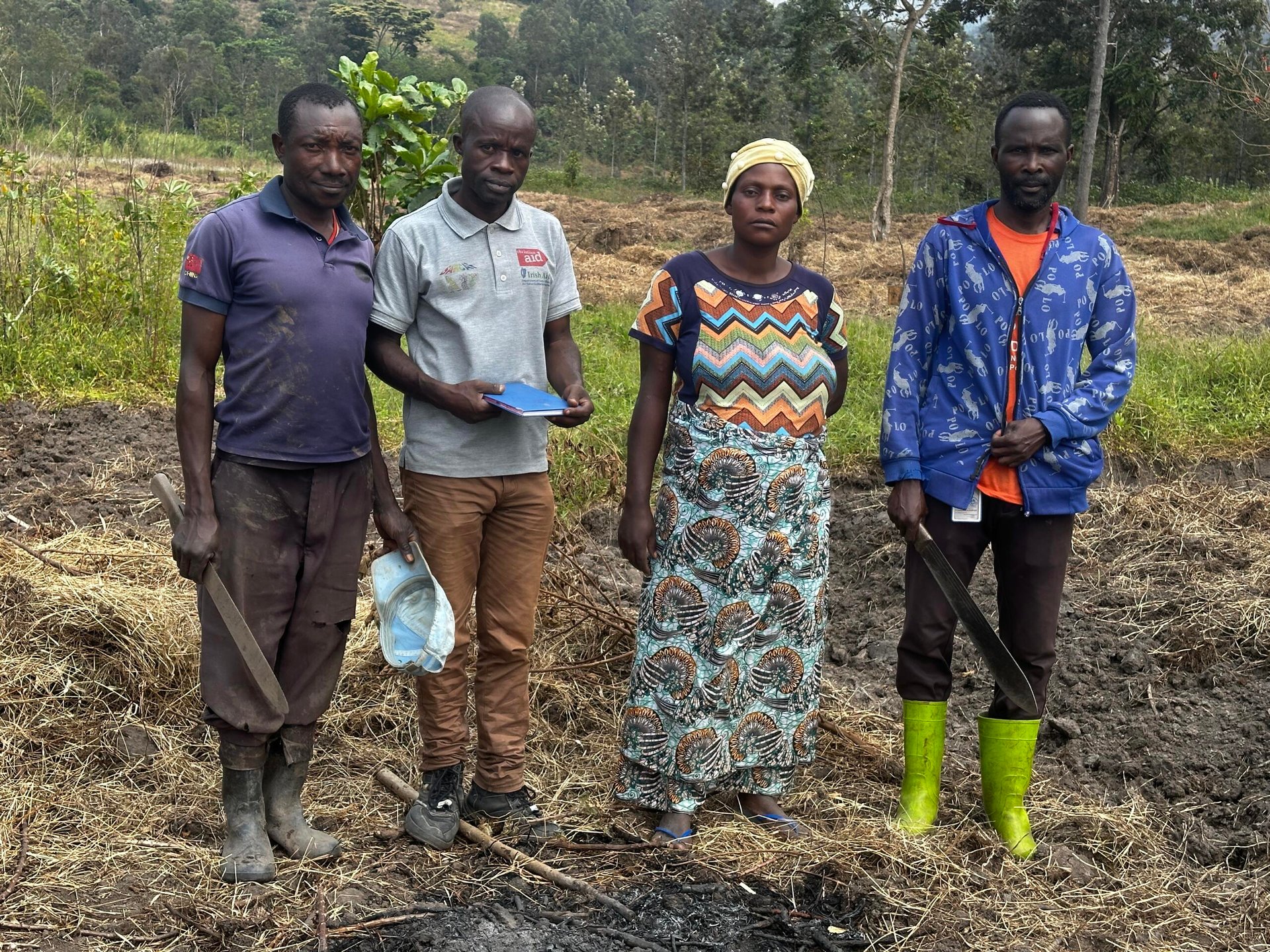
"As I speak to you, we are mourning a child who died of cholera here in the village of Rambira," says Diego Rugereka, a local community leader.
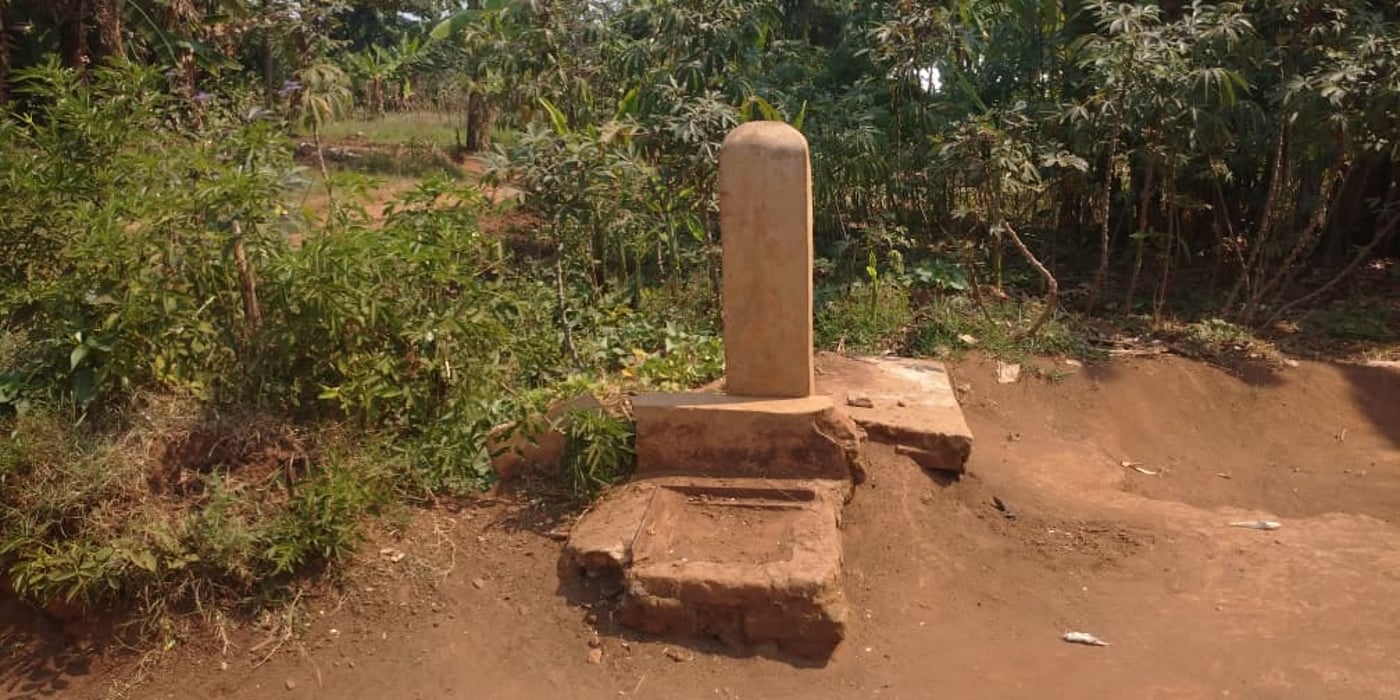
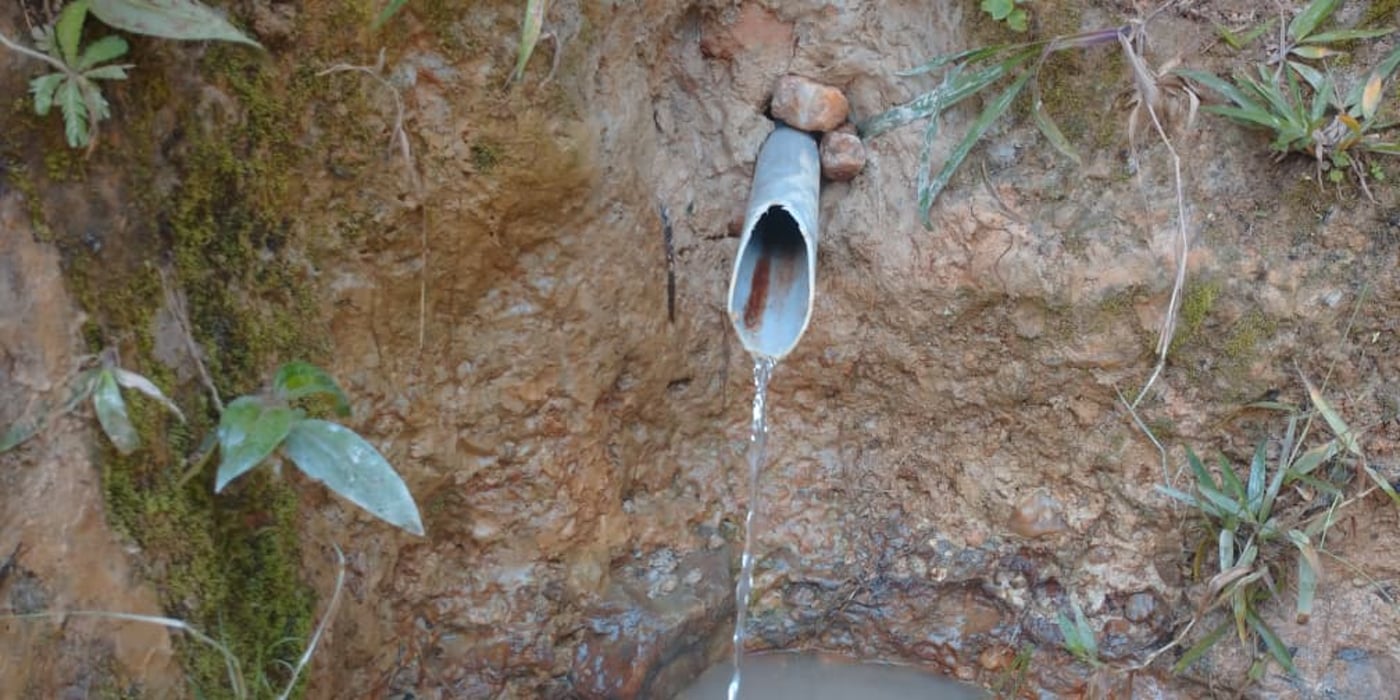
"We have one water reservoir that is supposed to serve more than three villages, some 3,000 to 4,000 households, but the spring supplying it has been destroyed. Children have to walk long distances to fetch water, and some are hit by motorcycles along the way."
The challenges extend far beyond the quality of the water itself. Every long journey to collect water increases the exposure of women and girls to harassment, violence and exploitation. Time spent fetching water keeps children away from school and limits women's opportunities to earn a living. And as water becomes increasingly scarce, tensions between host communities, internally displaced people and returnees may also escalate.
A foundation for lasting change
To better understand these challenges, the Norwegian Refugee Council (NRC) conducted a technical assessment of the Karango–Ruhunde water supply system. The assessment revealed that nearly 50 per cent of the system's water flow is lost due to the undersized pipeline and the deterioration of the distribution network. Of the 22 public water points originally built, only nine remain operational today, significantly restricting access to safe drinking water.
Based on these findings, we have designed a targeted intervention that will begin in mid-July 2026 with funding from the DRC Humanitarian Fund (FHRDC). The project will include the installation of an additional transmission pipeline, the construction of flow regulation valves to improve water distribution, and the rehabilitation of six priority public water points.
At the same time, a community water management committee will be established and trained to strengthen local ownership and ensure the long-term sustainability of the infrastructure.
The project goes beyond infrastructure rehabilitation. Hygiene kit distributions and hygiene promotion activities will be carried out alongside the engineering works to help reduce public health risks and strengthen the resilience of local families.
This integrated approach demonstrates the strong link between WASH (water, sanitation and hygiene) and protection work. By bringing safe water closer to communities, we aim to reduce the risks faced by women, girls and other vulnerable people while collecting water. The project is also designed to ease tensions over limited resources and support peaceful coexistence.
Restoring a water supply system is about much more than repairing pipes and water points. It is a critical step towards re-establishing essential services for communities deeply affected by conflict and displacement.
By investing today in more reliable water infrastructure and stronger community management, this project is laying the foundation for lasting change, where access to safe water becomes not only a matter of public health, but also a pathway to protection, dignity and social cohesion.
Sign up to our newsletter to read more stories from around the world.
