

Millions of displaced Syrians and refugees are returning home with hope but, without support, they are unable to rebuild their homes and lives.
Hope and hardship
After 14 years of conflict, climatic shocks and socio-economic challenges, the humanitarian situation in Syria remains critical. In 2026, 15.6 million people require humanitarian assistance. Despite the challenges of coming home, over 1.8 million Syrians have returned from neighbouring countries, alongside 2.0 million internally displaced returnees.
The Norwegian Refugee Council (NRC) is on the ground in Syria, one of the few agencies operating across the whole country. From emergency response to long-term recovery, we are helping families rebuild their lives after the conflict.
1. Living in ruins
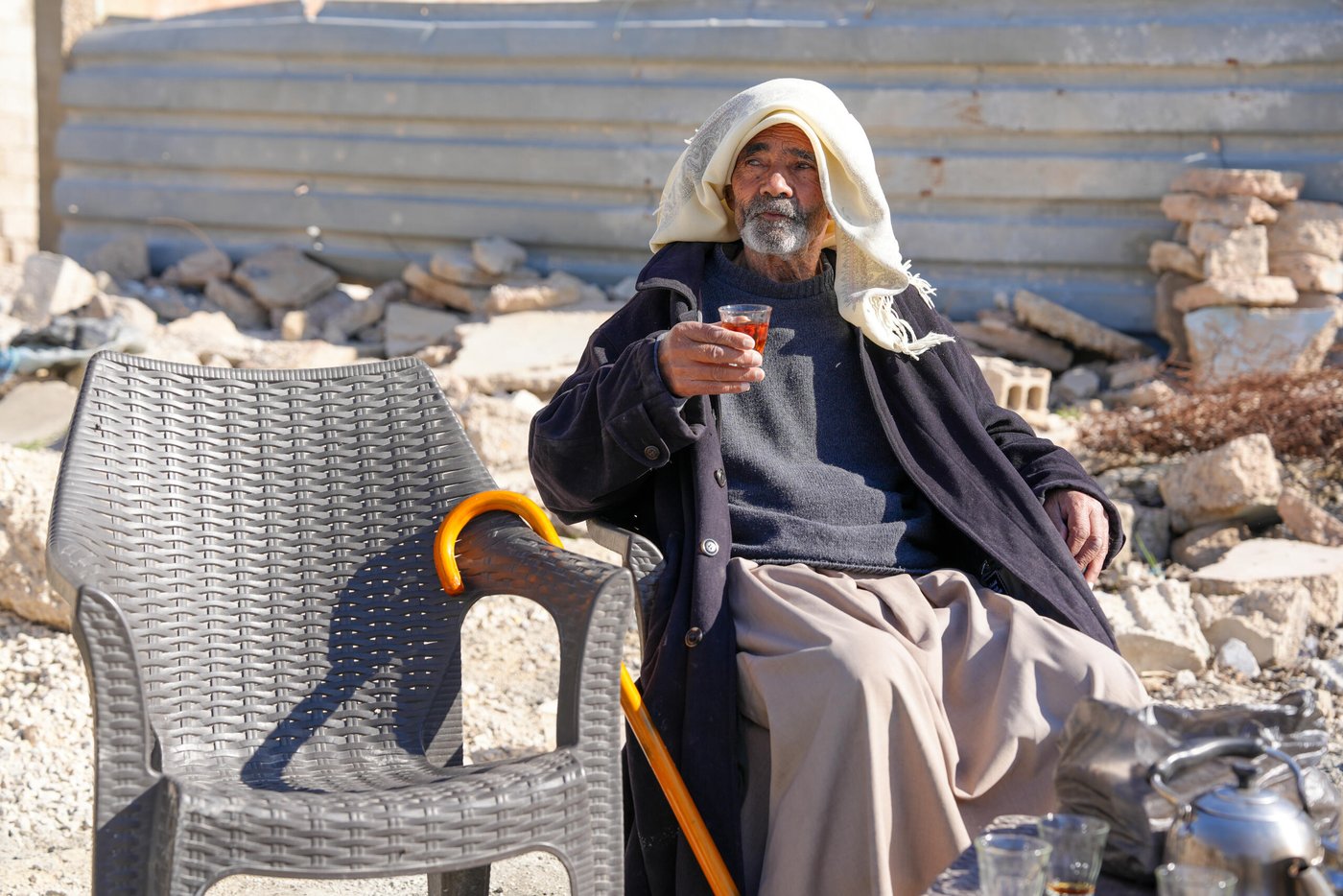
Families returning to their home areas find their homes and whole neighbourhoods in ruins. In some governorates, more than 70 per cent of people who returned home are living in damaged houses – unsafe conditions that raise the risk of being displaced again. Many families are living in a single habitable room of a partially damaged building, or in temporary accommodation with relatives. Repairing homes remains difficult, as high material costs and a lack of organised support limit how much damage families can fix.
Shelter remains one of the most critical gaps impacting safe and dignified return of displaced people. At least 6.2 million Syrians need shelter repair, and 79 per cent of the damaged housing is repairable.
We are working alongside families to repair damaged homes and provide cash assistance, helping them gradually recover.
2. Missing civil documentation and property disputes
4.1 million Syrians, especially returnees, face challenges accessing legal documentation and housing, land, and property rights - due to destroyed homes, lost title deeds, and secondary occupancy - which are undermining safe and dignified returns.
A recent assessment from the Norwegian Refugee Council (NRC), covering nine governorates, found that more than 6 out of 10 families have at least one member lacking key civil documentation. Gaps are particularly high among returnees from abroad.
Without identity documents, families cannot register for assistance, enrol children in school, access health services, or legally reclaim their homes and land. This issue acutely affects women-headed families, particularly in conflict-affected neighbourhoods where widowhood is widespread.
Through our information, counselling and legal assistance (ICLA) programme, we are helping families obtain the civil and identity documents they need to access services and reclaim their homes, land and property rights.
3. Unexploded ordnance and physical danger
Widespread unexploded ordnance remains a critical threat to returnees, displaced people, and agricultural workers. Syria is ranked the second most contaminated country in the world. Incidents from unexploded ordnance are not only one of the major causes of civilian harm, but are also undermining recovery efforts, including agricultural livelihoods and the return of displaced people.
4. Lack of basic services and infrastructure
Many families are returning to locations with limited availability of basic services including education, healthcare, electricity and water and sanitation services.
Education gaps are widening. Increased pressure on schools, driven by population growth and rising demand for services in areas of return, means almost one in three children are out of school or rarely attending, and one in 10 is at risk of dropping out. Meanwhile, over 8,000 schools (30 per cent) are non-functional.
Access to other essential basic services remains constrained for Syrians across all sectors. Only about 57 per cent of hospitals and 30 per cent of primary health care centres are fully functional.
At the same time, up to 12 million Syrians have limited access to water and sanitation services, with displaced people hit hardest – at least 70 per cent of camps lack piped water, and half have no sewage connections.
Across these sectors, our teams are working to rehabilitate schools and water and sanitation infrastructure, helping restore access to essential services for returning and displaced families.
5. Living in poverty
Most returnees can't find formal jobs and rely on irregular or daily labour instead. More broadly, Syrians are still dealing with the long-term economic damage of more than fourteen years of crisis. At least a quarter of the population now lives in extreme poverty.
More than 13 million Syrians are food-insecure, with about 7.2 million acutely food-insecure, of whom 700,000 are severely food-insecure.
With cash assistance and vocational training, we are helping families meet immediate needs while building sustainable incomes for the future.
Sign up to our newsletter for regular updates on the global refugee situation.
