
For families fleeing conflict in Sudan, arriving in South Sudan marked the end of one journey but the beginning of another. Thousands of returnees crossed through the Joda border into Renk carrying painful memories of violence, displacement, and separation from loved ones. Most arrived with few possessions, having left behind their homes, livelihoods and assets.
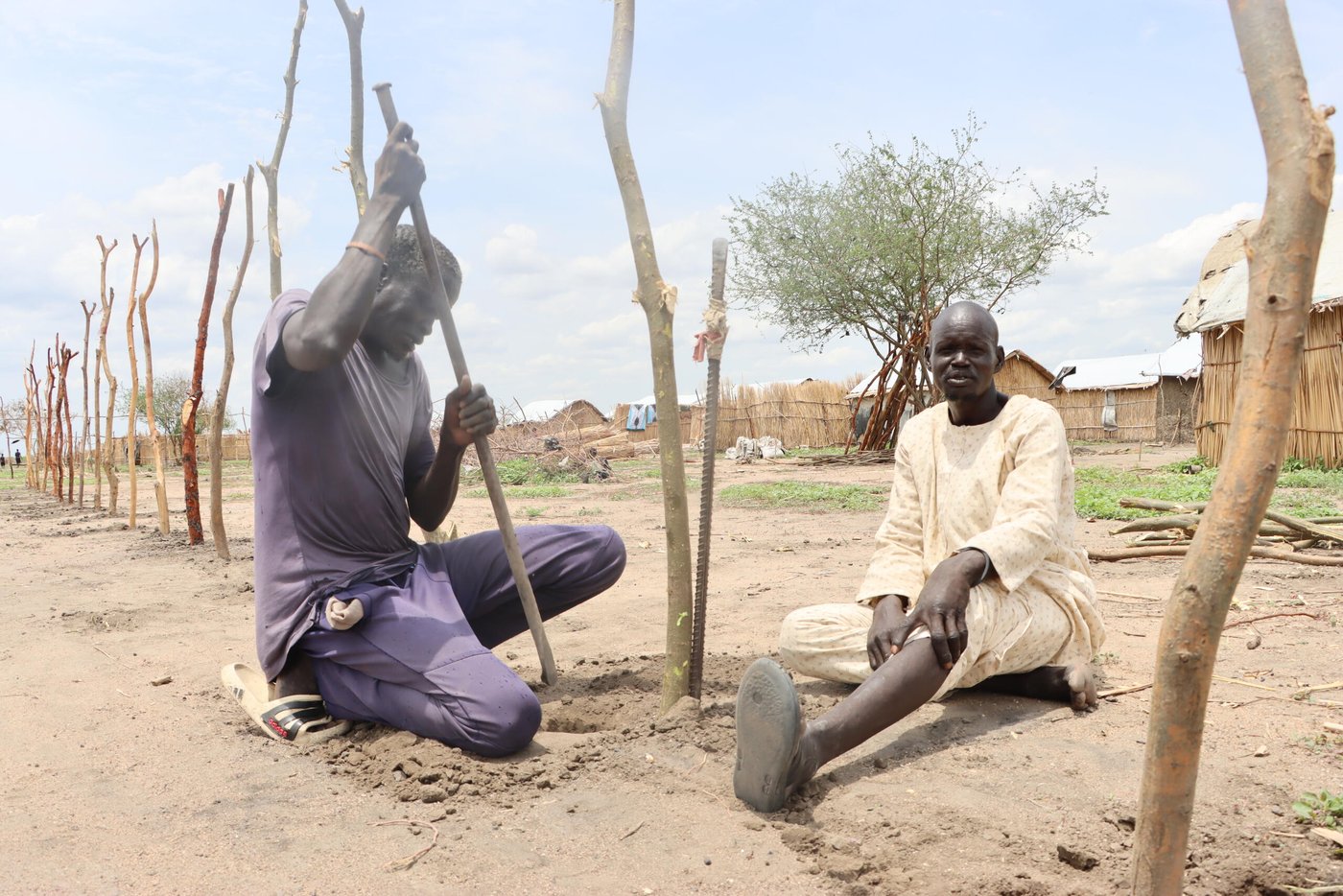
Home again in Abukadara
Upon arrival, many families found temporary refuge in communal shelters at transit centres in Renk. While these offered immediate safety, conditions were difficult. Each shelter, measuring just 16m by 8m, housed 20 to 30 people, leaving little room for privacy or wellbeing. Overcrowding, poor sanitation and restricted economic opportunities compounded the daily struggle.
To address these challenges and support long-term solutions for displaced families, the Norwegian Refugee Council (NRC), with funding from the Swiss Agency for Development and Cooperation (SDC) provided cash to 508 families for shelter construction on government-allocated land at the Abukadara returnee integration site. NRC facilitated land demarcation, clearance and plot allocation for the integrated families, with each receiving a 10m by 20m plot for permanent settlement.
This intervention has transformed the lives of hundreds of families, giving them secure homes with privacy and safety, access to basic services and land to rebuild their futures.
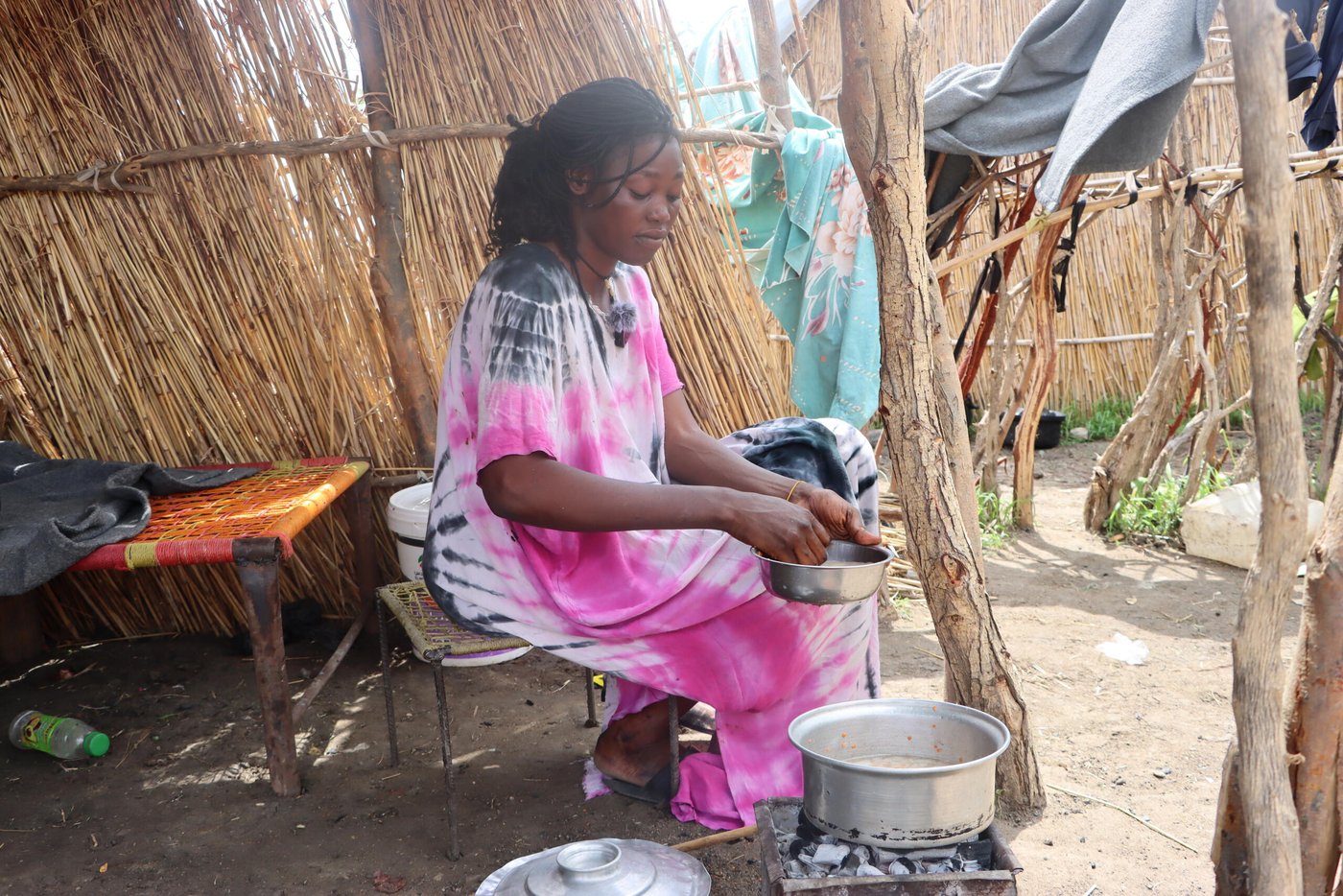
A safe place to call home
Rania, who returned from Sudan with her family, now lives in a shelter she constructed using the cash she received from NRC.
Life in the transit centre was challenging due to overcrowding and inadequate living conditions. Today, Rania describes a very different reality.
“Here, my family and I are living happily, unlike in the transit centre where there was too much congestion and very little space,” she says.
Having a shelter of her own has given Rania the space and privacy needed to care for her family. She can now prepare meals in a clean and safe environment and no longer worries about the unhygienic conditions she previously faced.
The shelter has also provided greater protection during the rainy season, reducing exposure to flooding and health risks that were common in the transit centre.
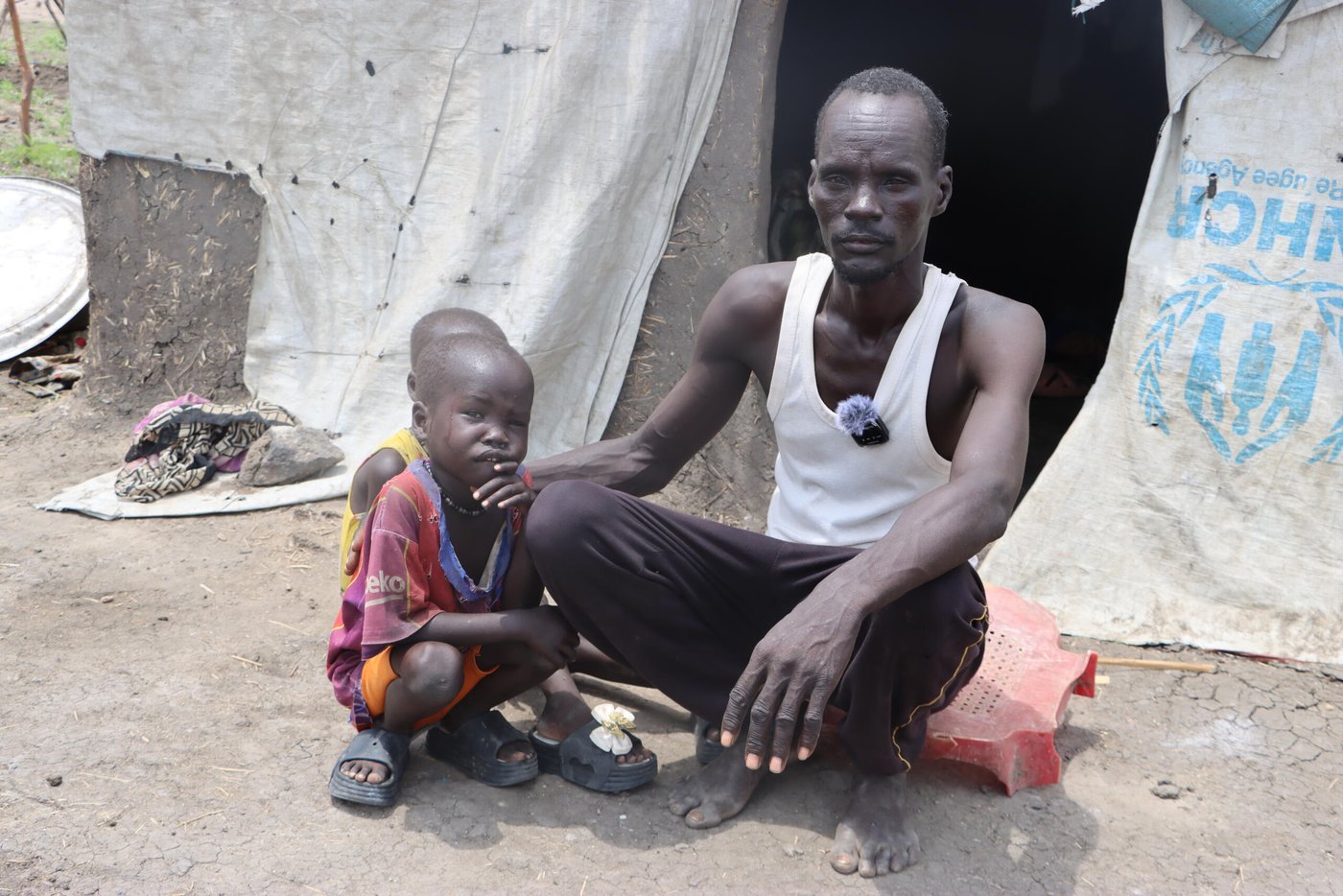
For John, a returnee from Bentiu who arrived in Renk in 2024, the most significant change has been the restoration of privacy and family unity.
During his time in the transit centre, sharing crowded living spaces with many other families left little room for normal family life.
“The difference between living in the transit centre and living here is that everyone has their own home and can stay with their family without disturbance from others,” he explains.
Today, John's family enjoys the security and comfort of their own shelter. Having a safe home has allowed them to focus on recovery, stability and planning for the future.
Creating opportunities for self-reliance
Beyond shelter, the project has helped returnees rebuild livelihoods and regain independence.
John, a returnee from Unity State, says the combination of shelter, land and access to water has created opportunities that did not exist in the transit centre.
“Being given land, shelter, and access to water services means there is now breathing space,” says John.
With land of his own, John can now farm and pursue other ways to support his family.
“There is peace of mind in this place,” he says. “I have enough space and the freedom to collect firewood, make charcoal, and do other work to provide for my family.”
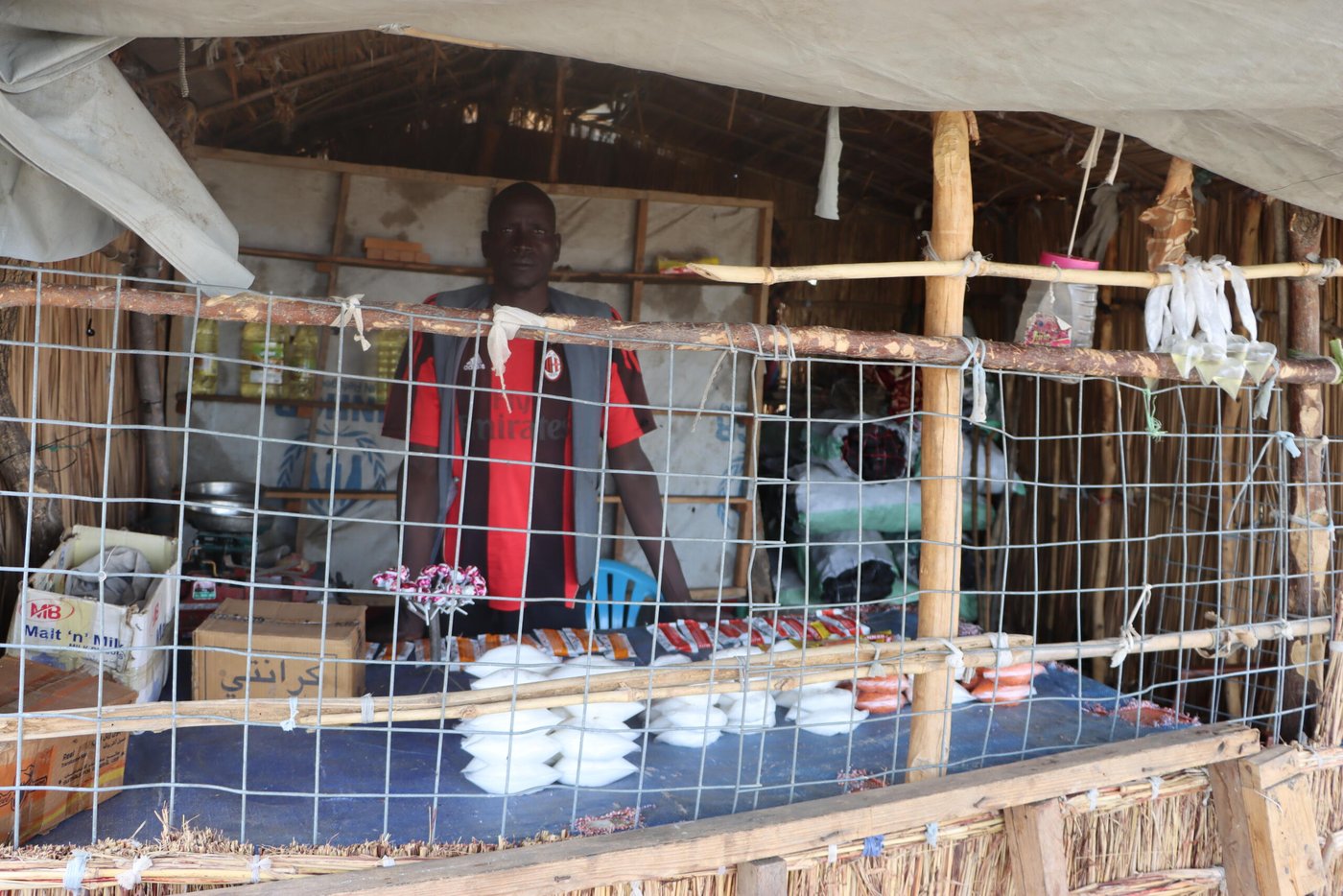
From the market to a home of his own
For Michael, the shelter represents a life-changing opportunity after years of hardship.
After arriving in Renk, Michael and his family spent two years without a permanent place to live.
“My family had no shelter for two years after arriving in Renk,” he says. “We were sleeping in the market. Ever since NRC allocated this place to us, I feel at home.”
Today, Michael has established a small shop that generates income and helps him provide for his family.
“The shop is helping me support my family and rebuild our lives," he adds.
Lasting impact
The shelter and settlement project in Abukadara has done more than provide physical structures. It has strengthened protection and created opportunities for hundreds of returnee families to rebuild their lives.
Sign up to our newsletter to read more stories from around the world.
