
Nigeria is home to one of Africa's largest humanitarian crises, yet it remains one of the world's most neglected displacement situations. While the country is often recognised for its economic potential, vibrant culture and growing influence, millions of people continue to face the impacts of conflict, displacement, hunger and inadequate access to basic services.
Five things to know about the humanitarian situation in Nigeria
Here are five things to know about the humanitarian situation in Nigeria.
#1 A conflict that began in the north-east is now affecting much of the country
Nigeria's current humanitarian crisis can be traced back to the Boko Haram insurgency, which began in the north-east in 2009. More than 17 years later, violence continues to devastate communities in Borno, Adamawa and Yobe states, forcing families from their homes and disrupting access to education, healthcare and livelihoods.
While the conflict first emerged in the north-east, insecurity has evolved and spread. Armed criminal groups in the north-west have carried out attacks, kidnappings and cattle rustling on a large scale, while farmer-herder and intercommunal violence in the Middle Belt continues to displace communities and claim lives.
Today, millions of people across northern Nigeria are living with the consequences of violence, making the crisis far more complex than a single conflict.
#2 Millions of people remain displaced
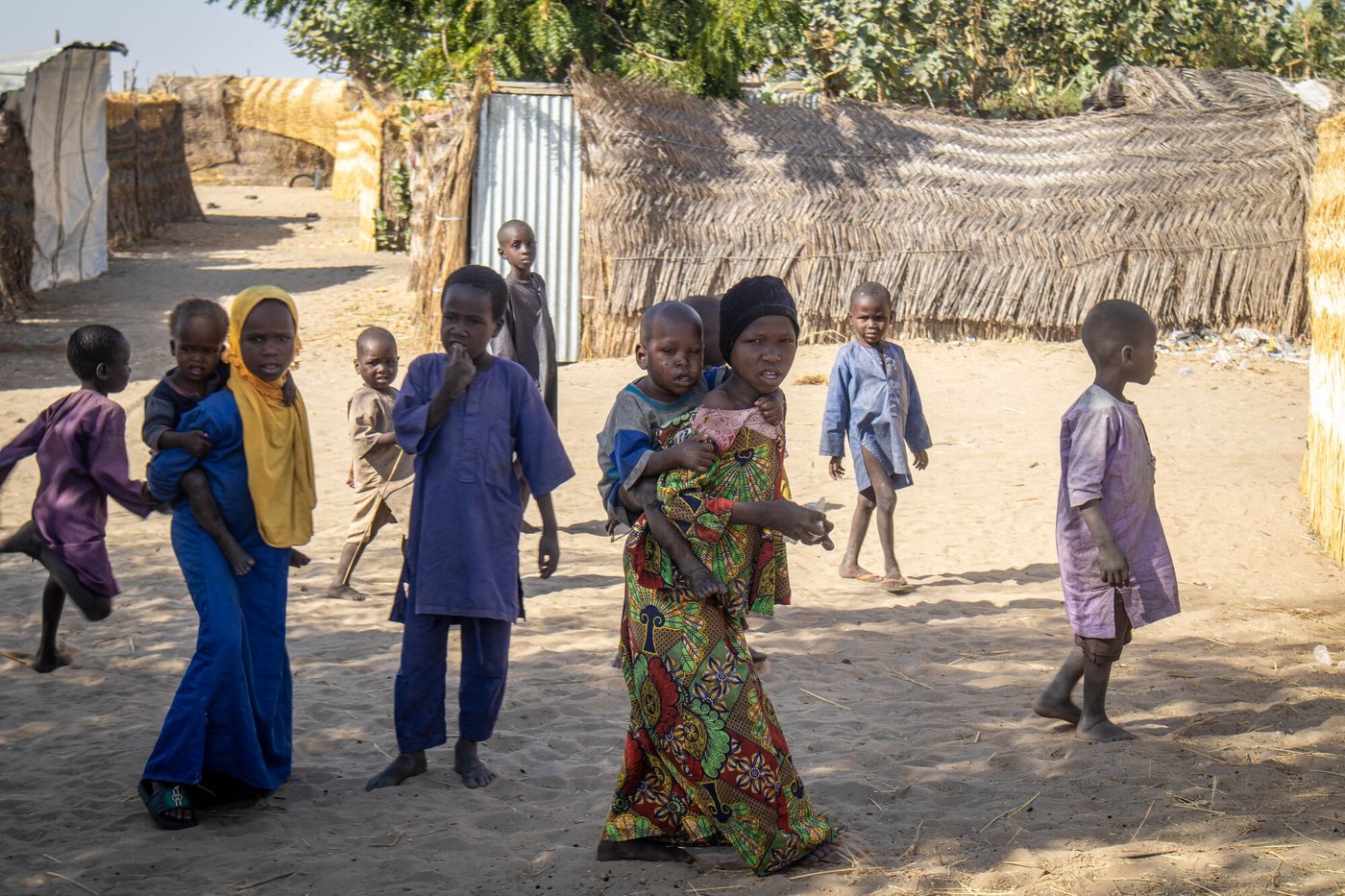
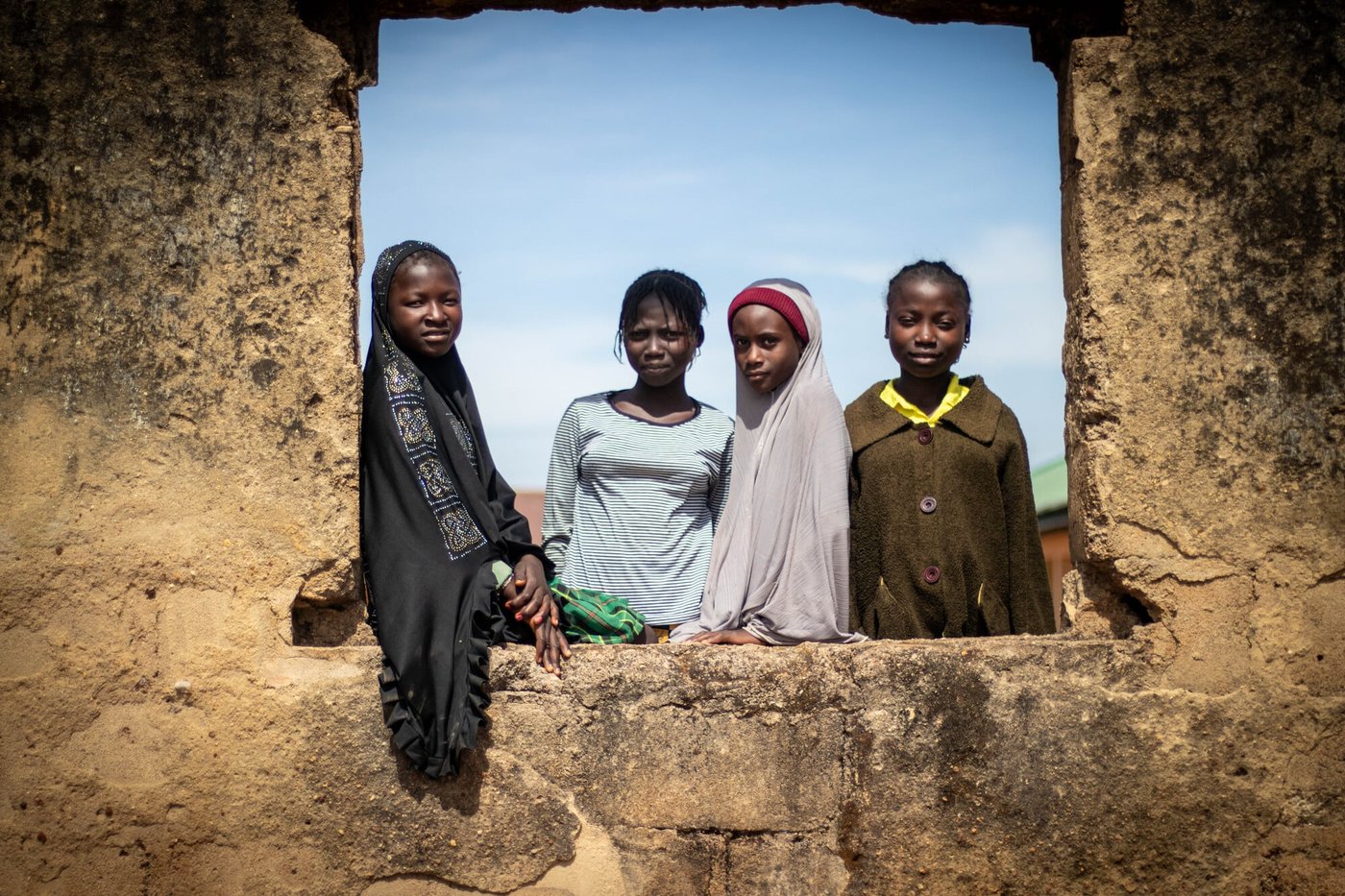
Years of insecurity have forced millions of Nigerians to flee their homes. Some have sought refuge in camps, while others live with host communities or in informal settlements.
Many displaced families have been uprooted multiple times as insecurity spreads to new areas. Beyond the immediate loss of homes and belongings, displacement often means losing access to farmland, businesses, schools and healthcare services.
According to the latest estimates, approximately 4.2 million people are displaced within and beyond Nigeria because of conflict and insecurity.
#3 Hunger is an emergency
Food insecurity remains one of the most pressing humanitarian concerns in Nigeria. Conflict has disrupted farming activities, limited access to agricultural land and markets, and reduced household incomes. Disruptions from climate disasters and rising food prices have compounded these challenges.
Families across affected areas are struggling to afford enough food, while many communities remain heavily dependent on humanitarian assistance.
Children are bearing the brunt of the crisis. More than six million children are projected to face acute malnutrition by September 2026, including two million expected to suffer severe acute malnutrition, a life-threatening condition that requires urgent treatment.
#4 Humanitarian needs are growing while funding is shrinking
An estimated 7.8 million people require humanitarian assistance in Nigeria, including support with food, nutrition, shelter, water, healthcare, education and protection services.
However, humanitarian organisations are facing severe funding constraints. Nigeria's humanitarian response was only 31 per cent funded in 2025, leaving significant gaps in assistance for vulnerable communities.
For 2026, humanitarian partners are seeking USD 516 million to reach just 2.5 million of the people most in need in Borno, Adamawa and Yobe states. This is far fewer than the number of people who need assistance. The reduced funding appeal does not reflect reduced needs. Rather, it reflects a global trend of shrinking humanitarian resources and increased prioritisation of the most urgent cases.
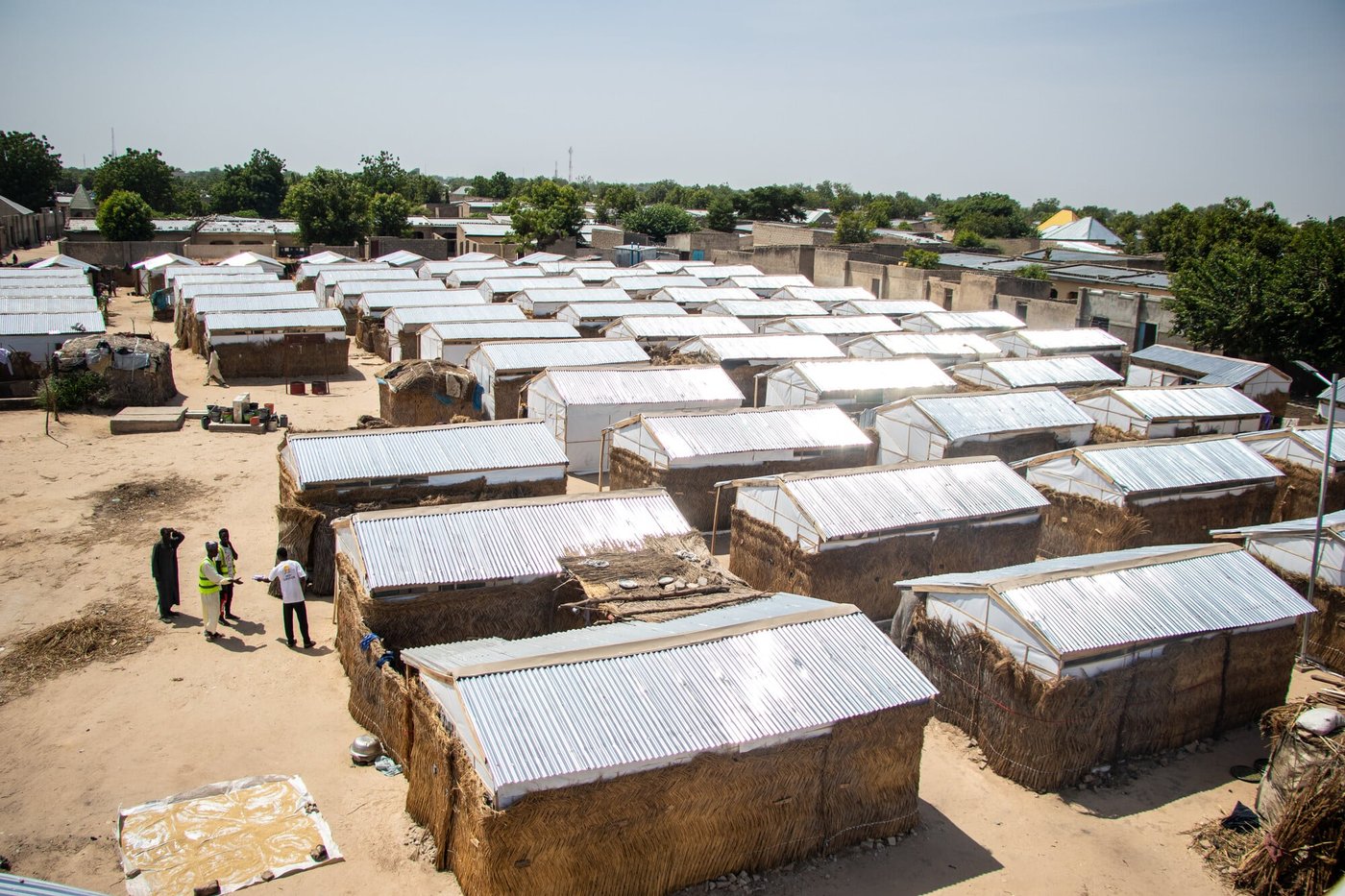
#5 Despite the scale of the crisis, Nigeria remains one of the world's most neglected emergencies
In NRC's most recent ranking of the world's most neglected displacement crises, Nigeria placed ninth. The ranking reflects a combination of limited international attention, insufficient funding and inadequate political engagement relative to the scale of needs.
Behind the statistics are millions of people trying to rebuild their lives amid uncertainty. Parents are struggling to feed their children, farmers are working to recover their livelihoods and communities are striving to regain a sense of normalcy after years of crisis.
Addressing Nigeria's humanitarian challenges will require sustained funding, greater international attention and long-term investments that tackle the root causes of conflict and displacement. Without these efforts, millions of people risk being left behind.
Looking ahead
Humanitarian needs continue to outpace available resources, and the crisis extends beyond the areas covered by the formal response plan.
Sustained international attention, adequate funding and long-term investments to address the root causes of conflict, displacement and food insecurity will be essential to ensure that millions of Nigerians are not left behind.
Despite the scale of the crisis, humanitarian organisations, local communities and authorities continue to work together to support displaced families, restore essential services and help people rebuild their lives. With sustained international attention, adequate funding and long-term investment, millions of Nigerians can recover with dignity and resilience.
Read more about the situation in Nigeria in our neglected crises report
