
The Daraa province in southern Syria has long been labelled as one of Syria’s historical breadbaskets. Despite years of conflict, displacement and other shocks, the region’s farmlands have maintained a sense of resilience manifested in high-quality produce, from wheat and olives to a variety of grains that fed other parts of the country.
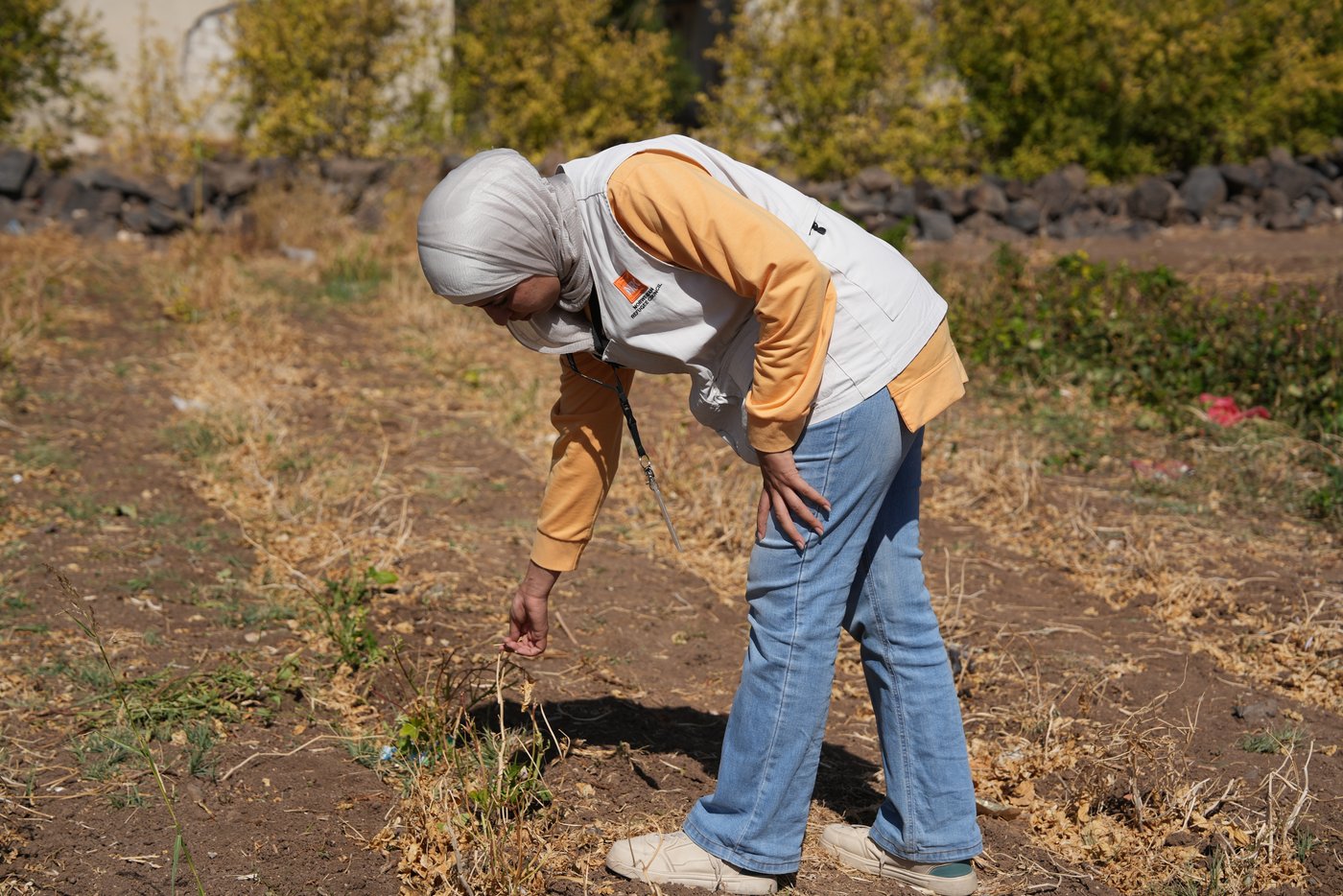
Dry Daraa pins hopes on generous winter to reverse crisis
Yet this season is different. A dry spell not seen in Syria for decades has left farmers counting their losses. Vast swathes of wheat fields have turned into cracked, impregnable sheets of soil as irrigation sources dried up and uninterrupted sprinklers gave way to water trucks.
The UN’s Food and Agriculture Organization (FAO) reports that last year’s wheat harvest, a staple for Syrian households, has fallen to its lowest levels on record. Rainfall for the 2024-2025 season were more than 50 per cent below average, a devastating fact yet to be offset by this season’s rainfall.
Farmers here tell us that when they started seeing water trucks and hearing the whirring of borehole drilling machines, they knew things had hit rock bottom.
It turns out that they had. Water levels at the Ain Dakar spring, which feeds seven surrounding western villages housing 50,000 people, had reached extremely low levels for the first time. Local farmers and residents had to cope, either digging wells or purchasing trucked water, both far-from-ideal, costly arrangements.
The result for crops is devastation.
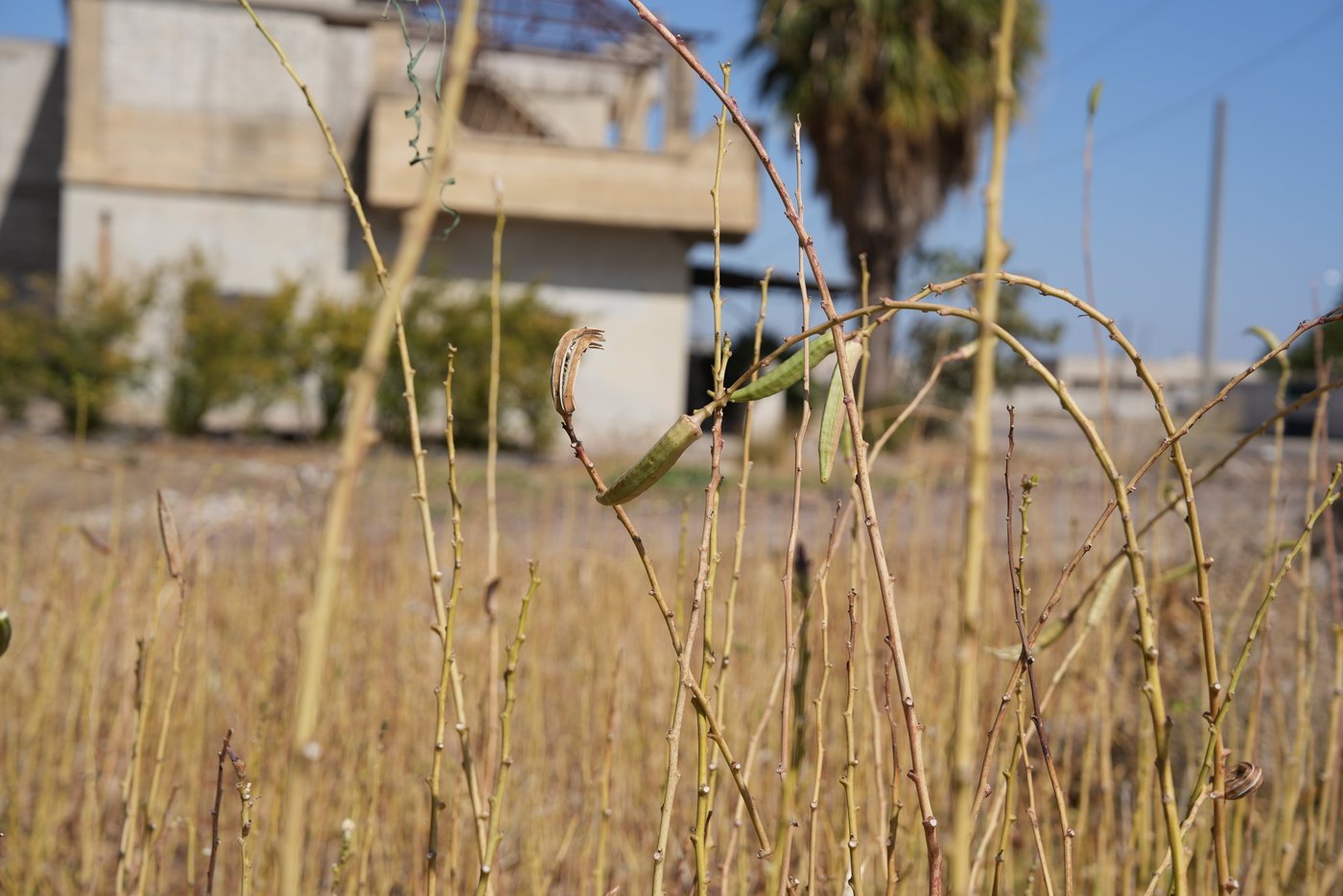
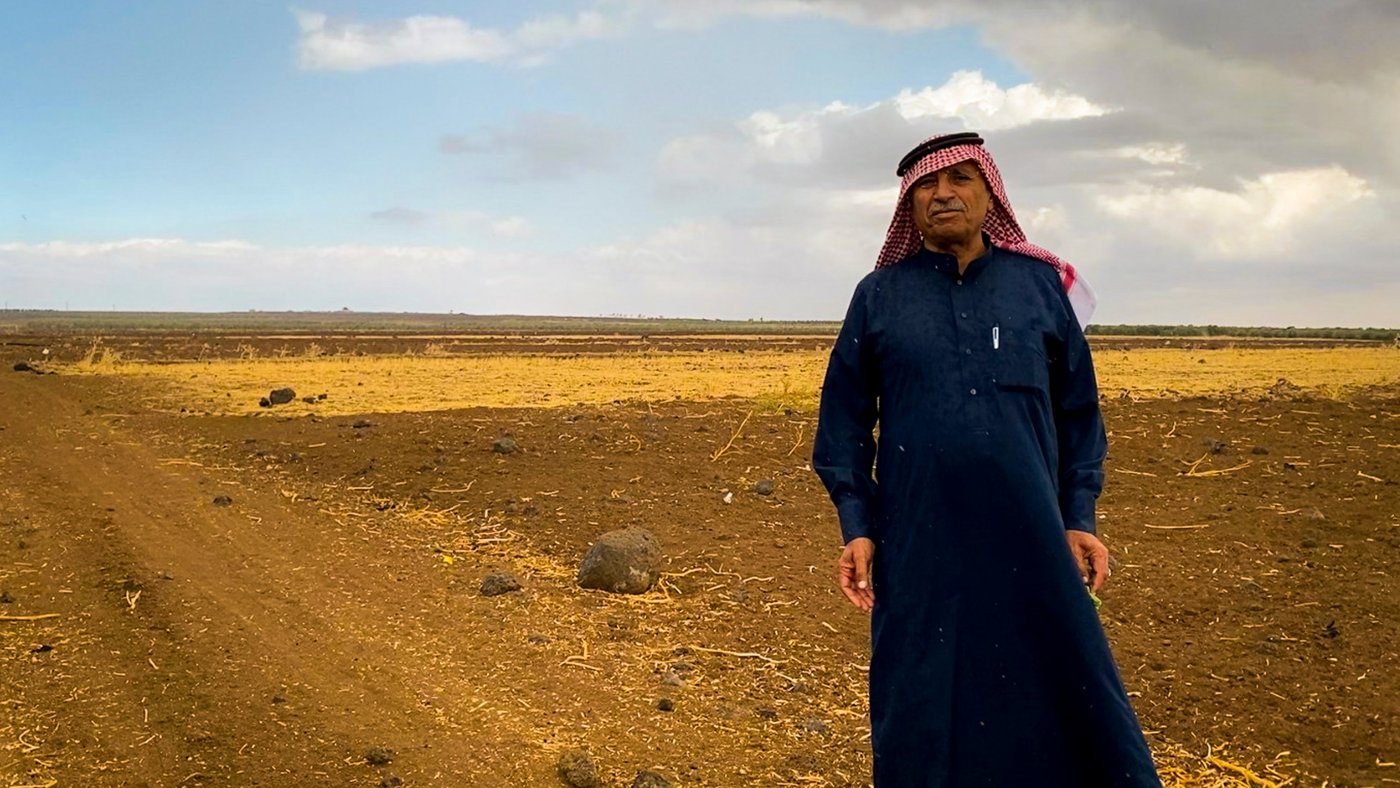
“We had good harvest last year. This year, it has all diminished,” Abdulrahman, a farmer who lived here all of his life tells us as he walks among scores of parched olive trees. “This year we had to truck water into the land. Last year we got water straight from the dam. There are no fruits at all. You wouldn’t see this if it were sufficiently irrigated or if it had seen normal rainfall levels.”
Abdulrahman expects this to be a catastrophic harvest season in terms of output, typically measured by the number of olive oil tins a land produces.
“The olives we relied on for years are almost gone,” says Abdulrahman. “We never imagined a year like this. Every day is a struggle to get enough water just to survive.” The drought has left the soil parched and crops drying out, forcing farmers to truck in water at high cost.
“Harvest was very good last year. Every 80 kilogrammes of olives made up around one tin [16 litres] of olive oil. Olives sold for around SYP 10,000-12,000 per one kilogramme. From 30 olive trees, I managed to make 22 tins of olive oil. This year, production is close to zero.”
A winter crisis
Here in Tseel, west of Daraa, the alarming crisis has affected at least 35,000 people, who now have to rely entirely on private water tankers to deliver water. Each tank costs around USD 12. An average family needs at least one tanker per week, which adds up to around USD 50 per month. This amount is equivalent to an average worker’s salary in the area.
The situation is compounded by a winter season expected to see additional heating and eating costs for families, further crushing already-dwindling incomes. The displacement of tens of thousands of people from As-Sweida and the return home of those displaced for a decade has only added to an existing humanitarian crisis. At the same time, people are pinning all hope on a very wet season.
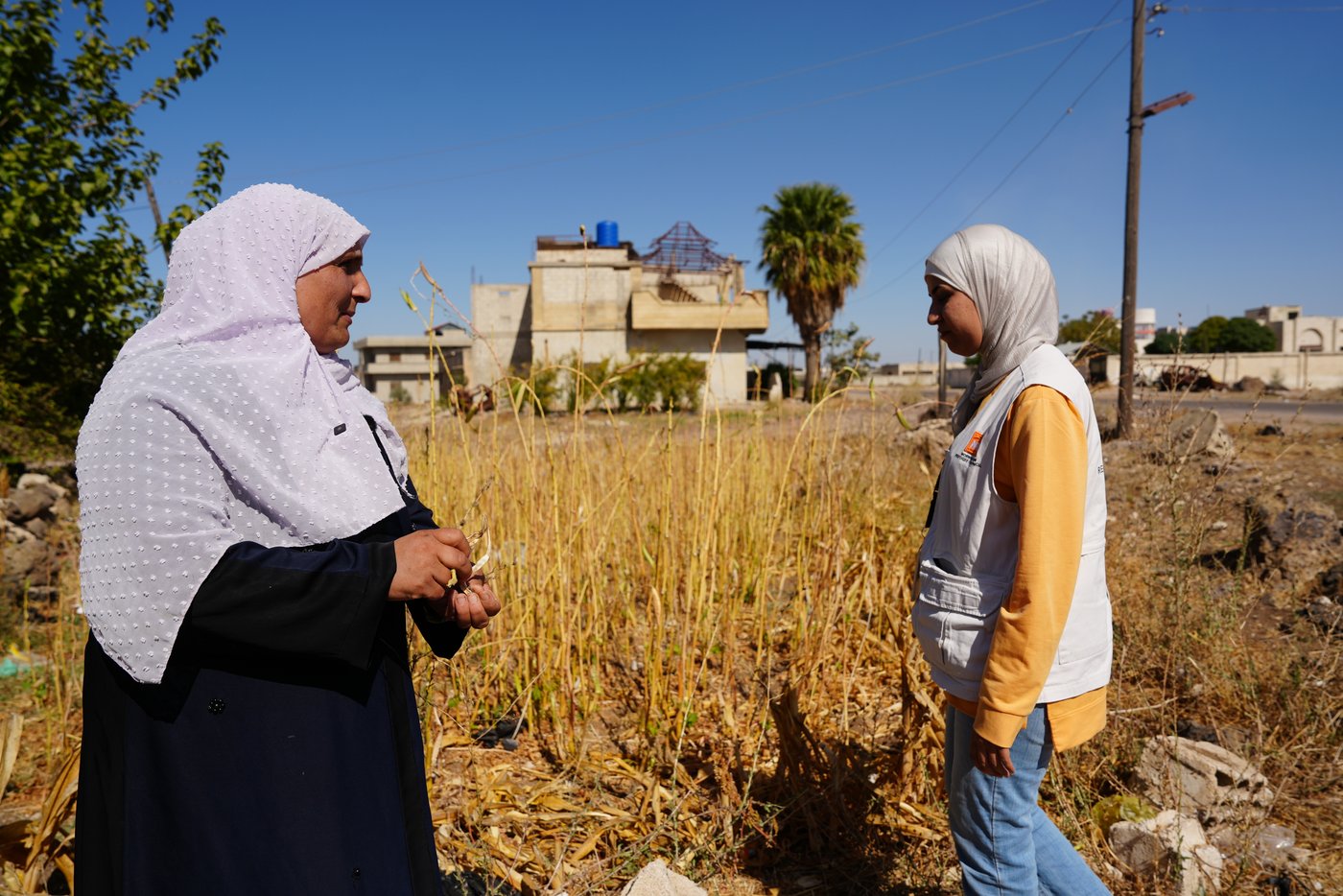
Water authority officials we spoke to told us about solutions that could provide a respite while farmers and families alike wait and hope for a more generous rainfall season. These solutions include drilling local wells, with approved studies and careful planning in place to prevent haphazard borehole drilling and further groundwater depletion. Other solutions involve rehabilitating damaged water networks and dams, and equipping wells with solar-energy systems to ensure reliable water access.
The Norwegian Refugee Council (NRC) plans to rehabilitate a water well in Tseel, installing mechanical and electrical equipment and connecting it to the town’s elevated water tank. But addressing this crisis requires sustained support from humanitarian organisations and donors. Funding is essential to restore water supplies, implement sustainable solutions, and help communities survive the drought while building resilience against future climate and conflict-related challenges.
This project is made possible by funding from the European Union Humanitarian Aid.
Sign up to our newsletter to read more stories from around the world.
