



Families are fleeing not war, but relentless criminal violence – and the world is barely paying attention.
“We understood that we had to run fast”
Astrid* and Miguel* hold together a family of six: their six-year-old son, two younger nephews, and a cousin. Twice, they have been forced to flee their home in Honduras because of violence.
The first time, they escaped with nothing but the clothes on their backs after finding a handwritten note slipped under their door: “You have 24 hours to leave. You can’t take anything with you.”
Miguel recalls: “We knew those 24 hours weren’t real. It was less time. And we knew they would come just to kill us.”
For months, they had paid extortion money to criminal groups who imposed weekly fees on their small store. When illness and broken equipment made it impossible for them to keep up the payments, the threats escalated. A neighbour’s family had been murdered for failing to pay. Astrid and Miguel understood what would happen if they stayed.
They fled to another city, three hours away, with no relatives and no resources. A church gave them shelter, and they started over. Ten months later, just as life seemed to stabilise, new threats emerged – criminal groups were trying to recruit their teenage nephew. Once again, they left everything behind.
Today, they live in fear but cling to hope, supported by emergency aid from the Norwegian Refugee Council (NRC) and determined to rebuild their lives.
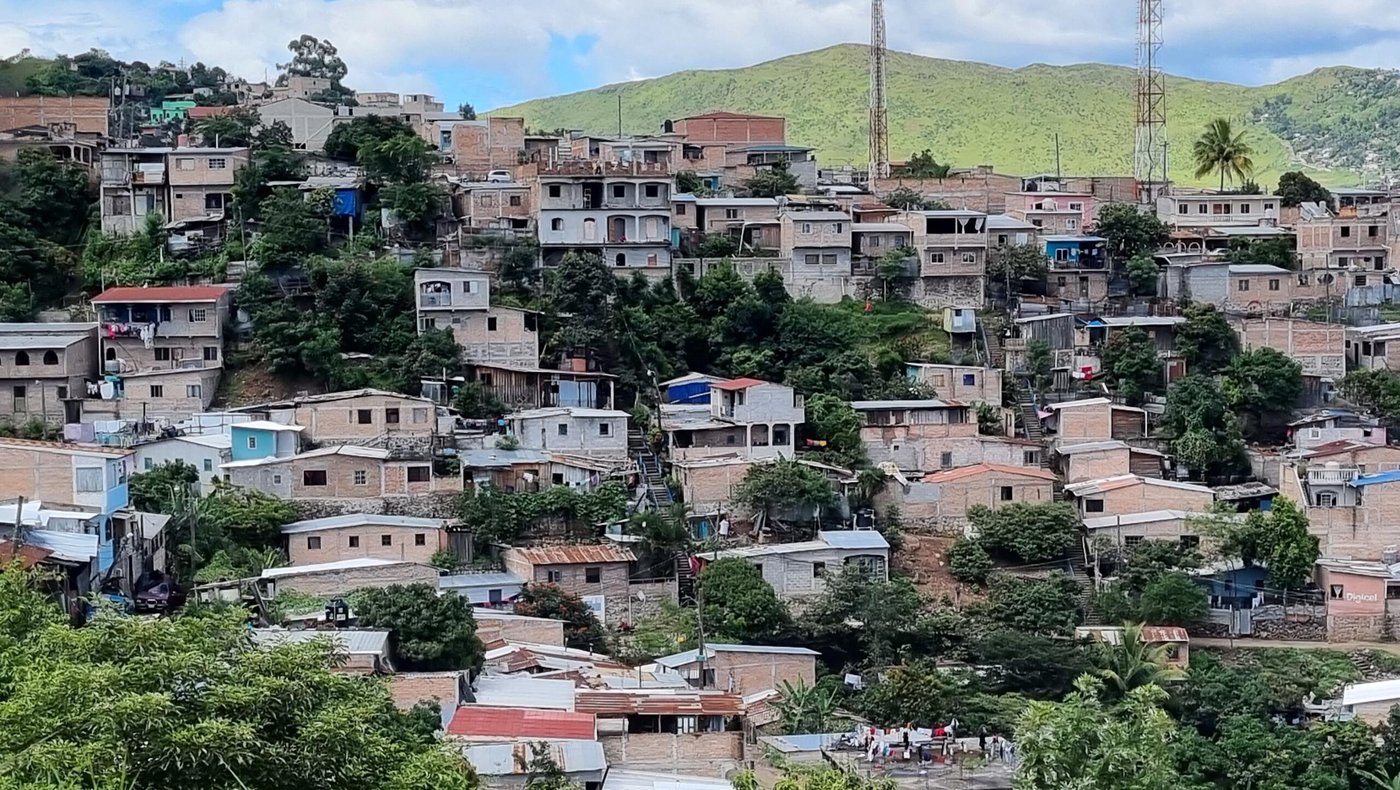
The scale of the crisis
Astrid and Miguel’s ordeal is far from unique. Across Latin America, thousands of families are being uprooted by violence that rarely makes the headlines.
According to ProLAC, a joint initiative lead by the Danish Refugee Council and NRC, 70 per cent of displaced people in Ecuador, Guatemala, Honduras and Mexico fled their homes because of violence and criminal groups. Many have been displaced multiple times, losing homes, livelihoods, and any sense of stability.
Unlike refugees crossing borders, most victims remain within their own countries, hidden from international attention. They seek shelter with relatives, move to precarious housing, or live in constant fear of being found. This invisibility makes it harder to mobilise resources and political will. The humanitarian consequences are staggering – and largely ignored.
Hidden frontlines
What drives people in Latin America to flee? Not bombs or tanks, but the unchecked violence of organised crime.
Families flee threats of kidnapping, forced recruitment of children, and extortion schemes that drain their income. Women face gender-based violence and sexual exploitation. Entire neighbourhoods fall under gang control, creating “invisible frontlines” where survival depends on compliance.
The International Committee of the Red Cross classifies these as “other situations of violence” – crises that fall outside the legal definition of armed conflict. Yet for civilians, the distinction is meaningless. The reality is brutal: stay and risk death, or flee towards an uncertain future.
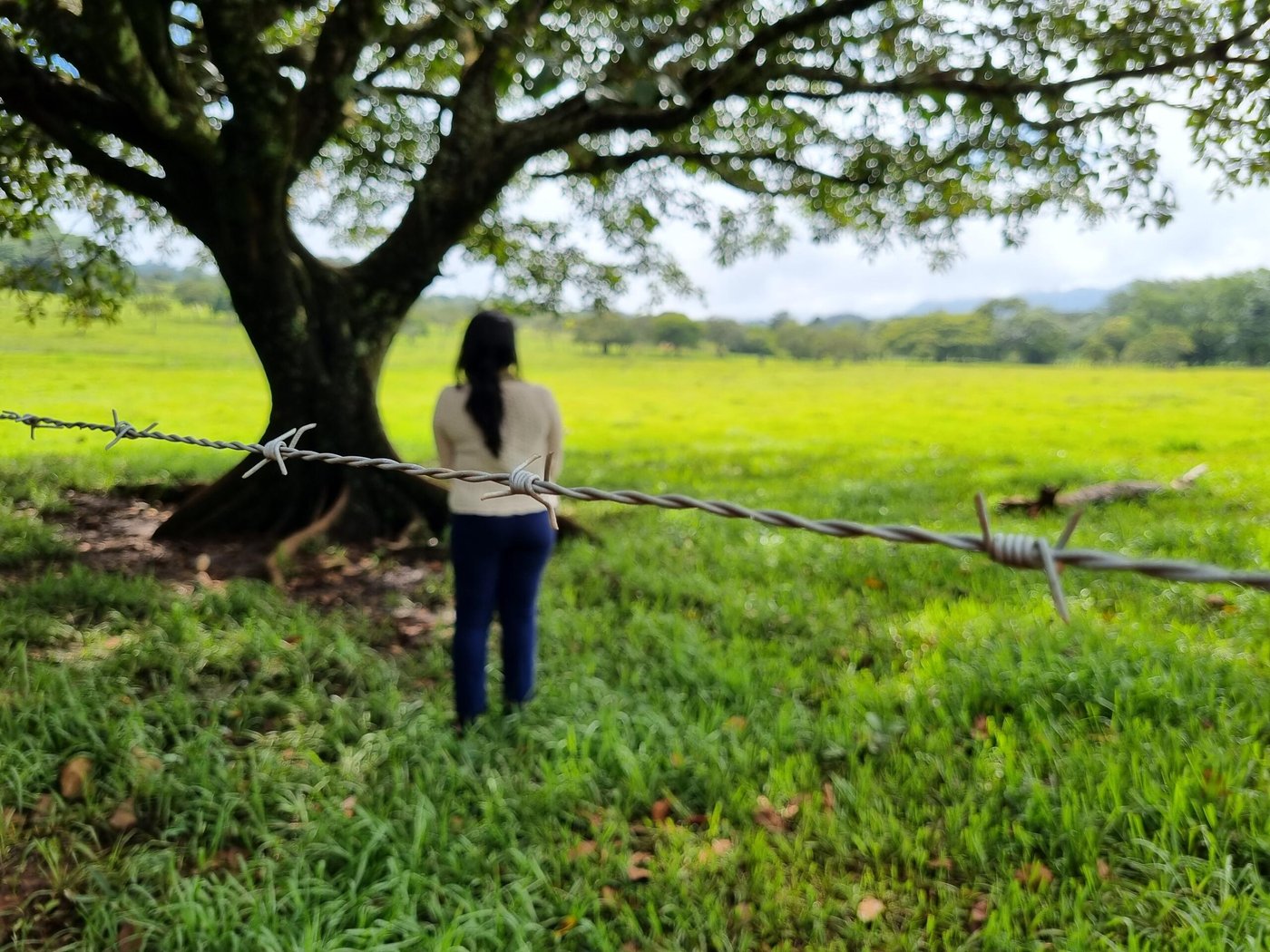
Lives in limbo
Displacement is not just a physical journey, it is a descent into uncertainty. ProLAC’s survey reveals that:
- Three-quarters of displaced families go into hiding, cutting ties with their communities.
- Half restrict their movement, fearing renewed encounters with gang members.
- One-third lose their income and the ability to support themselves, plunging deeper into poverty.
Children pay the highest price. Many drop out of school to avoid recruitment or violence on the way to class. Women shoulder the burden of survival, often without access to health care or legal protection. For families like Astrid and Miguel’s, displacement is not a one-time event but a recurring nightmare.
Protection denied: legal and policy gaps
Despite the scale of the crisis, legal frameworks remain weak or non-existent. Few countries in the region have laws recognising internal displacement caused by violence. This leaves hundreds of thousands of people without access to protection, housing, or psychosocial support.
Governments often treat displacement as a temporary inconvenience rather than a structural problem. Meanwhile, humanitarian organisations struggle to fill the gap with limited resources.
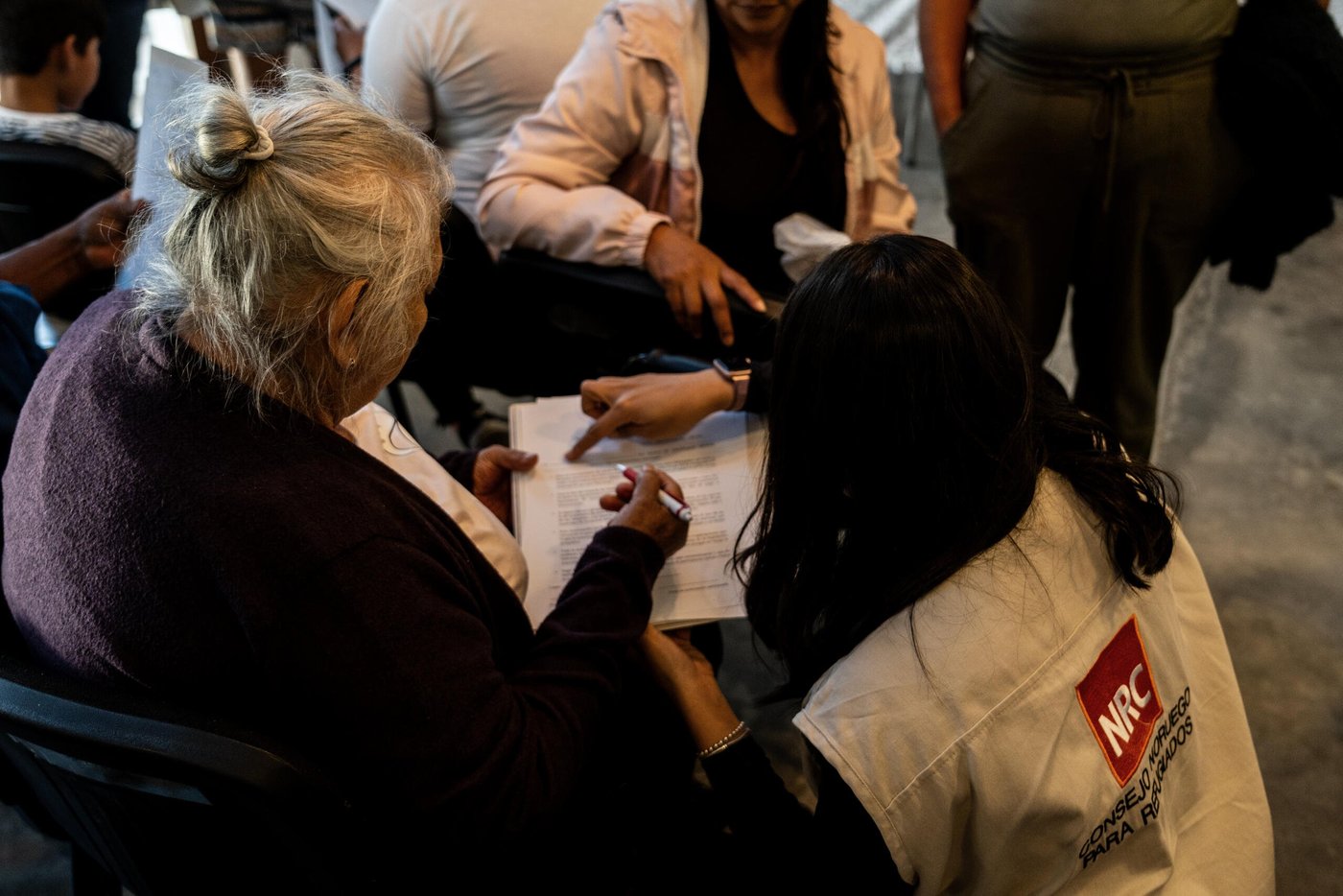
This situation has worsened since January 2025, when the United States suspended funding towards aid assistance. Without legal recognition, displaced families remain invisible in official statistics – and in policy priorities.
Breaking the vicious cycle
Violence-driven displacement doesn’t happen in isolation. It’s often the result of deeper problems like inequality, weak state institutions, and limited government support.
In places where governance gaps persist, criminal groups step in, creating their own rules and power structures. On top of that, climate disasters and economic instability make life even harder for families already struggling to stay safe.
This perfect storm perpetuates a vicious cycle: violence forces families to flee, displacement deepens poverty, and poverty makes communities more vulnerable to criminal control. Breaking this cycle requires more than emergency aid – it demands systemic change.

A call to action
Latin America’s displacement crisis is not inevitable – it is a failure of protection. Governments must recognise internal displacement as a humanitarian emergency and protection crisis and adopt legal frameworks that guarantee safety, justice and reparation to victims. International donors should prioritise funding for protection services, psychosocial support, and livelihood programmes.
ProLAC partners closely follow developments in displacement, highlight protection risks, and advocate for change. But we cannot do it alone. Addressing violence-driven displacement must become a regional priority, not an afterthought.
A future worth fighting for
Astrid dreams of a day when her children can walk to school without fear. A day when home is more than a memory.
Her strength in the face of adversity speaks volumes, but no-one should have to rely on strength alone to survive. It’s time to bring Latin America’s hidden crisis into the spotlight and take action before more families are forced to flee into the shadows.
* Names have been changed to protect the individuals’ identity.
About the survey methodology
This web article is based on a ProLAC report analysing data collected between 1 July and 31 October 2025 across four countries in Latin America: Ecuador, Guatemala, Honduras and Mexico. A total of 821 households and 2,584 individuals were surveyed across the four countries. In addition, 56 focus group discussions and in-depth interviews took place.
About ProLAC
The Danish Refugee Council (DRC) and the Norwegian Refugee Council (NRC), with support from European Union Humanitarian Aid, have created the ProLAC Initiative. This project offers a unified system for monitoring the protection risks faced by people forced to flee across Latin America.
ProLAC partners
In addition to DRC and NRC, the following organisations contributed to data collection for this report: Cáritas del Ecuador (on behalf of the EuroPana consortium), International Rescue Committee (IRC) in Mexico and Guatemala, Scalabrinian Mission in Ecuador, and Derechos Humanos Integrales en Acción (DHIA) in Mexico.
Sign up to our newsletter for regular updates on the global refugee situation.
