
When girls start their period, they experience changes that are more than biological. In communities where deeply rooted cultural beliefs and taboos surround menstruation, girls often stay home during their periods, falling behind in school.
Breaking taboos in the classroom
The World Bank estimates that globally, over 500 million people lack access to proper menstrual health resources. In many regions, girls are often unprepared for menstruation before experiencing it for the first time. In refugee settings, these challenges are more pronounced.
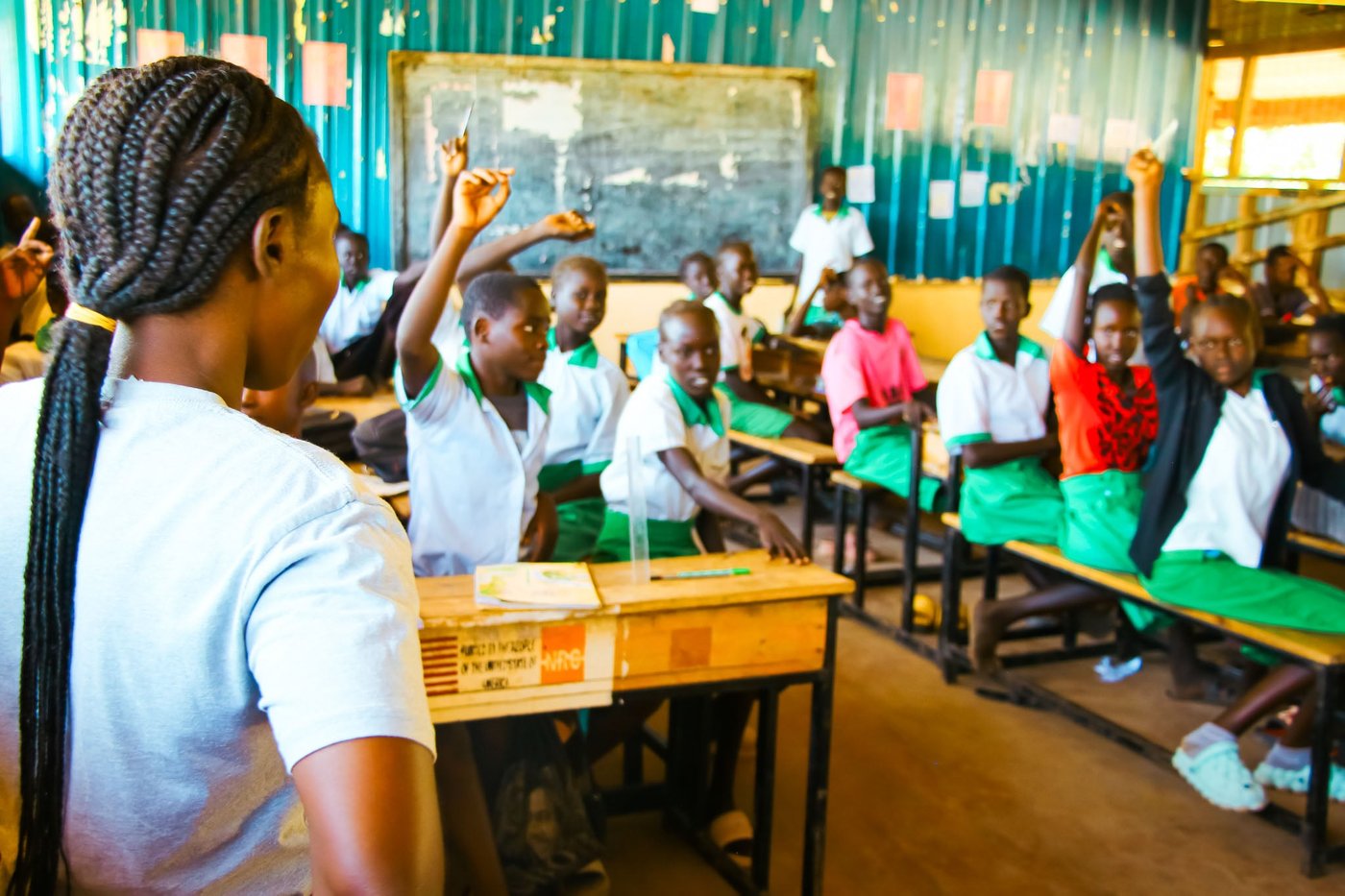
At Kalobeyei Settlement Accelerated Education Programme (AEP) School, Kakuma, one teacher is working to change this narrative. Christine Natima Lino, a refugee teacher from South Sudan has taken on the role of a Menstrual Hygiene Management (MHM) guide, helping learners navigate a topic that is often considered unmentionable. She has been a teacher for three years. She took up MHM sessions as she saw learners undergo shame and needed to break the silence, help raise awareness and promote healthy practices. Before the introduction of MHM sessions, she witnessed firsthand how cultural restrictions kept girls out of school.
“Before, I taught a girl that attended school regularly, but a time came when she started missing classes and staying isolated,” she says “It all started with her first period. She lacked support because they didn’t talk about it at home. This forced her to stay at home and only come out when no one is around.”
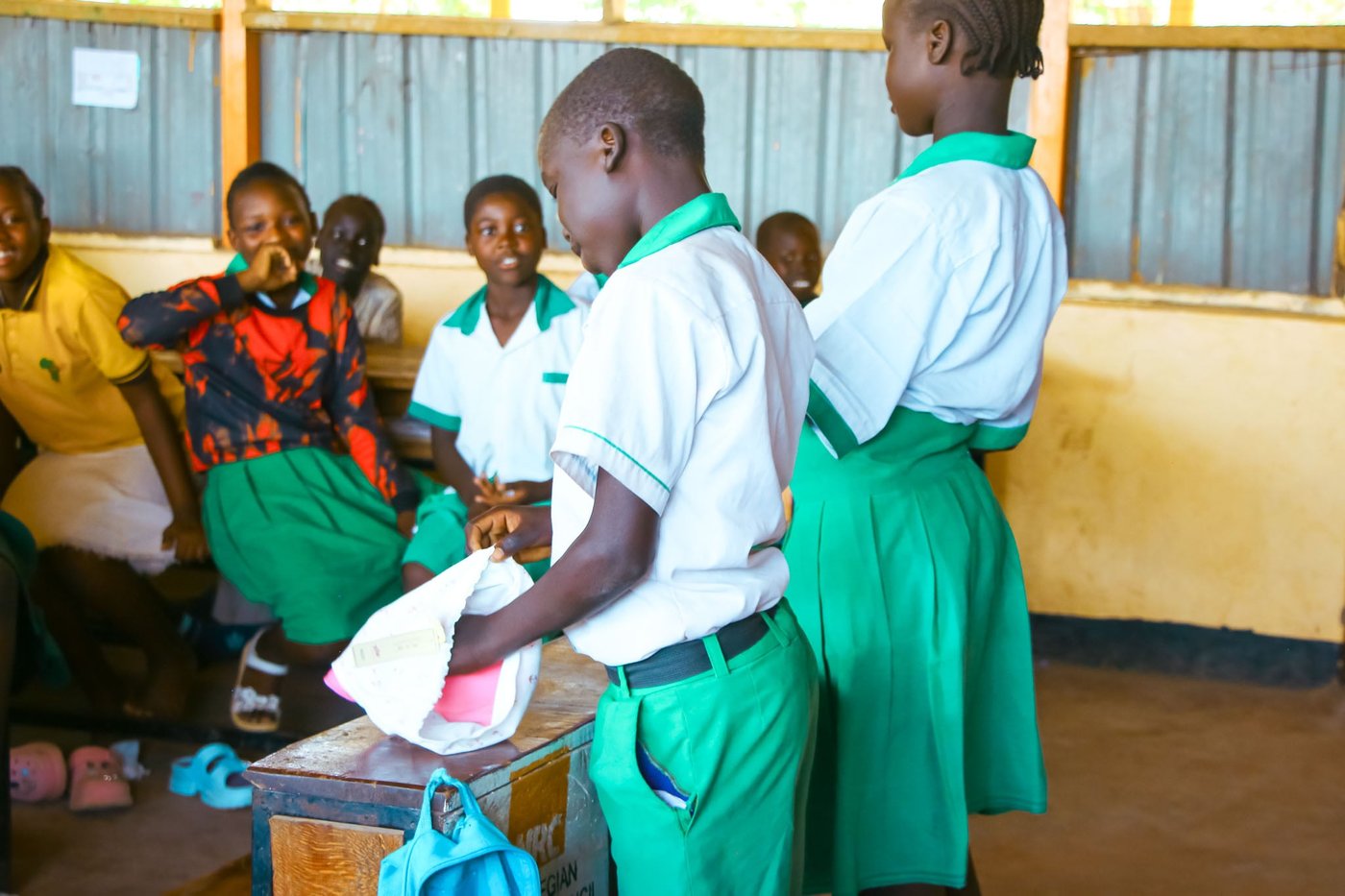
The stigma extended beyond girls. In many cultures and religions, boys are discouraged from learning about menstruation and touching menstrual products. This is different for Christine’s learners.
In her classroom, both boys and girls participate in the MHM sessions. By doing this, Christine and her learners are deconstructing misconceptions. The shared understanding also changes how boys to girls treat each other.
“Seeing both boys and girls participating during the session makes me feel motivated and have a positive mindset that menstrual health management can be addressed and girls can be supported and respected as they go through their cycles,” Christine says.
The impact of this is visible. Students actively engage in discussions and participate in practical demonstrations. The impact is spreading beyond the classroom. Learners are sharing knowledge with their peers outside school and their families, challenging harmful norms and encouraging healthier practices.
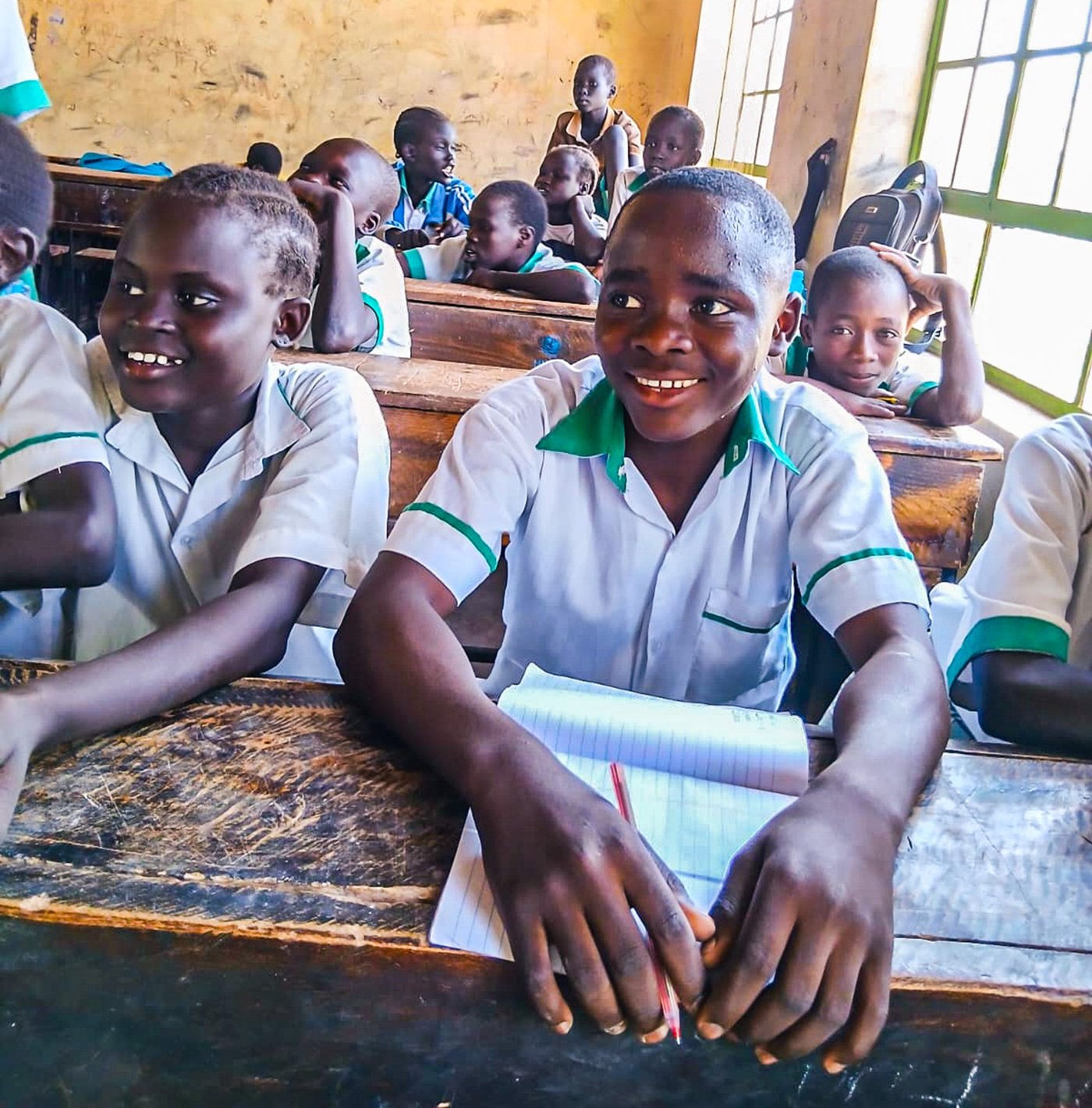
Amani Justin, 15, who is a student of Christine's, narrates how his mindset on changes in puberty shifted and how he now cascades his knowledge.
"After learning MHM, I had to teach my friends what they can do to take care of themselves during puberty. After that, they teach their sisters and their friends,” says Amani.
The school, together with the other AEP schools receive menstrual hygiene kits from NRC. Some of these kits are used during the MHM training sessions, while the remaining kits are distributed to girls for personal use during their monthly cycles. Christine strongly believes that integrating menstrual health education is critical for every school.
“Schools should invest in this kind of education. It reduces absenteeism, corrects misconceptions and builds self-awareness and self-esteem.” she says.
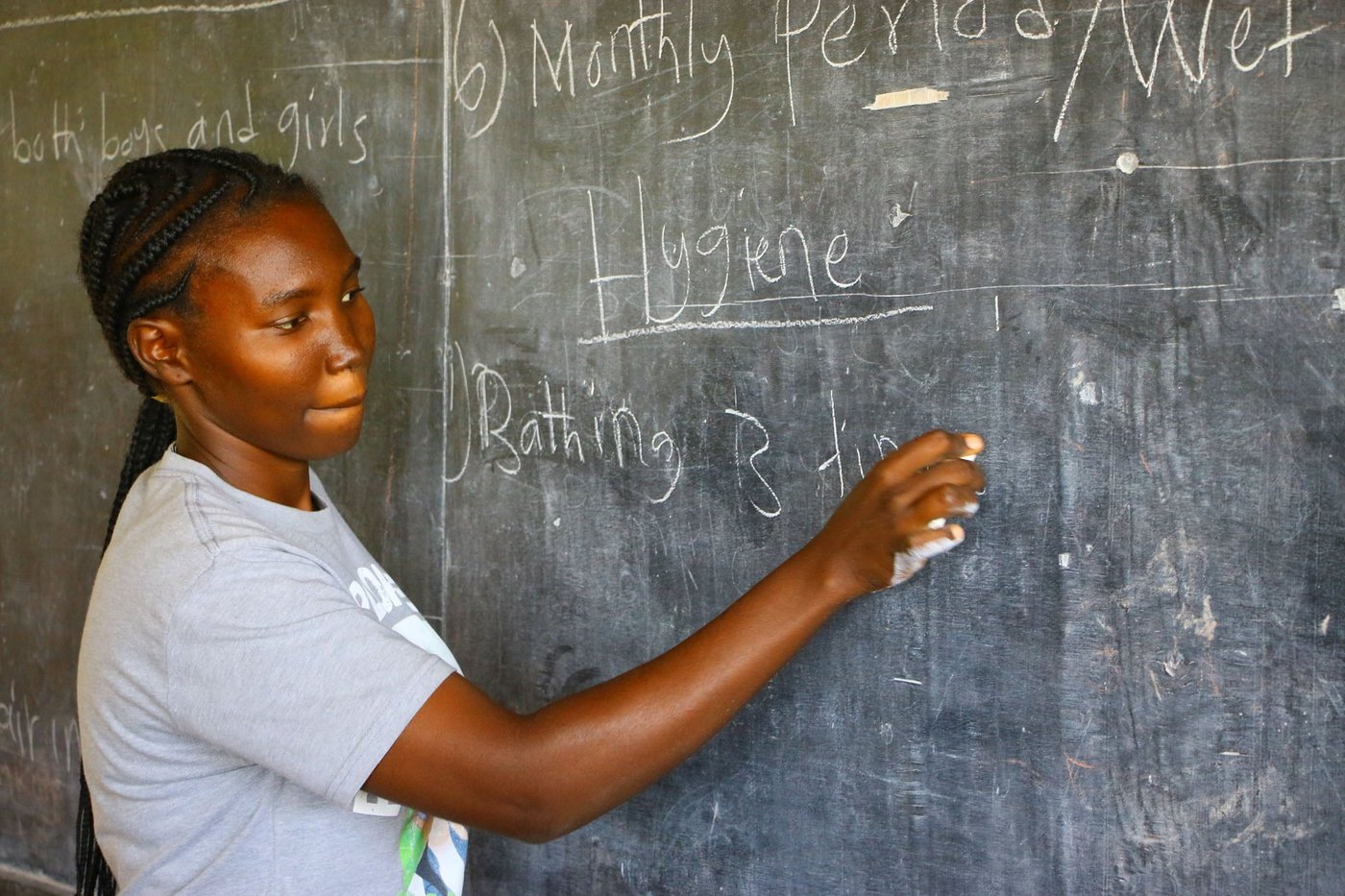
By spreading awareness on menstruation to both boys and girls, teachers like Christine are ensuring that every child grows up informed, respectful and empowered.
Sign up to our newsletter to read more stories from around the world.
