


From Khartoum to Kordofan, from Darfur to Eastern Nile, families are arriving daily in Aweil East, South Sudan, carrying trauma, grief, and with a determination to survive.
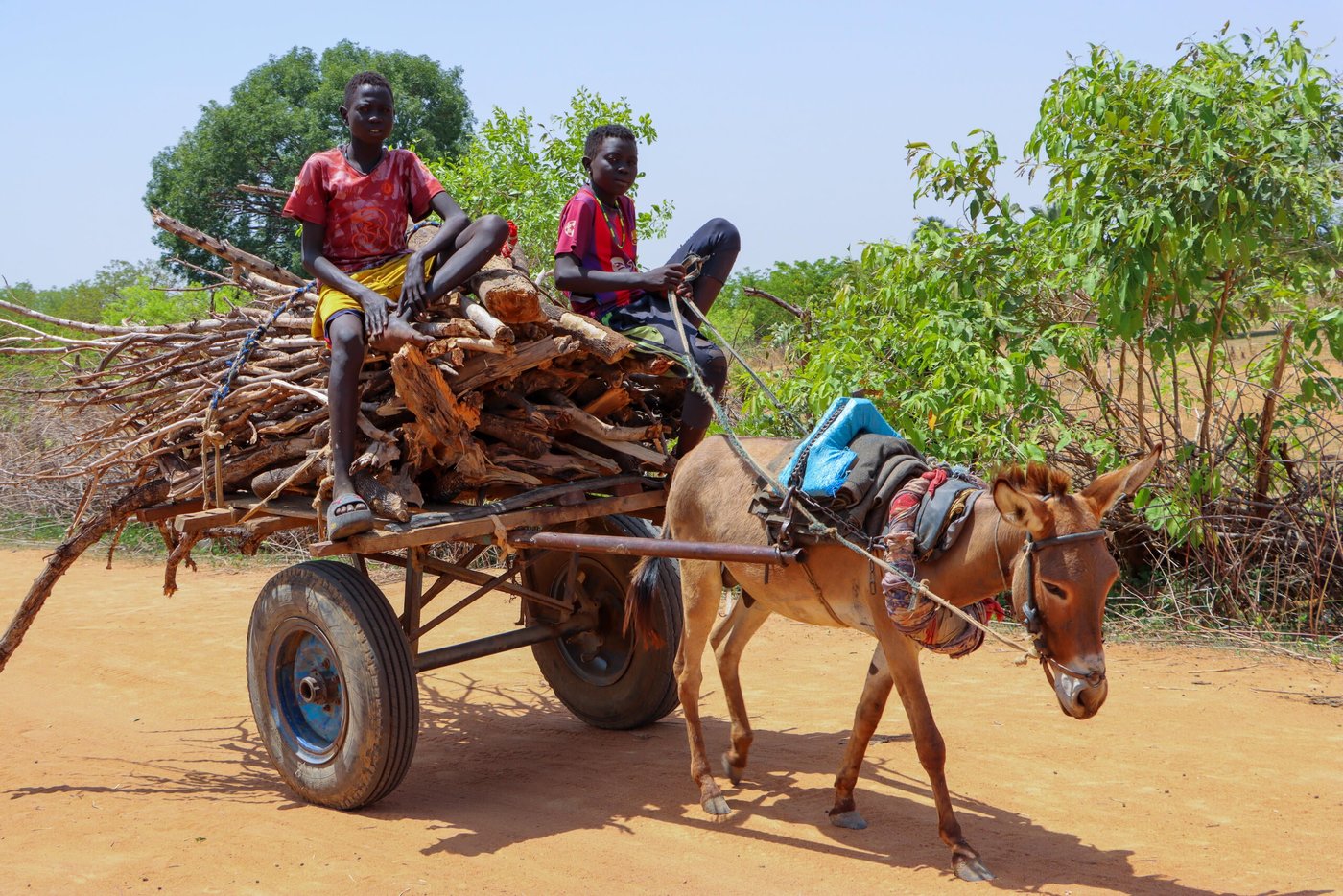
Arriving in South Sudan with nothing but their stories of survival
Caught in the war between the Sudanese Armed Forces and the Rapid Support Forces, civilians have been bombed, robbed, separated and killed. Those who survived the journey have arrived with almost nothing.
These are their stories.
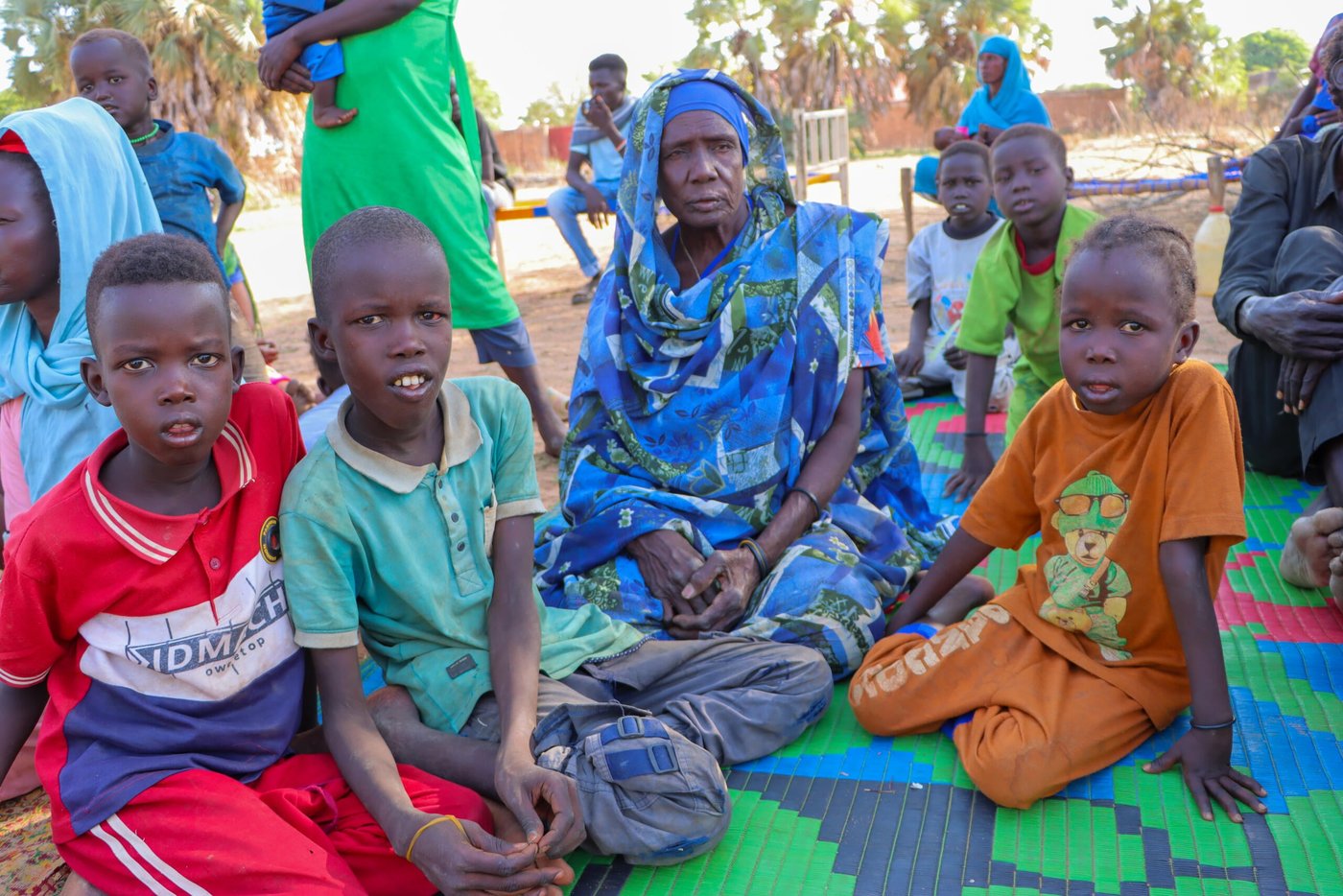
Nayut
Nyanut arrived in South Sudan in April 2026. Taken to Sudan as a child, Nyanut spent 54 years in Western Kordofan before the conflict tore everything apart.
She crossed back into South Sudan with her three grandchildren: Kuot, Lual, and Anoon.
"My son, Garang Wol, was killed. My daughter-in-law's whereabouts remain unknown. I do not know if she is alive or dead."
Arriving in South Sudan she had no food, no water, no medicine and no memory of which village she once called home.
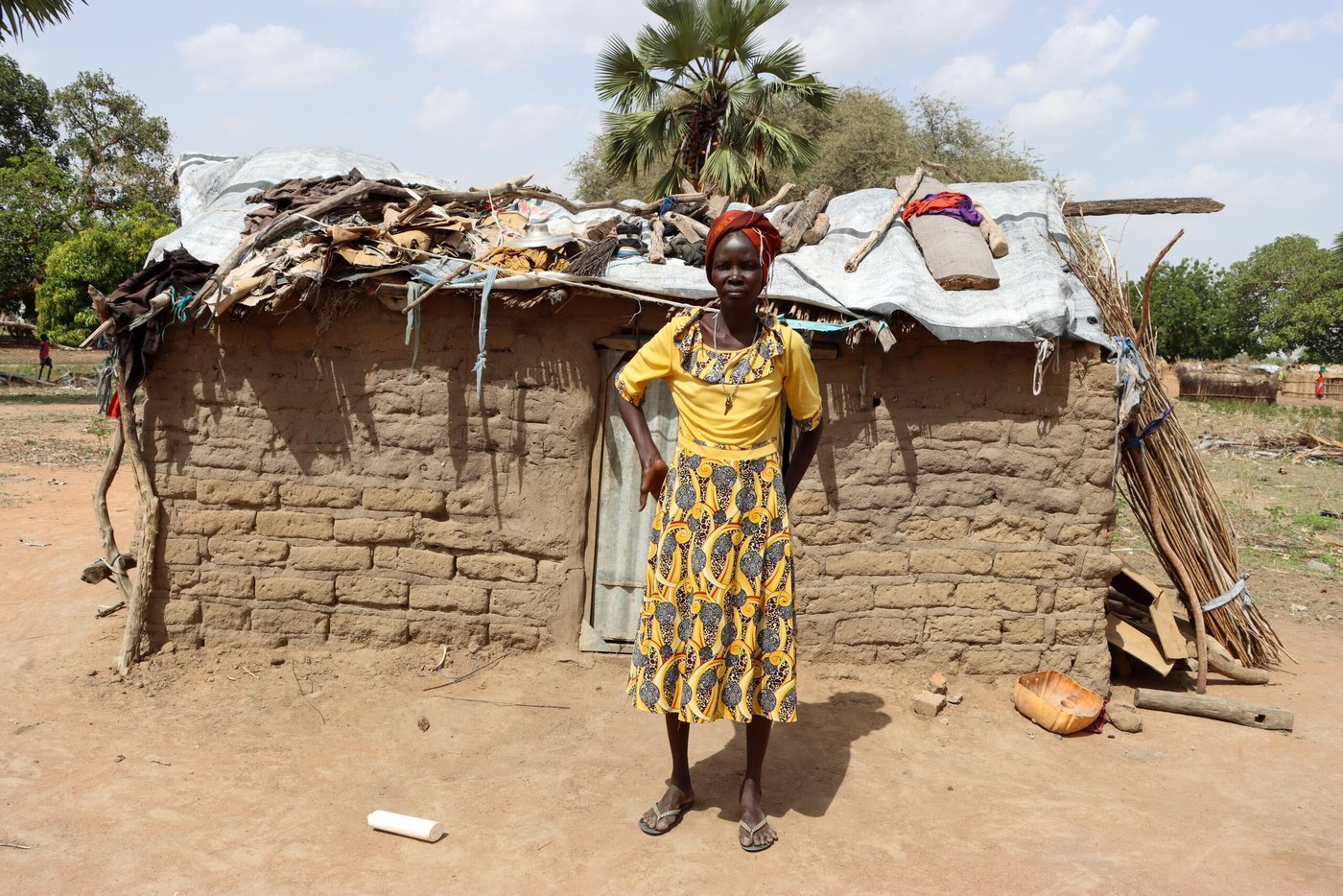
Nyanuk
The war in Sudan killed three of Nyanuk’s children. After burying them, she fled with the three who survived to join her father in South Sudan. Her husband, a South Sudanese soldier, was killed on the frontline. When she returned, her father, unable to make ends meet, attempted to arrange a marriage for her, but she refused.
Today, she survives on whatever casual labour she can secure. Whether she can feed her children and care for her ailing father depends on the day’s earnings.
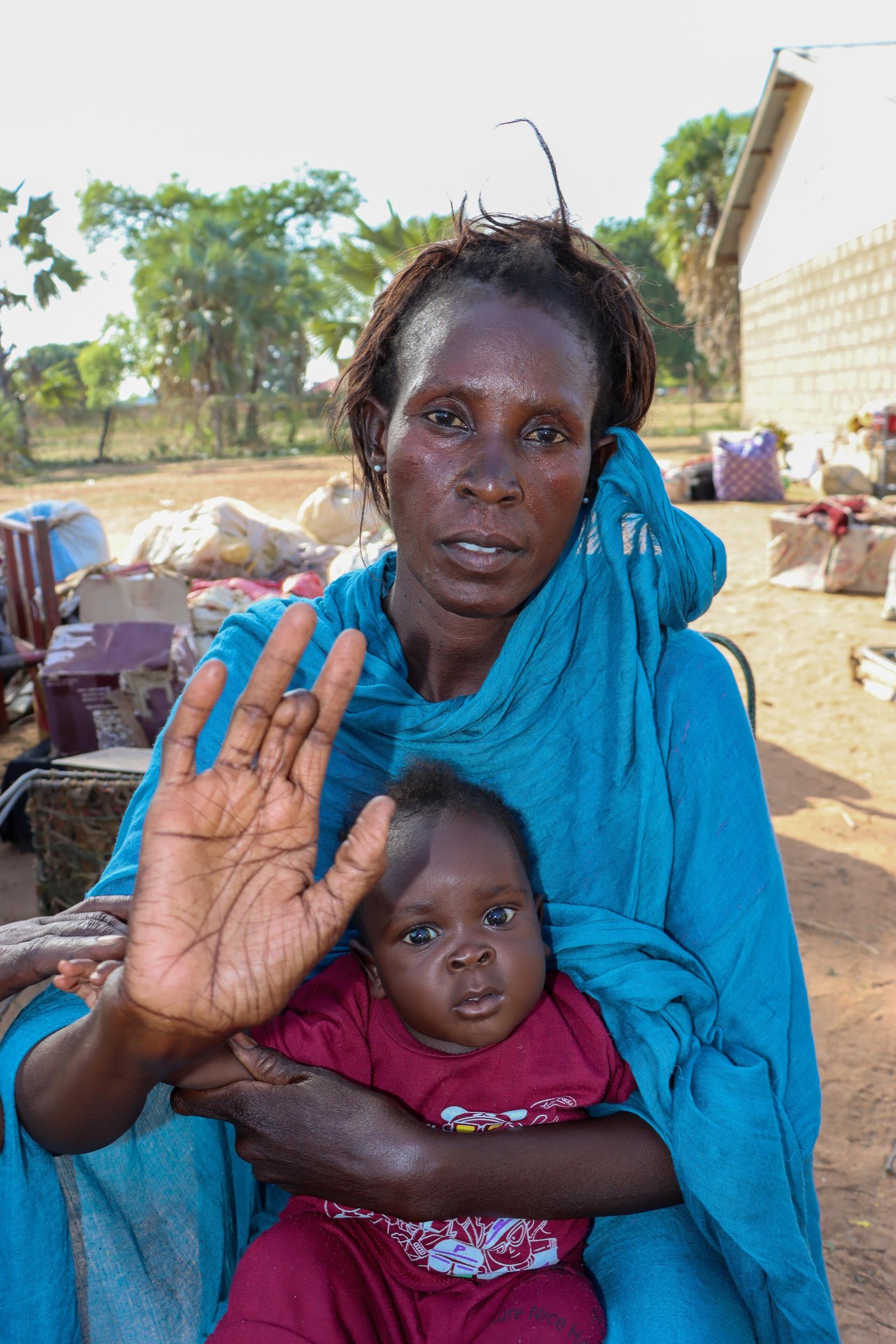
Sarah
Originally from South Sudan, Sarah had moved to Sudan to marry her Sudanese husband, Uhsam. Now they have been forced to return.
They were preparing to flee Khartoum when a drone hit their neighbourhood.
“One of the fingers on my right hand was cut off,” Sarah explains. “My head was struck by shrapnel from the drone. Doctors told me the metal fragments must be removed urgently.”
Sarah was pregnant at the time. They planned to go to Egypt, but the bombings on route were too intense. They, therefore, settled in Omdurman, where Uhsam was killed.
Sarah picked up and fled to South Sudan with three-month-old Muheb in her arms. She learned of her husband's death from a photo.
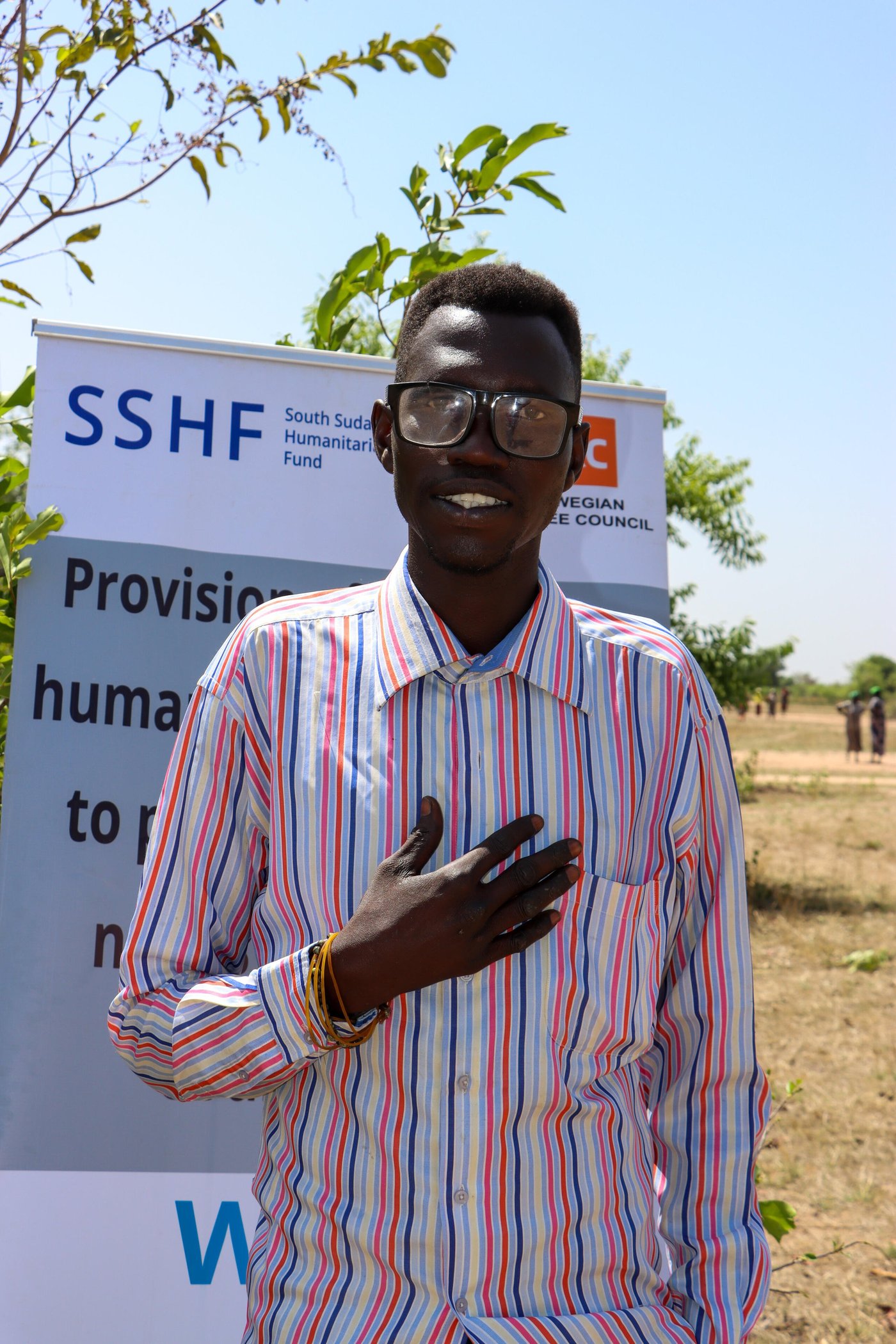
Yahiyah
Yahiyah Nur fled Sudan in July 2025, and now lives in Aweil East County, South Sudan. He travelled 85 kilometres through 46 armed checkpoints.
“At every roadblock, people were robbed at gunpoint,” Yahiyah recalls. “They said, ‘You slaves, where do you think you are going? You will die here.’”
He is now receiving support from the Norwegian Refugee Council (NRC) and calls on others to have hope.
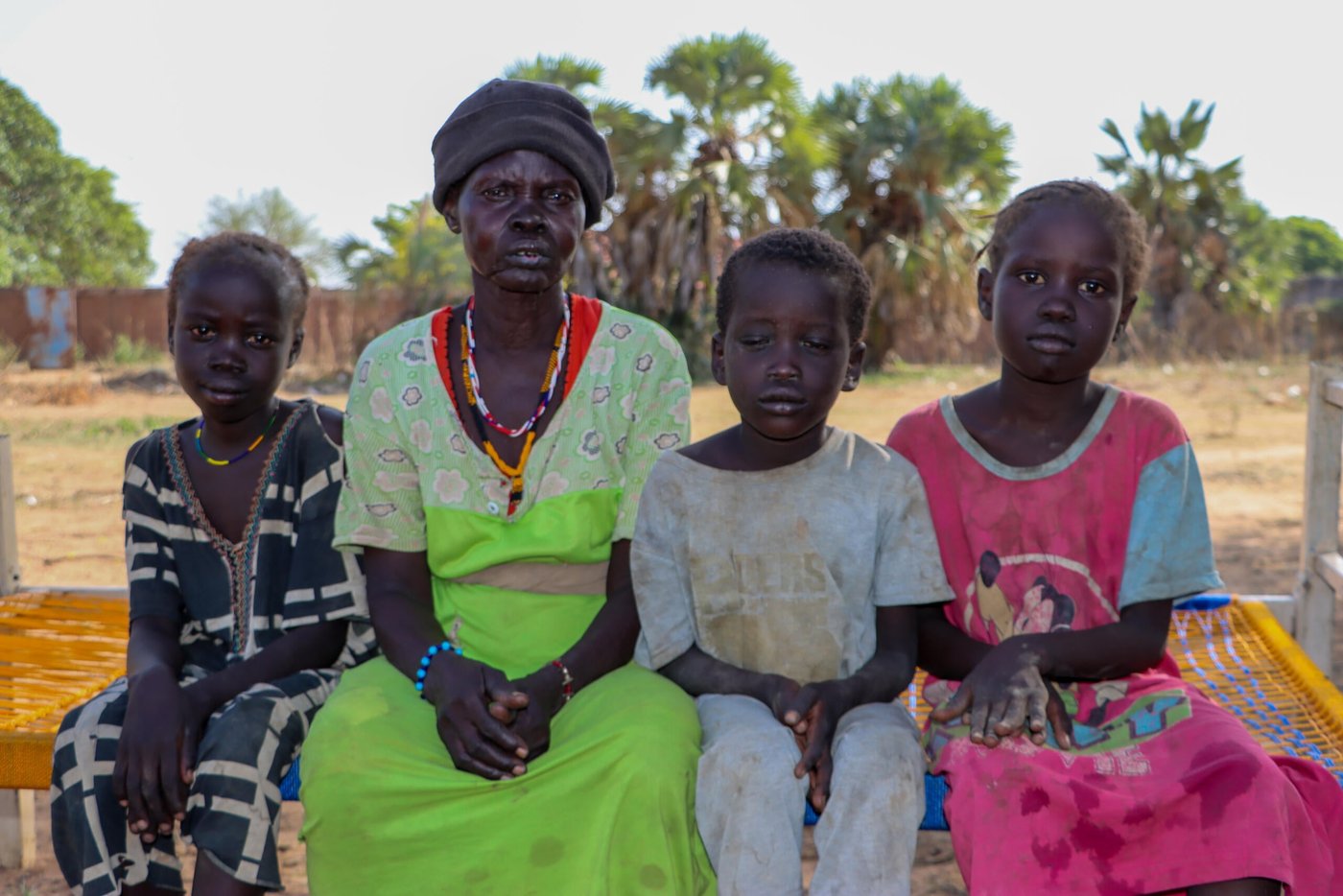
Abuk
Abuk now lives in South Sudan, after arriving from Sudan in April 2026.
In Western Kordofan, armed men killed Abuk’s son and her daughter-in-law. She gathered her three young grandchildren, Ngor, Achok, and Akuach, and left.
“One of my grandchildren, Ngor, is now suffering from a serious eye infection that requires immediate medical attention,” she says. “But we have no resources or access to treatment.”
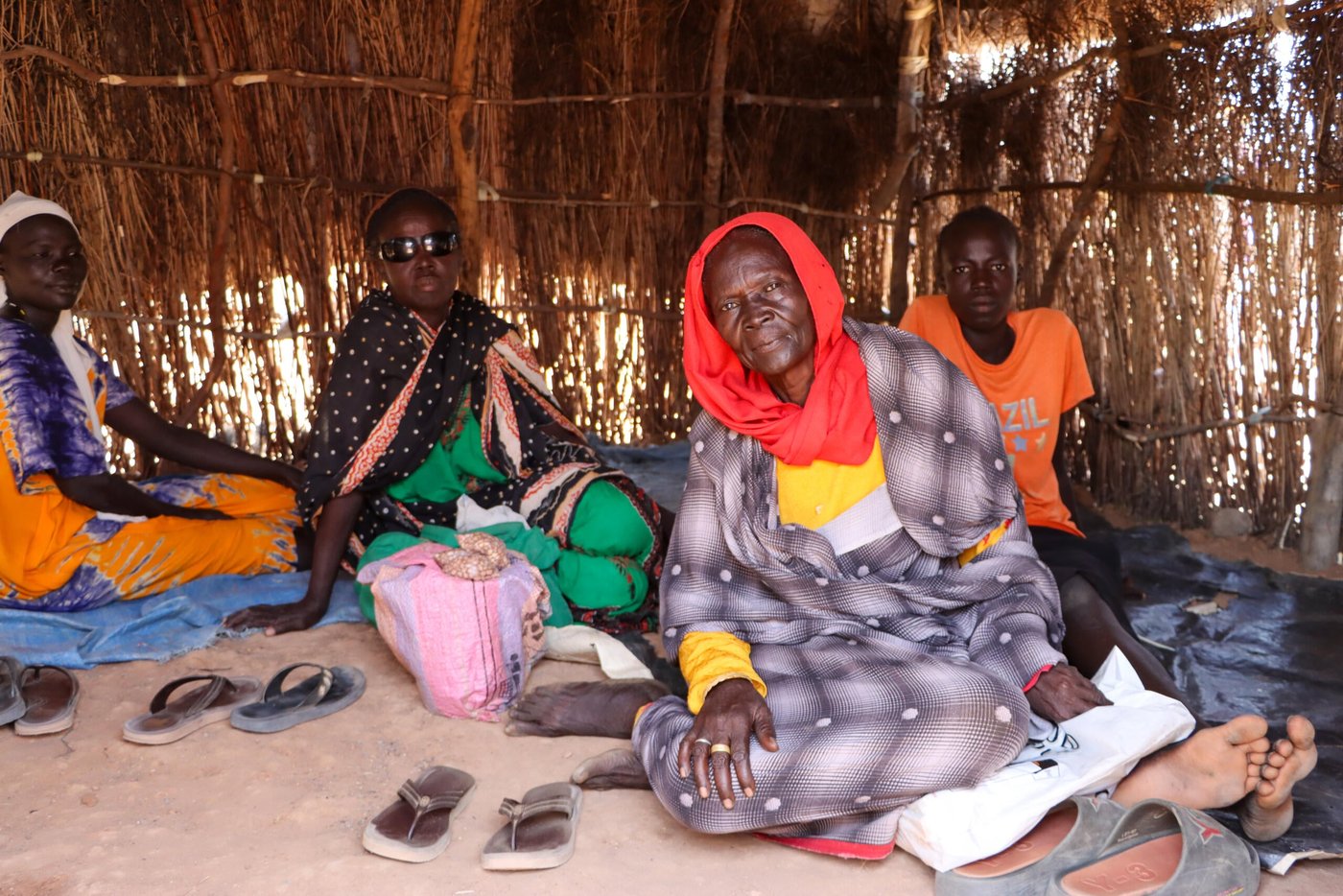
Achai
Achai arrived in South Sudan seven months ago.
“My house in Sudan was burned down, and my family has been separated,” says Achai. “I came with some of my family members and left others behind, not knowing what would happen to them.”
Achai’s house was set on fire during the attacks on Al-Fasher. She left with her daughter Awuor, her son Kuol, and her grandchildren. Two of her sons and her daughter are remain in Sudan with her mother, and Achai has had no word from them since. Seven months on, she and her family eat once a day, surviving by collecting firewood and pounding groundnuts. They need somewhere to live and access to clean water.
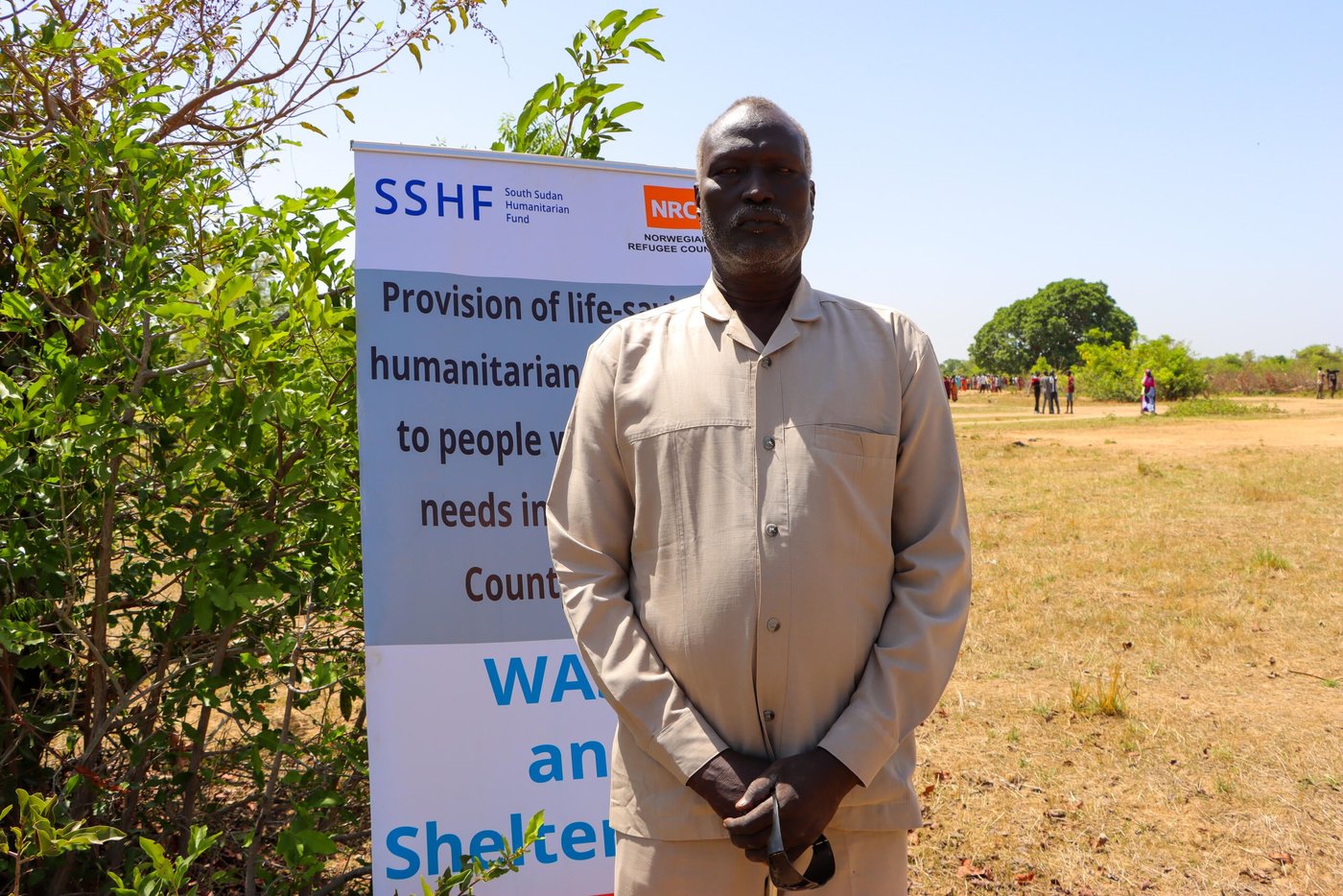
Mayen
Mayen spent 48 years building a life in Khartoum. Then an armed vehicle knocked him down in the street, shattering both arms and his right leg.
For nine months, with no functioning hospital nearby, he was treated with traditional medicine. When he was strong enough to move, he fled, leaving behind everything he had built over nearly five decades.
“We saw many dead bodies in front of us,” Mayen recalls. “Bombs falling, fighter jets crashing, people being killed before our eyes. These were very horrific experiences.”
Some of his family members did not make it out. Others are still in Kordofan.
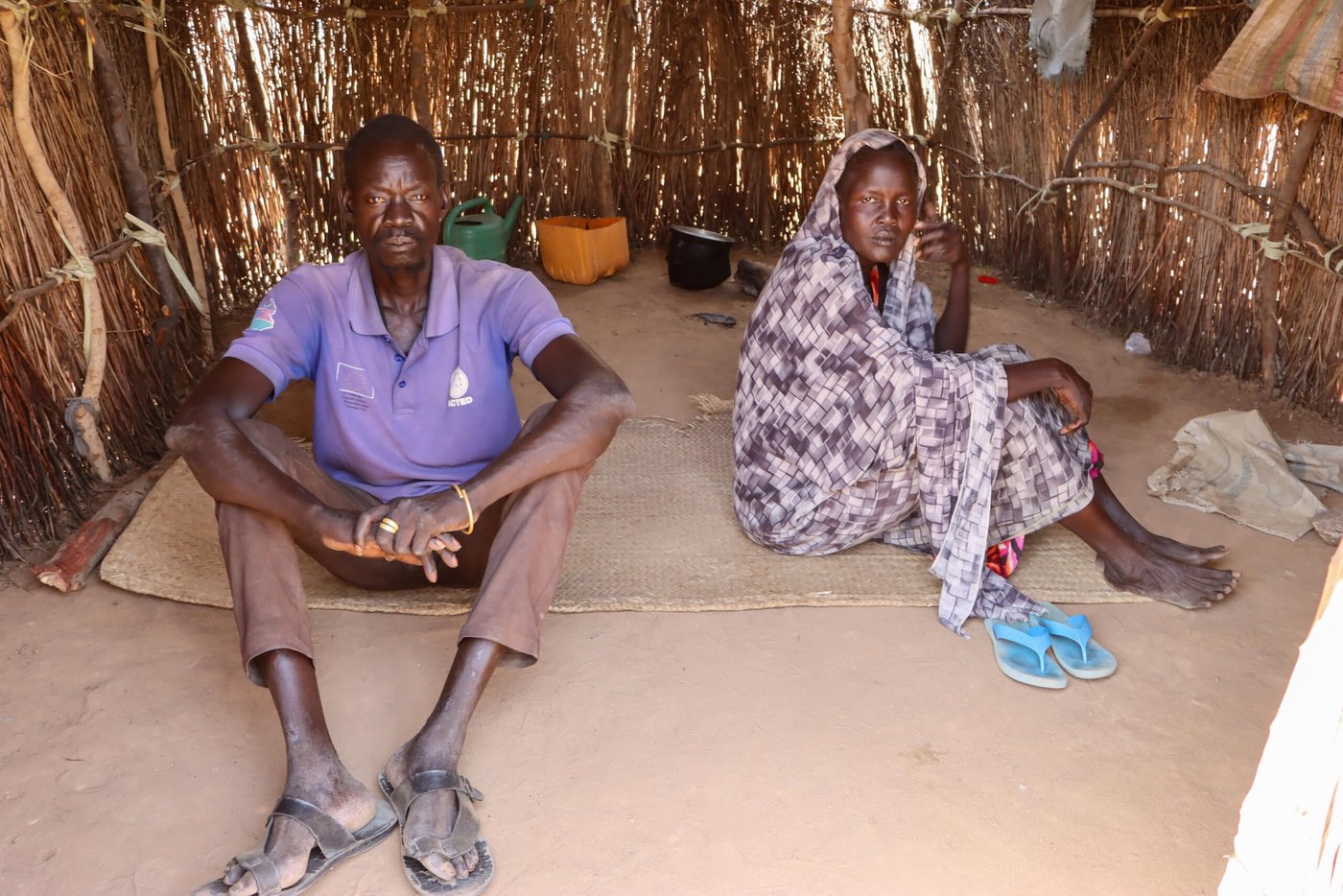
Garang
Garang fled Al Geneina, Darfur, with his wife and nine children after armed men killed his neighbours and tore his community apart.
On 15 January 2025, armed attackers shot and killed his 14-year-old son as they tried to flee.
Now living in displacement in South Sudan with 11 family members, Garang faces daily struggles to secure food, water, and healthcare.
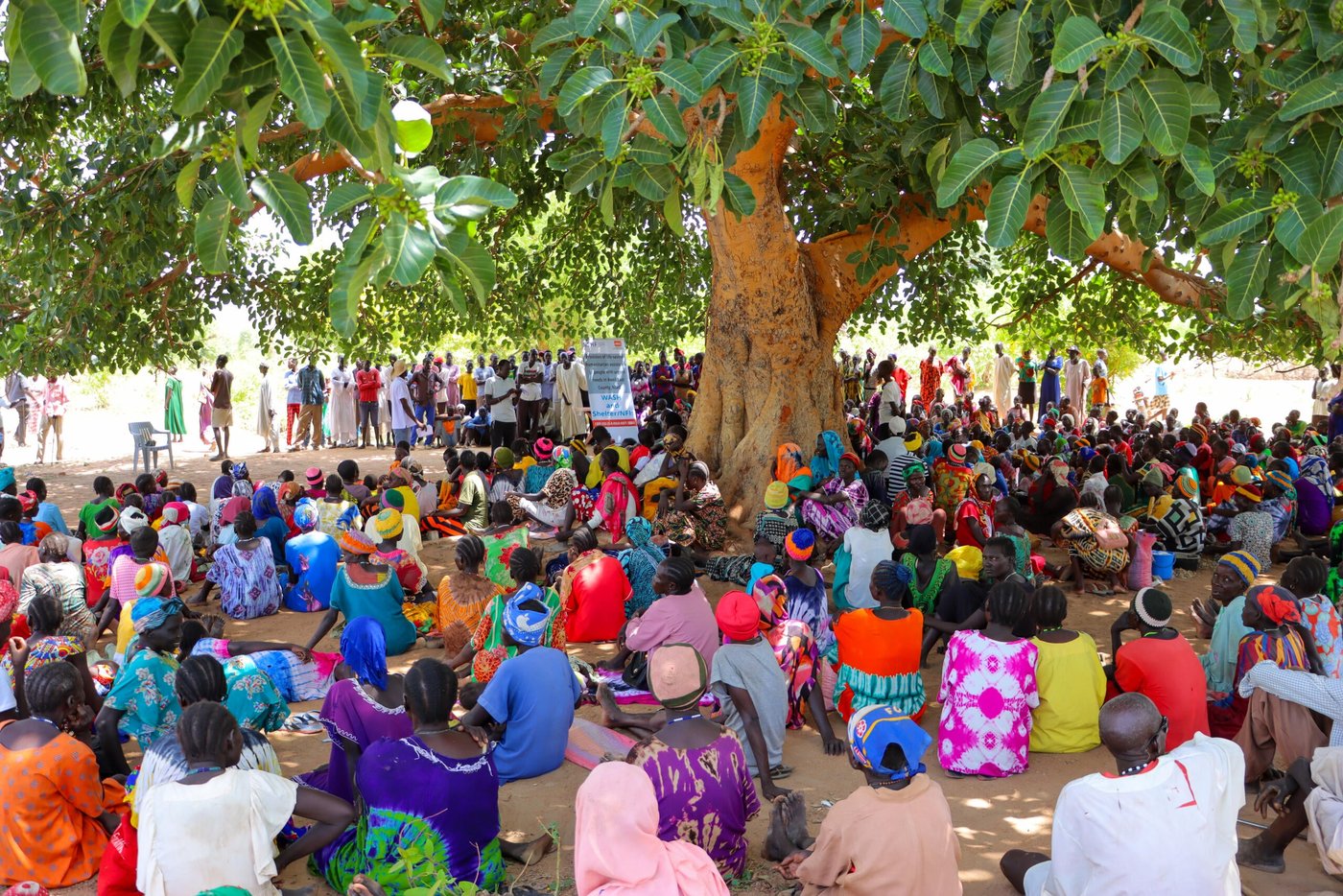
With support from the South Sudan Humanitarian Fund (SSHF), the Norwegian Refugee Council is registering thousands of returnees and refugees in Aweil East County, providing shelter, water, and other items to people who have lost nearly everything.
Sign up to our newsletter to read more stories from around the world.
