


At 75, Ahmed travels long distances to collect firewood, earning less than one US dollar - an income that cannot cover his family’s needs.
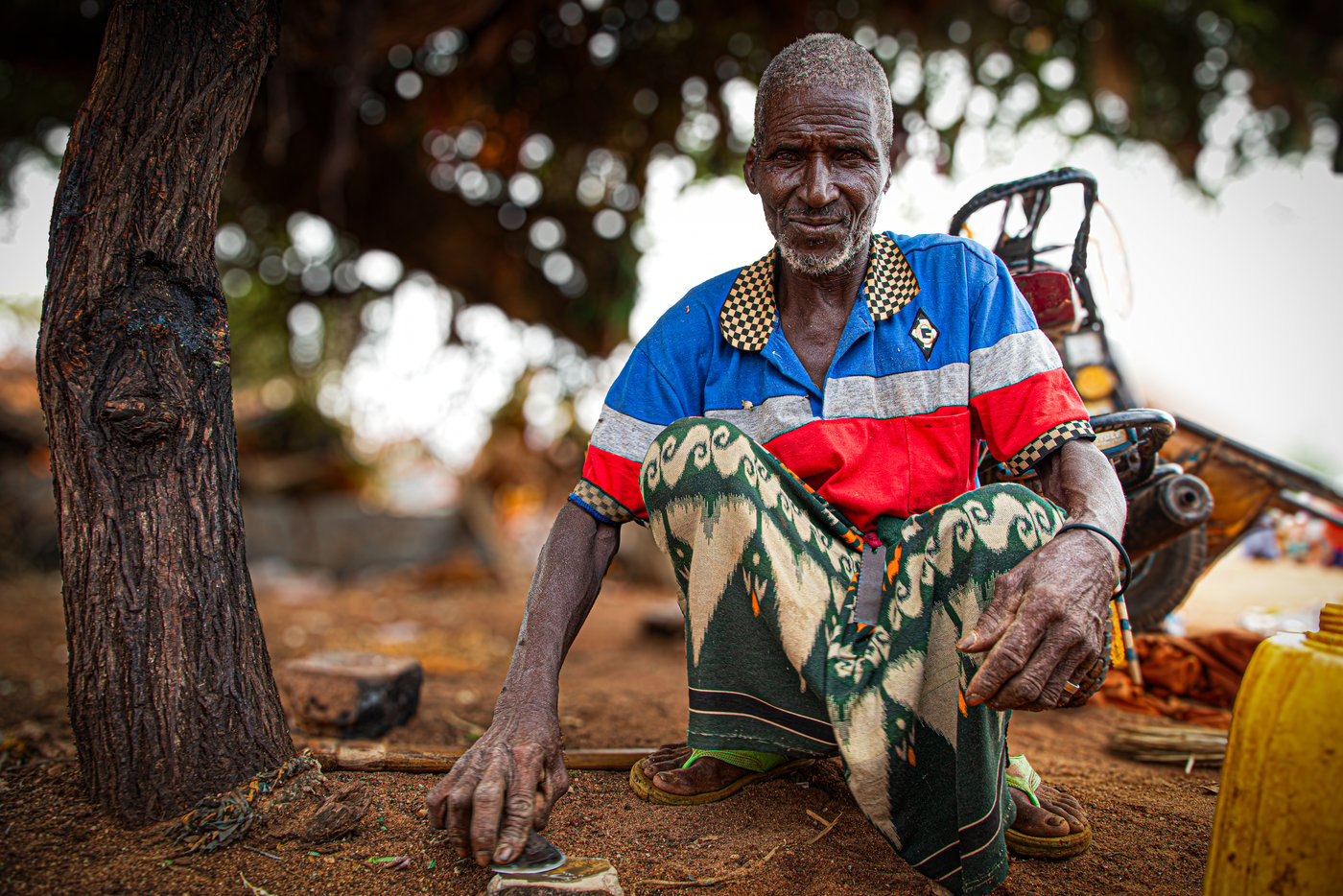
Ahmed’s struggle to provide after drought
The father of five lives in Ramadhabey displacement camp in Dinsor district, Bay region, Southwest State of Somalia. Severe drought forced him from his home in Bardera district, Gedo region, back in 2023. Since then, collecting and selling firewood has become a way to bring in a small amount of money.
“The severe drought forced us to leave our home in 2023. We came to Ramadhabey camp, where we have been trying to rebuild our lives. Finding enough food for my family remains a daily struggle,” says Ahmed.
The work demands time and physical effort. Ahmed must travel to find wood, collect it and bring it to the local market to sell and earn income. Yet even after that journey, the earnings fall short. His family still needs food, water and other essentials.
Ahmed’s circumstances show how the huge effects of drought continue long after a family leaves home. Moving to a displacement camp does not necessarily bring a dependable income or the means to meet daily needs. Families must find ways to manage while facing the losses and disruption that forced them to move and look for better living conditions.
More than three years after his displacement, Ahmed is still working to provide what he can.
Before reaching Ramadhabey, he had already lived through a drought severe enough that has killed all his livestock, devastated his farmland and forced him and his family to leave. The move brought him to a new place, a new environment, where he now depends on exhausting work that offers very little in return.
His age makes the demands of that work particularly striking. At a time when many people need greater support themselves, Ahmed is travelling long distances every day in search of something he can sell to put food on the table for his children. The income matters because his family needs it, even though it is not enough.
Less than a dollar leaves little room to meet competing expenses. Food is a daily need, but it is not the only one. Water, clothing, household items and healthcare can also require money. When earnings are so limited, families have few options on how to use them.
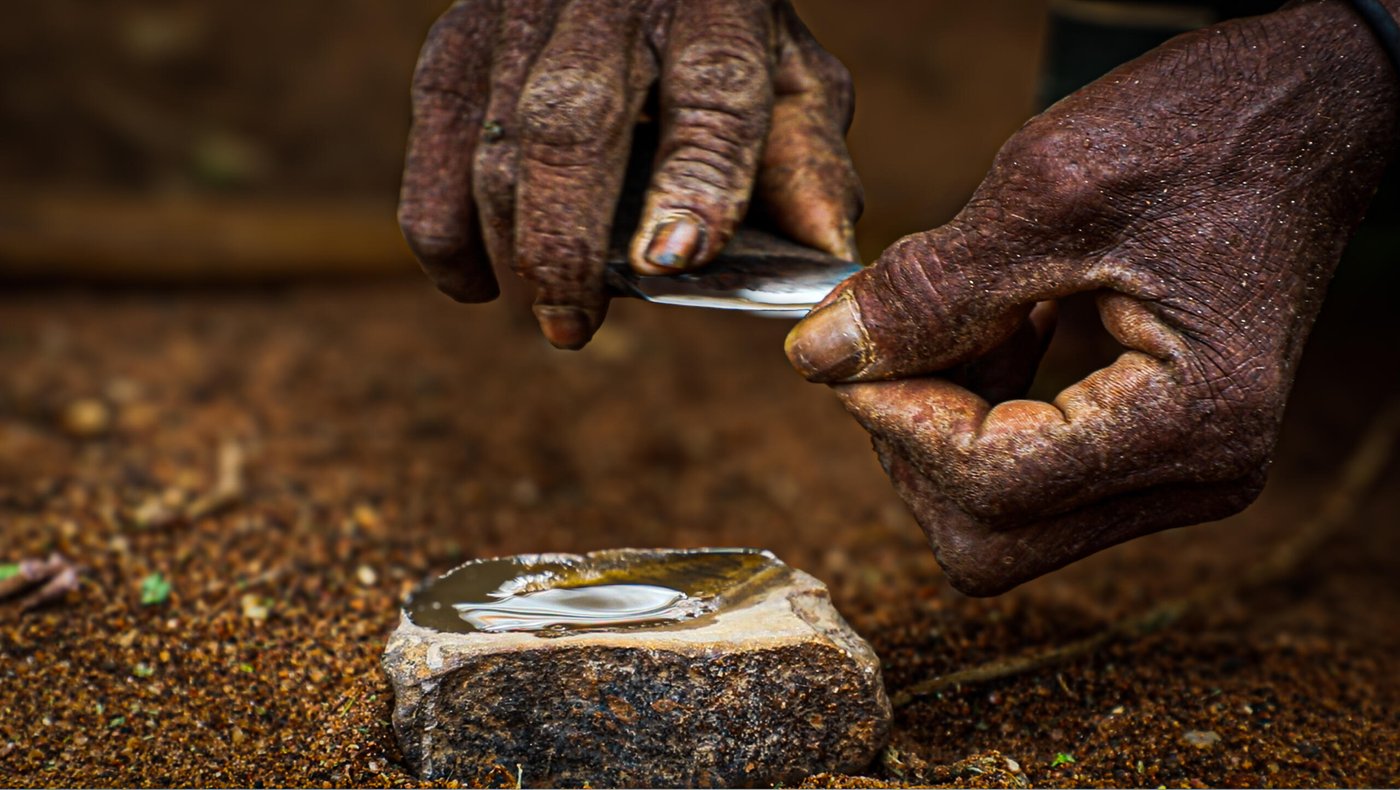
“I travel long distances to collect firewood and bring it back to sell. The journey takes time and effort, but even after all that work, the money I earn is not enough to meet my family’s food needs,” Ahmed explains.
For a displaced parent, this can mean working hard without being able to give the family the security that work should bring. One journey may produce some income, but it does not resolve the need that will be there again the next day.
Ahmed’s livelihood experience also draws attention to older people living through displacement. They have responsibilities, skills and family relationships that continue after they leave home. Age does not remove the need to earn an income, especially when a family has no dependable alternative.
“At 75, collecting firewood is difficult work. I still go because my family depends on what I can earn. I want to provide for them, but this small income cannot cover everything we need,” says Ahmed.
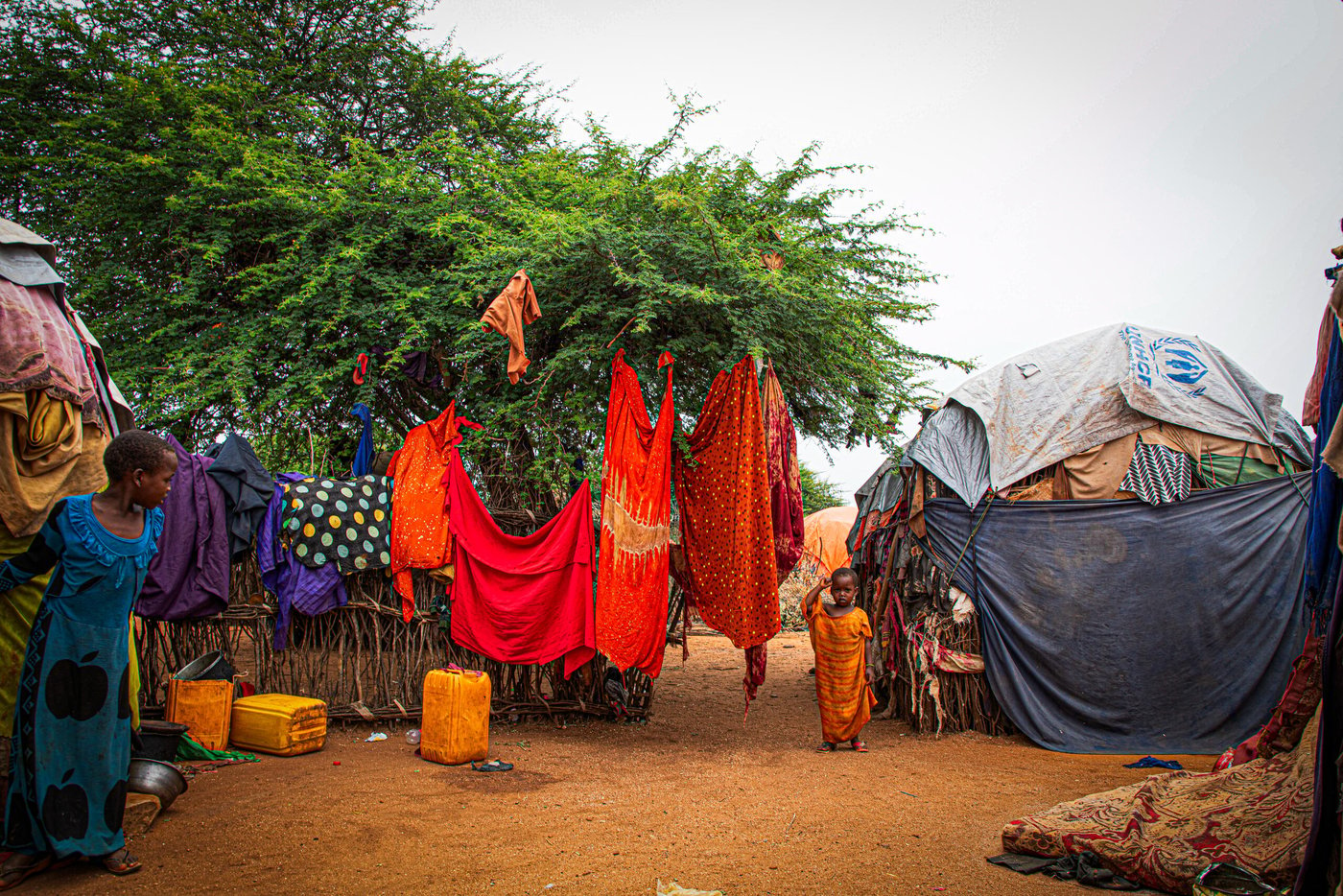
In Ramadhabey, Ahmed is one of many displaced people who need humanitarian support at a time when humanitarian funding is shrinking and donors are pulling back. Families in Dinsor face immediate needs alongside the longer task of rebuilding their lives. Assistance can help address shortages now, while suitable livelihood support can give families more dependable ways to provide for themselves.
The response needs to start with understanding individual circumstances. A family’s size, available income, health, age and responsibilities all affect what support is appropriate. Ahmed’s situation calls for attention to both the family’s unmet needs and the burden of the work he undertakes.
“I have been collecting firewood since we were displaced in 2023. I keep doing this work to support my children, but we need a more dependable way to earn a living and put food on the table,” Ahmed explains.
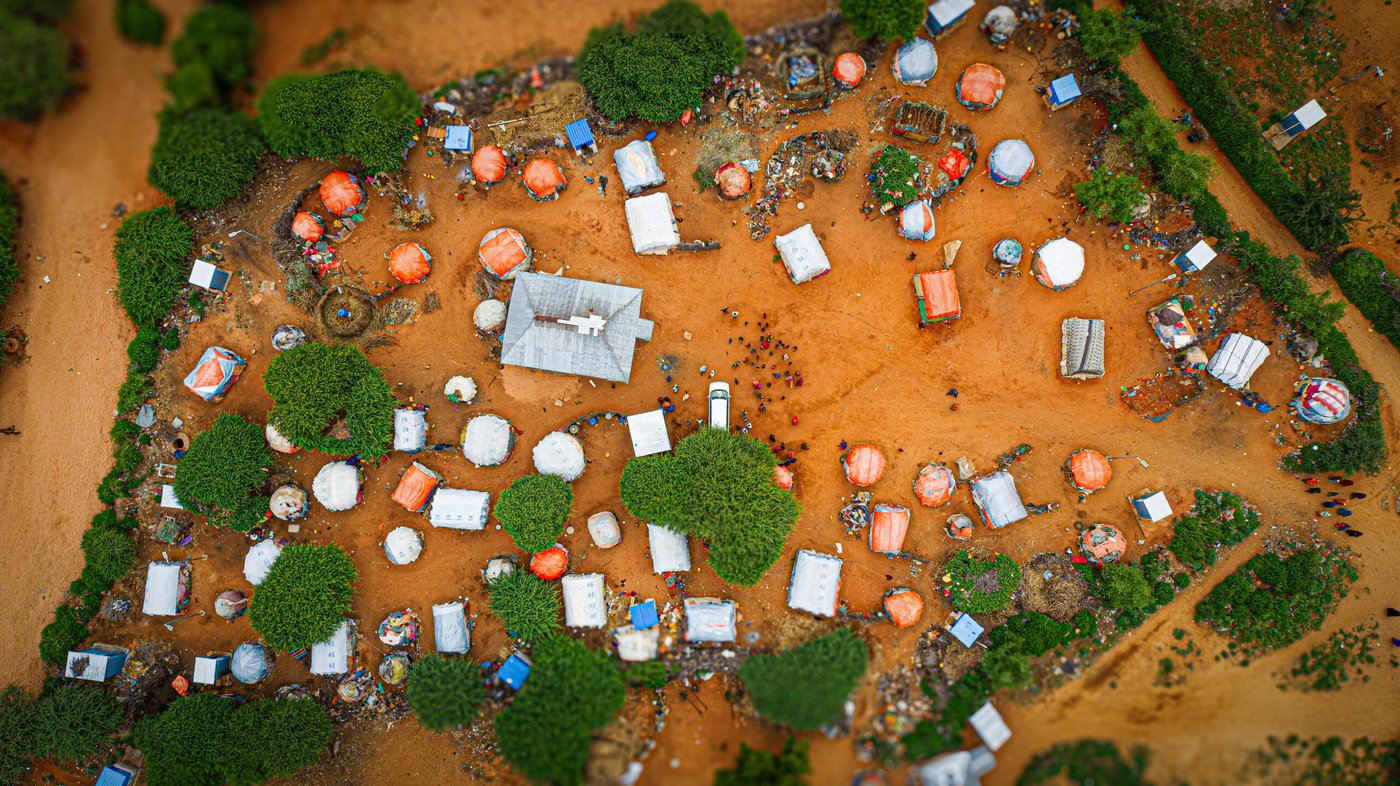
Longer-term support is also necessary. Families displaced by drought need opportunities to establish a more stable life, rather than spending years struggling to cover each day’s expenses. That requires sustained attention beyond the period when displacement first takes place.
“My family and other families here need support. We are doing what we can to get by, but our income is too little. Having enough food and a reliable livelihood would make a real difference to our lives,” says Ahmed.
Until then, Ahmed’s long journeys continue, bringing back firewood and an income that is still too little.
Sign up to our newsletter to read more stories from around the world.
