
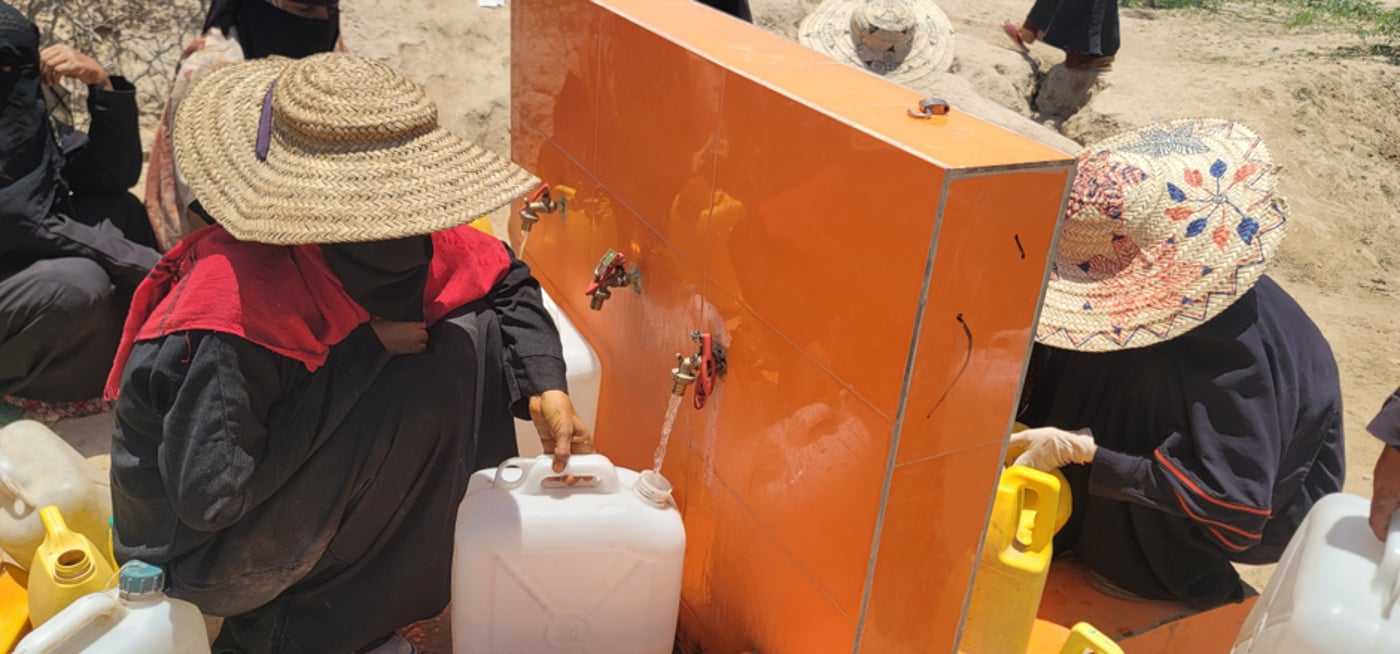
In Al-Dhabat internally displaced people (IDP) site, daily life has long been shaped by distance, dust and scarcity. For families displaced by conflict, getting enough safe water was not a simple routine. It was a demanding task that consumed significant time.
Adela's story from Al-Dhabat, Yemen
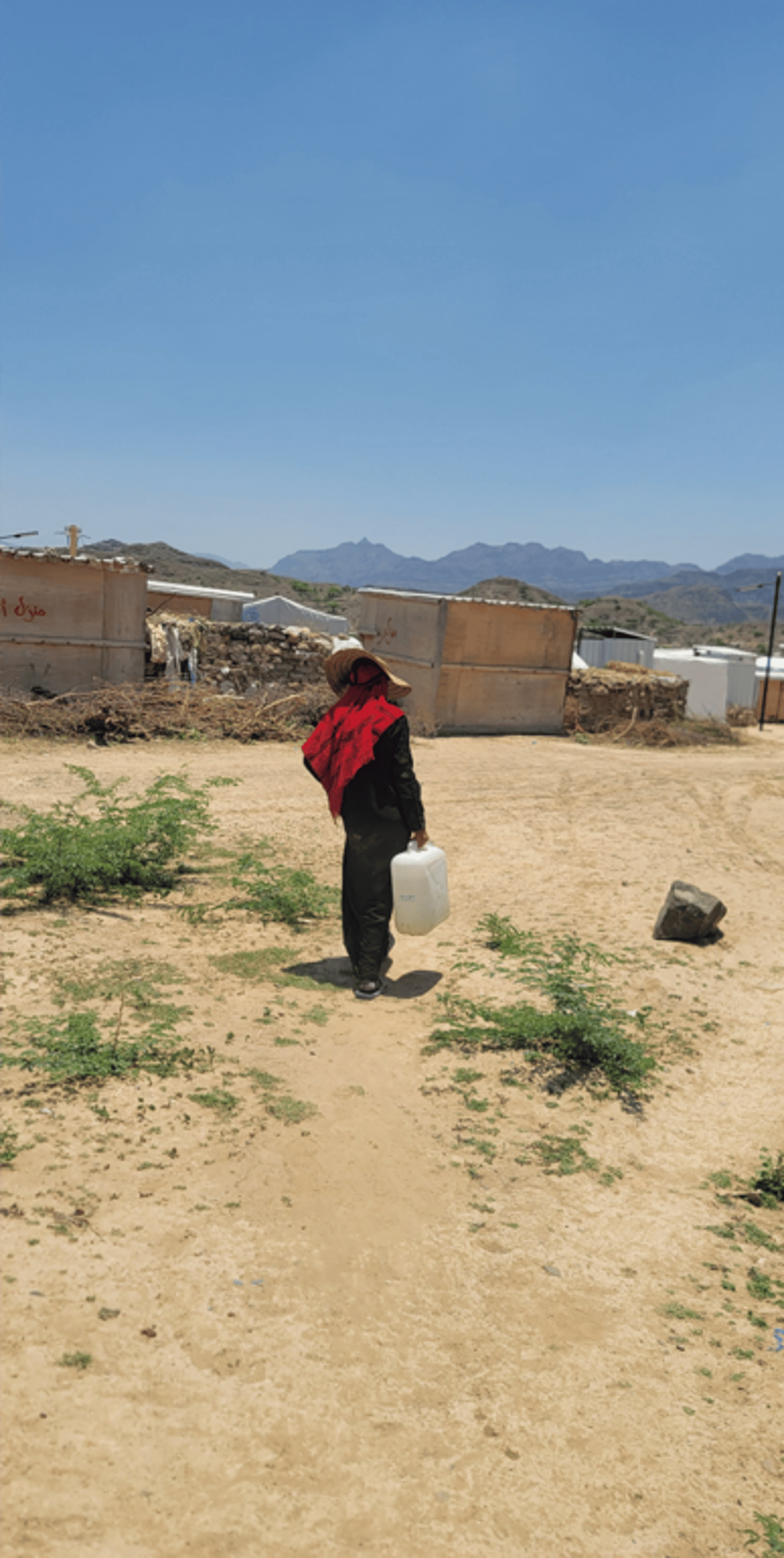
For Adela, mother of three and caregiver to her father, that burden was personal. Like many women in Al-Dhabat, her daily responsibilities began with securing enough water for her family. Before new water points were installed in the site, she spent nearly an hour each day walking to a distant well so her family could drink, cook and wash. The journey left less time for childcare, household work and rest.
Impact at a glance
- Two water points were installed inside Al-Dhabat IDP site in 2024.
- The project supports 1,227 people with safer, more reliable access to water.
- For families like Adela's, less time spent fetching water means more time and energy for care, learning and daily life.
A place shaped by scarcity
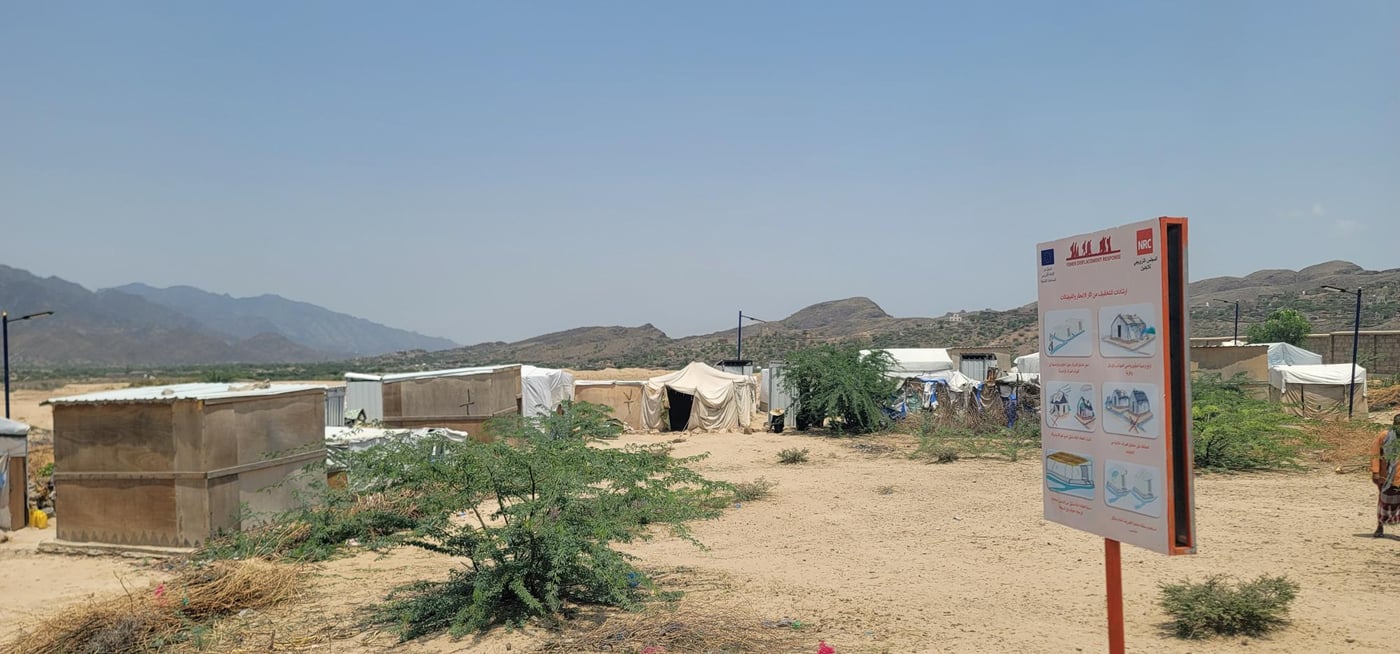
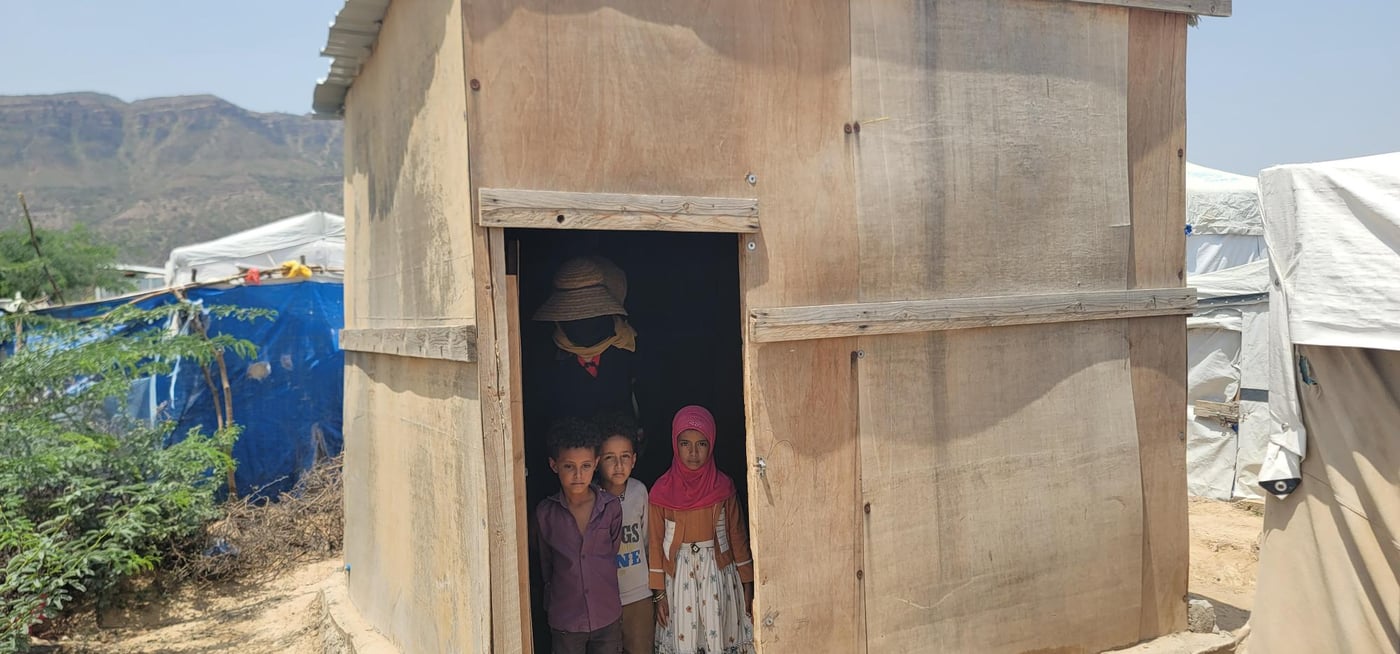
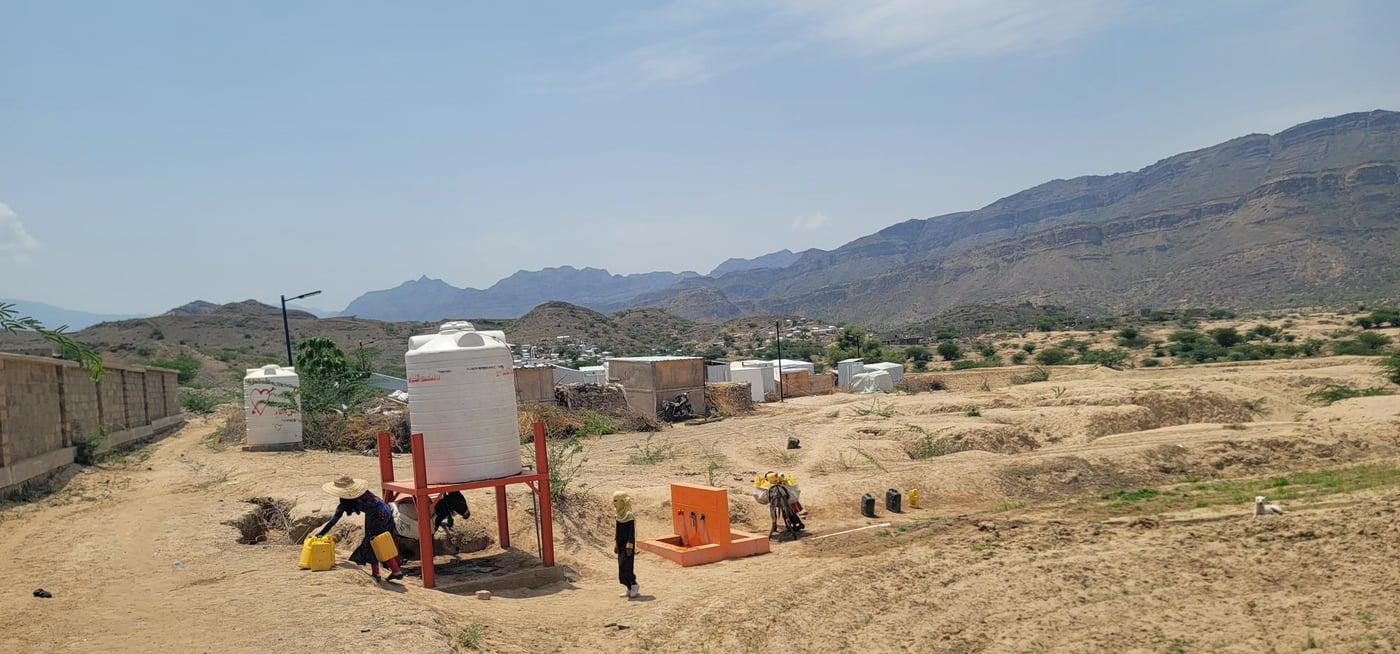
At first glance, Al-Dhabat is a settlement of tents and simple shelters scattered across rocky ground. But its hardest reality is less visible: the absence of nearby services. In this landscape, even water becomes a daily obstacle. For women and children, the search for it often steals hours that could otherwise go to school, care work or income.
The weight carried at home
Adela's responsibilities begin and end at home. She cares for three children and her father while managing the demands of displacement. When water was far away, every container she carried home came at a cost: fatigue, time lost and constant worry about whether the next trip would be enough.
A response shaped by community needs
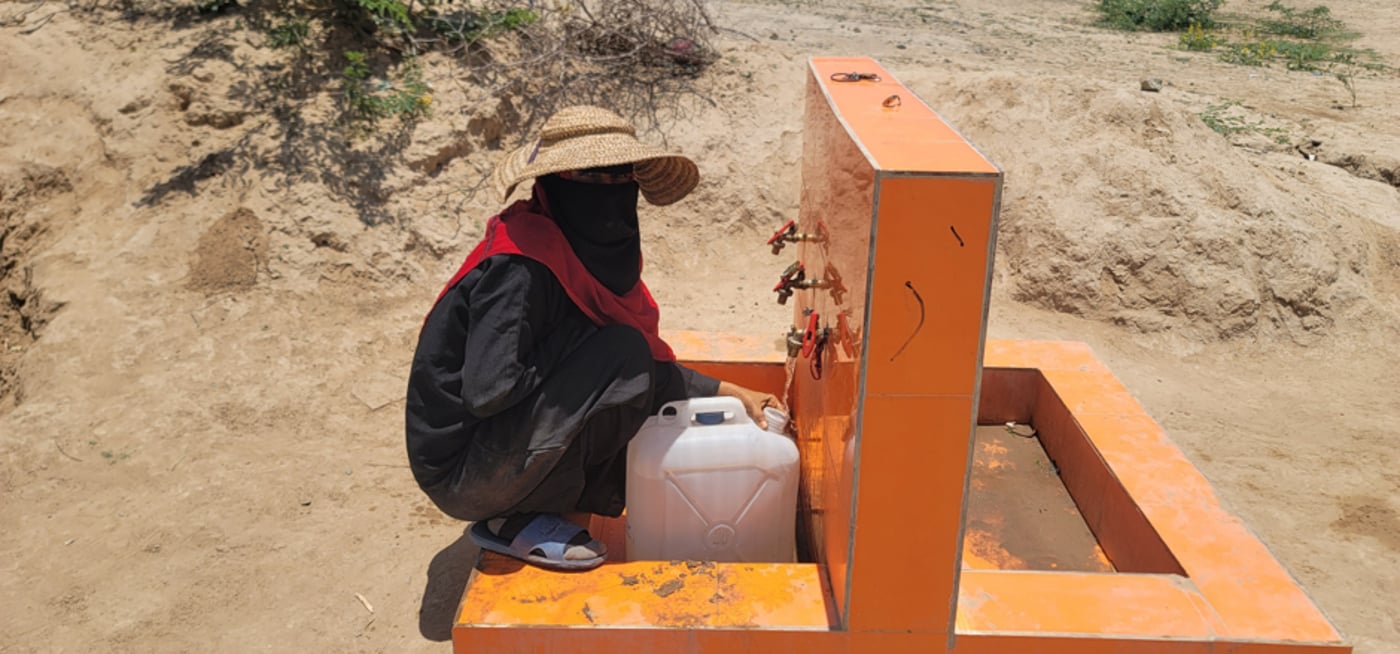
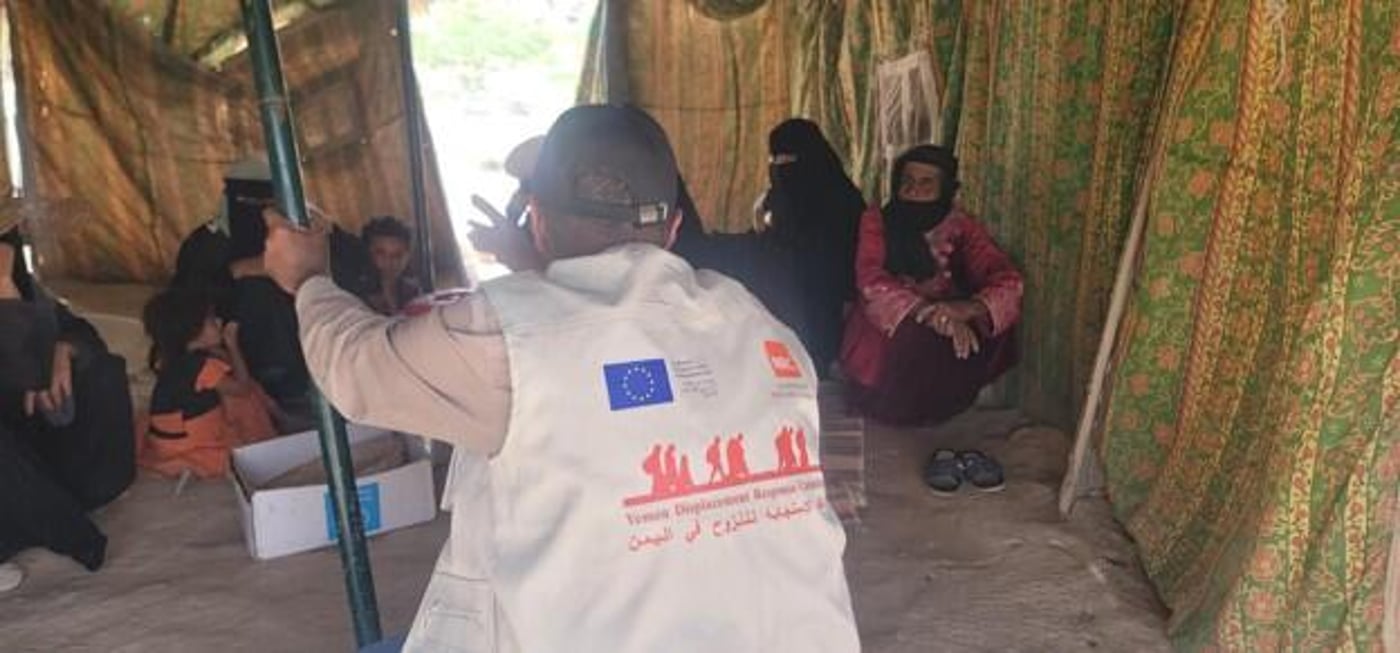
Following requests raised by residents, the Norwegian Refugee Council (NRC), through the Yemen Displacement Response (YDR) Consortium and with funding from the European Union, installed two water points inside the site in 2024. The change was practical and immediate: safe water moved closer to where families live.
Time returned
Now, when Adela collects water, the task is shorter and safer. The physical strain of the long walk has been reduced, and the hours once spent reaching a distant well can be used at home–supporting her children, caring for her father and managing daily life.
More than water
For Adela, the water point is not only a service. It is time returned, energy restored and a measure of stability in a life shaped by displacement. Across Al-Dhabat, 1,227 people are benefitting from the same change. Water still needs to be carried home, but it no longer defines the day in the same way.
"Now I save time and effort," Adela says. "I have more energy for my family and our daily work."
In Al-Dhabat, bringing water closer has eased a daily burden and helped turn survival into something more sustainable: the chance to care, plan and move forward.
Through European Union funding, NRC supported 1,227 people in Al-Debath IDP site to improve access to safe and reliable water services. The intervention included the construction and operationalisation of two water points, increasing water availability for displaced families and enhancing the reliability of water supply within the site.
Sign up to our newsletter to read more stories from around the world.
