


Nyibol Thon Guot,16, fled from her village in the clothes she was wearing. Behind her, in a home she would not see again, sat her schoolbooks, her pens, and the paraphernalia a Primary 6 pupil collects over years of school. When armed conflict broke out in Uror County, South Sudan, there was no time to gather them.
A timely delivery
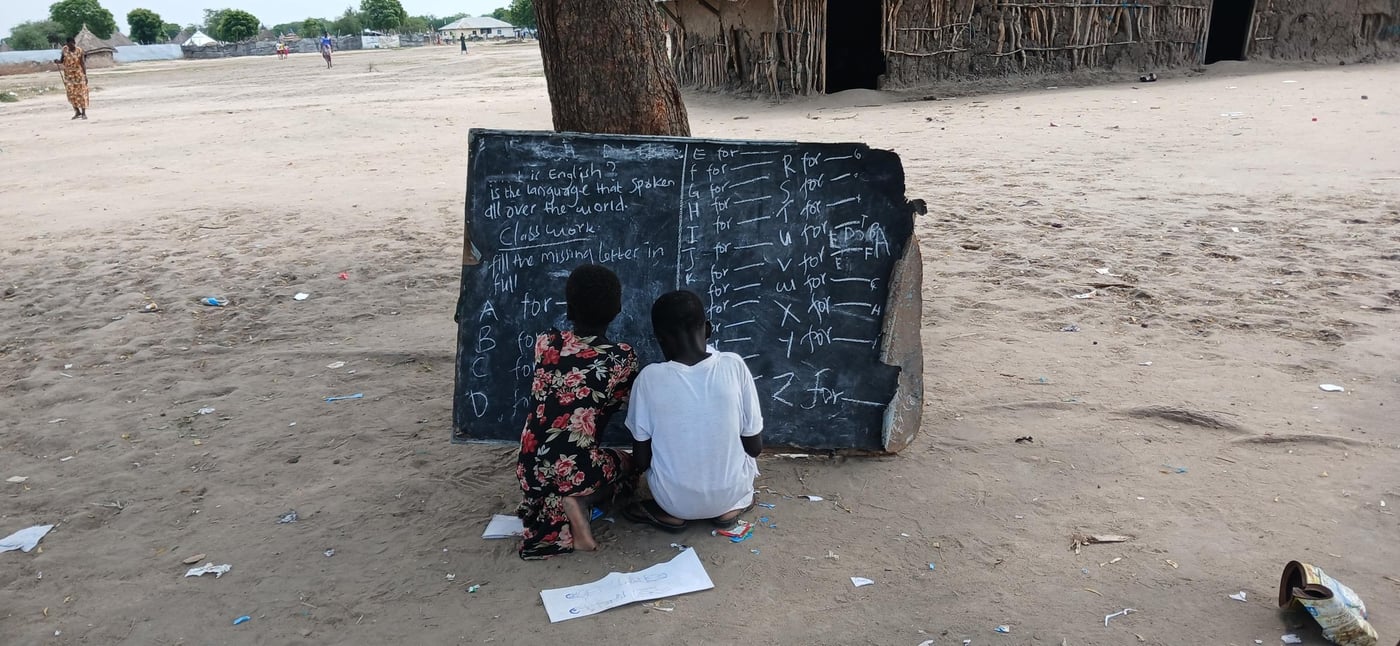
Her family walked to Duk County, Jonglei State, joining the wave of people fleeing fighting in Uror and Nyirol counties. In Dongchak, a classroom took her in, but a desk without books is still an empty desk. For months, that is what school looked like for Nyibol and the other displaced children around her: benches with no pens to hold, a yard with no ball to kick, and days that blurred until many pupils simply stopped coming.
“I had no chance to carry my schoolbooks when conflict broke out in my village,” Nyibol says. “Since we joined school here, my fellow displaced pupils and I have been facing challenges due to the lack of learning materials and recreational activities. Because of this, many pupils have not been attending school regularly.”
Then a delivery arrived at Dongchak Primary School: exercise books, pens, pencils and rulers. For outdoors, another delivery followed: footballs, volleyballs, netballs, whistles and sports uniforms.
With funding from the Swedish International Development Cooperation Agency (Sida), the Norwegian Refugee Council (NRC) distributed books, sports equipment and recreational kits to 2,015 pupils from displaced and host communities across five primary schools in Duk County: Padiet, Dongchak, Ayueldit, Amiel and St. Peter.
“But now, with the support NRC has given us, I believe displaced pupils will come to school regularly again,” says Nyibol. “We can also play and revive our school sports activities, which bring us together and promote social interaction.”
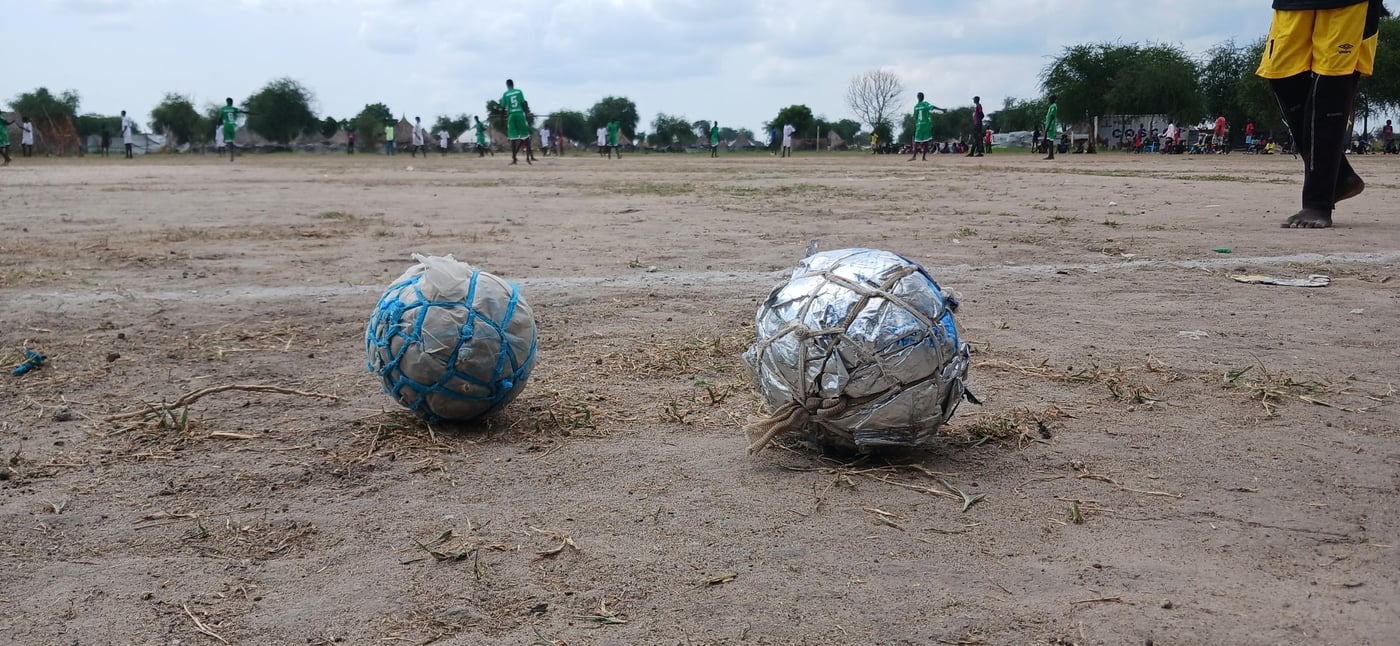
At Dongchak now, the voices of children playing and whistles sound across the schoolyard again. Pupils in matching uniforms line up for netball and volleyball, the same children who, weeks earlier, had nothing to hold but the memory of a village they left behind.
Sign up to our newsletter to read more stories from around the world.
