


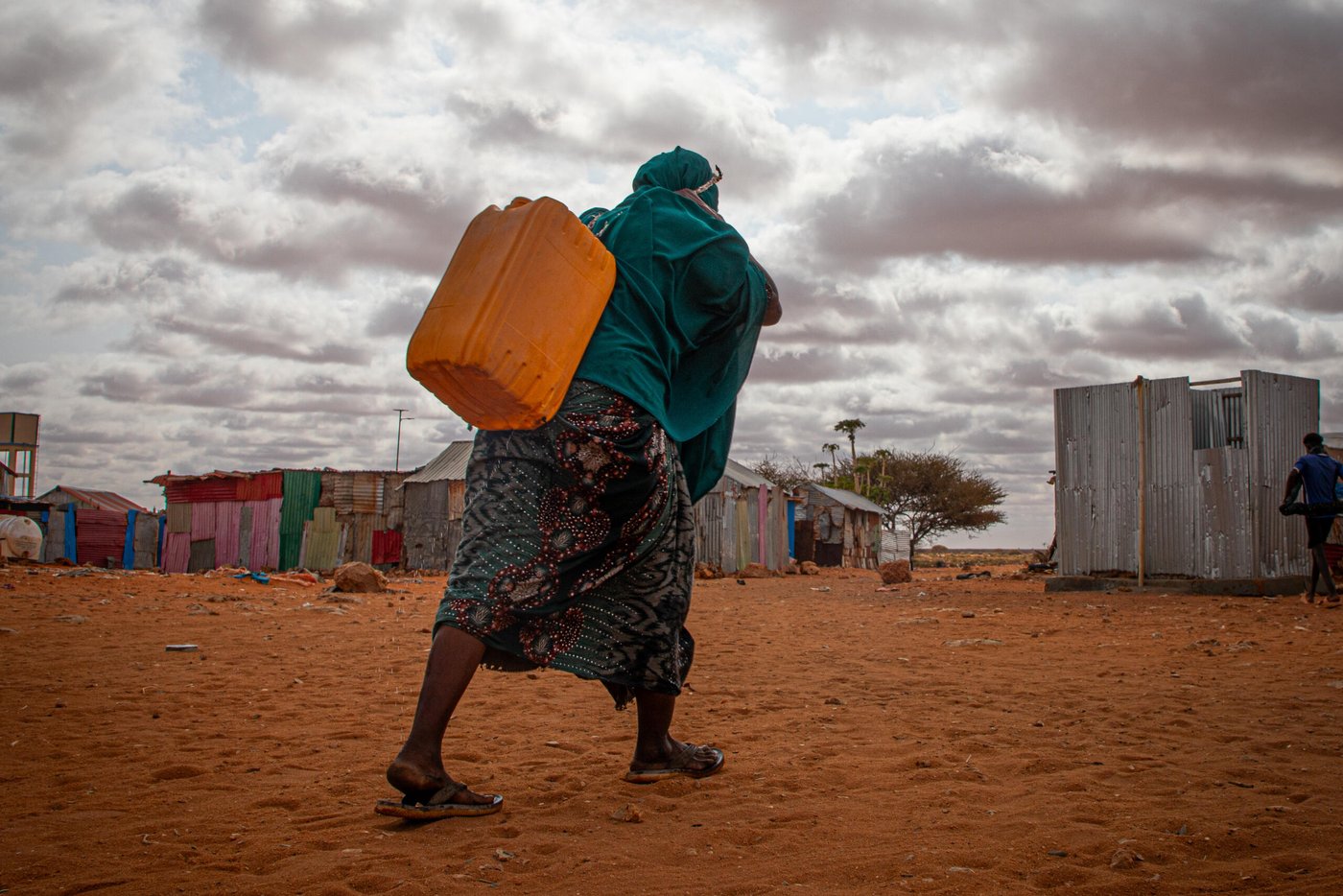
Twenty litres of water for ten people. For a long time, that was the brutal daily arithmetic governing Sharifa Omar’s life. A displaced, single mother of eight living in the Xaar-Xaar camp in Galkacyo, she spent hours each day walking across unforgiving terrain to find water.
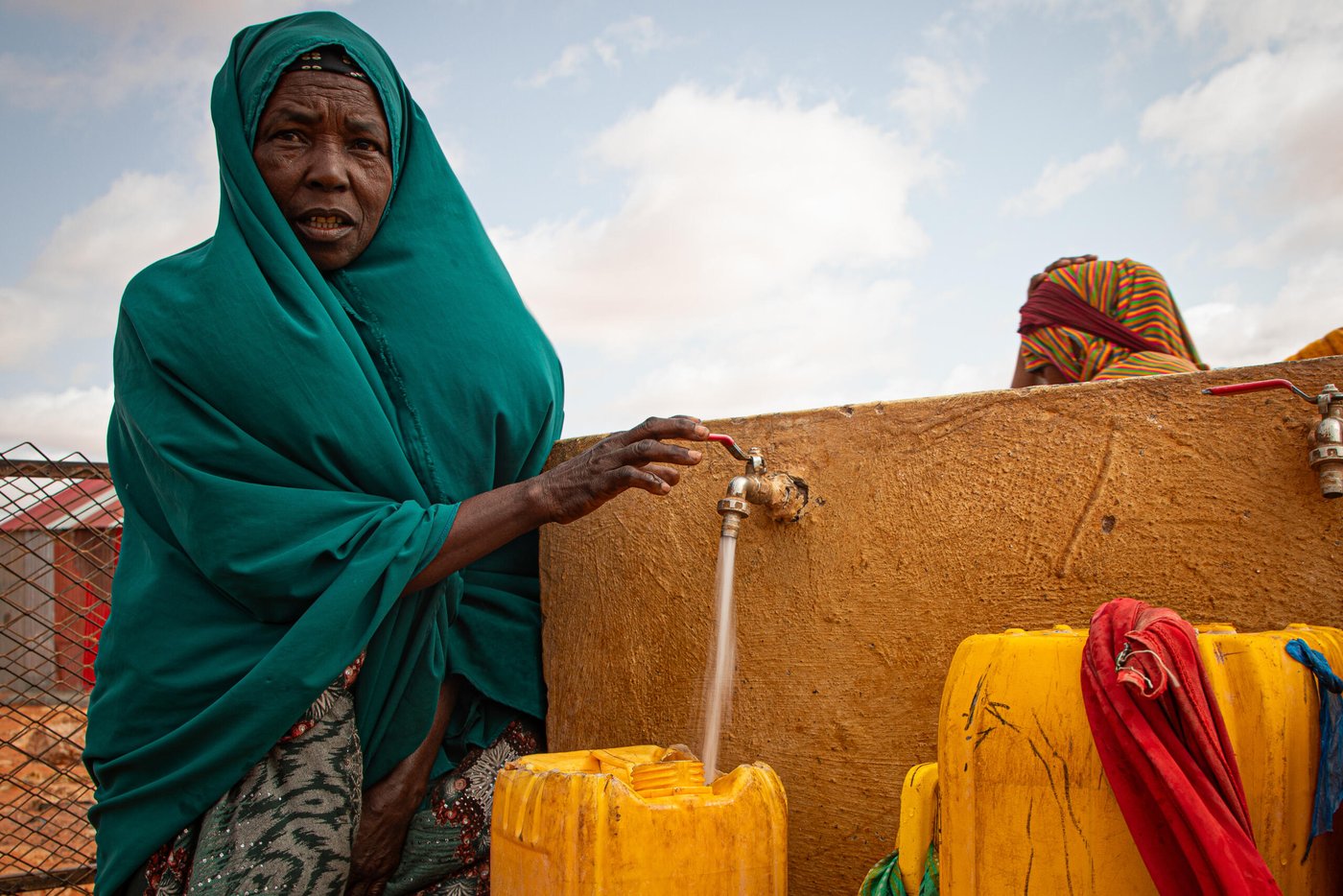
Somalia: Ending a mother's daily struggle for water
When she finally returned, carrying a single, heavy jerrycan, the rationing began. Two litres per person. From that meagre allowance came the water for drinking, cooking the family’s meals, and washing. Once divided, there was almost nothing left. The next morning, she would have to get up and do it all over again.
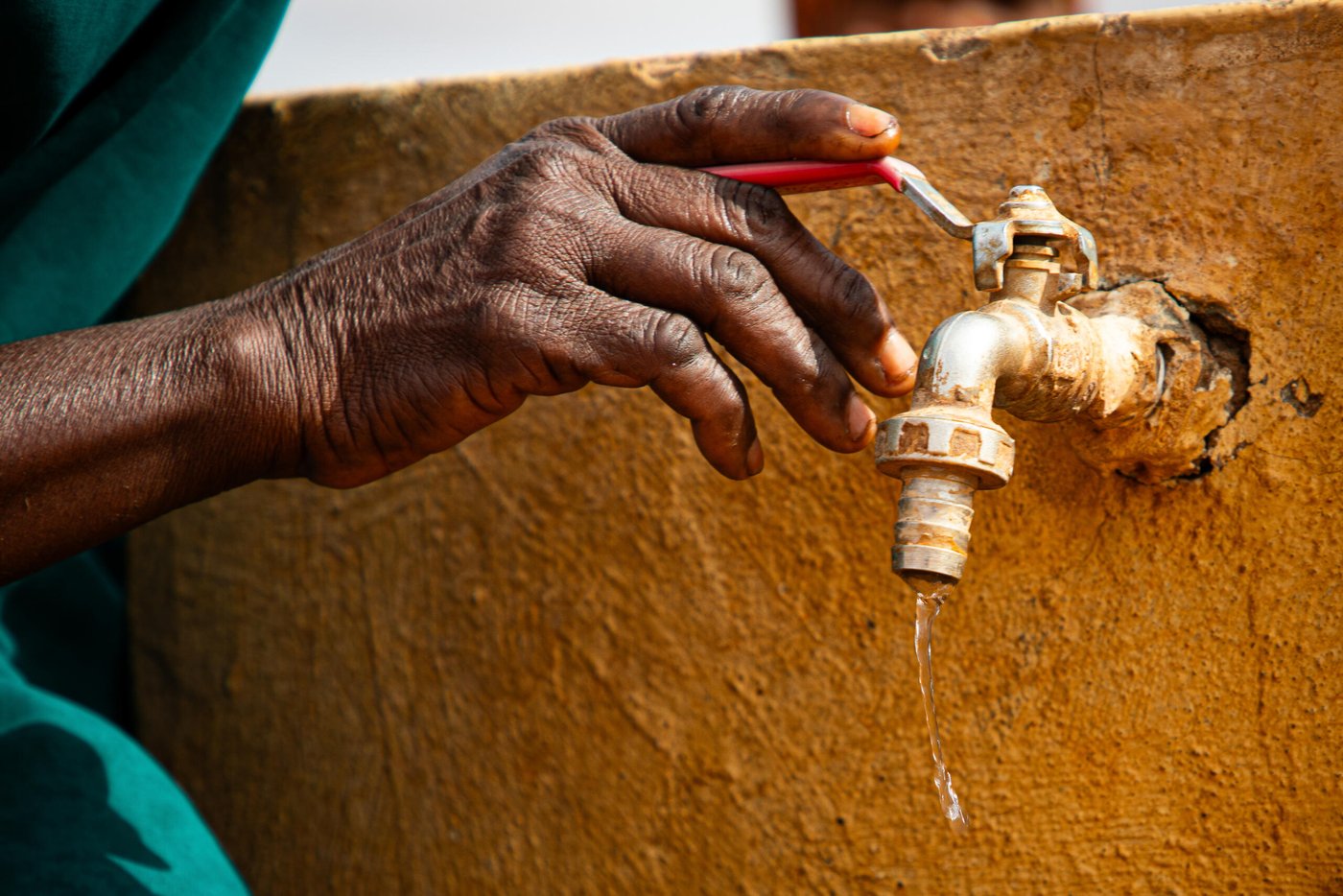
For a family of ten living in a displacement camp, water is the foundation of everything. Hands need washing, household items need cleaning and thirst does not wait. The sheer physical effort of carrying 20kg of water consumed hours of Sharifa’s day. Hours she could not spend caring for her children or rebuilding her life.
Distance, in a place like this, is a hardship of its own. Having water available somewhere is very different from being able to collect it easily.
But the geography of Sharifa's life has now changed. The solution came from deep underground, powered by the sun. A newly drilled, solar-powered borehole now pushes clean, renewable water to the surface, right in her neighbourhood.
“We now have clean water right on our doorstep,” Sharifa says. “I no longer worry about finding water for my family.”
The infrastructure was built by the Norwegian Refugee Council (NRC) and the World Food Programme (WFP), funded by Germany’s KfW Development Bank. It is part of a broader joint resilience programme aimed at giving displaced communities a durable foothold.
For Sharifa, the impact of the project is measured in energy and time saved. The distance has collapsed, the daily calculation of two litres per person is over, and the jerrycan is no longer a heavy burden carried for miles. It is simply a container, filled easily, just a few steps from her home.
Sign up to our newsletter to read more stories from around the world.
