
At the Nyamusasi displacement site in DR Congo, access to safe water was a daily challenge. Now, a new water tower has transformed the lives of the local community.
The Nyamusasi site is located in Tchomia, in the north-east of the Democratic Republic of the Congo. It is home to thousands of families who have fled violence in Ituri province.
Until recently, residents were forced to travel long distances to get water, which was often of uncertain quality. As a result, waterborne diseases were frequent, affecting children's health and household stability. Education and incomes also suffered, as the time spent searching for water reduced the time available for school or work.
The water tower that changes everything
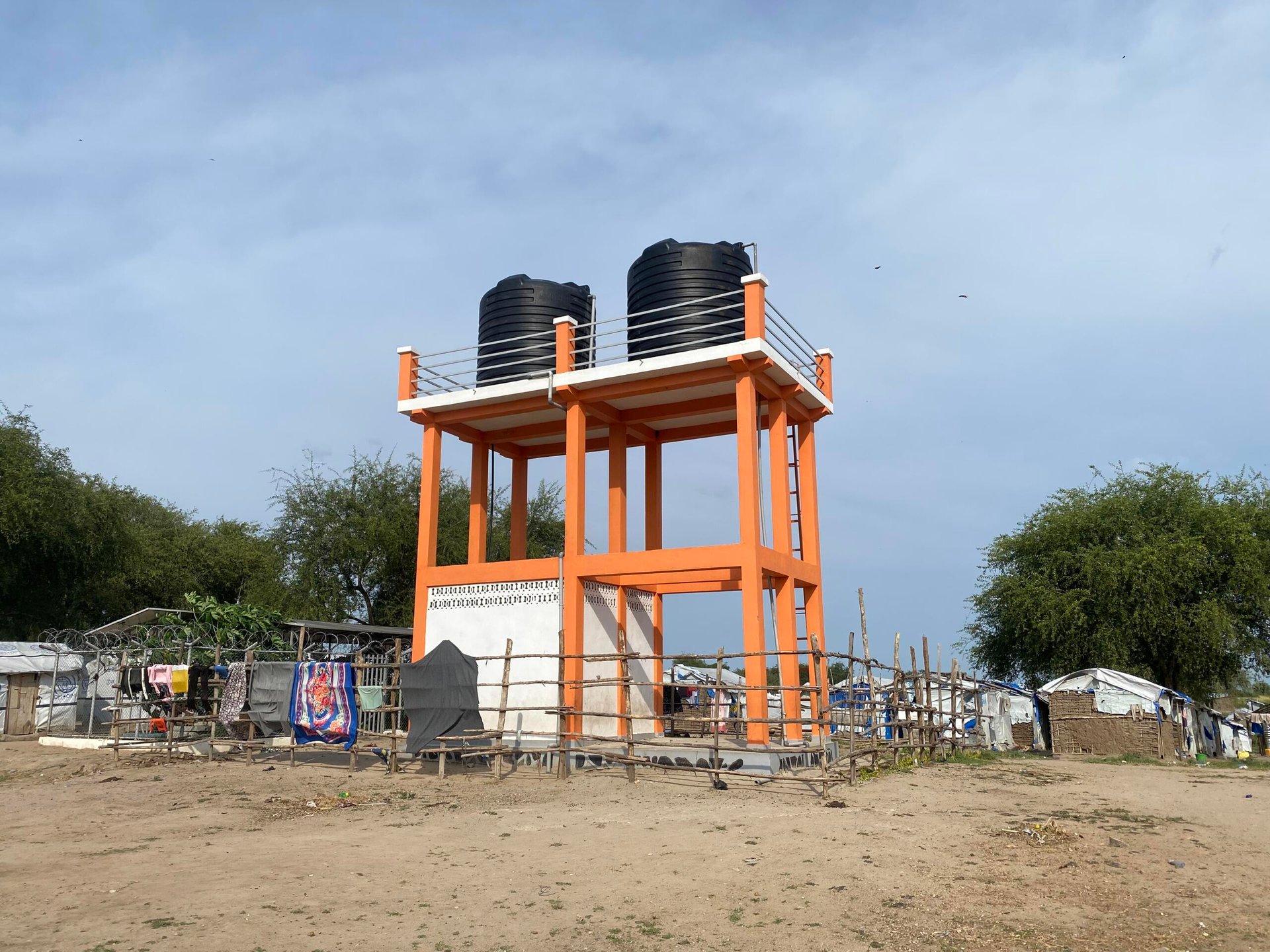
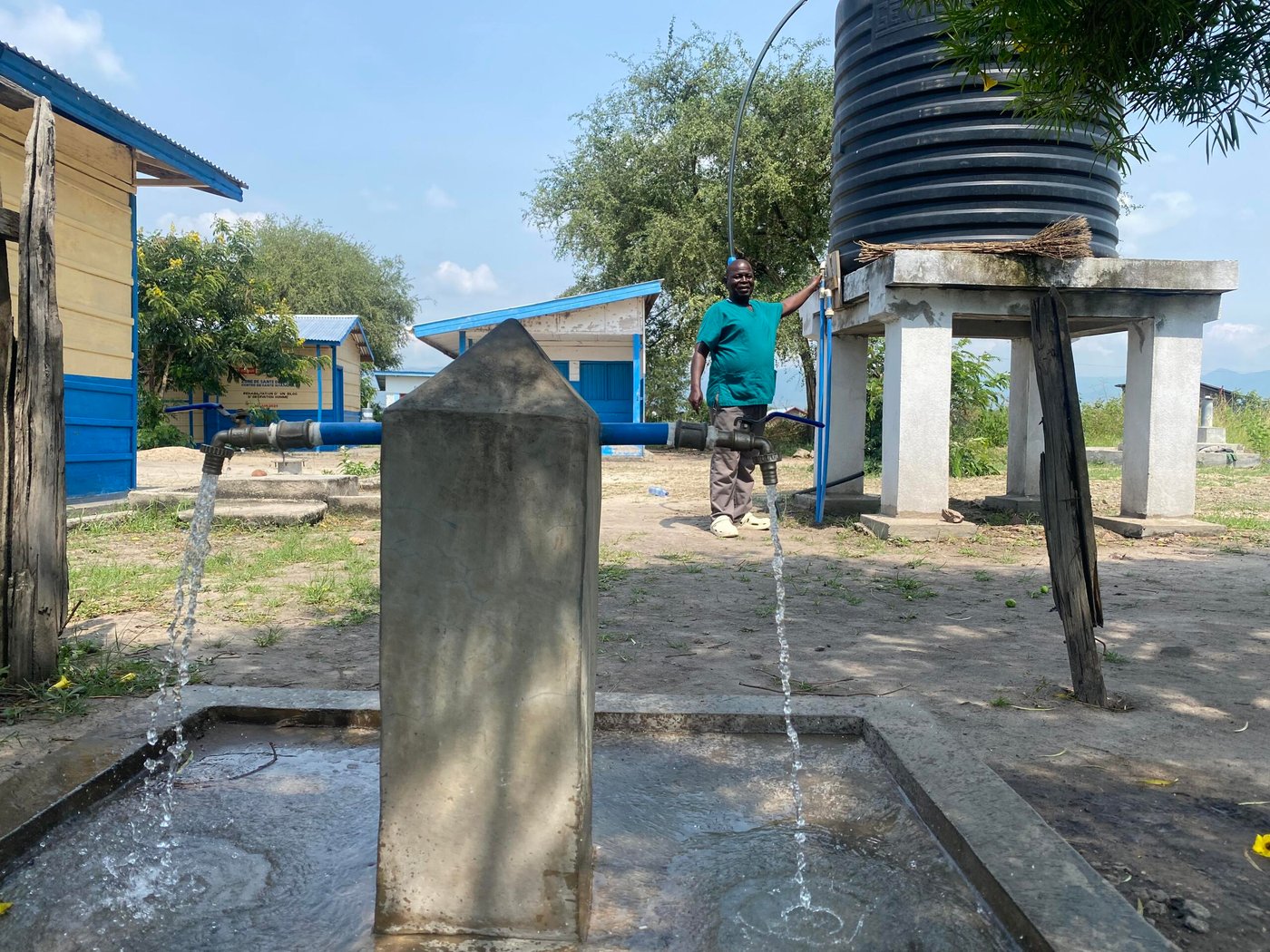
The commissioning of a 20 m³ water tower, funded by the US Office of Foreign Assistance (OFA) and built by the Norwegian Refugee Council (NRC), marked a major turning point.
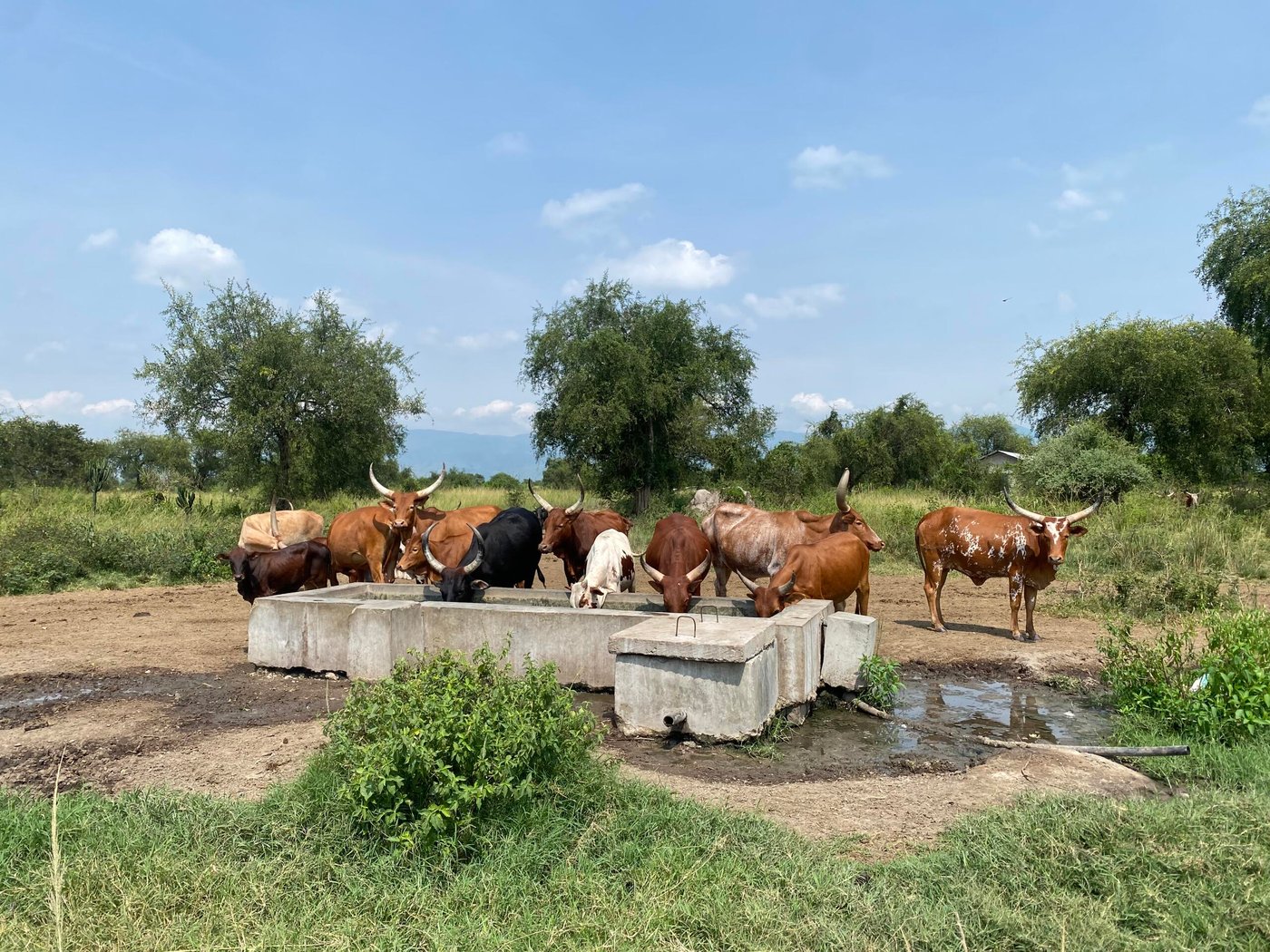
Supplying nine standpipes on the site, its impact extends far beyond the camp's boundaries. The Nyamusasi primary school and health centre, located outside the site, benefit from it, as does the neighbouring village of Tcheya. The water tower also supplies a livestock watering trough 500 metres away.
A community water management system has been set up, overseen by a committee trained in the maintenance of the structures and the monitoring of water quality. This will ensure the infrastructure remains sustainable.
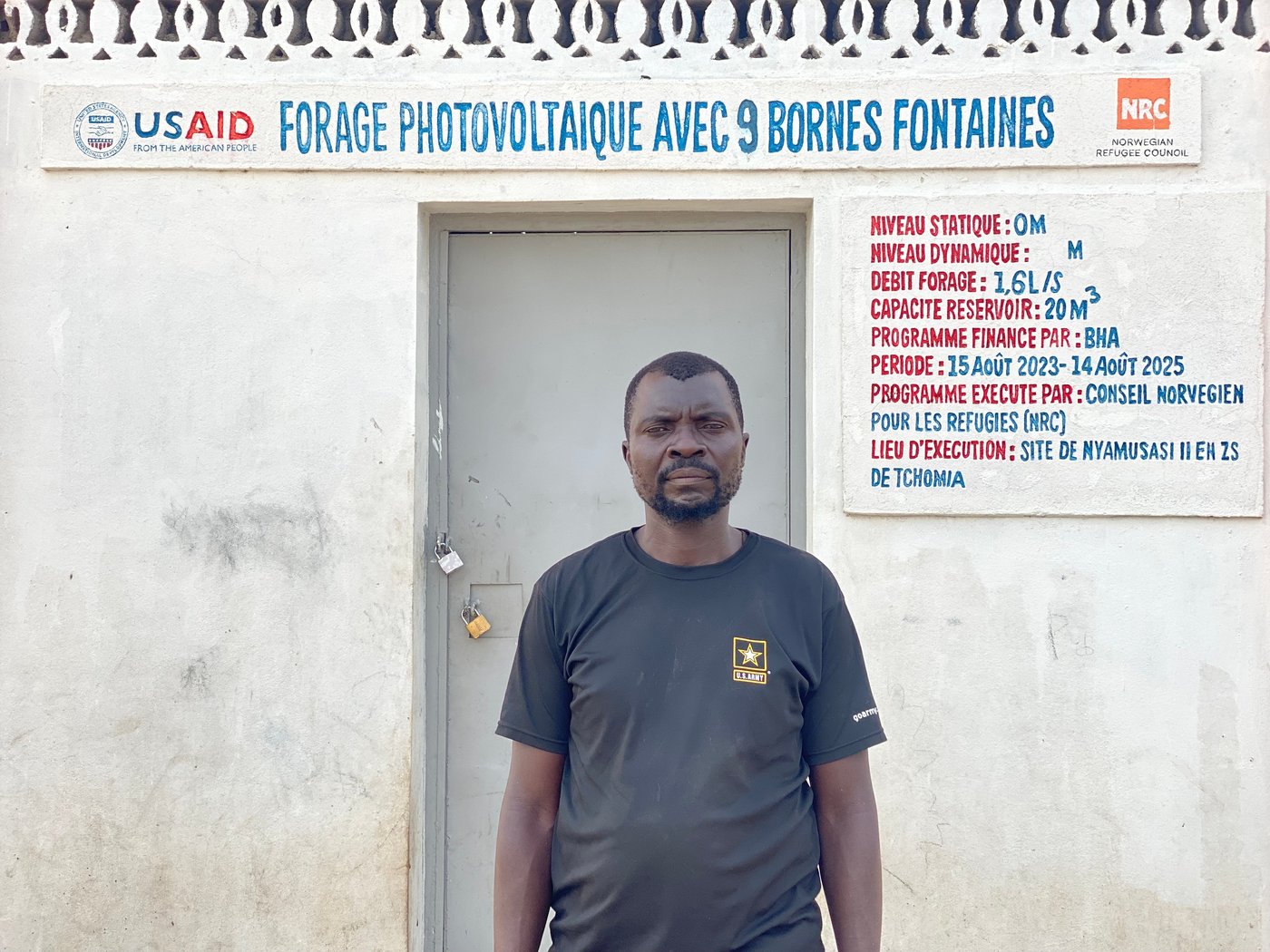
“I can confirm that this water will remain with us. We use it for drinking, washing, preparing food. In short, for all our work,” explains Seth, the leader of the site’s water management committee.
“NRC has thought ahead, because they have provided a generator to keep the facility working in case of low sunlight. This will ensure continuous service in all seasons and maintain a good flow even during the rainy season.”
A safer community for the most vulnerable
Before the water tower was built, children often had to walk more than a kilometre in search of water, exposing themselves to snake bites and other dangers. Women, meanwhile, were particularly vulnerable to violence on their way to distant water sources.
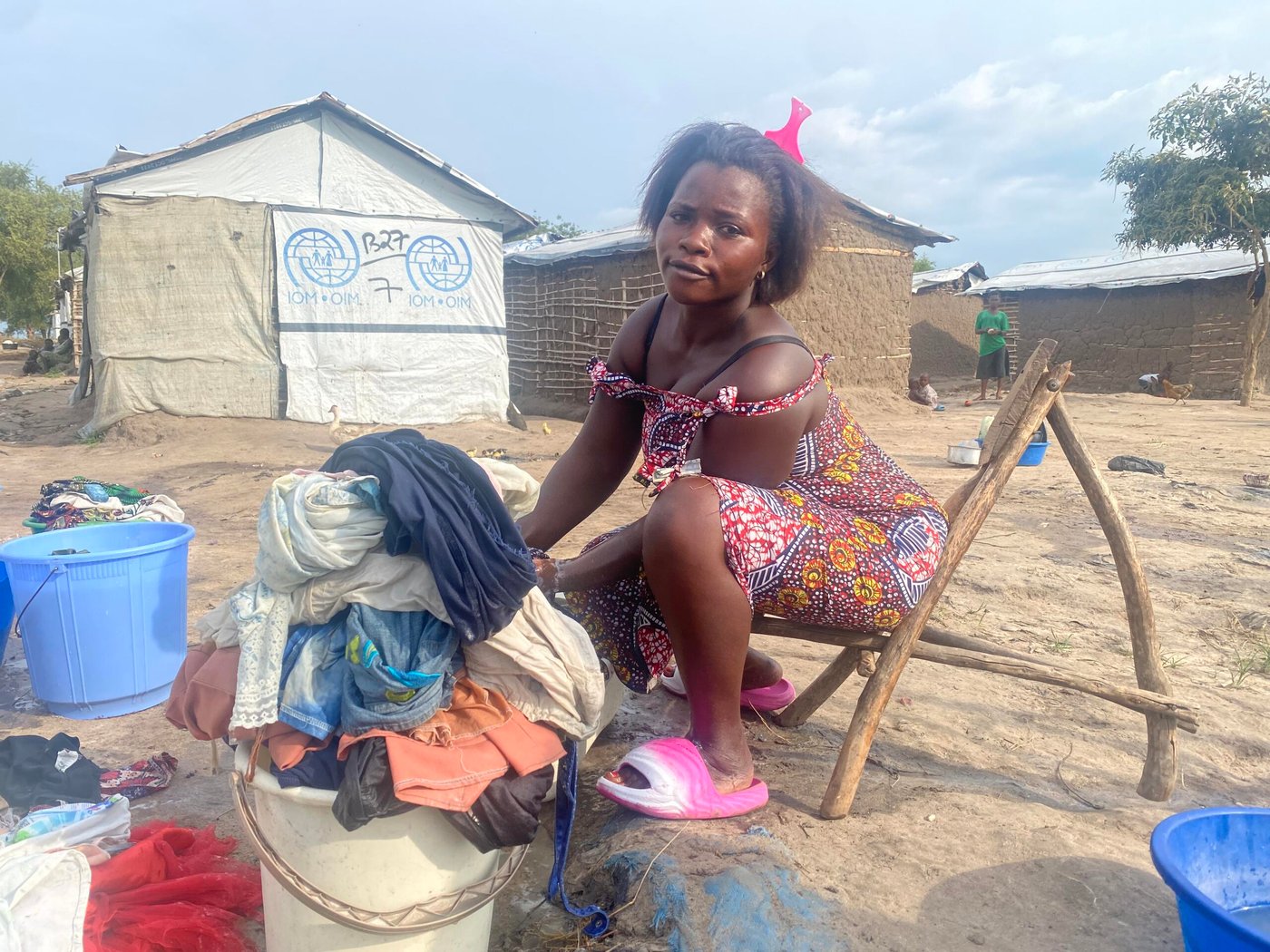
Today, the proximity of public water fountains has completely transformed this reality. Access to water has become safe, fast and equitable, significantly reducing the risk of gender-based violence and improving children's safety.
“Before this water supply was here, we used to go to the bush to do laundry. Children were bitten by snakes and women risked being attacked. We don’t go there anymore now,” says Neema, 25, a mother of three, and a resident of the Nyamusasi site.
A concrete impact on daily life
Thanks to this initiative:
- Children attend school regularly without wasting hours searching for water.
- Families prepare meals in more hygienic conditions.
- Healthcare workers have a reliable resource for the care and sterilisation of medical equipment.
- Livestock farmers benefit from a nearby watering trough, improving the health and productivity of their animals.
- Household hygiene practices have been strengthened, particularly handwashing at critical times.
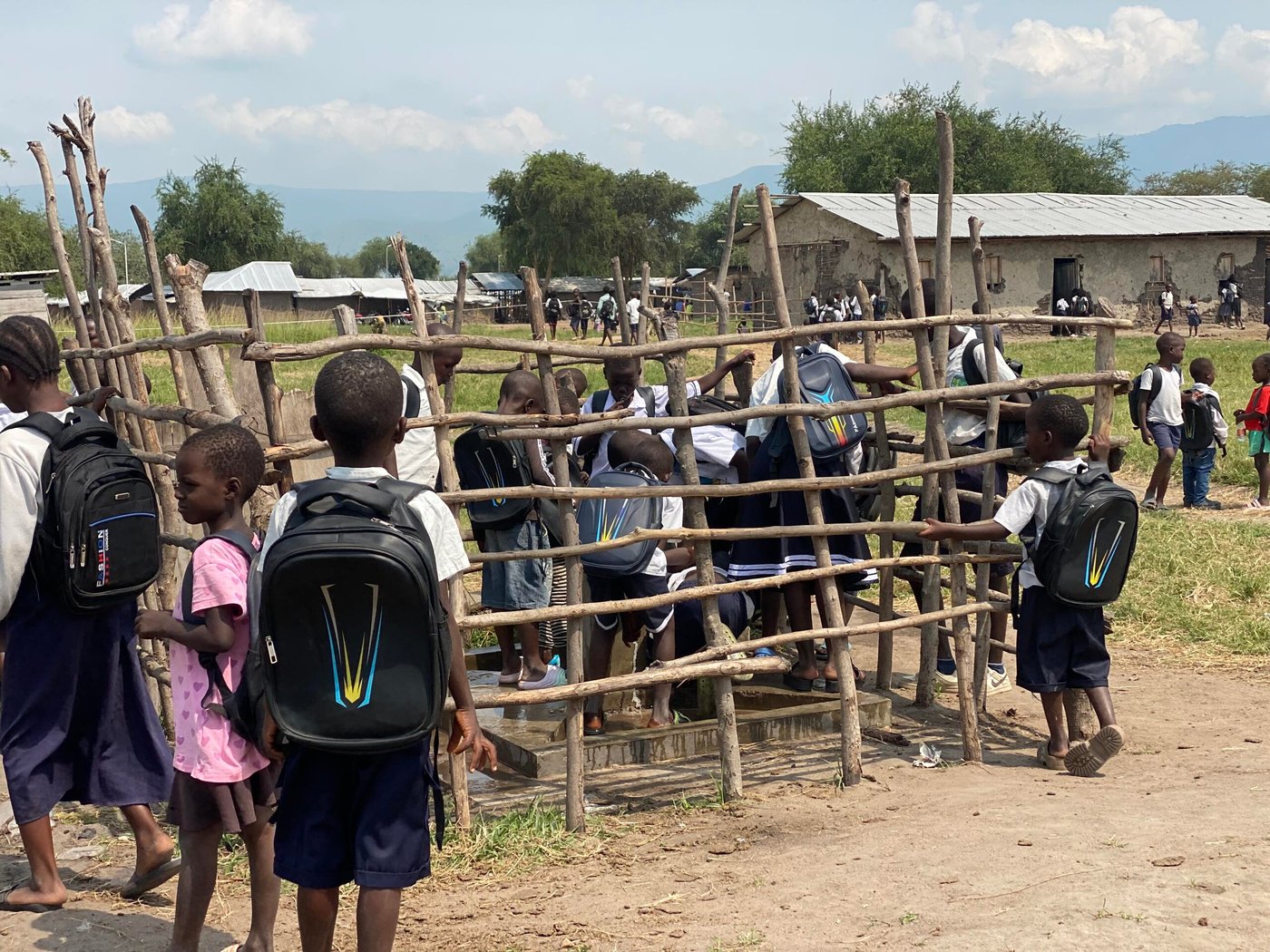
“This water is used for cleaning classrooms and for refreshing pupils during break times. Before, students had to go looking for water, or carry jerrycans from home,” explains Prospert, the director of Nyamusasi Primary School.
An investment in the future
The Nyamusasi project demonstrates that investing in WASH (water, sanitation, and hygiene) infrastructure is an investment in public health, human dignity, and community resilience.
In order for every community – including those of displaced people – to have access to safe drinking water and a healthy environment, local authorities, humanitarian partners and donors must continue to coordinate their efforts.
WASH activities are not simply a response to an immediate need. They are a sustainable strategy for disease prevention, peacebuilding, and reducing inequality.
Sign up to our newsletter to read more stories from around the world.
